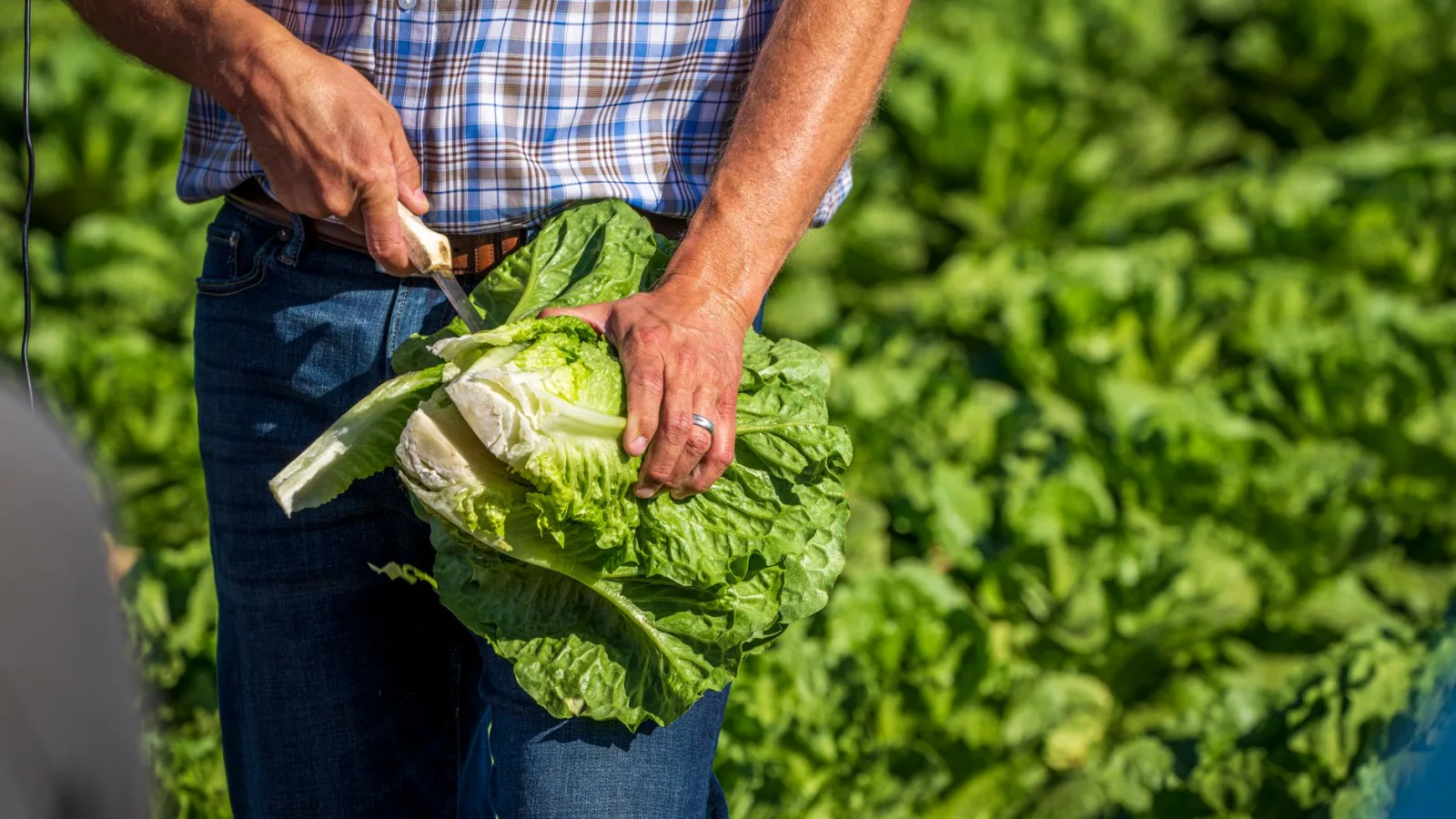
Every spring brings the same chore: driving posts along the edge of the garden and stringing netting between them. After a water deer tramples through the lettuce rows, the netting goes up another hand's width. After the monsoon rains end, the leaning posts get straightened again. Some years, fence repair eats up more time than sowing seeds.
Pastures face the same situation, only on a larger scale. Ranchers decide where the cattle will graze, put up an electric fence, then take it down and move it once the grass is cropped short. A new study asks whether a single collar could take over that job.
A Collar Instead of Posts
A virtual fence puts nothing in the ground. A collar on each cow reads its position from satellite signals and measures the distance to a boundary line the manager has drawn on a map. As the cow approaches that line, the collar emits a tone. If she keeps walking despite the tone, a mild electric pulse follows. The moment she turns or stops, both the sound and the pulse cease.
Within a few days, cattle learn that the tone comes before the pulse. Once they have, most stop at the sound alone, and the number of times they go on to receive a pulse drops noticeably.
What the University of Göttingen Found
Researchers at the University of Göttingen in Germany grazed the same herd in two paddocks, one bounded by an electric fence and the other by a virtual one, and tracked the animals' movements. Daily walking distance, time spent grazing, and where the cattle settled within each paddock all came out similar. In both settings, the animals steered clear of the boundary and spent most of their time in the interior. The results were published in the journal Animal.
The cattle treated an invisible line as the same kind of boundary as an electric fence. That said, the study followed one herd over one season, so there is more to learn as researchers broaden the work to other breeds and larger grazing operations.
How Much of the Welfare Worry Has Been Answered?
The most common objection to virtual fencing goes like this: with no visible marker, won't the cows simply get shocked without ever understanding where the boundary is? In this study, the cattle used the tone as their cue and changed direction before the pulse arrived.
Still, some individuals receive more pulses during the learning period, and a cow trailing the herd may follow the animal ahead of her right across the line. That is why close management in the first few weeks needs to go hand in hand with records for each animal. The collar does not replace the manager's eyes.
What the Garden Can Borrow
An urban garden has no need for satellite collars. But the principle behind the boundary is worth borrowing. When there is a signal that registers before the line is crossed, animals and people alike run into fewer conflicts.
- Tie ribbons or reflective tape along the top of your netting. Water deer and birds notice a fluttering marker before they notice the net.
- Instead of fencing the whole plot at once, divide it bed by bed. You end up with a rotation that lets the soil and the plants rest in turn.
- Wherever you find signs of a break-in, note the date. If the same spot keeps showing up, that is the only place you need to reinforce.
Today, take one lap around the garden and straighten just one leaning post.