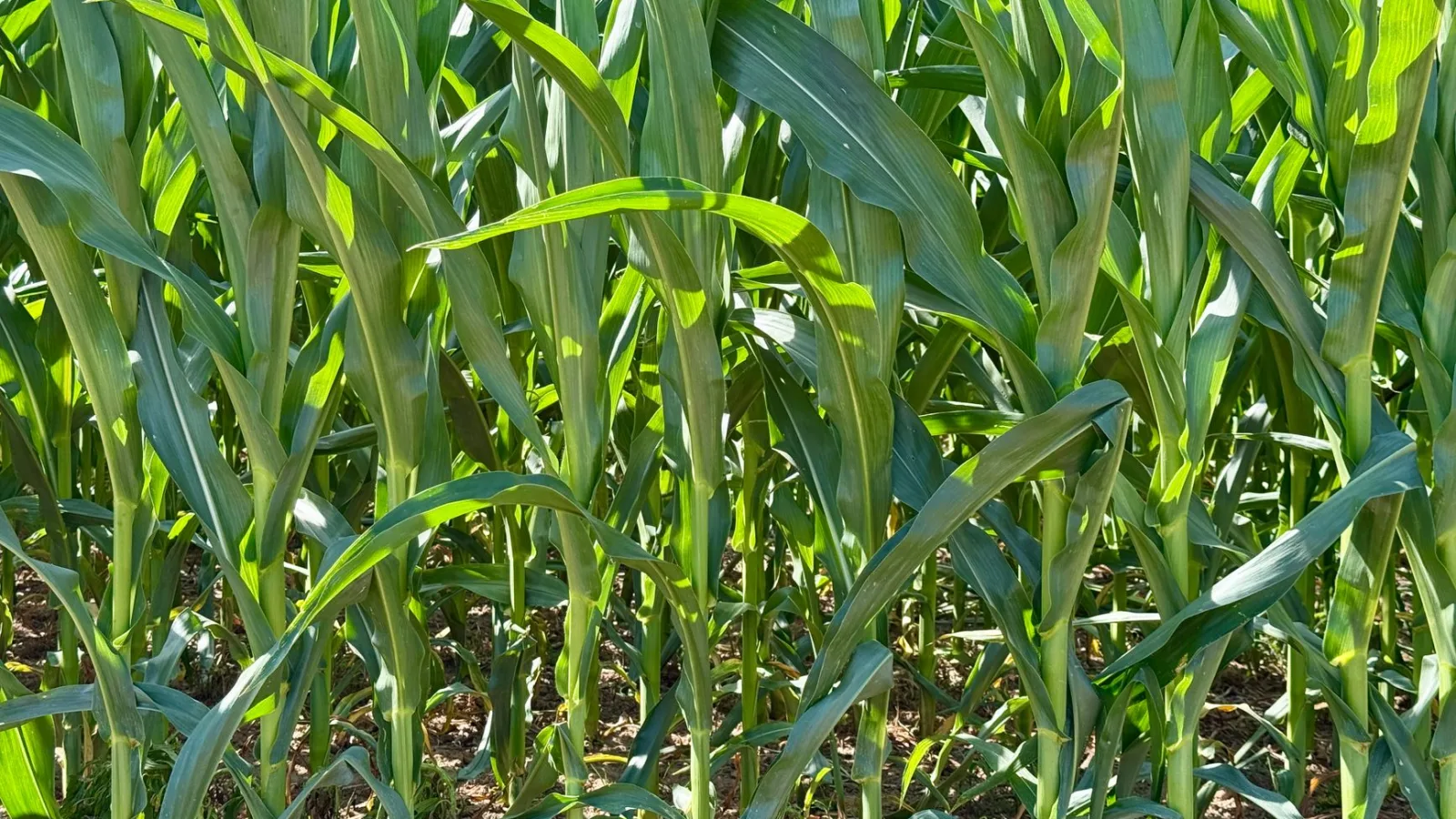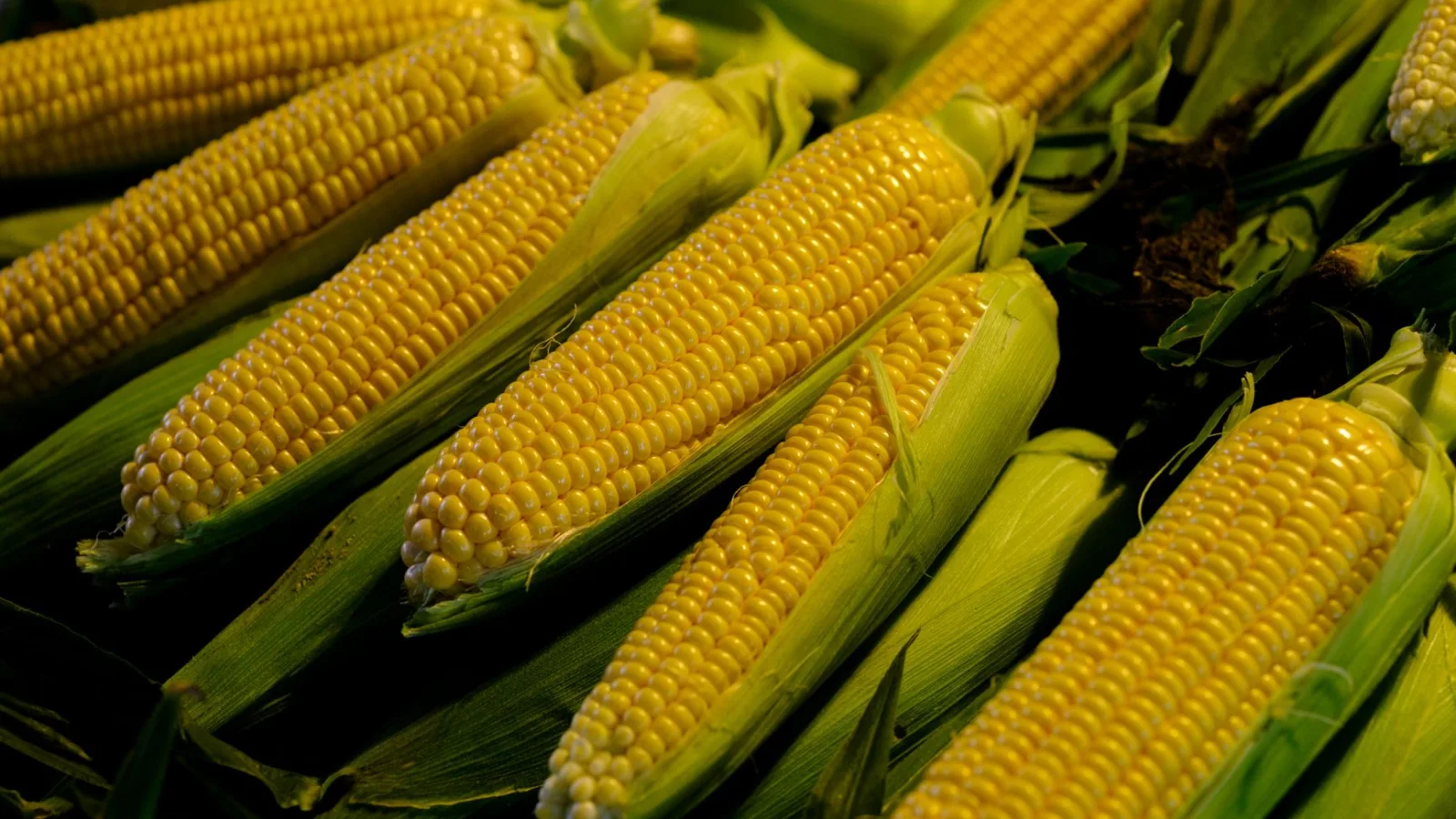
When corn leaves start curling inward in the middle of a hot summer, most of us reach for the hose first. Thirst is the most visible explanation. But something else is going on in the soil around the roots. Recent research suggests that the microbial communities living around the roots of corn (maize) and sorghum may play a part in how these crops adapt to high heat.
The Soil Around the Roots: What Is the Rhizosphere?
The rhizosphere is the thin band of soil — just a few millimeters wide — that hugs the surface of a plant's roots. Sugars and amino acids released by the roots make this narrow zone far more crowded with microbes than ordinary soil. Bacteria, fungi, and protozoa all live tangled together there, and that crowd shapes how well a plant takes up nutrients and how well it holds off pathogens.
Until now, rhizosphere research has focused mainly on nutrient supply and disease suppression. This new study found something different: as temperatures climb, the makeup of the rhizosphere community shifts, and that shift may be linked to how the plant responds to heat stress.
When the Temperature Rises, the Microbial Lineup Changes
The research team analyzed the microbial communities in the soil around the roots of corn and sorghum grown under heat stress. Under high temperatures, the proportions of certain bacterial species changed, and the researchers suspect that change is connected to how the crops endure the heat. Exactly which microbes improve heat tolerance, and by what route, is still unknown. The team's working idea is that rhizosphere microbes either send signals that ease heat stress in the plant or help keep nutrient uptake running efficiently.
Corn and sorghum are staple food crops across Africa and Asia. As climate change pushes summer temperatures higher in the regions where they grow, how much heat these crops can take becomes a direct question of food supply. This study suggests that nurturing the microbial life in the soil is another workable path toward crops that can stand up to heat.
Keeping the Microbial Environment Healthy in Your Garden
This research hasn't yet reached large-scale field trials or on-farm application. Even so, study after study has confirmed that keeping the rhizosphere diverse is good for a plant's health.
- Keep adding organic matter. Compost and leaf mold are the foundation microbes live on. Spreading a thin layer across the whole bed once before summer arrives helps hold microbial density steady.
- Cut back on herbicides and chemical fungicides. Spraying fungicides regularly as a preventive measure thins out the beneficial microbes along with everything else.
- Don't dig deeper or more often than you need to. Microbial communities settle in along with the soil's layers. Turning the soil over and over rearranges that order.
- Mulching between summer corn plants with straw or dried grass lowers the soil temperature and holds moisture, which helps keep the microbial environment stable.
Today, try tucking a handful of compost around your corn or sorghum plants and mulching with straw or dried grass.
Source: Phys.org, "Microbial partners may help maize and sorghum respond to higher temperatures," 2024