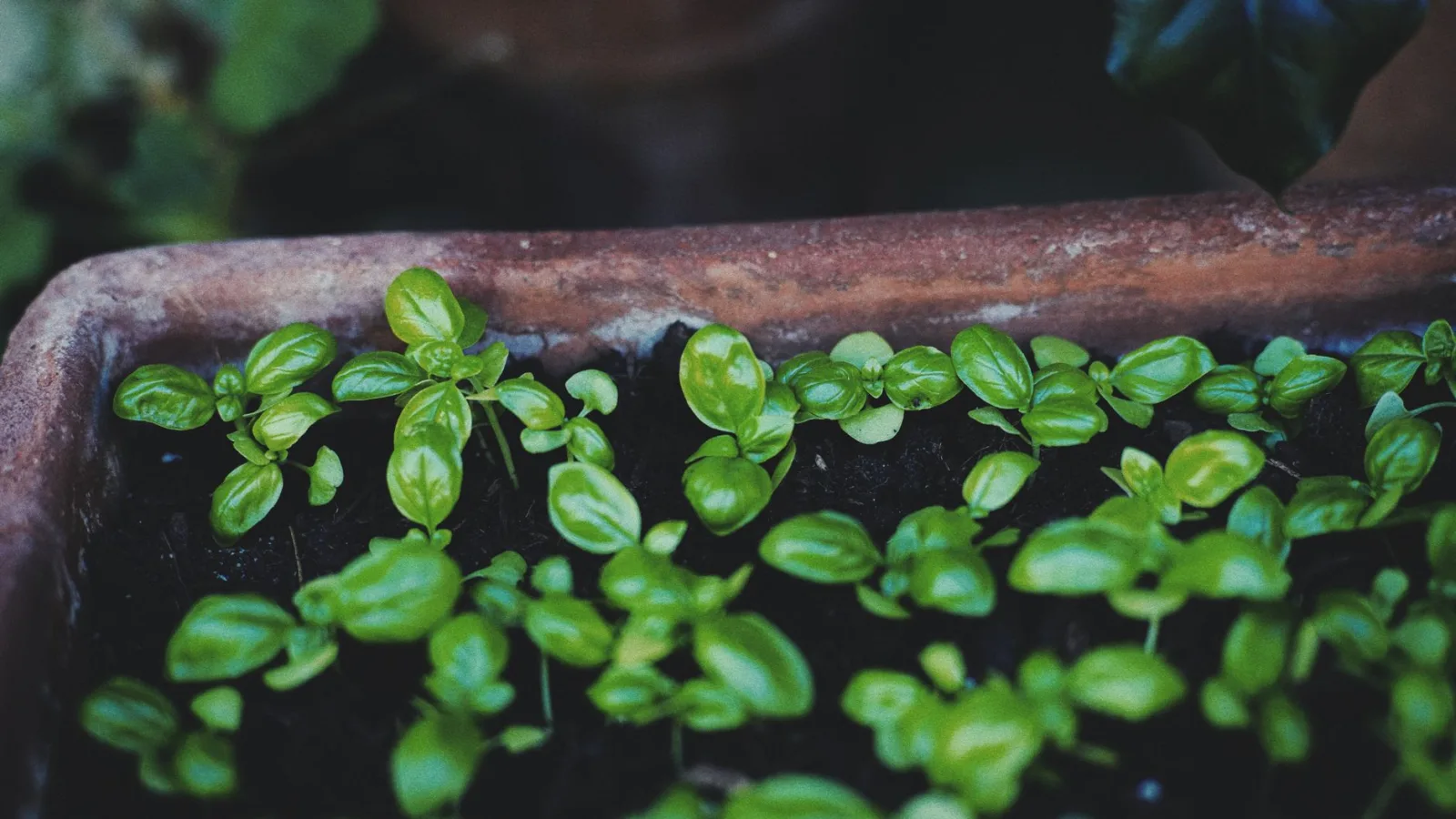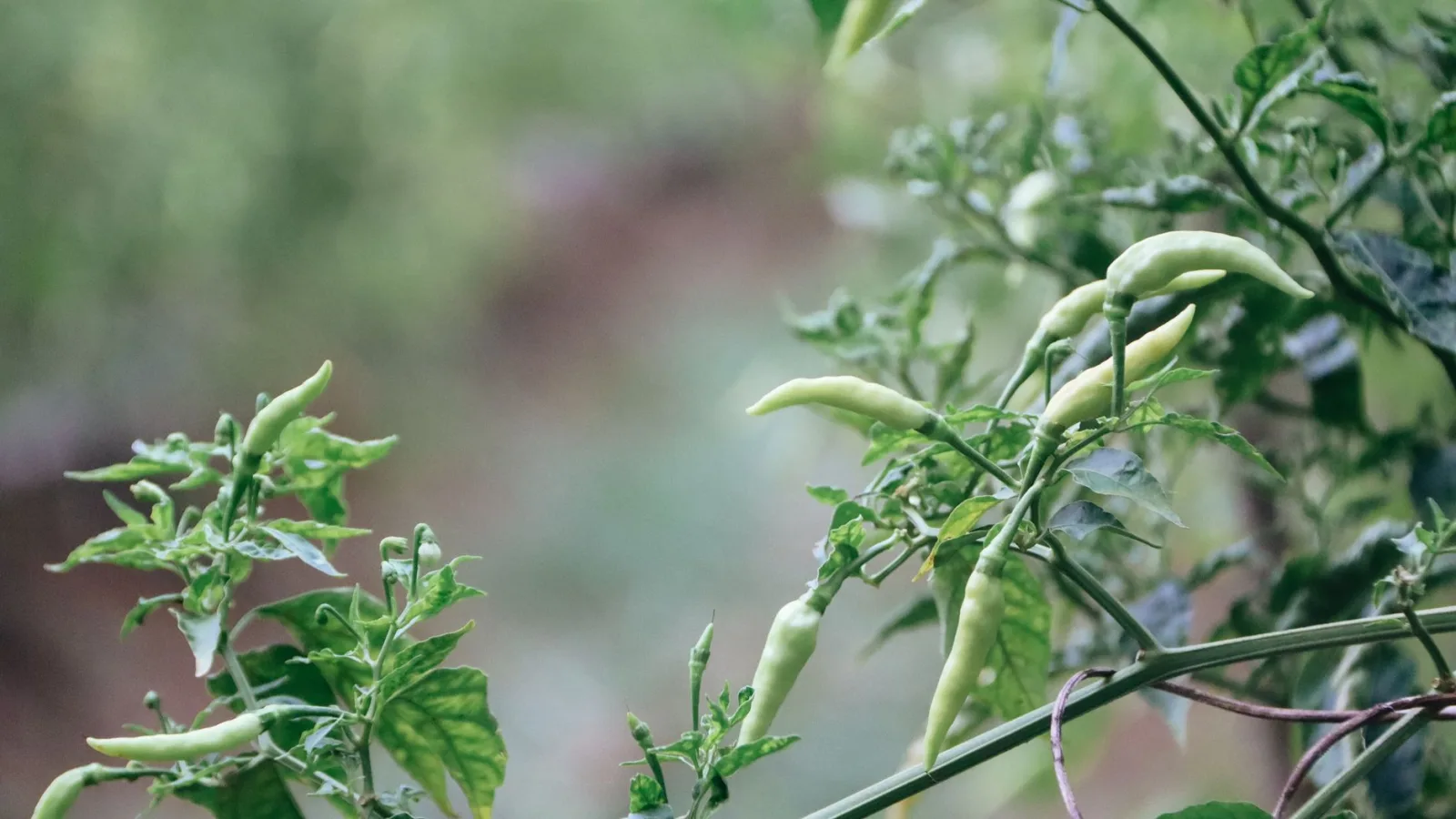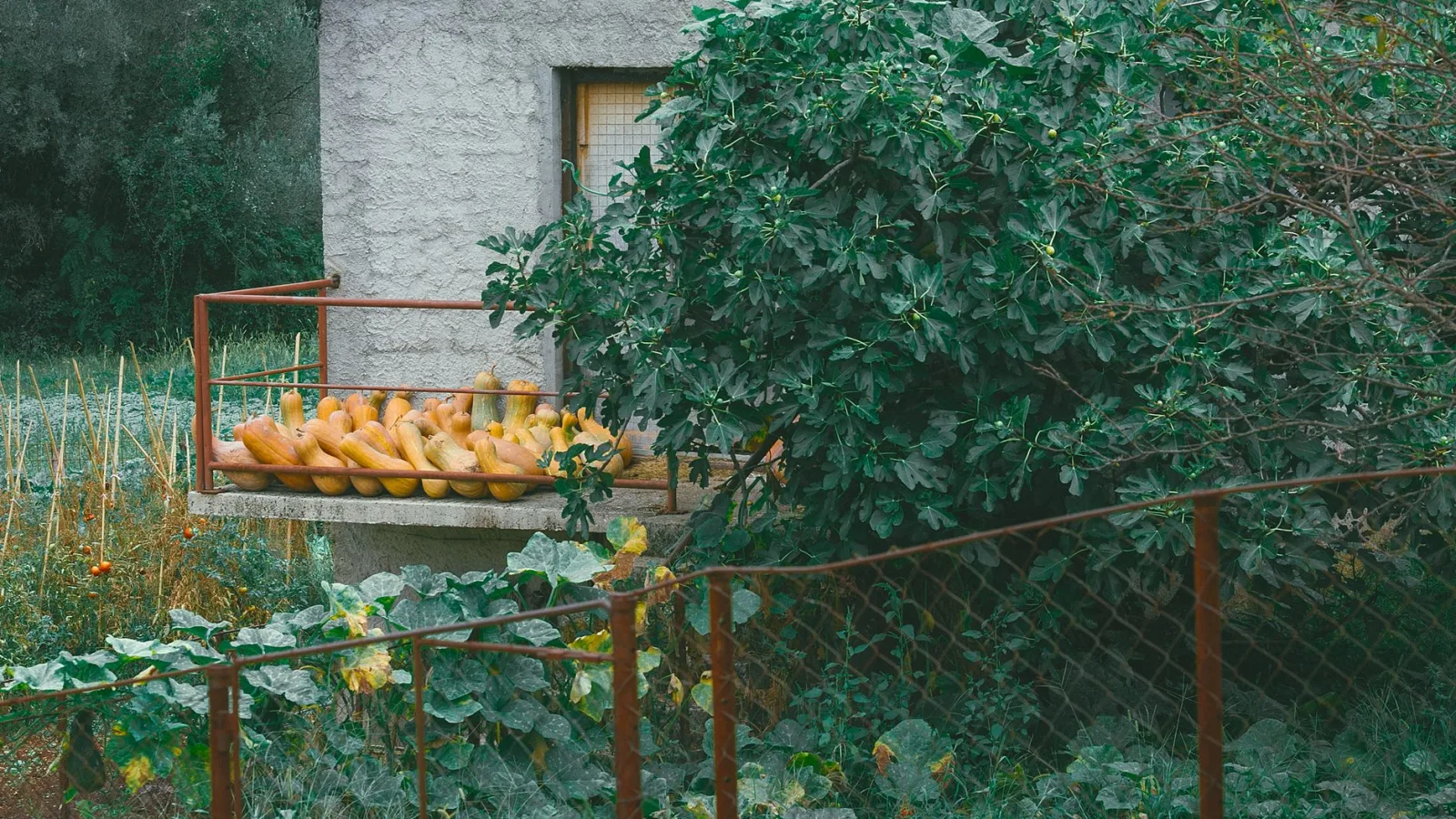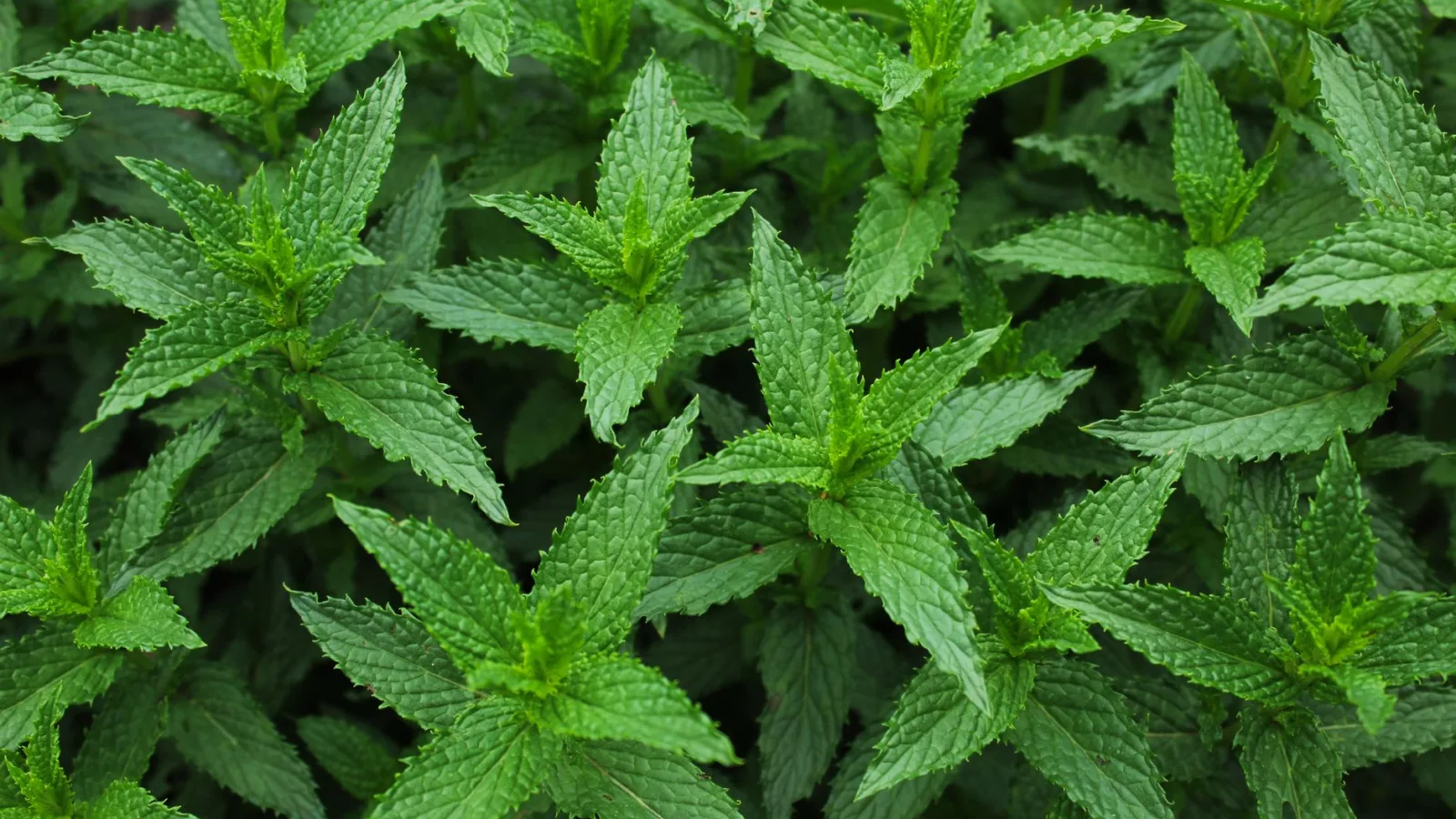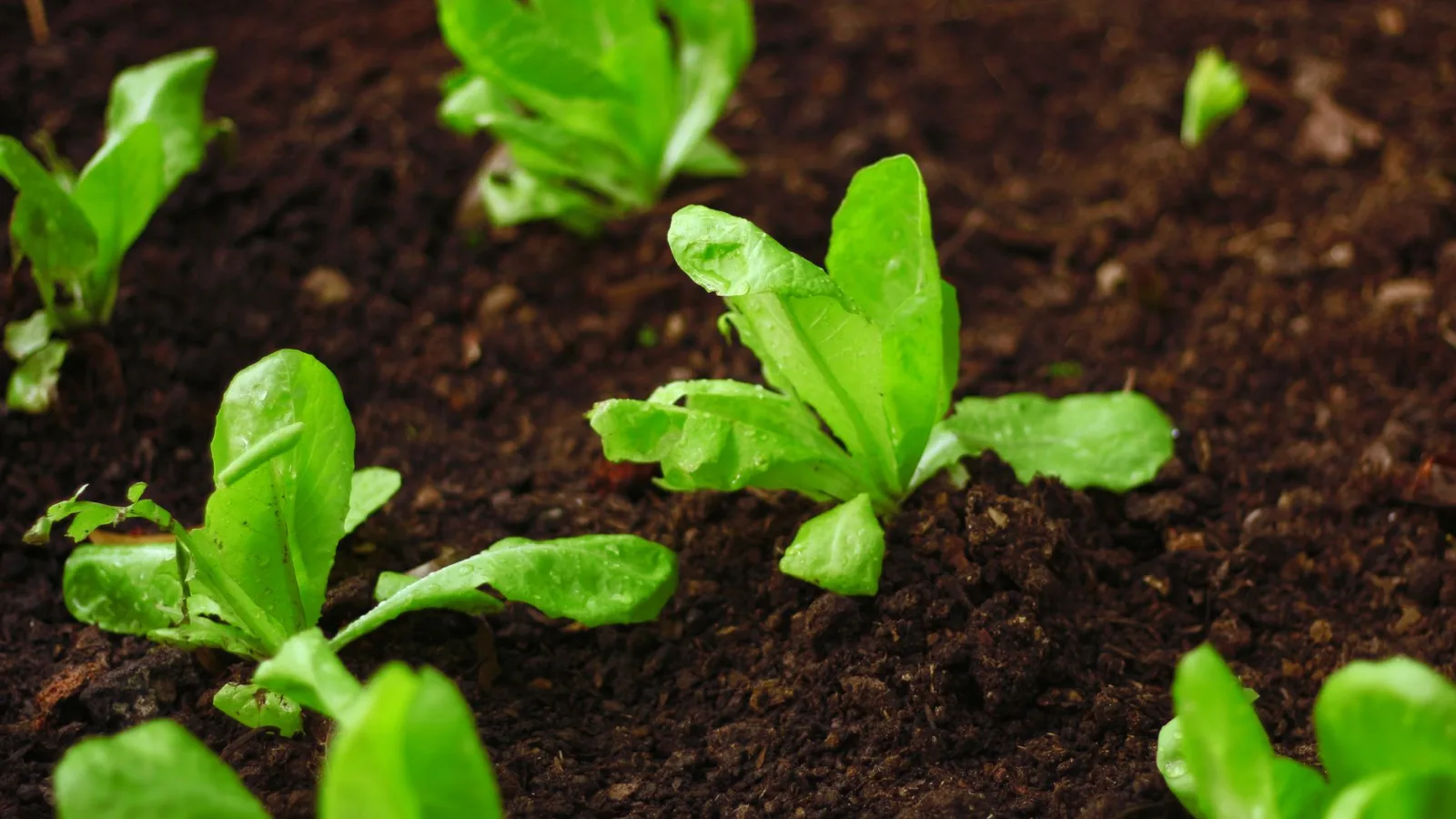
When I go out to the garden in the morning to pick lettuce, I run my fingertips over the backs of the leaves. It's a habit — checking for aphids, for splashed-up soil. At the grocery store, though, I grab the bag off the shelf, give it one rinse at home, and put it straight on the table. Same lettuce. Very different level of scrutiny.
Lung cancer is showing up more often in people in their thirties and forties who have never smoked, rarely drink, and eat plenty of vegetables. Cancer registries in a number of countries keep reporting the same thing: nonsmokers make up a growing share of lung cancer cases. When tobacco can't explain it, the usual suspects are fine particulate air pollution, radon, cooking fumes, and genetics. Now a recent study has added one more possibility to the list.
I Ate Well. So Why?
In this study of young nonsmokers, the people who ate the most vegetables and fruit turned out to have higher lung cancer rates, not lower. What the researchers zeroed in on wasn't the diet itself but how that produce had been grown. They raised the possibility that long-term exposure to pesticide residues on conventionally farmed crops played a role.
This is not a settled finding. The researchers themselves called it a preliminary observation and said that sorting out cause from correlation will take further work. And it certainly does not mean you're better off eating fewer vegetables. The evidence that fruit and vegetable intake lowers the risk of cardiovascular disease and a range of cancers has been piling up for decades, and a single observational study does not overturn it.
Pesticide Residue: What We Actually Know
The confident part is narrow. Switch a diet over to mostly organic produce and, within days, the pesticide metabolites detectable in urine drop sharply. Multiple studies have found this again and again. That exposure goes down is well established. Whether lower exposure translates into lower lung cancer risk has not been shown.
Washing is better understood. A team of American researchers tested pesticides on apple skins, comparing plain water, a bleach solution, and a baking soda solution. Soaking in water with baking soda dissolved in it, then rinsing, removed the most surface residue. What it couldn't reach was anything that had already worked its way in beneath the skin. Peeling takes care of that layer — along with the fiber and polyphenols you'd be throwing out with it.
What a Home Garden Actually Fixes
The advantage of garden vegetables isn't nutrition. It's provenance. The person who grew it knows what went on the plants, and when. That matters most for crops you eat leaf and all — lettuce, crown daisy (ssukgat), young summer radish greens (yeolmu). Leafy greens have a lot of surface area for residue to sit on, and there's no skin to peel away.
- With leafy greens, pull off the outer leaf or two, then separate the rest leaf by leaf and rub them under running water for at least 30 seconds.
- For apples, grapes, and cherry tomatoes, soak them about 10 minutes in water with a teaspoon of baking soda stirred in, then rinse in clean water to cut surface residue.
- For aphids in the garden, try an egg-yolk oil spray or an eco-friendly soap solution first — and if you do spray something stronger, always observe the pre-harvest interval.
- Among the produce you buy, switching strawberries and grapes (eaten skin and all) and spinach (eaten leaf and all) to organic first will buy you the biggest drop in exposure for the same money.
The causes of lung cancer in nonsmokers are still unsorted, and whether pesticides belong on that list is unproven. Reducing exposure, though, is something you can do in your kitchen today. When you wash the lettuce tonight, don't rinse it in the bag — open it up, leaf by leaf, and rub.
Sources — a preliminary study on diet and lung cancer incidence in young nonsmokers; an apple-washing experiment published in the American Chemical Society's Journal of Agricultural and Food Chemistry