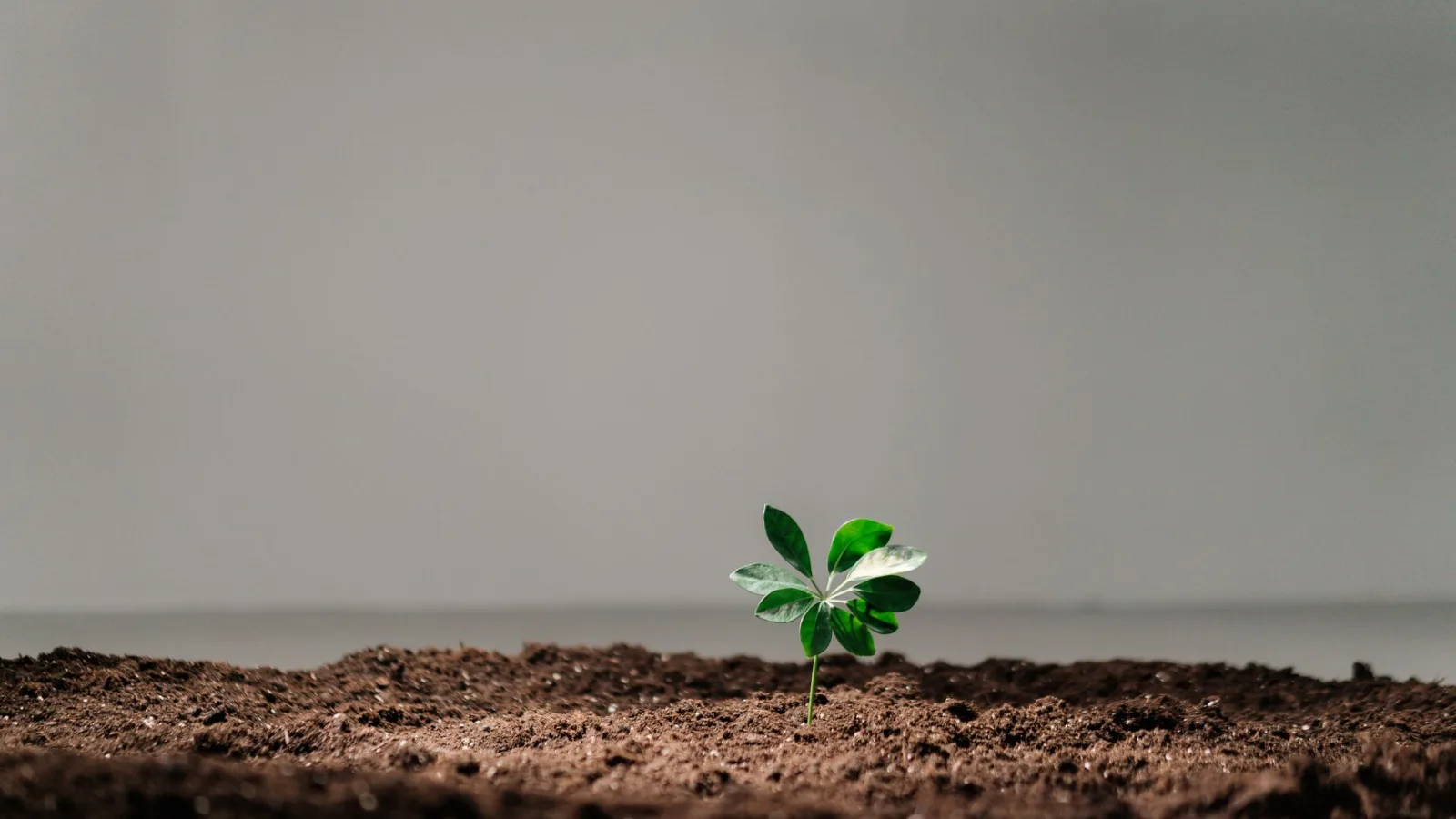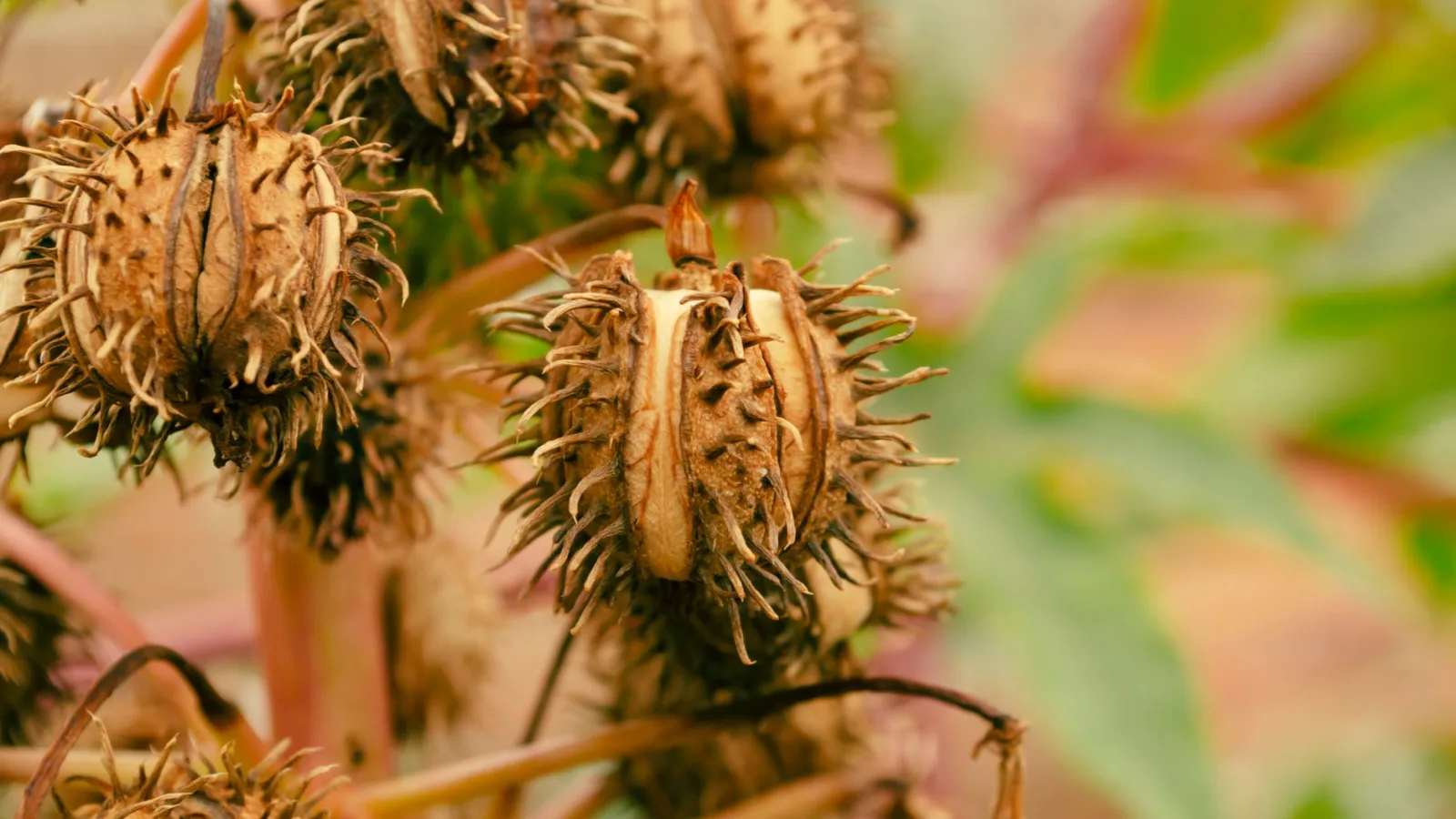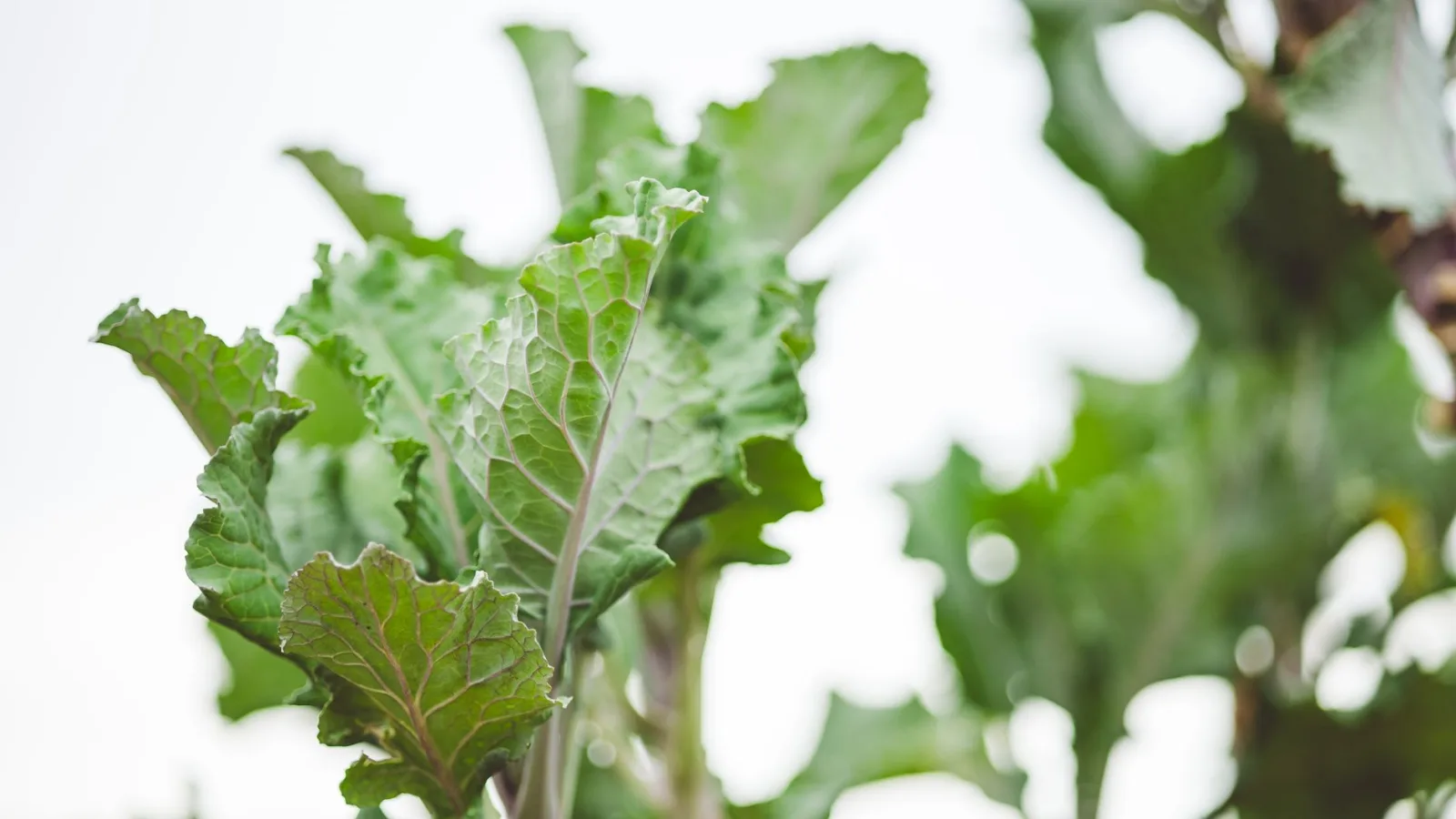
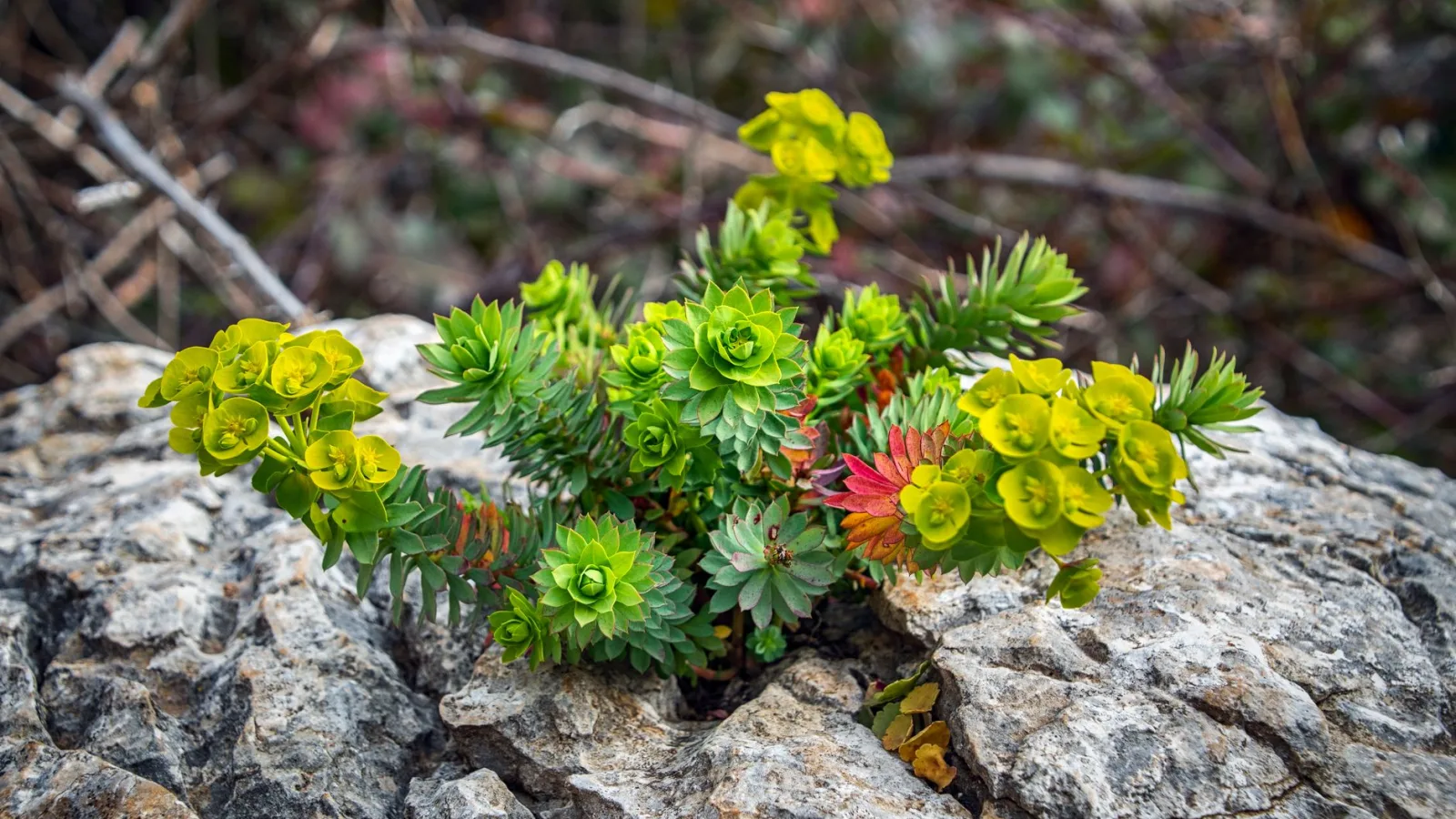
In a balcony pot, the orpine stems have taken the frost and dried to brown. The flower stalks left after blooming are still standing. The plant may look dead above ground, but its roots survive the winter in the soil, and next spring plump new shoots will rise from the same spot. The Dongui Bogam, the 17th-century Korean medical classic, described those tiered, fleshy leaves and soft stems in surprising detail.
Jibudigi in the Dongui Bogam
The Dongui Bogam lists orpine in its herbs section under the name Gyeongcheon (景天) and records its old Korean name as jibudigi. It describes the plant's nature as neutral (平), while also noting a view that it is cold. Its taste is given as bitter and sour, and the text calls it nontoxic, though it also records a claim that it is mildly toxic.
According to the text, its sprouts and leaves resemble those of purslane but are larger and grow in tiers, and its stems are extremely soft and weak. One passage notes that small reddish-purple flowers bloom in summer and that the plant withers and dies after autumn. It was to be gathered on the fourth day of the fourth lunar month and the seventh day of the seventh, then dried in the shade. You can read the original passage with commentary in the orpine (景天) entry of Homiclub's Dongui Bogam.
The book also says that people of the time believed planting this herb in a pot and setting it on the roof would keep fire away, so they called it sinhwacho (愼火草), the "fire-guarding herb." The passages on its nature, taste, and toxicity reflect the judgment of an old medical text and should be read separately from any benefits confirmed by modern medicine.
How It Compares with Modern Science
The old record and modern knowledge agree on the leaves and stems. Orpine leaves are plump because they store water, and when cut they ooze a mucilage made of polysaccharides. That fits the old description, which likened the plant to purslane and called its stems soft.
There are differences too. The text says the plant withers and dies after autumn, but frost kills only the stems above ground. The roots live on and send up new shoots in spring. The old text was describing only what happened above the soil.
And there are things the old medical texts couldn't have known. In 1917, the American chemists La Forge and Hudson isolated a new sugar with seven carbon atoms, a heptose, from showy stonecrop, a close relative. Its name, sedoheptulose, comes from Sedum, the genus this group of plants once belonged to. In its phosphorylated form, the sugar plays a role in photosynthesis in plants and in sugar metabolism in the human body. Showy stonecrop is simply where it was found first; the sugar isn't unique to this plant. The leaves also contain flavonoids, a class of polyphenols.
Growing It in a Single Pot
Orpine (Hylotelephium erythrostictum) is a perennial that grows wild in the mountains and fields of Korea, China, Japan, and the Russian Far East. Mature stems usually reach 30–70 cm. It does best in a sunny spot with well-drained soil. Because it stores water in its leaves, it handles drought well, but if the soil stays wet all the time, the roots can rot.
Plant in spring, from March to April in the Northern Hemisphere. The seeds are very tiny, so don't cover them with soil after sowing. Just mist them with a spray bottle. Division and stem cuttings are even easier. Split an established clump into two or three pieces, each with new shoots attached, and replant them at the same depth they grew before. For cuttings, cut a stem about 10 cm long, let it dry in the shade for a day, then push it into the soil. Use a pot at least 20 cm across, filled with a 1:1 mix of potting soil and coarse sand. In a garden bed, space plants about 30 cm apart. Water only after the soil has dried all the way through. Planting and harvest months are also listed in the orpine entry in our Crop Guide.
Tender Spring Shoots as Namul
Harvest the young shoots in April and May, when they've grown to about 10 cm, by snapping off the tops. If you leave about half of each plant, you'll still get flowers that year. Blanch the shoots for just 20–30 seconds in boiling water salted at 5 g per 1 L, then rinse them in cold water. Their flavor is mild, so heavy seasoning will drown out the taste of the orpine. To serve them as namul, Korea's lightly dressed vegetable side dishes, try one of these.
- Doenjang and perilla oil: Toss 100 g of blanched shoots with 10 g of doenjang (Korean fermented soybean paste) and 5 ml of perilla oil until evenly coated.
- Chogochujang: The leaves stay a little slick even after blanching, and a tangy dressing suits that texture. Lightly shake off the water and toss them in chogochujang, a sweet-tart sauce of gochujang (Korean red chili paste) and vinegar.
- With other spring greens: On their own the shoots taste a bit plain, so mix them with two or three other spring greens. The blanching time is short, so blanch each green separately and combine them at the end.
Since one old record says the plant is mildly toxic, taste only a small amount at first. Don't eat plants from beds that have been sprayed with pesticides.
The sinhwacho that people set on their roofs in the Dongui Bogam era belongs to the stonecrop family (Crassulaceae). Sedums from the same family are still widely planted on green roofs today. If you leave the dried flower stalks standing through winter, you'll easily find where the new shoots will come up in spring, and that's where you'll harvest next year's tender shoots.
Sources: Heo Jun, Dongui Bogam, Tangaek-pyeon (Materia Medica), Herbs section, "Gyeongcheon (景天)" · F. B. La Forge and C. S. Hudson, Journal of Biological Chemistry (1917) · Flora of China, entry for Hylotelephium erythrostictum