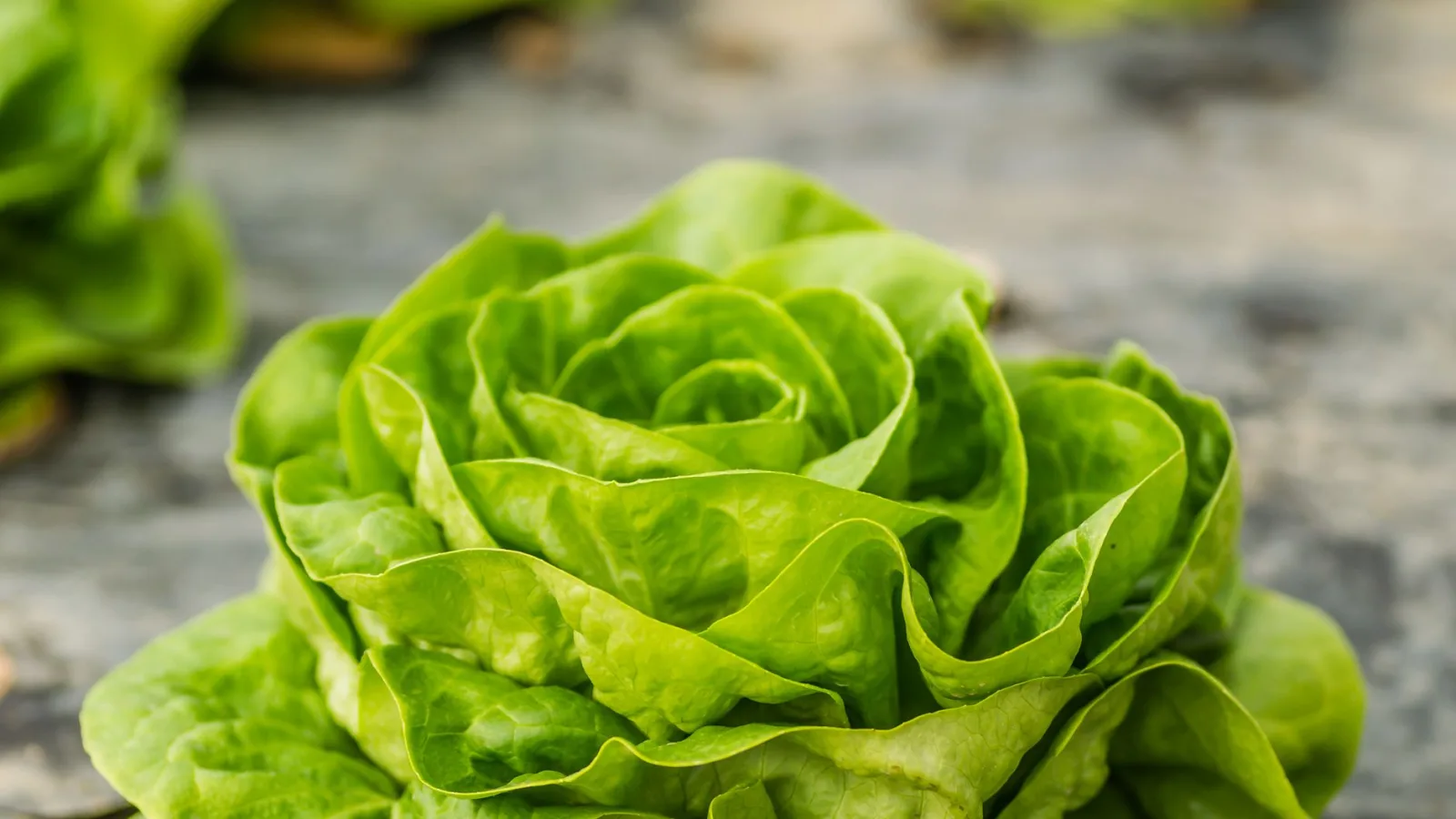
More and more balcony gardeners are setting aside a palm-sized bin in a corner of their plot, where tiny larvae wriggle through a bed of wheat bran. A few wilted lettuce leaves are all they need to eat, and once grown, the larvae get a quick toasting and go on the table as a protein-rich snack. These little grubs are the larvae of the darkling beetle, known in Korean as gosoae, a name that nods to their nutty flavor. You probably know them as mealworms.
Protein on Par with Beef
Dried mealworms are roughly half protein by weight. Ounce for ounce, they deliver about as much protein as beef or chicken, along with a full range of the essential amino acids our bodies can't make on their own and must get from food. They also contain unsaturated fats and chitin, a type of dietary fiber, making them a well-rounded protein food.
They're also remarkably light on resources. Producing the same amount of protein takes far less water, feed, and space than raising cattle or pigs. The European Food Safety Authority recently cleared darkling beetle larvae as safe for human consumption. Edible insects are steadily moving from novelty food to everyday ingredient.
A First Detailed Look Inside
Researchers recently produced the first precise map of the mealworm's internal anatomy, documenting section by section how its digestive organs, the muscles that power its movement, and the tissues that store nutrients are laid out. For all the years people have farmed mealworms for food, no one had ever described in detail what's actually inside them.
That record is useful on both the farming and food fronts. It gives a baseline for understanding where protein and fat accumulate in the body and how it changes under different rearing conditions. It should also help in setting safety standards, showing which parts to keep and which to remove when processing mealworms for food.
Raise Them at Home and Give Them a Try
Mealworms aren't fussy. Start with a well-ventilated bin lined with wheat bran, and add vegetable scraps and a few apple slices for food. Kept in a shaded spot at around 25°C (77°F), they thrive. Skip the water dish and let them get their moisture from juicy vegetable pieces instead; that keeps mold at bay.
When it's time to eat them, fast the larvae for about a day to empty their guts, then blanch them in boiling water and dry them thoroughly. Toasted in a dry pan until golden, they take on a rich, nutty flavor. Snack on them whole like roasted nuts, or grind them fine and stir a spoonful into bread dough or savory pancake batter for an easy protein boost. If you're new to this, start by adding a few to a familiar stir-fry to get used to the taste.
So before you toss today's wilted greens, set up a small bin and start raising mealworms. Those leftover leaves come back to you as hearty protein.