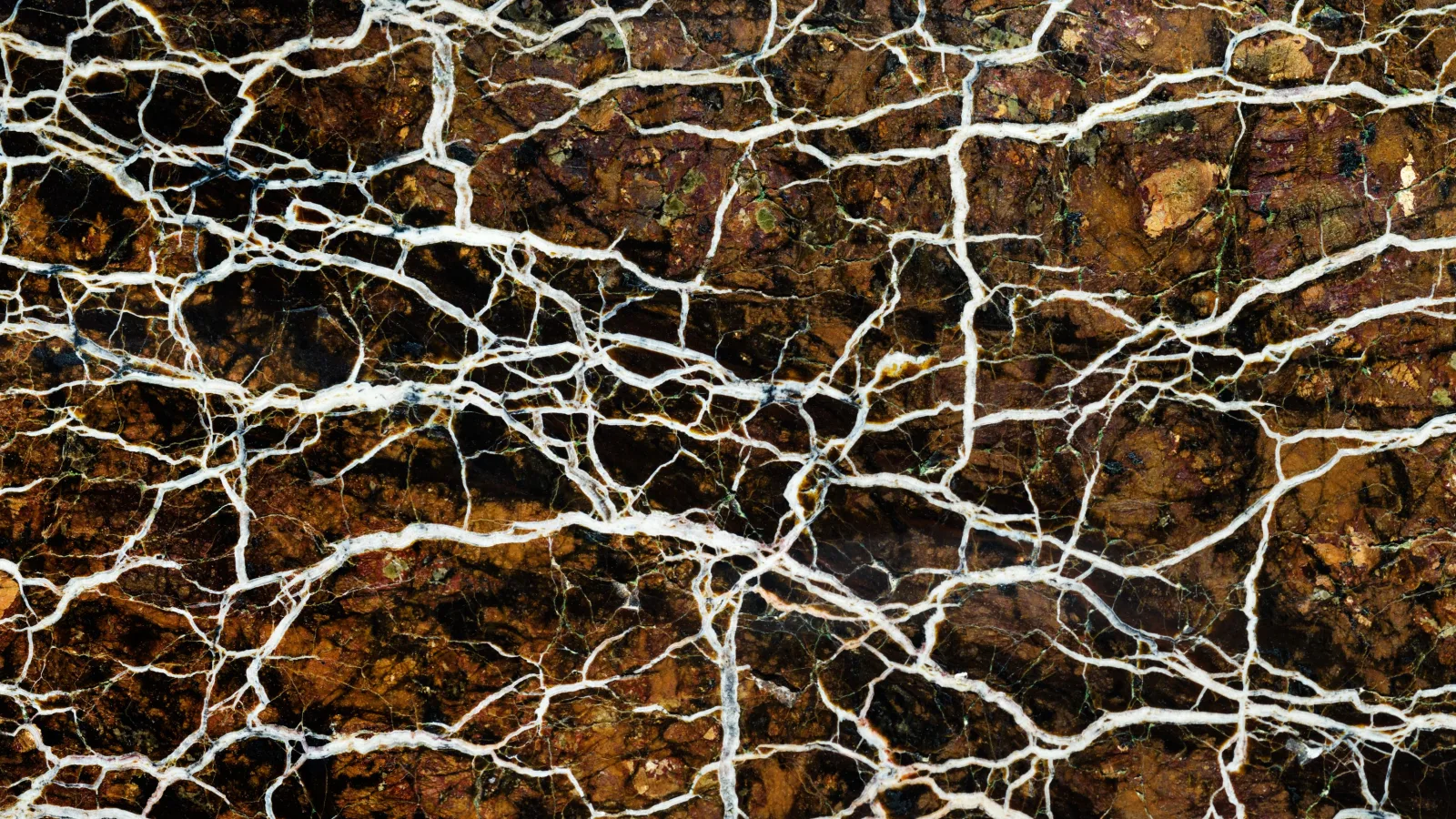
When you water your summer garden, that rich, earthy smell rising from the soil comes mainly from geosmin — a compound released by soil bacteria called actinomycetes. We tend to focus on leaves and stems, but just as much is happening underground. At the tip of nearly every plant root, hair-thin threads called hyphae attach and weave together into a dense, invisible mesh beneath your feet. An international research team has now estimated the total length of this fungal thread network for the first time. The figure: roughly 110 quadrillion kilometers.
Roots and Fungi: 300 Million Years of Partnership
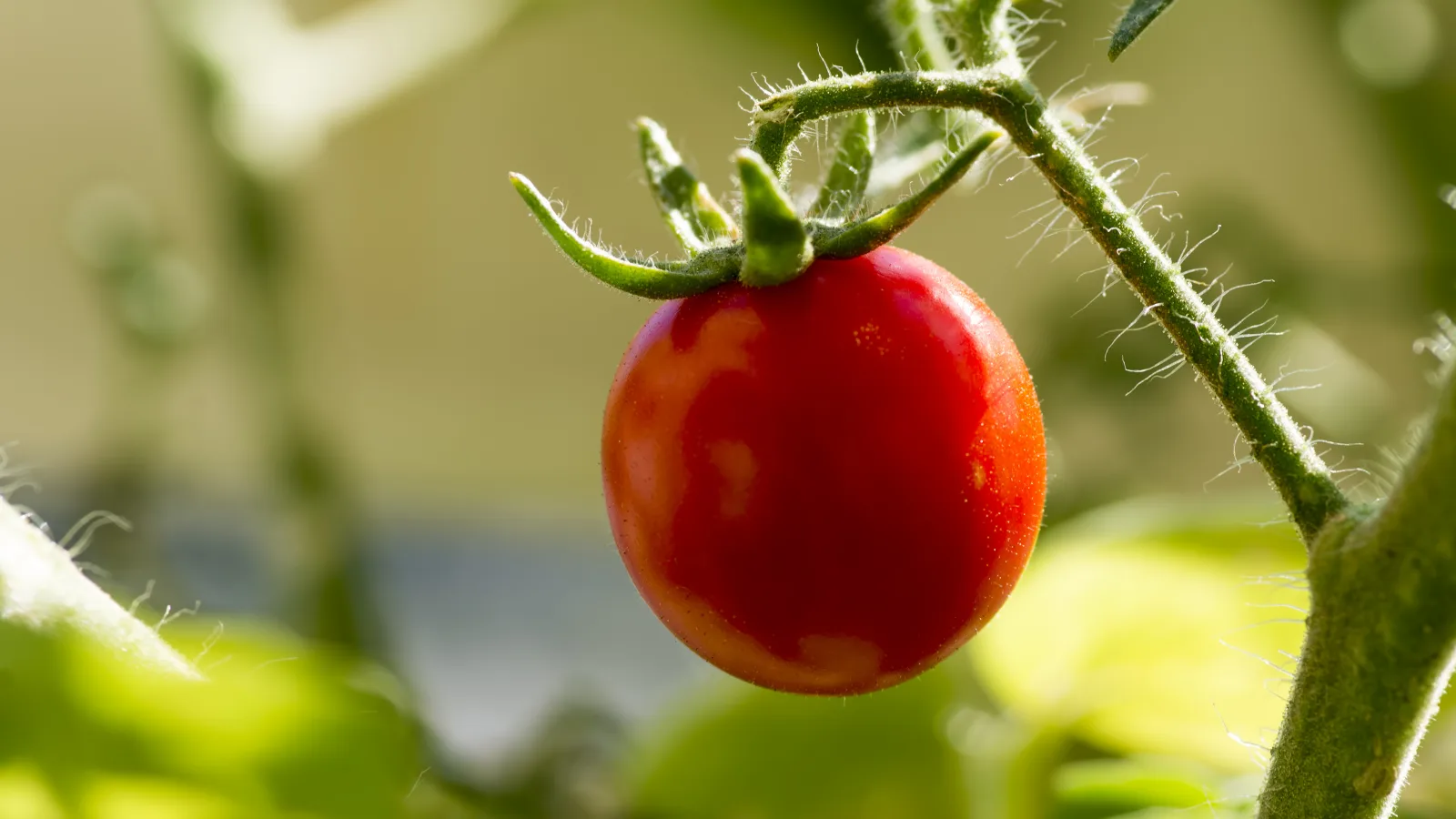
Mycorrhizal fungi live in and around plant roots, and this relationship is ancient — estimated to stretch back more than 300 million years. The arrangement is a clear exchange: plants pass along sugars produced by photosynthesis, and the fungi use their hyphal threads to pull phosphorus and nitrogen from the surrounding soil, then deliver those nutrients back to the plant. Roots alone can only reach so far; mycorrhizal hyphae extend that reach considerably, drawing in water and minerals from pockets the roots could never access on their own. Phosphorus is especially dependent on this partnership — plants receive more of it through their fungal partners than they can absorb independently. About 90 percent of all land plants form this bond. That includes the lettuce, tomatoes, and peppers in your garden. A few common vegetables — napa cabbage and spinach among them — are the exception, forming no mycorrhizal relationship at all.
How Hyphae Move Carbon Underground
According to the research team's estimates, the global hyphal network moves the equivalent of roughly 4 billion tons of CO₂ worth of carbon from plants into the soil every year. Here is how: plants send carbohydrates made through photosynthesis down through their roots to the fungi. The fungi use that organic matter to grow and maintain their hyphal threads. When hyphae die and remain in the soil, that carbon is locked in organic form. Because soil carbon directly affects atmospheric CO₂ levels, a healthier hyphal network means more carbon stays in the ground. The researchers note that this carbon-transfer pathway may not be fully reflected in existing climate models.
How to Keep Fungal Threads Alive in Your Garden
Mycorrhizal networks are active in urban vegetable gardens too — as long as we don't accidentally destroy them. Frequent synthetic fertilizer use, repeated deep tilling, and regular fungicide applications are all known to reduce hyphal density. The good news: simply limiting soil disturbance and keeping organic matter coming in is often enough for the network to recover.
- Cut back on deep tilling: Avoiding unnecessary deep digging preserves the hyphal structure, which can take years to establish.
- Spread compost or fallen leaves on the soil surface to keep organic matter available for the fungi.
- Use fungicides only when absolutely necessary. Applying them directly to soil can damage hyphae.
- If the soil around the roots dries out too much, hyphal activity slows. Cover the bed with straw or dry leaves to hold moisture in.
- When transplanting seedlings, dusting the roots with a mycorrhizal inoculant helps the fungal network get established faster.
Next time you're out in the garden, try adding a shovelful of compost to one of your beds. You won't see it happening, but beneath the surface, hyphae are quietly threading their way around every root.
Source: estimates from the international mycorrhizal network research consortium