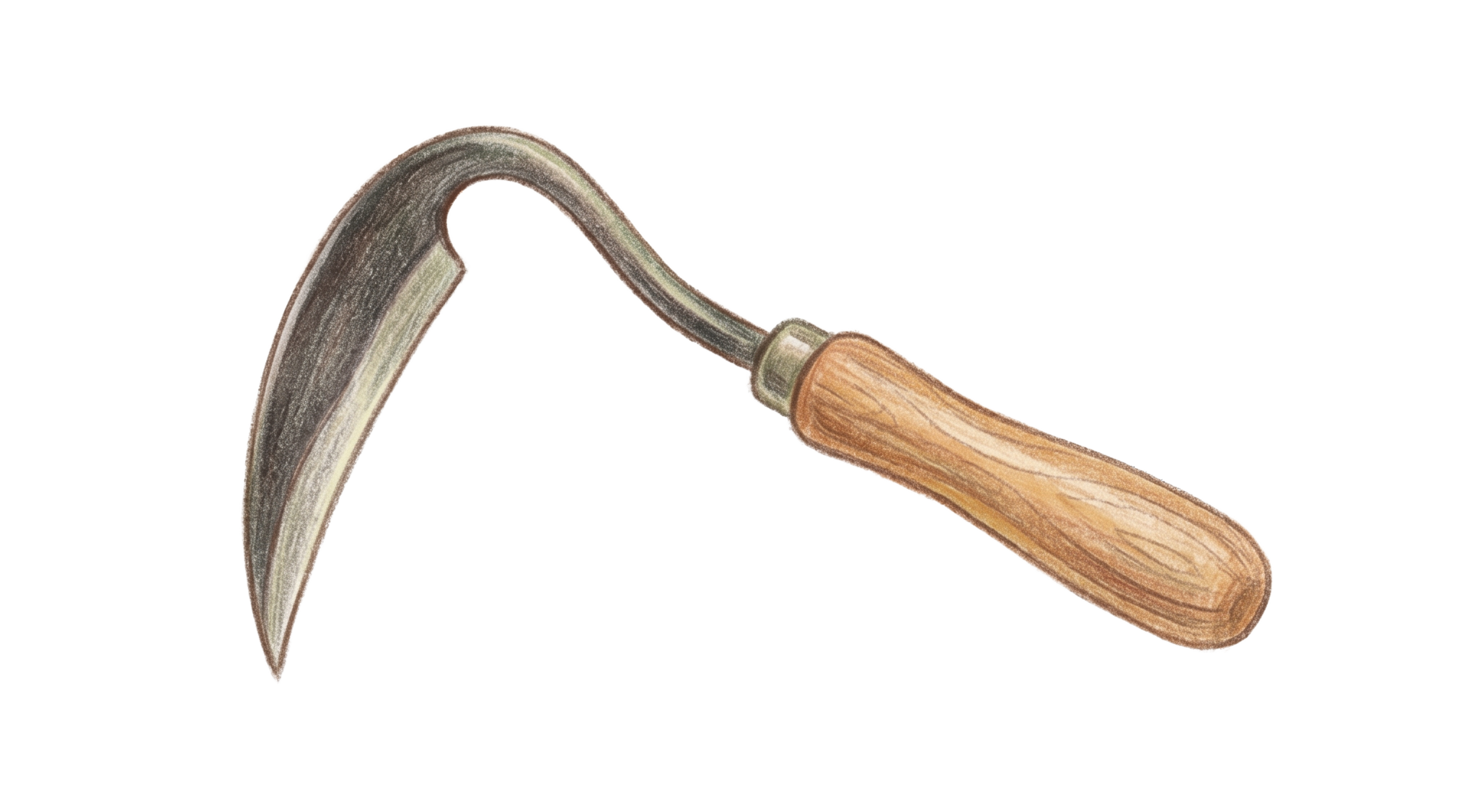
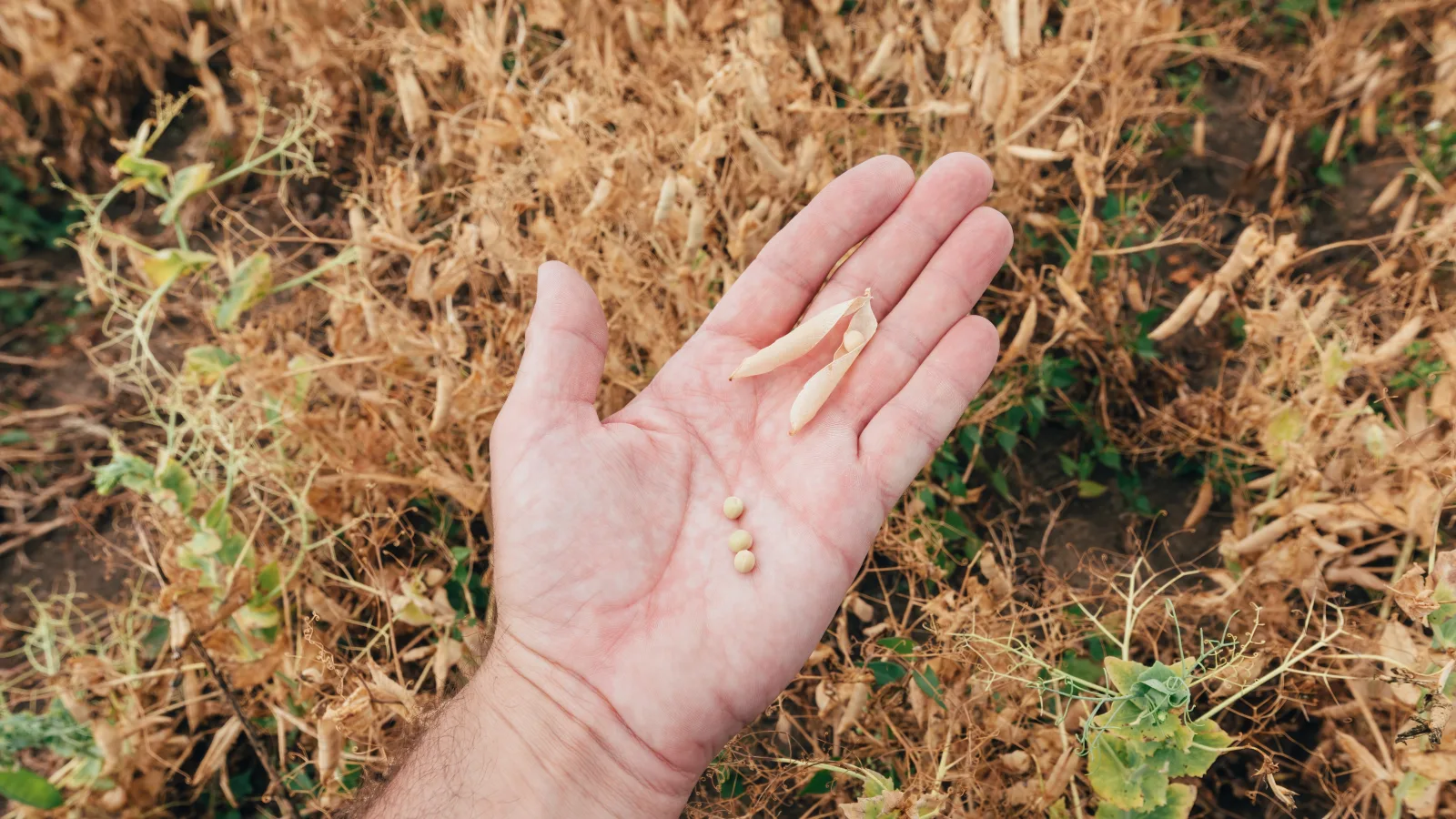
When Your Soybeans Keep Turning Yellow, Look for Nematodes in the Roots
Yellowing, stunted soybeans often point to soybean cyst nematodes, which hijack root cells into a private feeding station. Researchers are now working to shut off that supply line, and home gardeners have simpler defenses of their own.
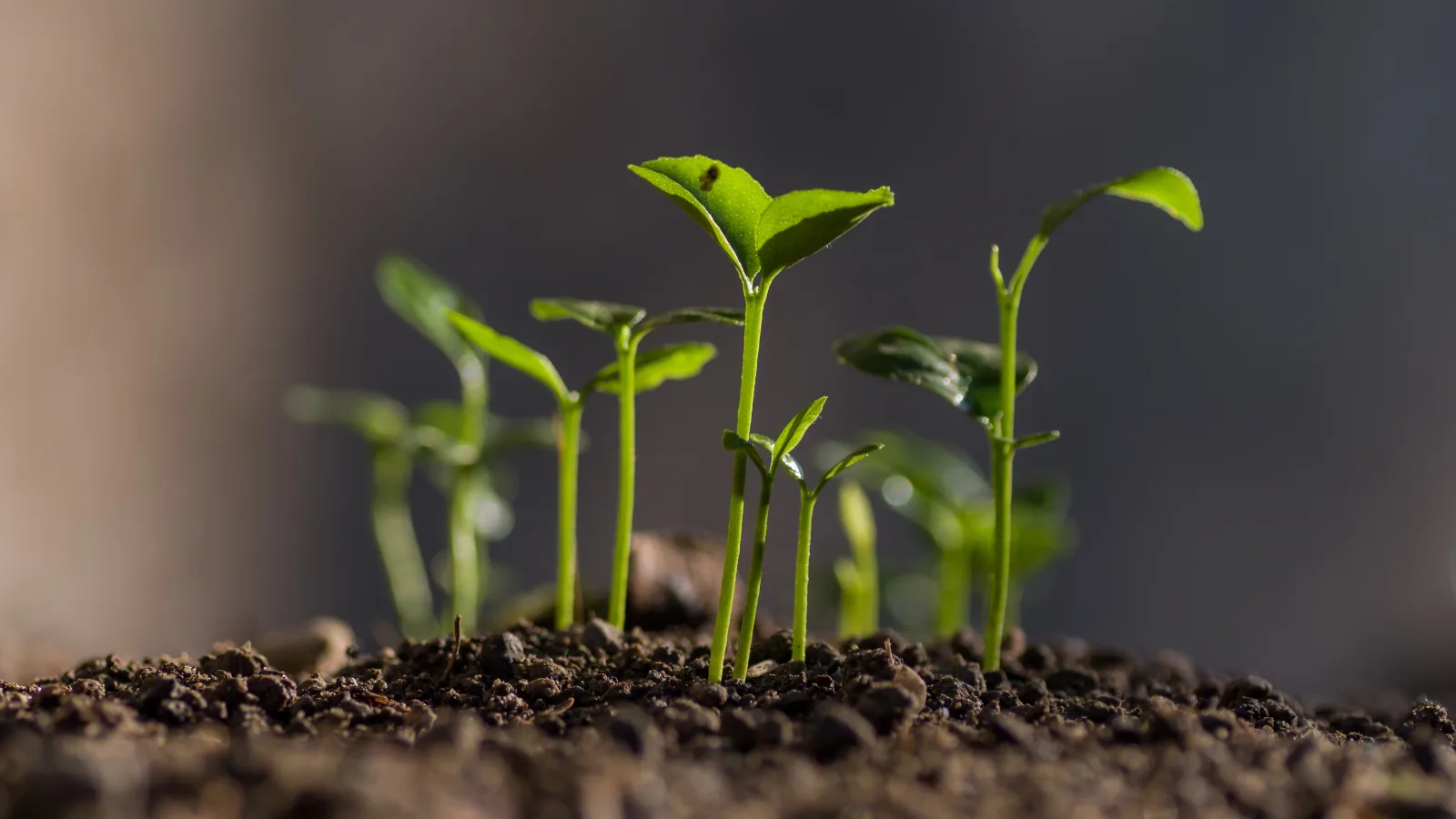
Meet the Heat-Tough Earthworm That Transforms Garden Soil
Earthworms quietly build healthy soil, but heat and drought are thinning their numbers just when gardens need them most. Here's what researchers are chasing and how you can invite more worms into your beds.
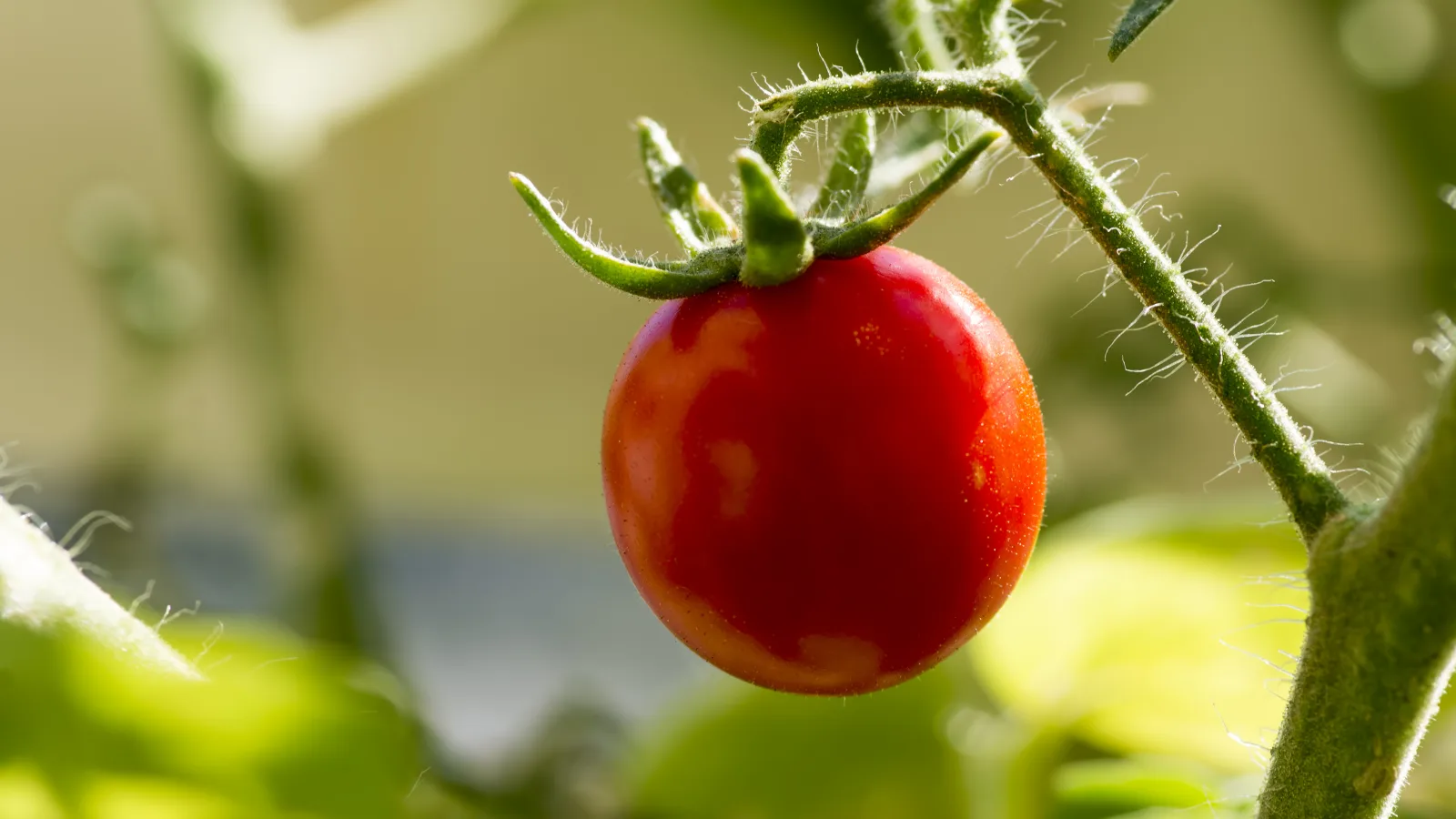
Mix Up Your Plantings, and Your Garden Holds Steady
Fill a whole row with a single crop and one bad summer, or one disease, can wipe it out. German researchers found that dividing a field, rotating crops, and planting a mix cushions both your harvest and the prices you get — and the same logic scales right down to a backyard garden.
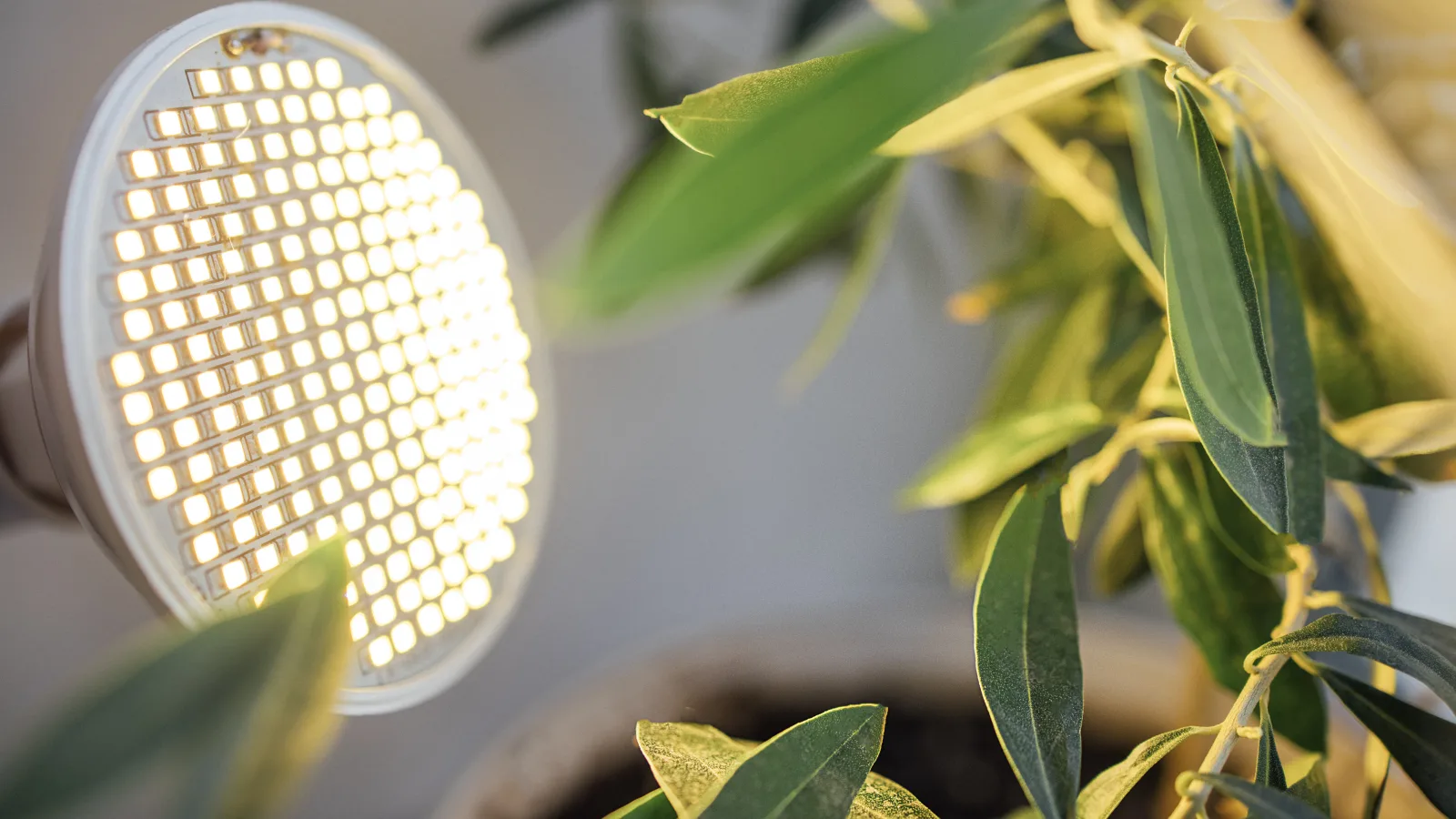
Whether Your Indoor Garden Is Actually Green Depends on Where Your Electricity Comes From
Growing lettuce on your balcony feels like an easy win for the planet—no shipping, no packaging. But researchers at McGill University found that whether indoor growing actually beats field farming on carbon comes down to one thing: where the electricity is generated.
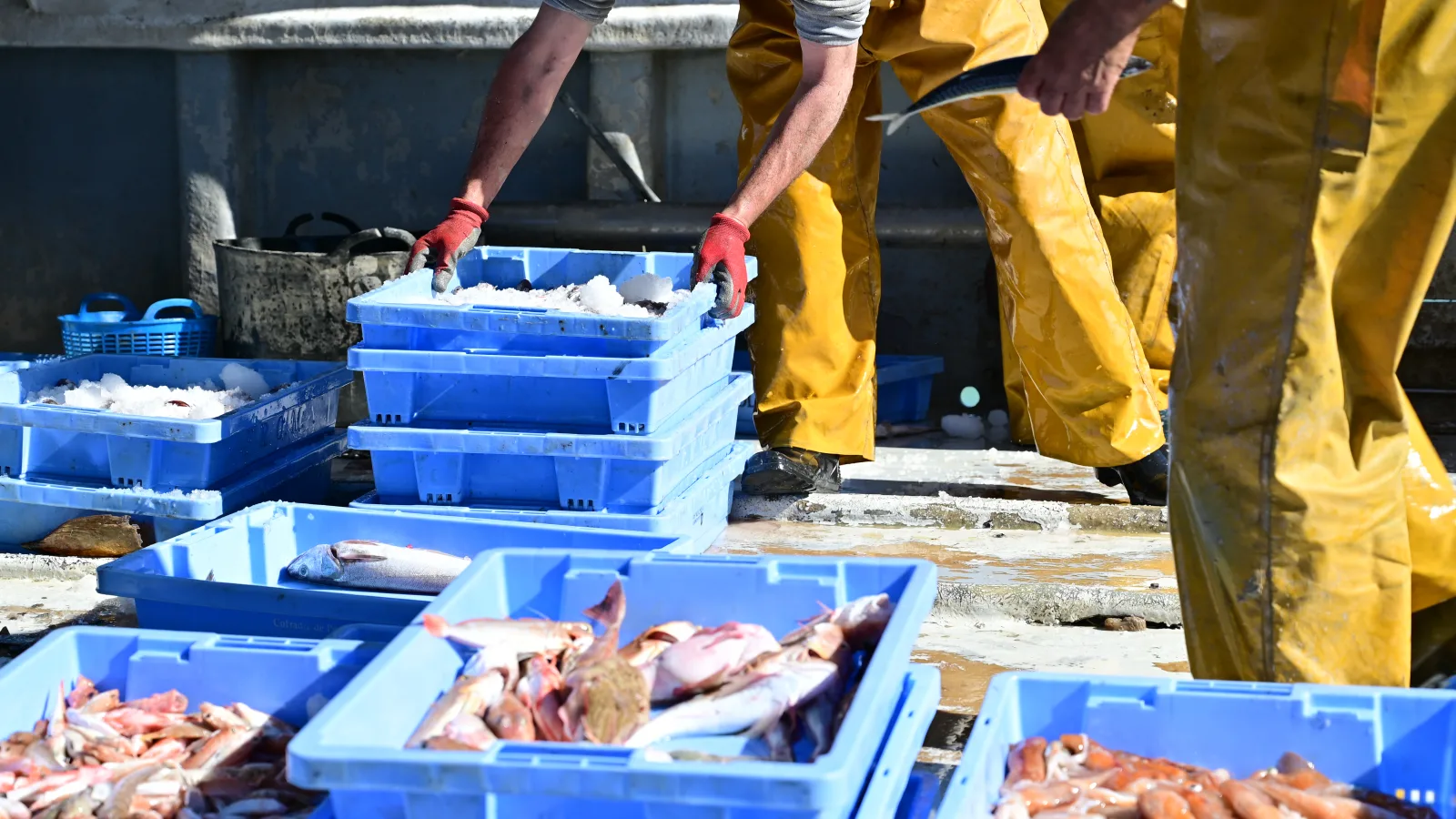
How a Single Fillet of Fish Reaches Our Hands
The vegetables we grow ourselves we know from seed to harvest, but the fish on our plate arrives with its story hidden. A digital platform called IKAN is trying to make that story visible—starting with the migrant workers who catch it.

What to Do Before Mice Move In
A mouse plague overran Western Australia's farmland after the first few mice went unchecked. Here's why mouse numbers explode so quickly — and how to keep them from ever settling into your garden.
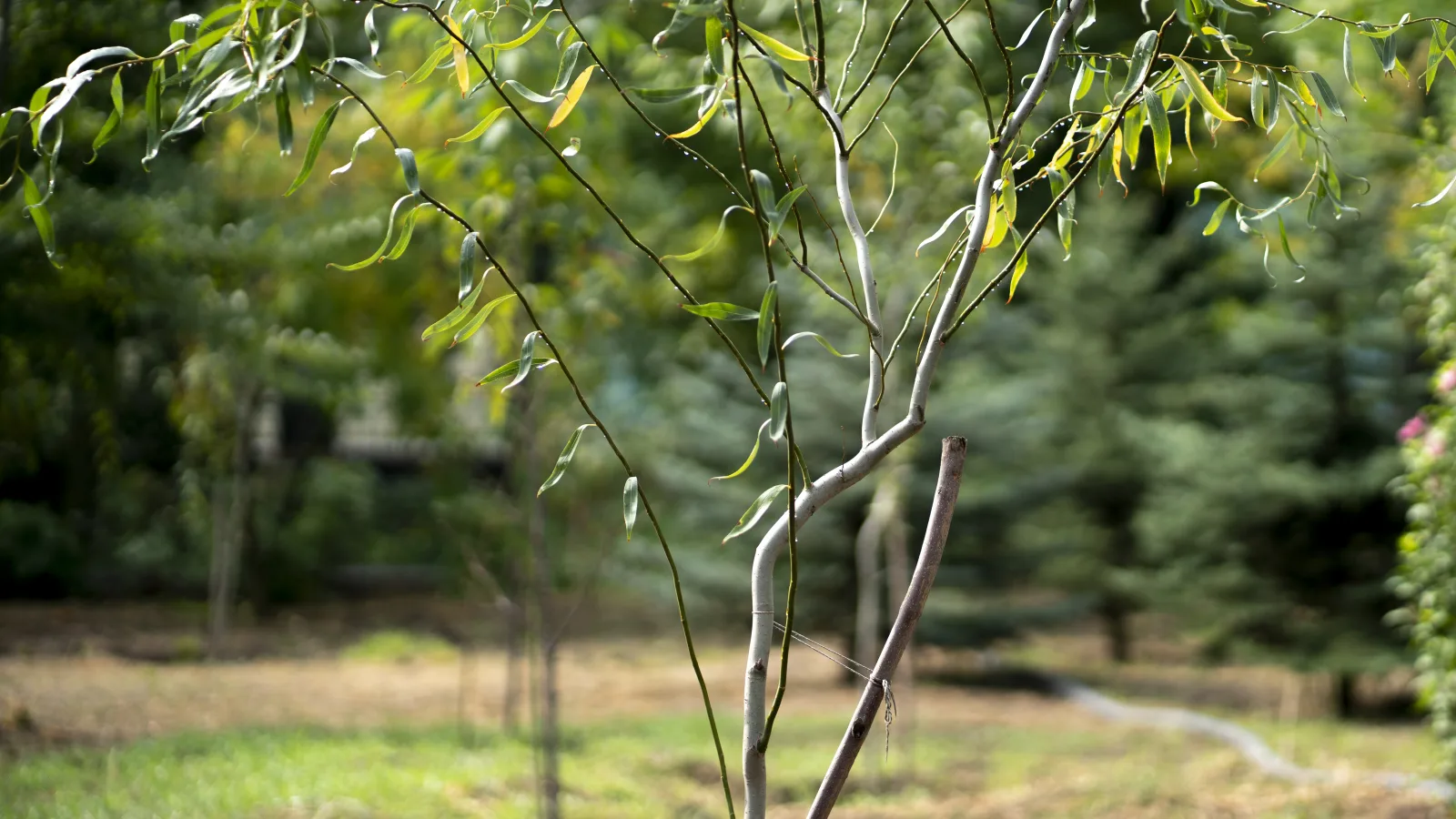
We Planted More Trees, and Fewer Birds Came
Planting trees is usually good for wildlife—but a study of Japanese paddy wetlands found that shelterbelts can crowd out grassland birds, cutting their numbers by more than 70%. Before you plant, take a look at who already lives on the land.
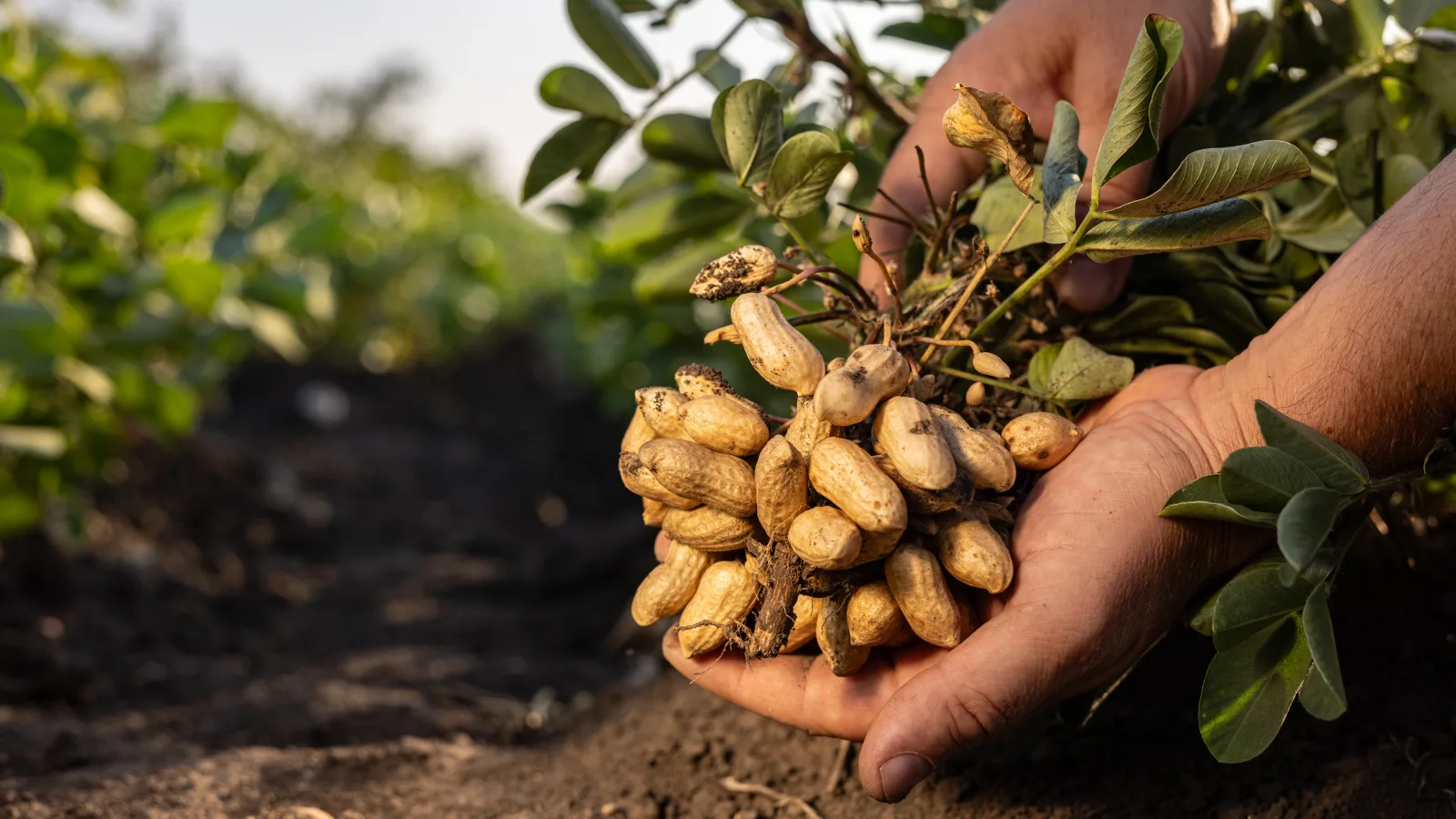
The Peanut Genome Has Been Fully Decoded for the First Time
An international team has decoded the entire peanut genome for the first time, untangling a large, complex code that formed when two wild species crossed long ago. The breakthrough promises faster breeding of hardier, safer varieties—plus a good reason to grow a few plants in your own garden this year.
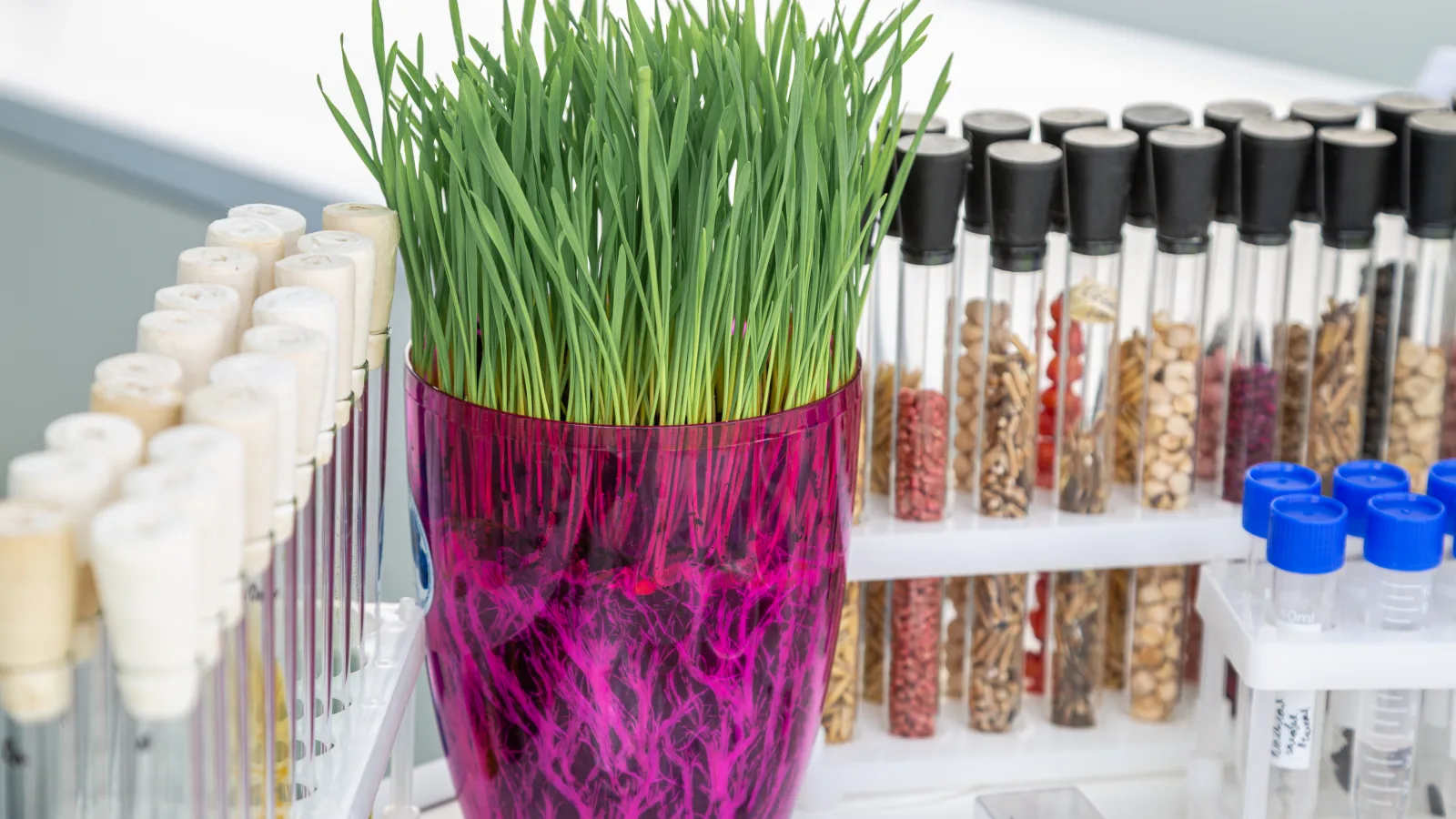
A Glow in the Leaf: Finding Clues to Better Crops, Faster
A new lab technique makes plant leaves glow to reveal which genes to edit, cutting the search time behind crop improvement. Here's what it could mean for the varieties you grow at home.
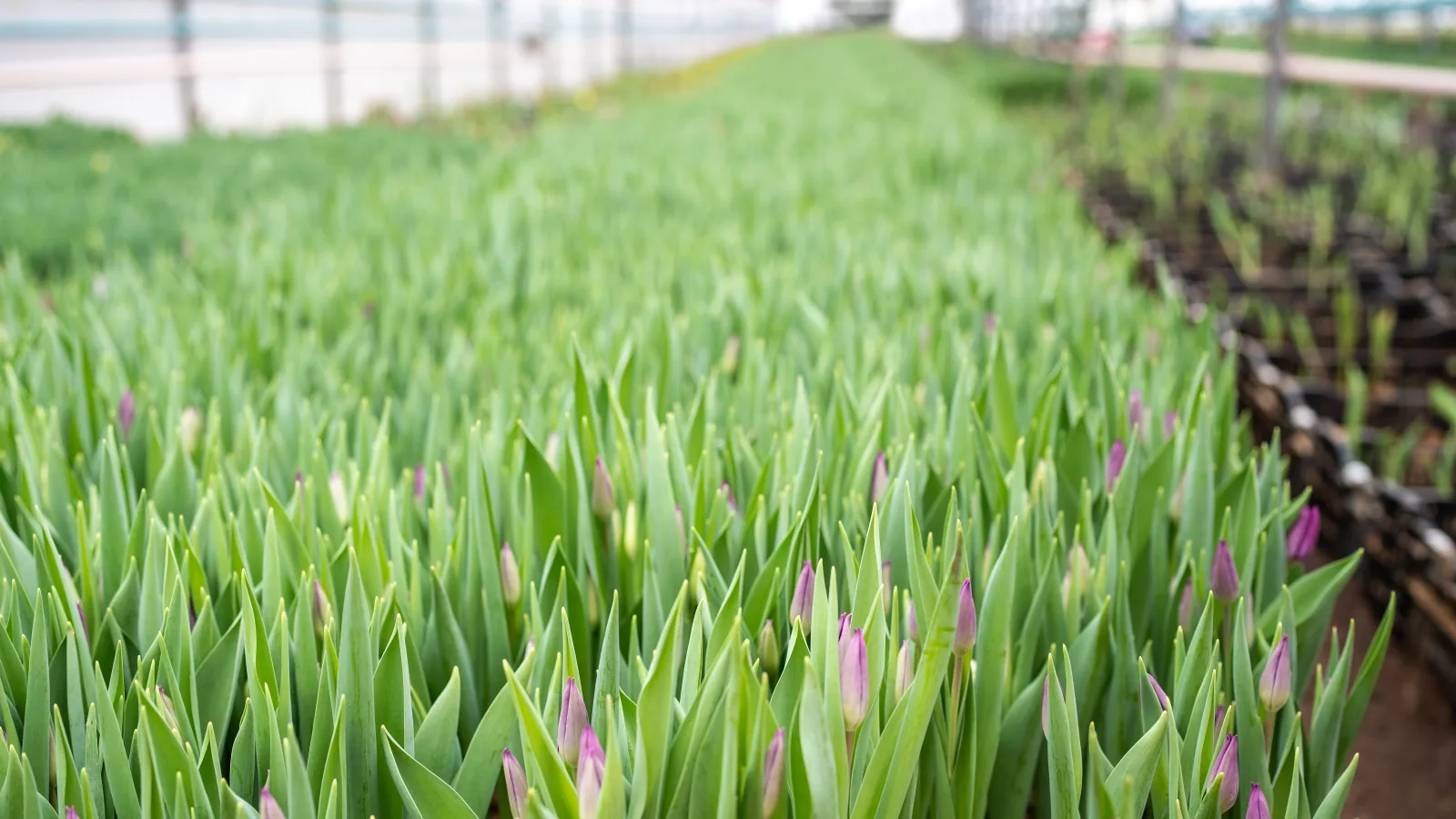
The Netherlands, Export Powerhouse — Until You Look at the Dinner Table
The Netherlands ranks as the world's second-largest food exporter, but a Wageningen University study that counts calories, protein, farmland, and feed — imports included — finds its real contribution to the global food supply is far smaller than its reputation. A balcony garden makes the same point: what actually reaches your table can differ from the headline numbers.
A New Way to Cut Grain Pests, Borrowed From a Familiar Fermentation Microbe
Researchers are testing a gentler way to fight the beetles that infest stored grain: using a well-known fermentation bacterium to switch off a single pest gene, without spraying chemicals on the food you eat.
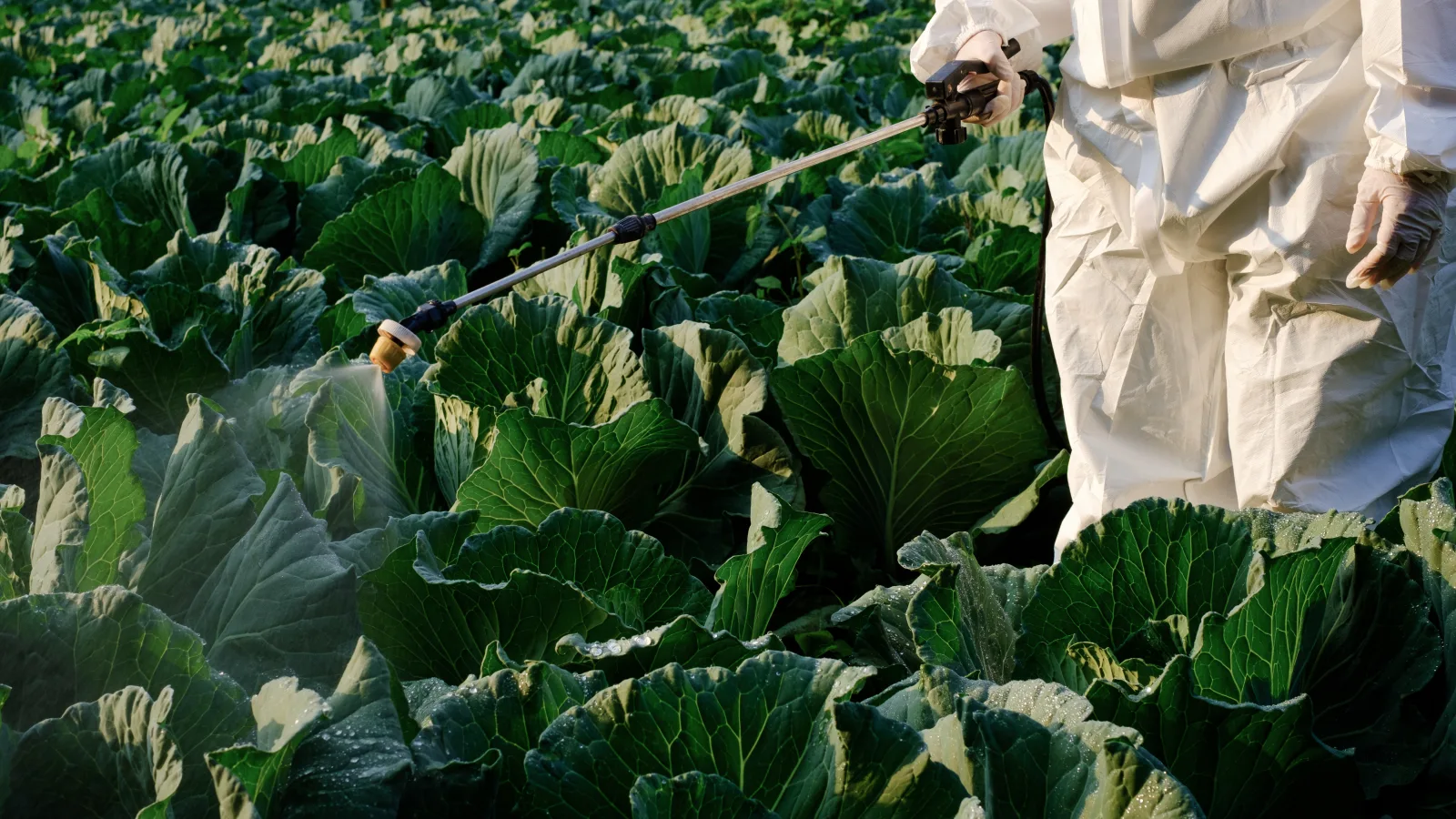
The Pesticide Rollback Debate: What European Scientists Are Warning About
The European Commission wants to streamline how pesticides are approved, but a group of independent scientists warns that faster paperwork could quietly weaken the science that keeps our food safe. Here's why it matters, even at a Korean dinner table—and what you can control from your own garden.
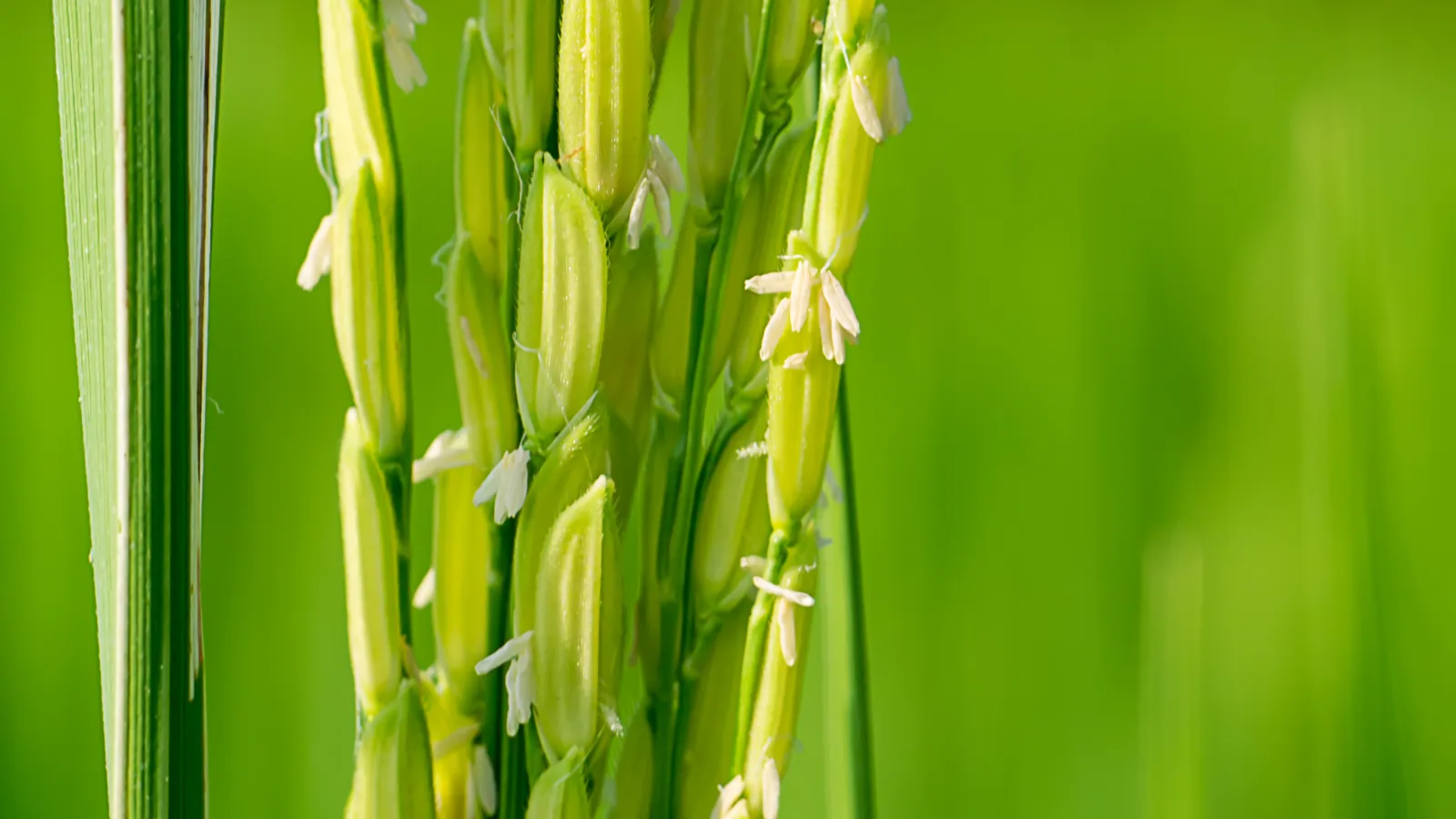
Why Rice Blossoms Chose the Dawn
A rice flower stays open for two hours at most, and rising summer heat is wrecking pollination inside that window. Scientists have found a gene, EMF3, that lets the plant bloom at dawn — before the temperature turns hostile.
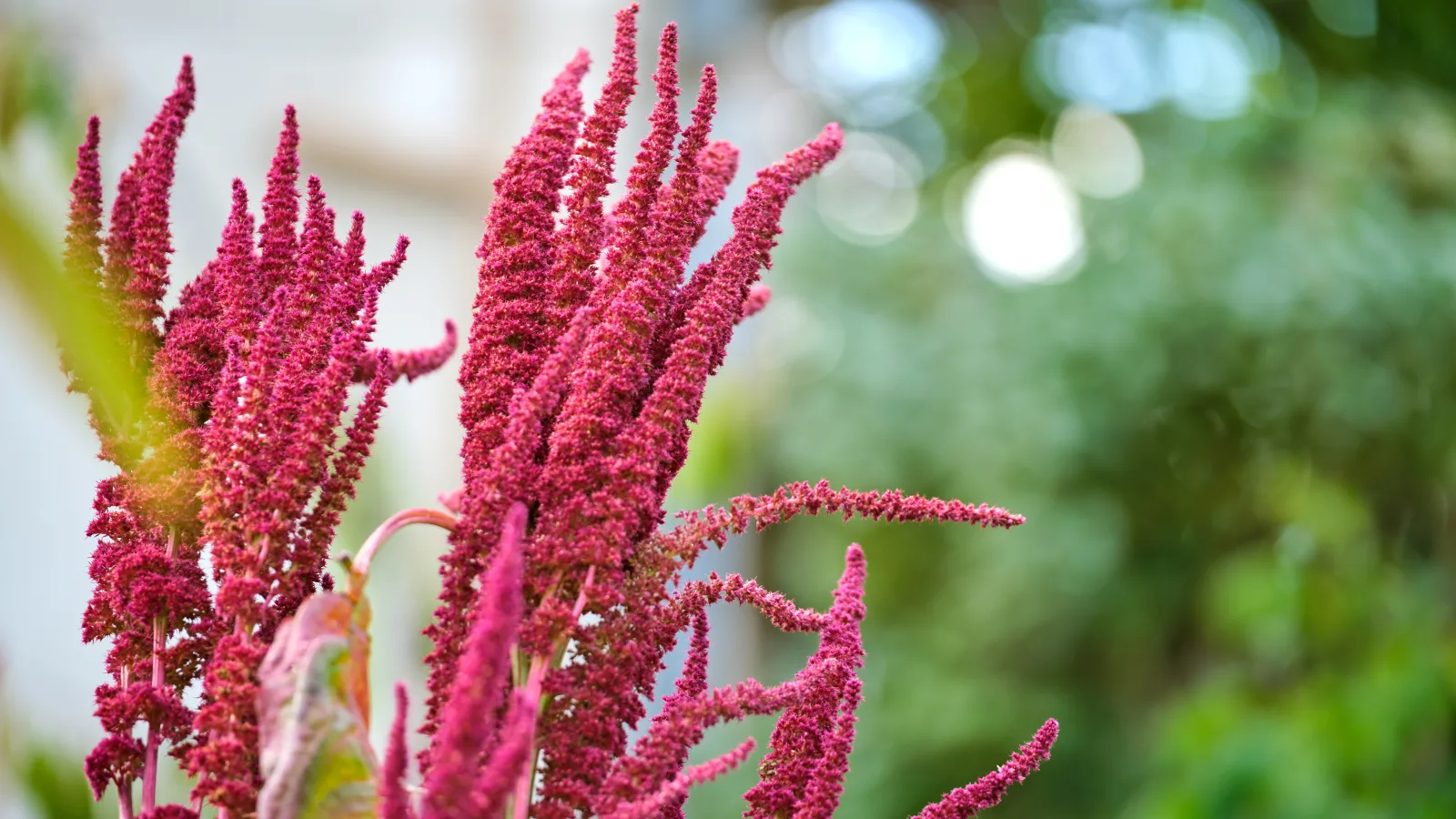
Amaranth: The Leafy Green That Thrives in Scorching Heat
When summer heat sidelines lettuce and spinach, amaranth steps in — a fast-growing, sun-tough leafy green that Rutgers University researchers found to be rich in iron, calcium, and protein. Here's how to grow it and put it to work in the kitchen.
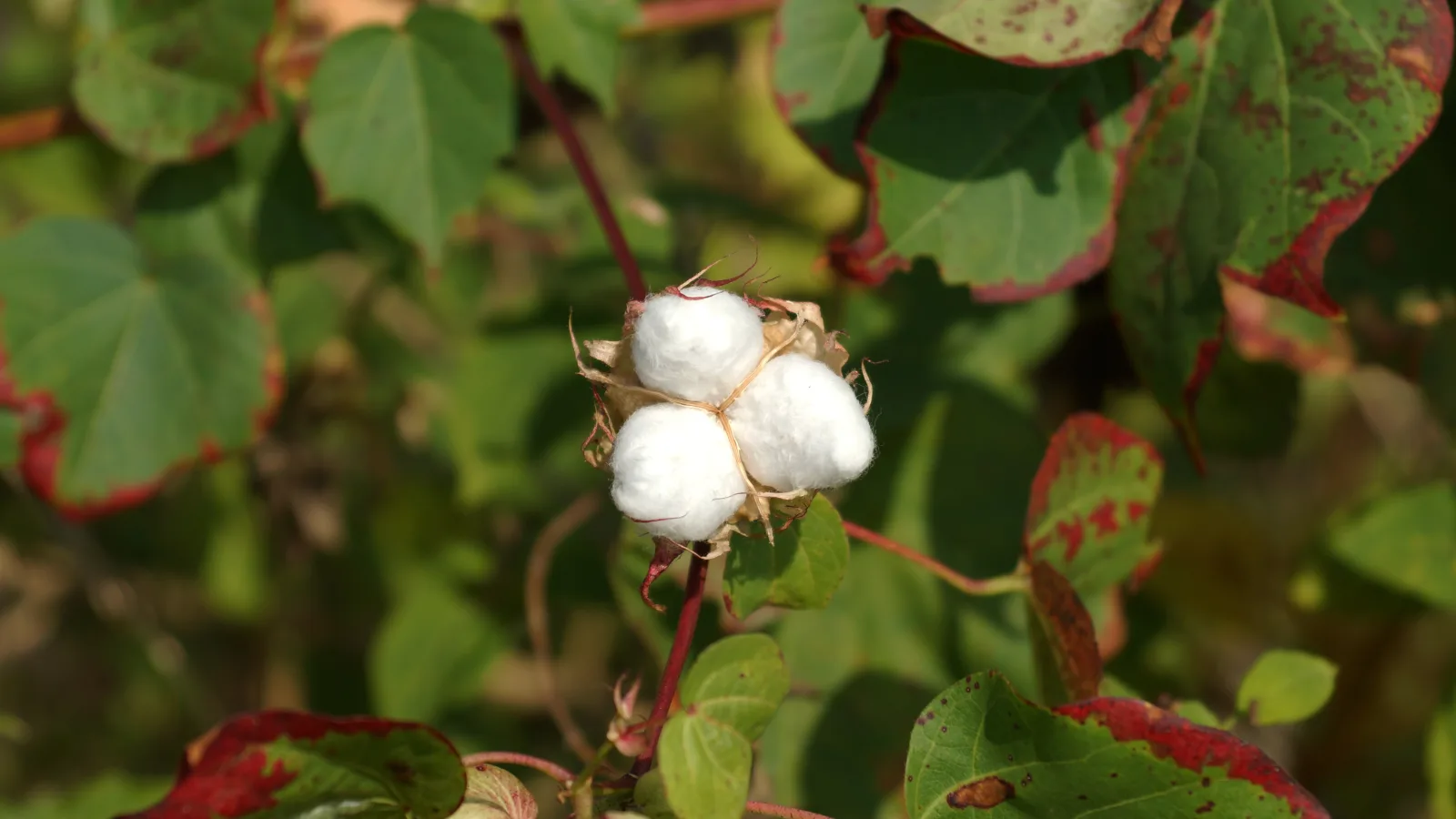
How Cotton Fights Back
Bacterial blight can quietly devastate a container-grown cotton plant, spreading from leaf to boll before most gardeners notice. New resistance-mapping research is helping breeders—and backyard growers—get ahead of the disease.
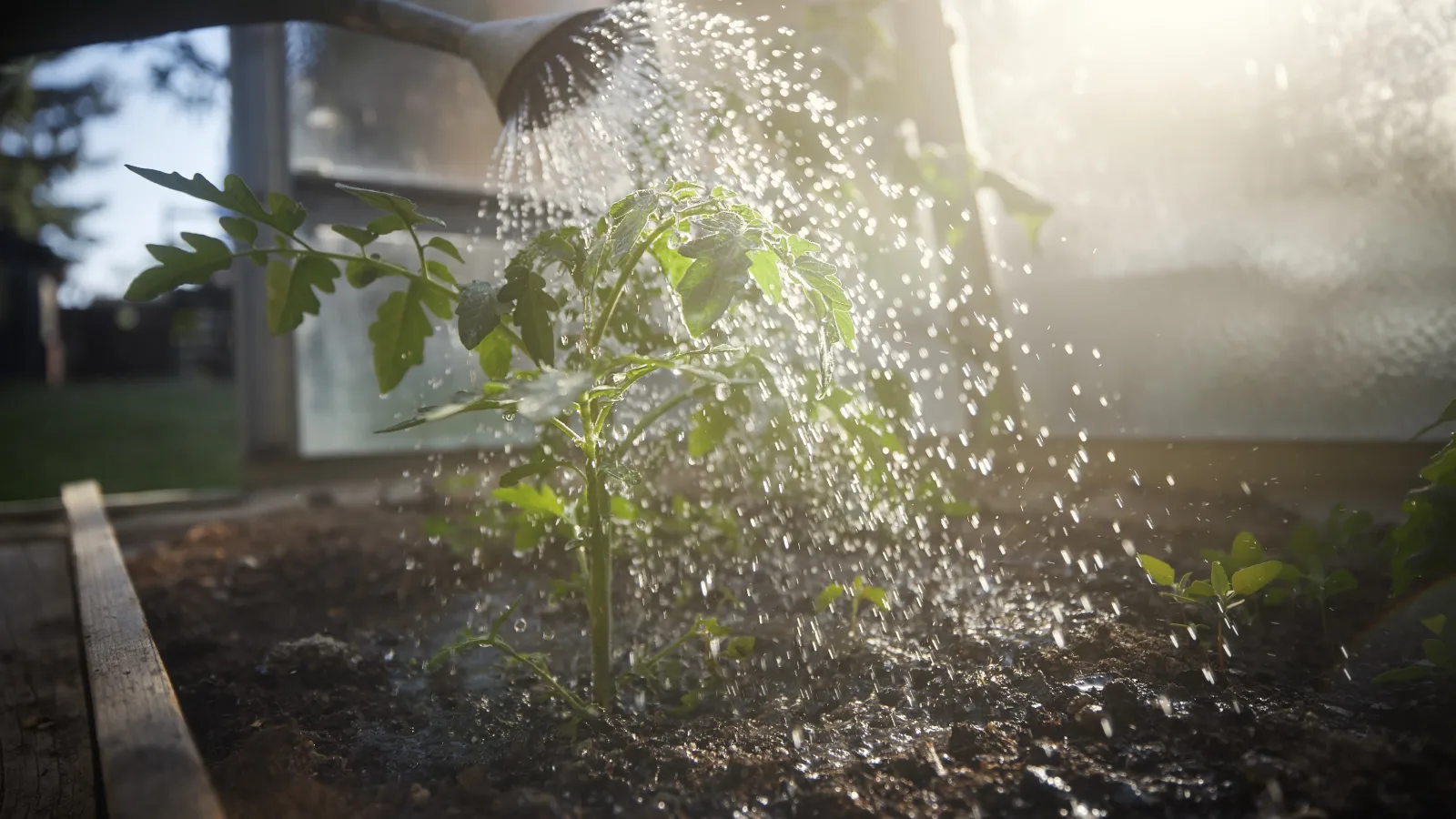
Why Leaves Keep Working Through Heat and Dry Air
A new study from Australia's ANU reveals that heat and dry air stress plants in distinct ways. Knowing the difference can help you water and shade your summer garden far more effectively.
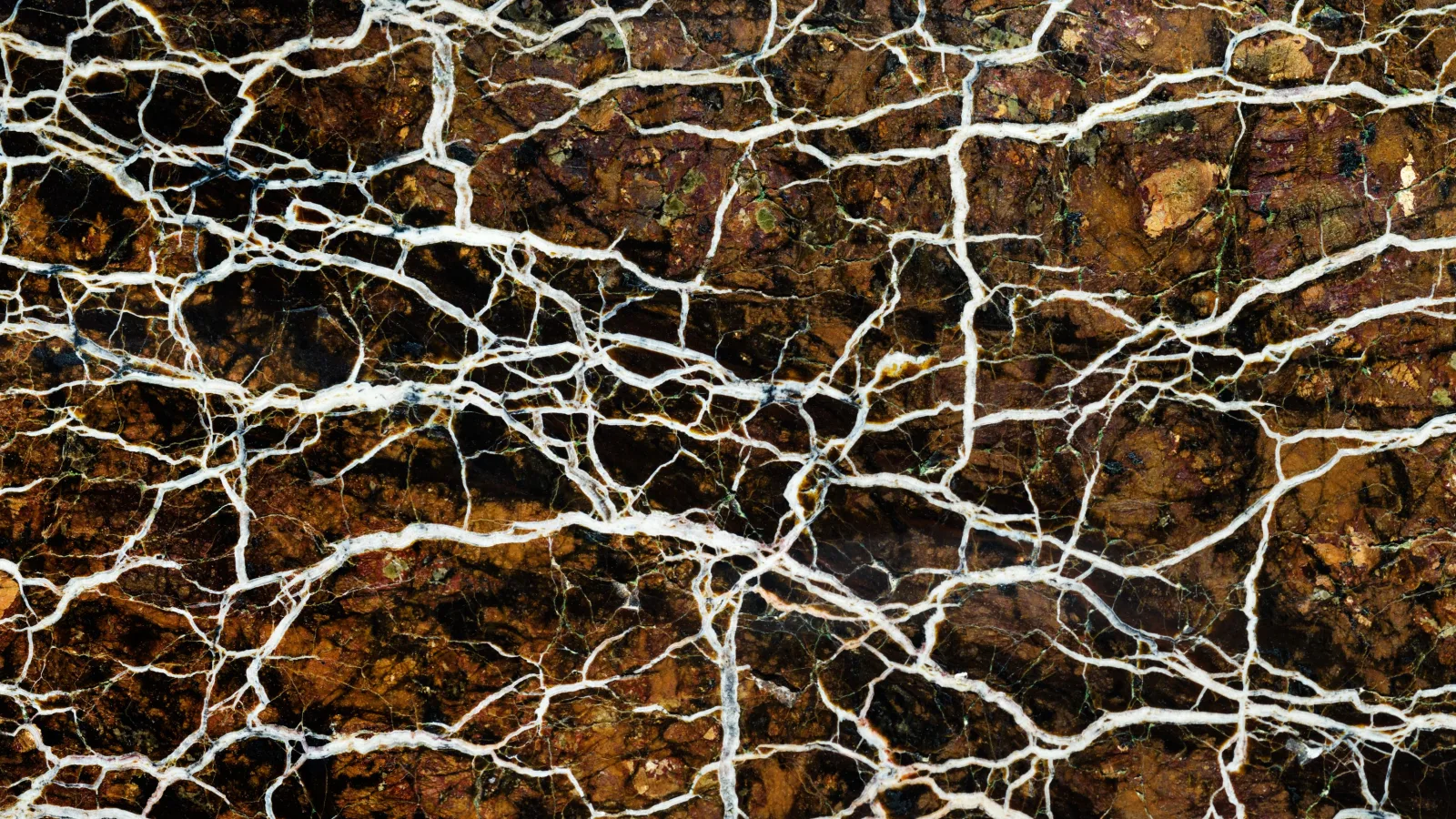
Beneath Your Garden Bed, Fungi Are Feeding Your Plants
An international research team has estimated the total length of Earth's mycorrhizal network for the first time — roughly 110 quadrillion kilometers of invisible fungal threads that feed nearly every plant on land, including the ones in your garden.
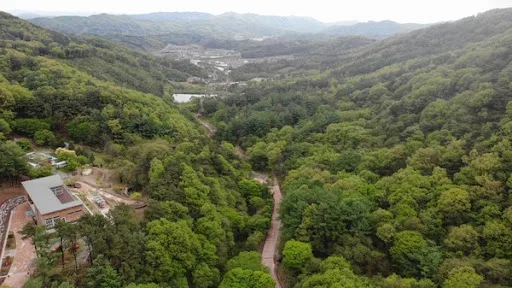
A Garden That Gets Little Hands Dirty
A season-long garden program in Gyeryong City showed what a few pots of soil can do for young children — and why every family can easily try it at home.
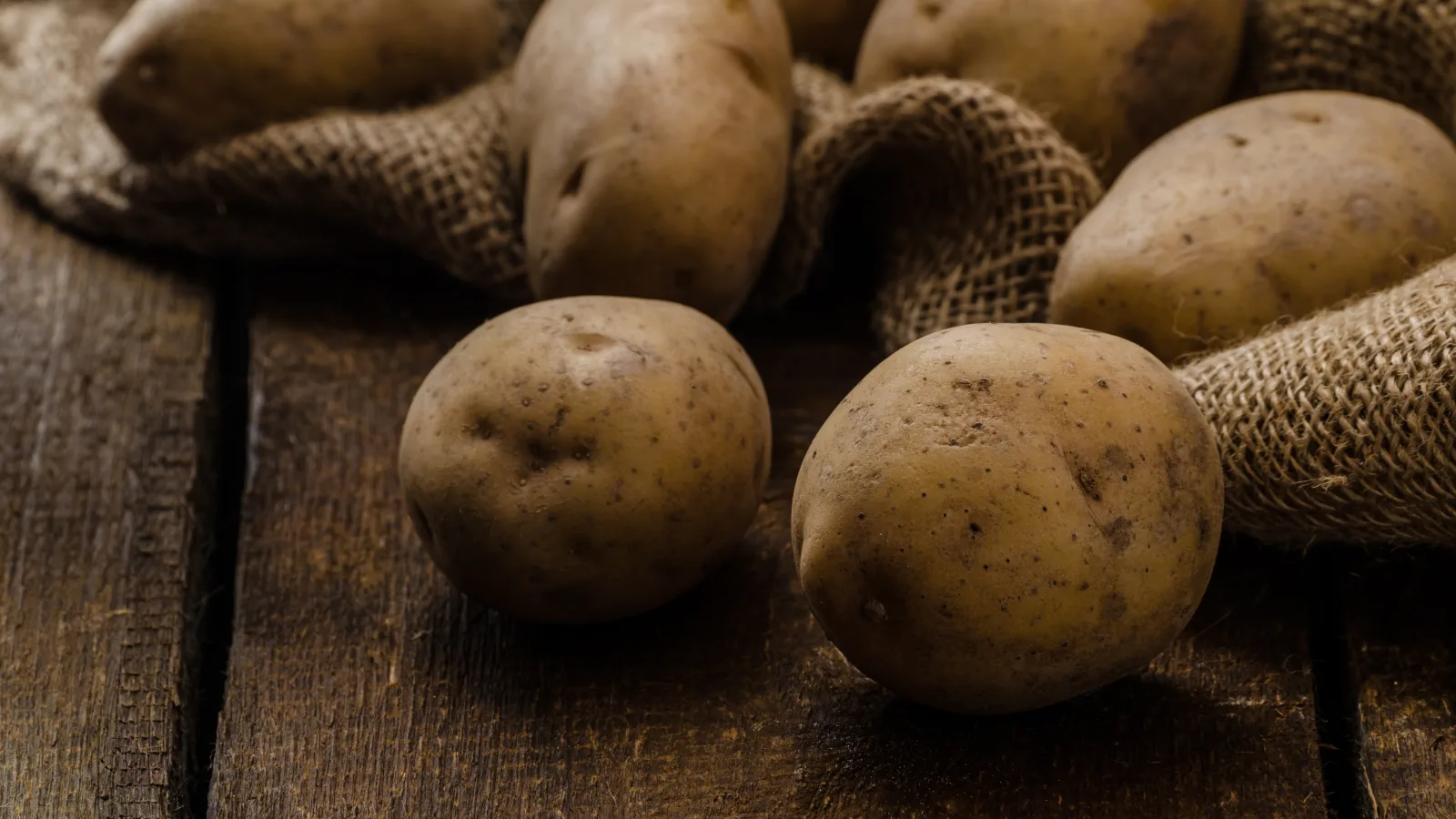
800 kg of Garden Potatoes, Headed for a Neighbor's Table
A community garden in Daejeon donated 800 kg of homegrown potatoes to a local food bank, sending the season's harvest to families in need. Here's why potatoes make such a good crop to share, and how you can pass along your own garden surplus this summer.
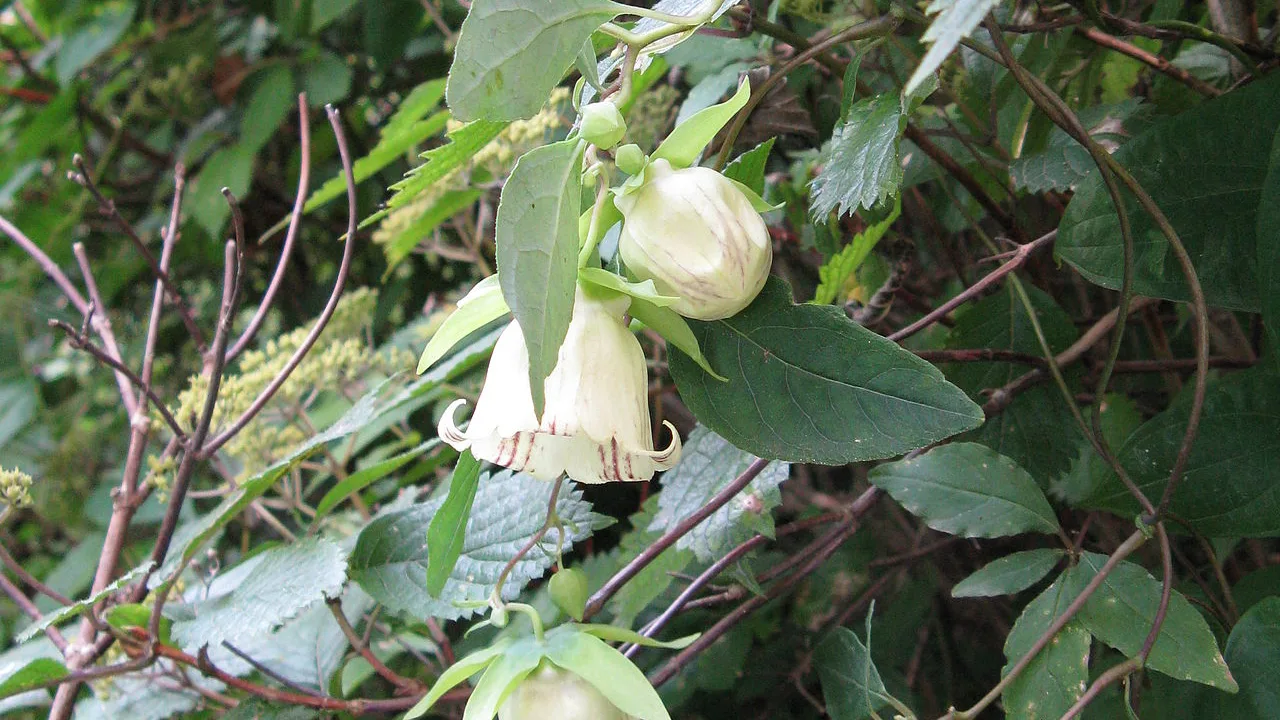
A Single Deodeok Vine on the Balcony, Fragrance and All
Sow deodeok (a bellflower-family root prized in Korean cooking and traditional medicine) in a deep balcony pot, give it a stake to climb, and enjoy its scent for two or three seasons until the roots are ready to harvest.
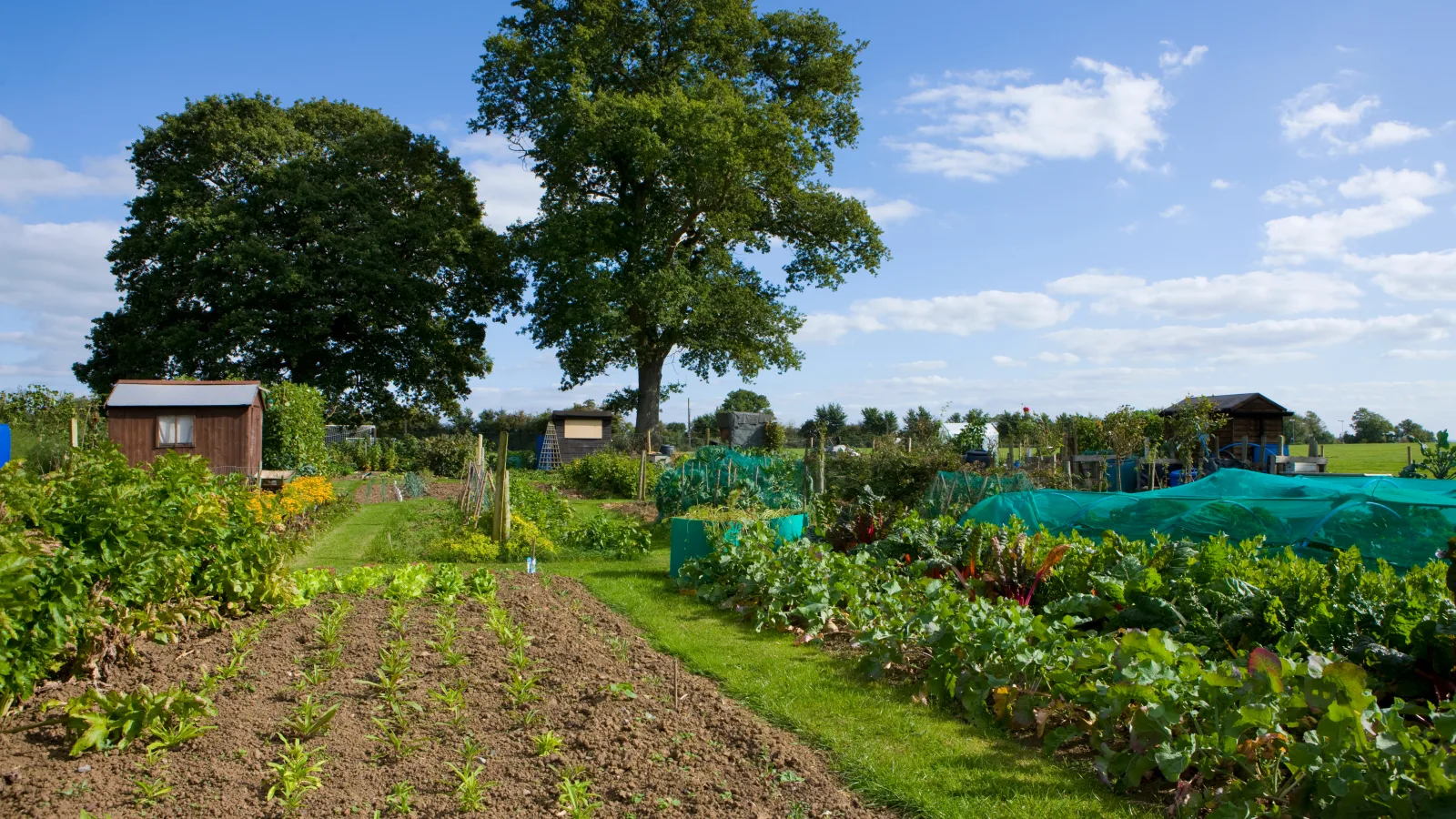
Touching Soil in the Heart of the City: The 'Green Pause'
Urban gardening doesn't require a field—just a few pots, a sunny window, and a little patience. Here's how to start small with lettuce, cherry tomatoes, and basil, and turn ten minutes in the soil into a daily breather.
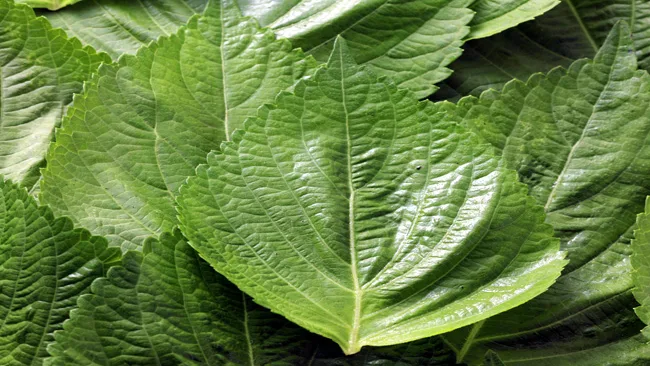
Perilla Grows Back as Fast as You Pick It
Perilla is a crop that grows back as fast as you pick it. Harvest from the bottom up, pinch the growing tip once at five or six nodes, and you'll be gathering tender leaves all summer long.
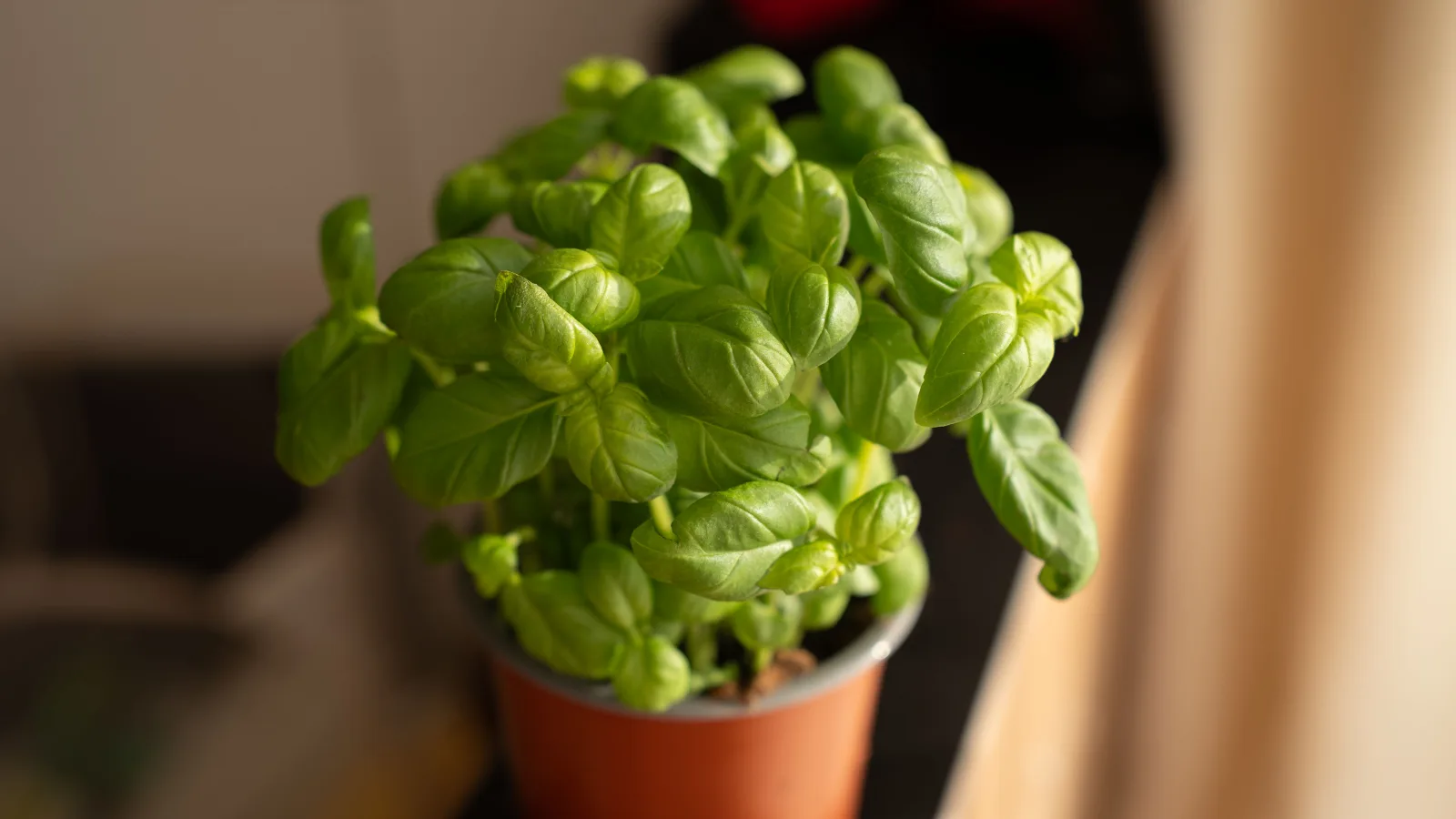
Growing Basil in a Balcony Pot: Start in May and Enjoy the Scent Right Through Fall
Starting basil from a seedling in May sets you up for fragrant leaves from June through October. With sunlight, steady watering, and regular pinching, a single balcony pot delivers fresh harvests all season.
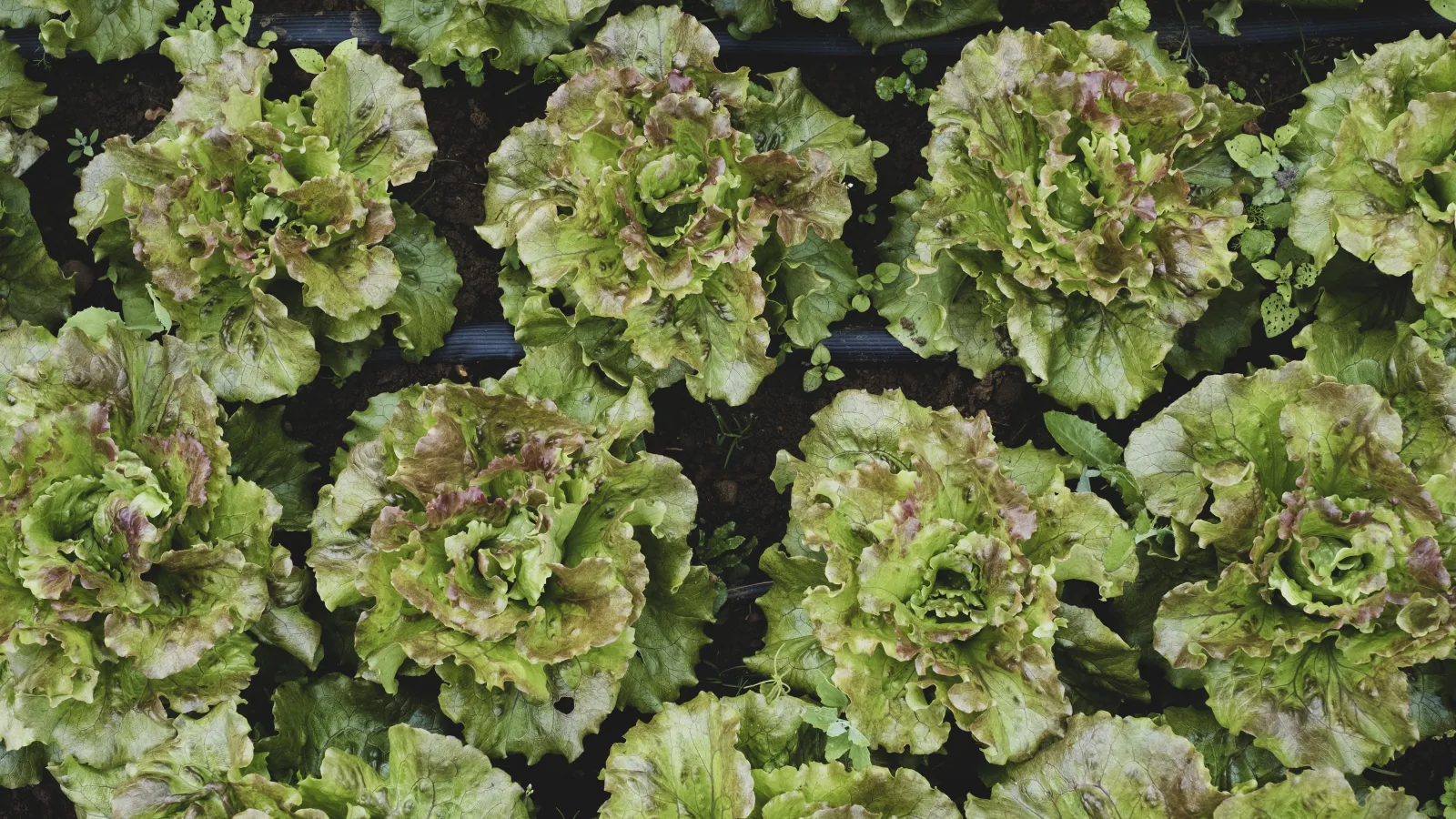
Lettuce in a Jug of Water: A Hydroponic Kit From Seed to Supper
A simple hydroponic kit lets you grow leaf lettuce on the balcony with nothing but water, a small pump, and a bit of light. It's the most foolproof first crop for a city gardener, and a sleep-friendly green on top of that.
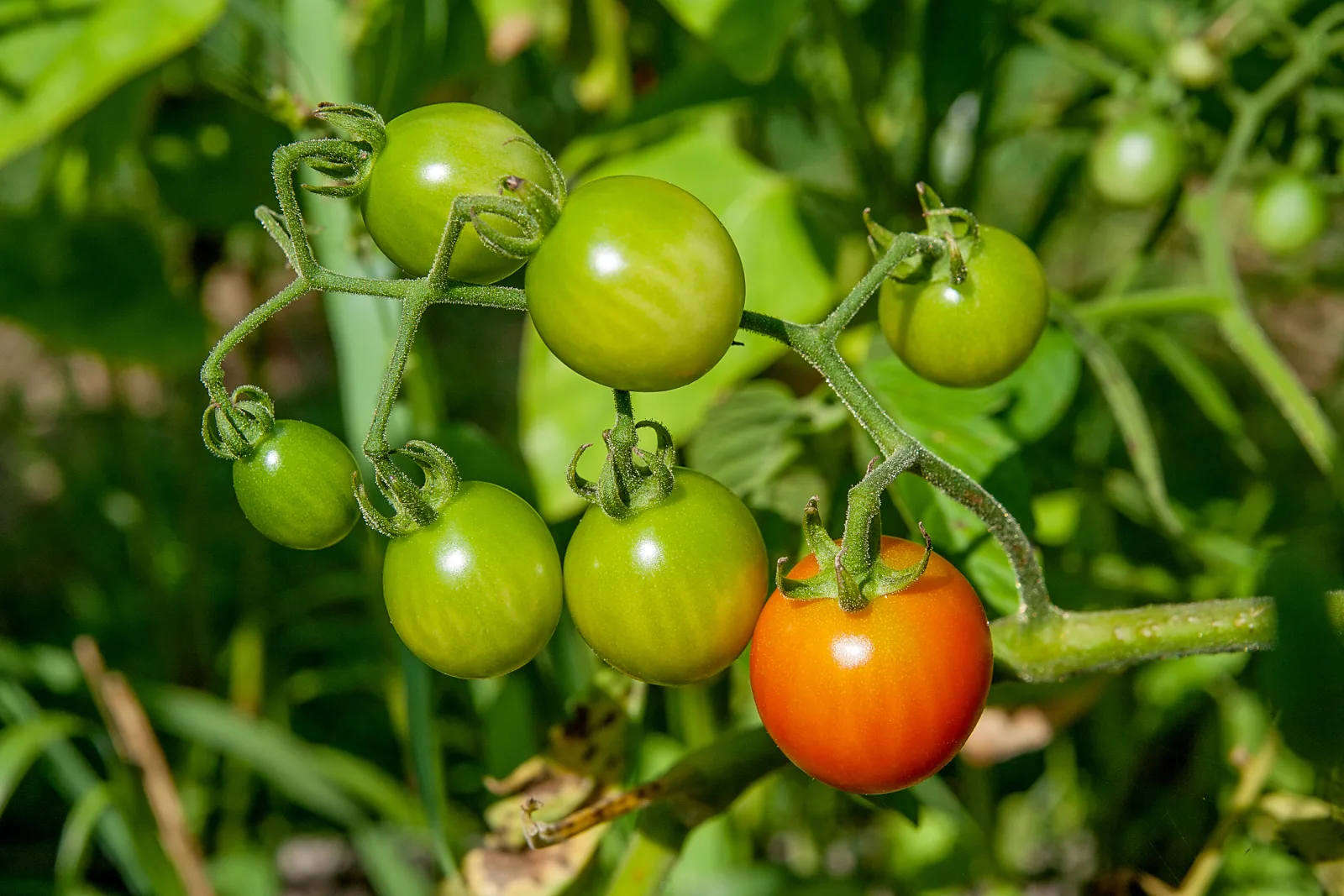
Growing Cherry Tomatoes: One Balcony Pot Is All You Need
Cherry tomatoes are the easiest fruiting vegetable to grow in a single pot, going from a spring seedling to ripe red fruit you pick all summer long. Here's how to plant, pinch, water, and enjoy them right from your balcony.
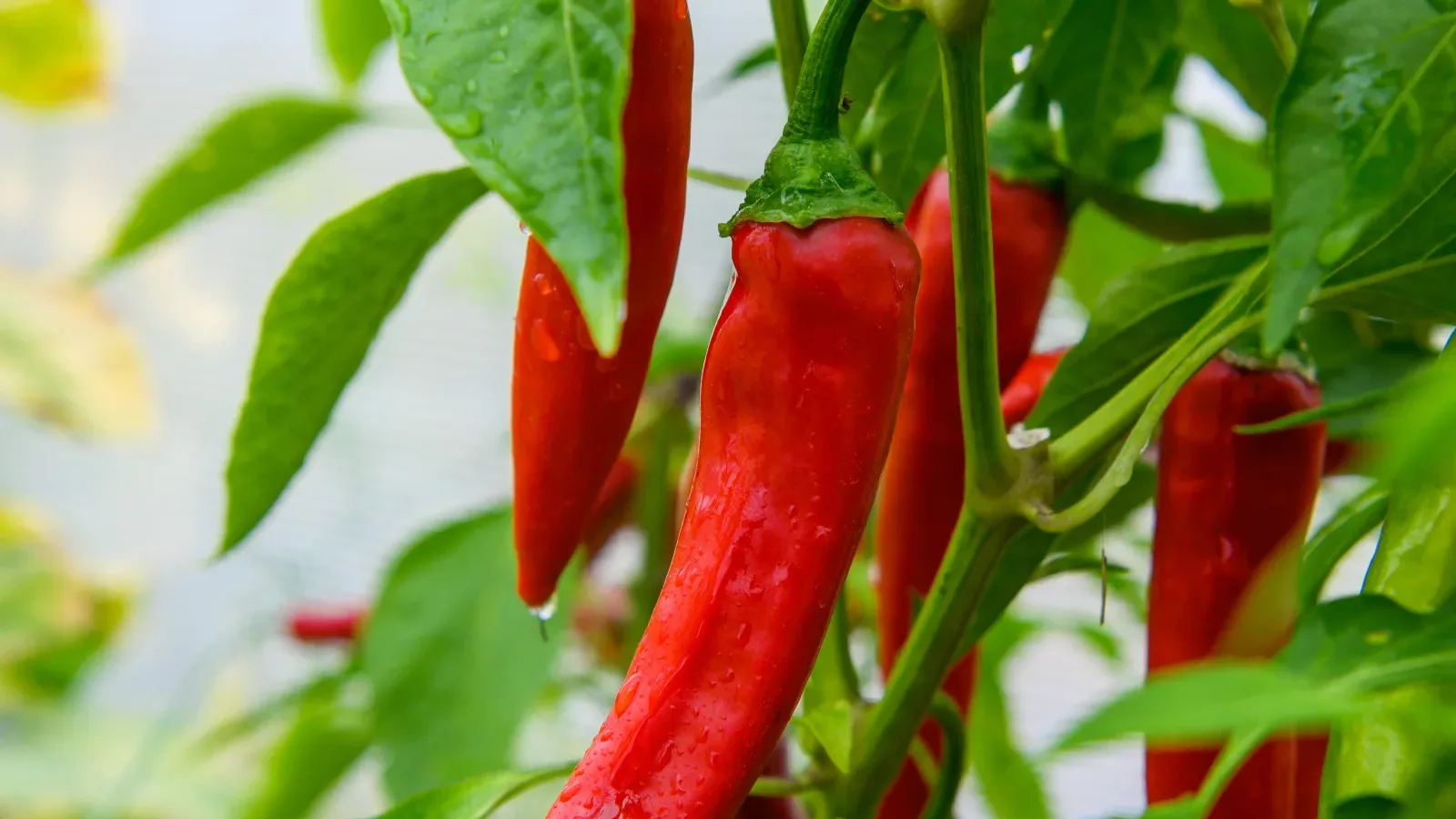
Pepper Anthracnose: Check the Undersides of the Leaves Before the Rain
As June arrives, the rains grow frequent over the pepper patch. Anthracnose doesn't strike suddenly after a long wet spell. It settles onto the leaves and fruit and waits, which is why a quick look underneath the leaves on a clear day can save the entire crop.
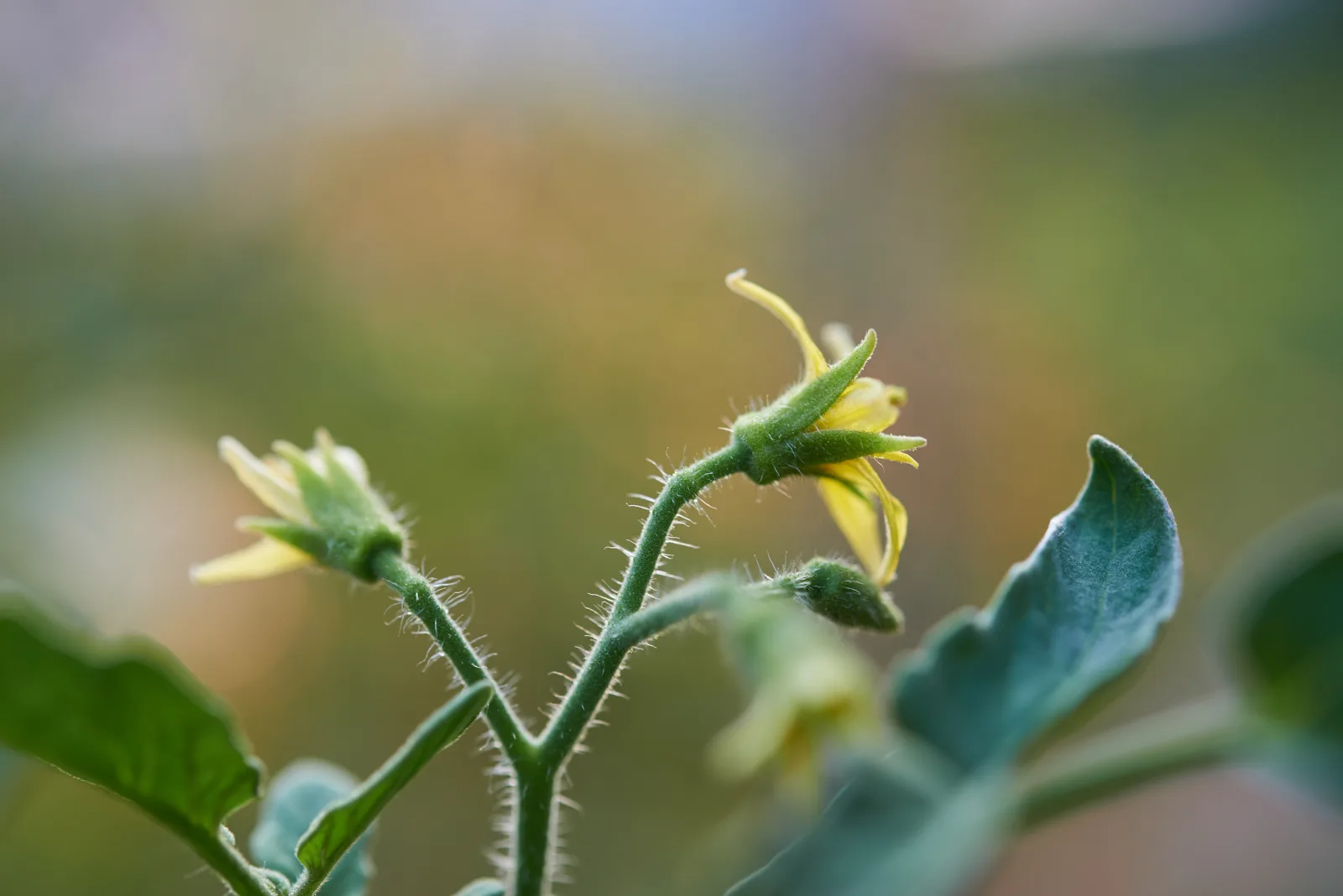
Cherry Tomatoes: When to Pinch That First Sucker
Once your potted cherry tomato reaches knee height, small shoots called suckers begin sprouting where the leaves meet the stem. Knowing when to pinch the first one makes a real difference in how much a single plant yields.