Can a Plate of Summer Vegetables Lower Your Dementia Risk?
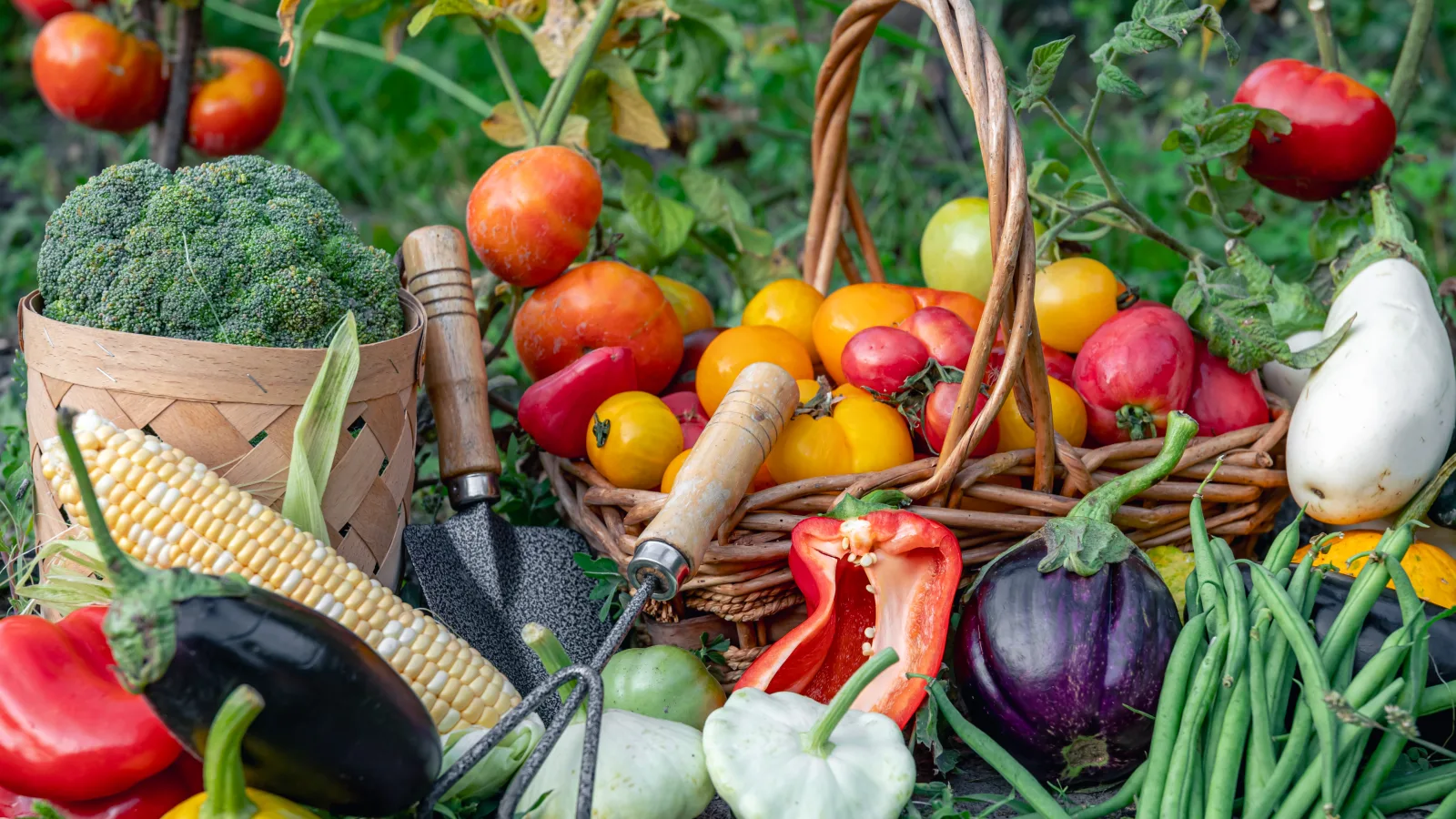
A Swedish study that tracked 1,865 adults over 60 for up to 15 years found that a diet low in inflammation-driving foods was linked to about 30% lower dementia risk — and unlike other healthy-eating patterns, it still mattered for people whose brain biomarkers had already shifted. Most of the foods that earn points are already growing in a July garden.
The Season the Pill Packet Thins Out — and What Garden Vegetables Fill In
A year-long study of 200 older adults found that ongoing diet and exercise coaching kept people on their medications — and protected their kidneys. The foods that went up on their plates are the ones already growing in a summer garden.
Gardening While Pregnant: How Much to Move, and What to Eat
A study of more than a thousand new mothers found that the most active women ate more produce — but also more sweets and fast food. And the lowest rate of preterm birth showed up not in the most active group, but in the one just above the middle.
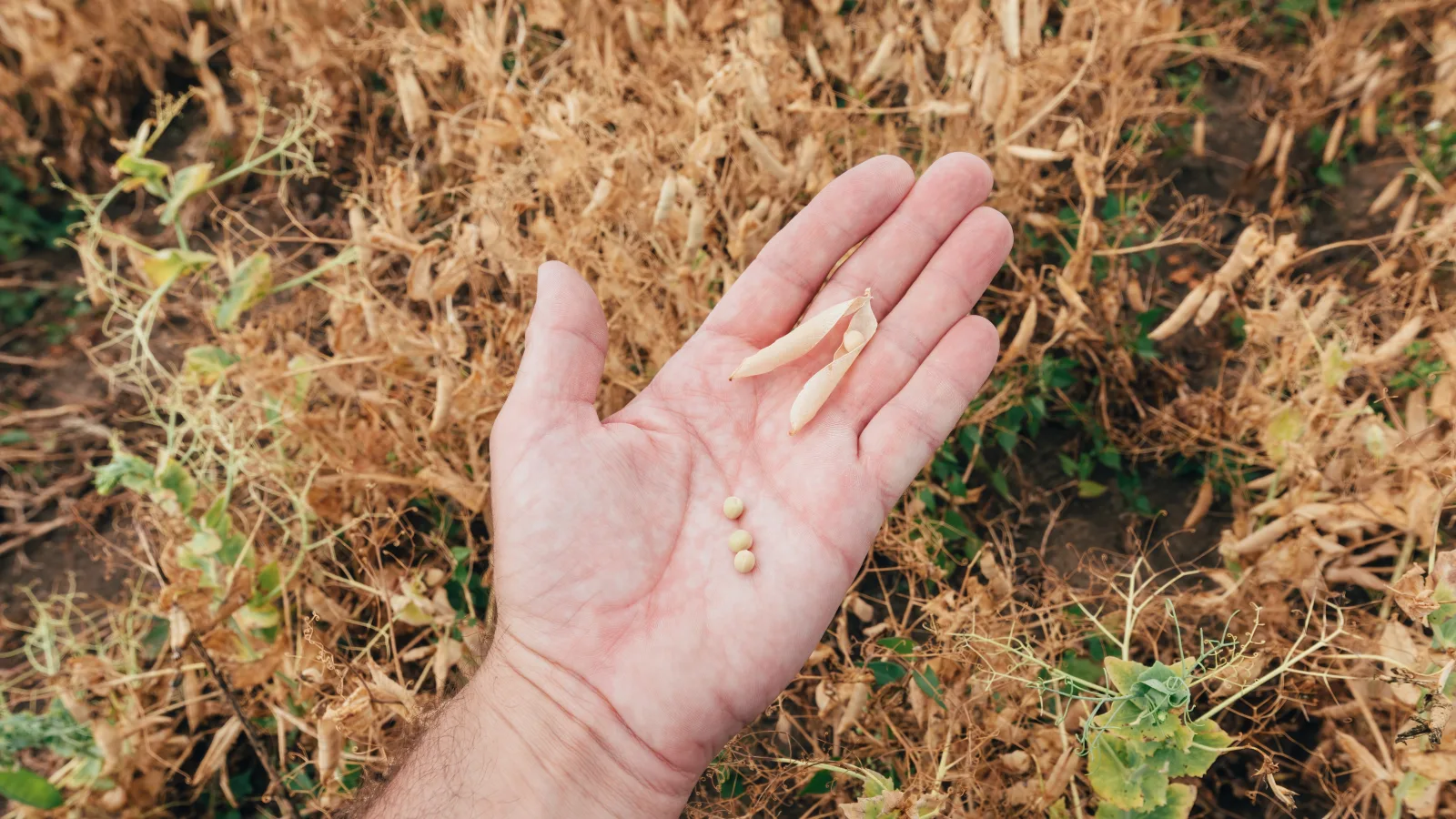
When Your Soybeans Keep Turning Yellow, Look for Nematodes in the Roots
Yellowing, stunted soybeans often point to soybean cyst nematodes, which hijack root cells into a private feeding station. Researchers are now working to shut off that supply line, and home gardeners have simpler defenses of their own.
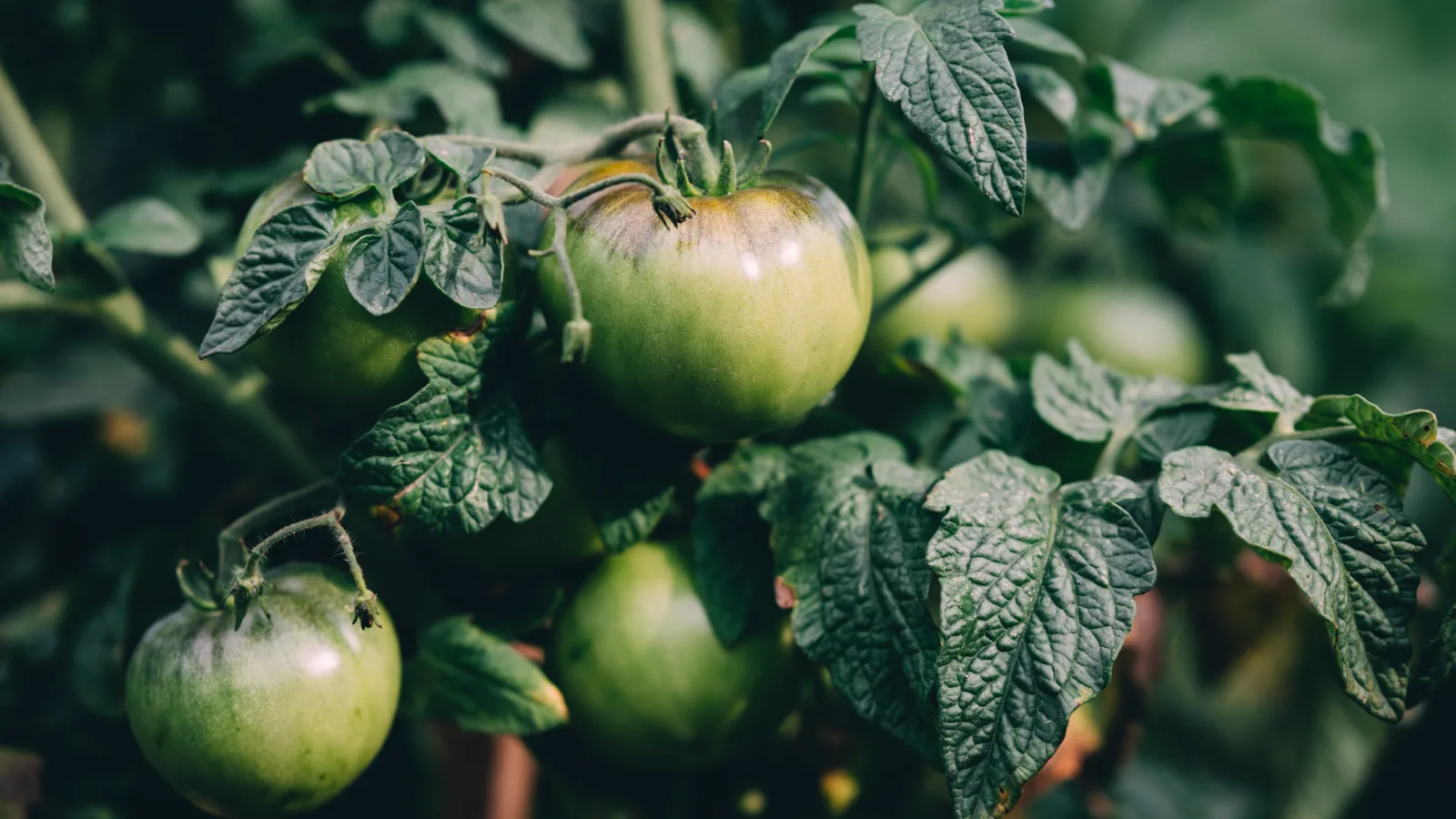
When Tomato Leaves Turn Yellow, Check the Soil for Salt
When tomato leaves yellow from the bottom up and a chalky white film appears on the potting soil, built-up salt is often the culprit. Here's how salt stresses tomatoes, how the plants defend themselves, and a few simple ways to keep your summer pots healthy.
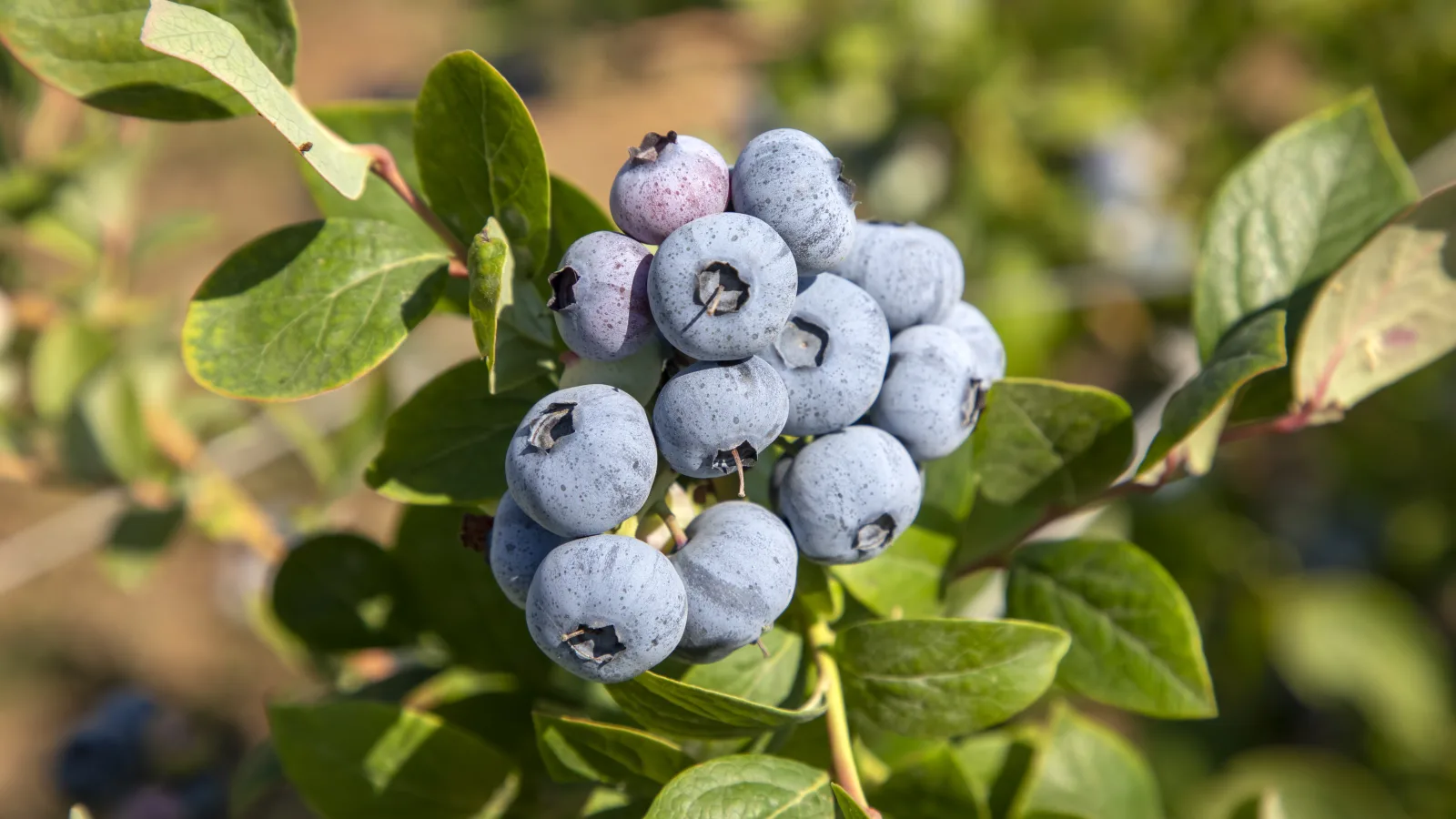
Myricetin in Blueberries — and How to Help Your Body Actually Use It
Myricetin, the antioxidant in blueberries and grape skins, is notoriously hard for the body to absorb because it won't dissolve in water. Researchers used machine learning to find molecular partners that fix that — and the resulting material kept tomatoes fresh longer, too.
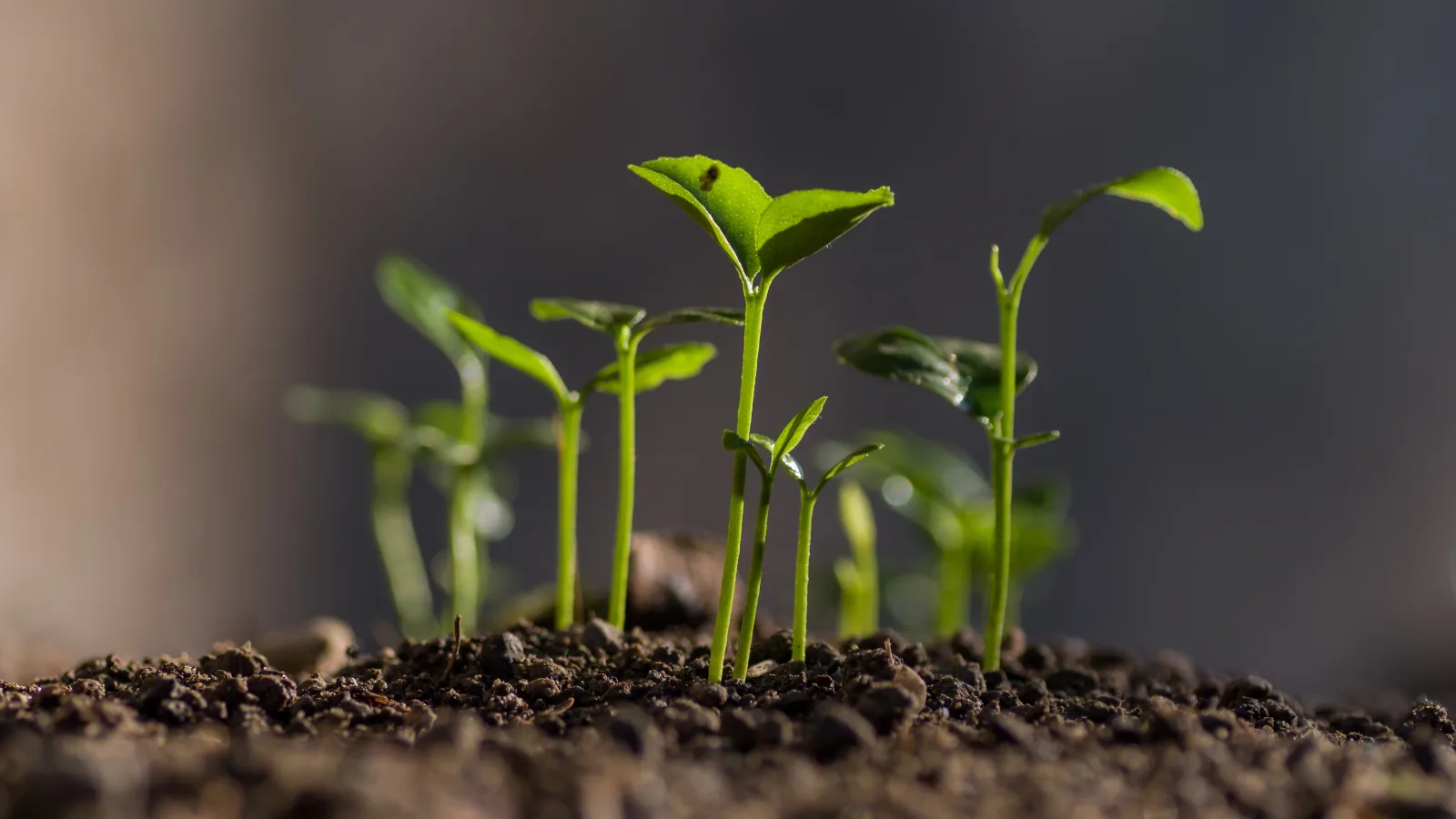
Meet the Heat-Tough Earthworm That Transforms Garden Soil
Earthworms quietly build healthy soil, but heat and drought are thinning their numbers just when gardens need them most. Here's what researchers are chasing and how you can invite more worms into your beds.
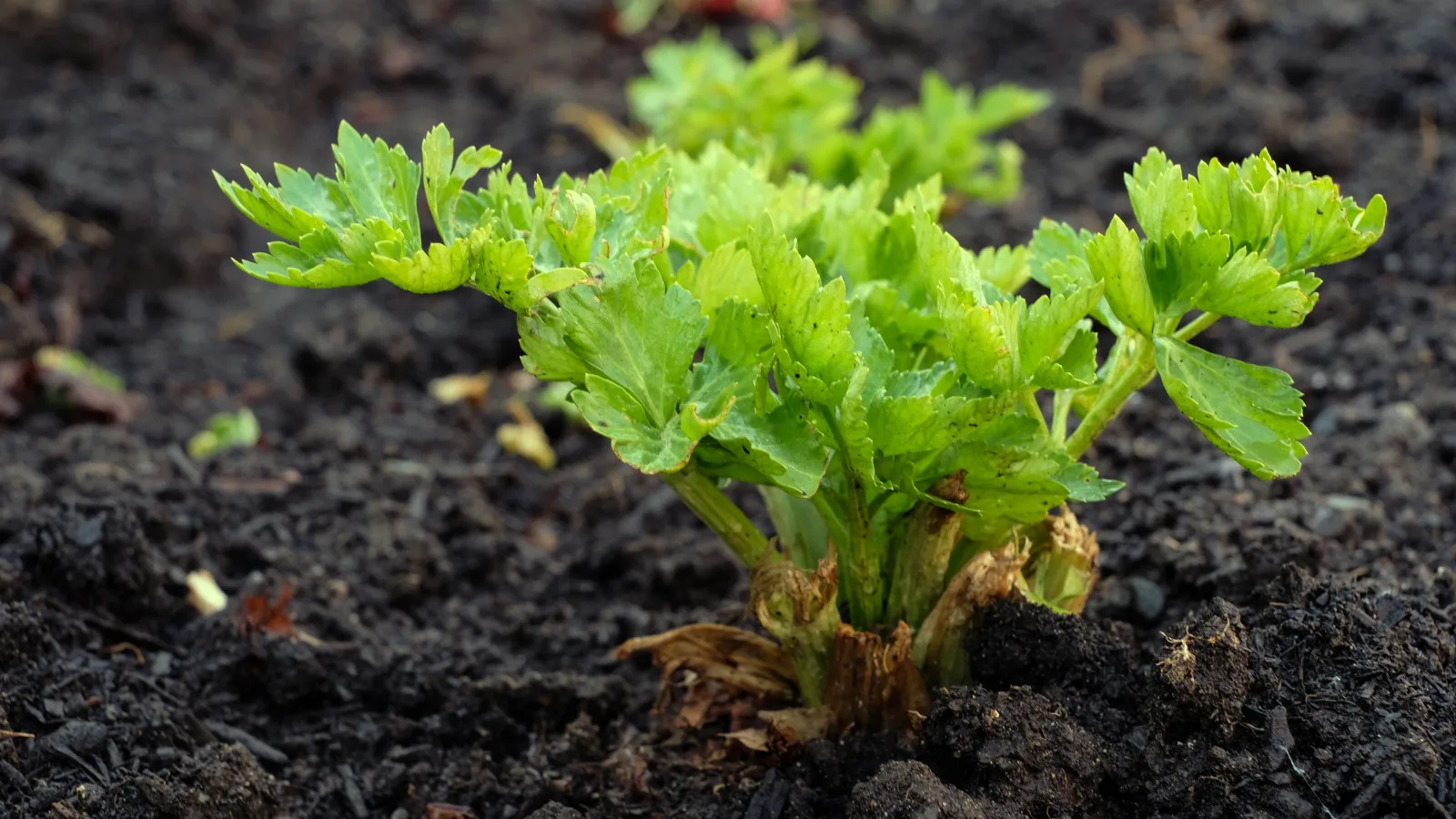
When Your Celery Fades Year After Year, Try a Season of Green Onions
Celery grown in the same bed for years leaves the soil depleted and the plants weak. A simple crop rotation—slipping in a single season of green onions—can revive tired soil, cutting disease by 64% and boosting the next celery harvest by more than 30%.
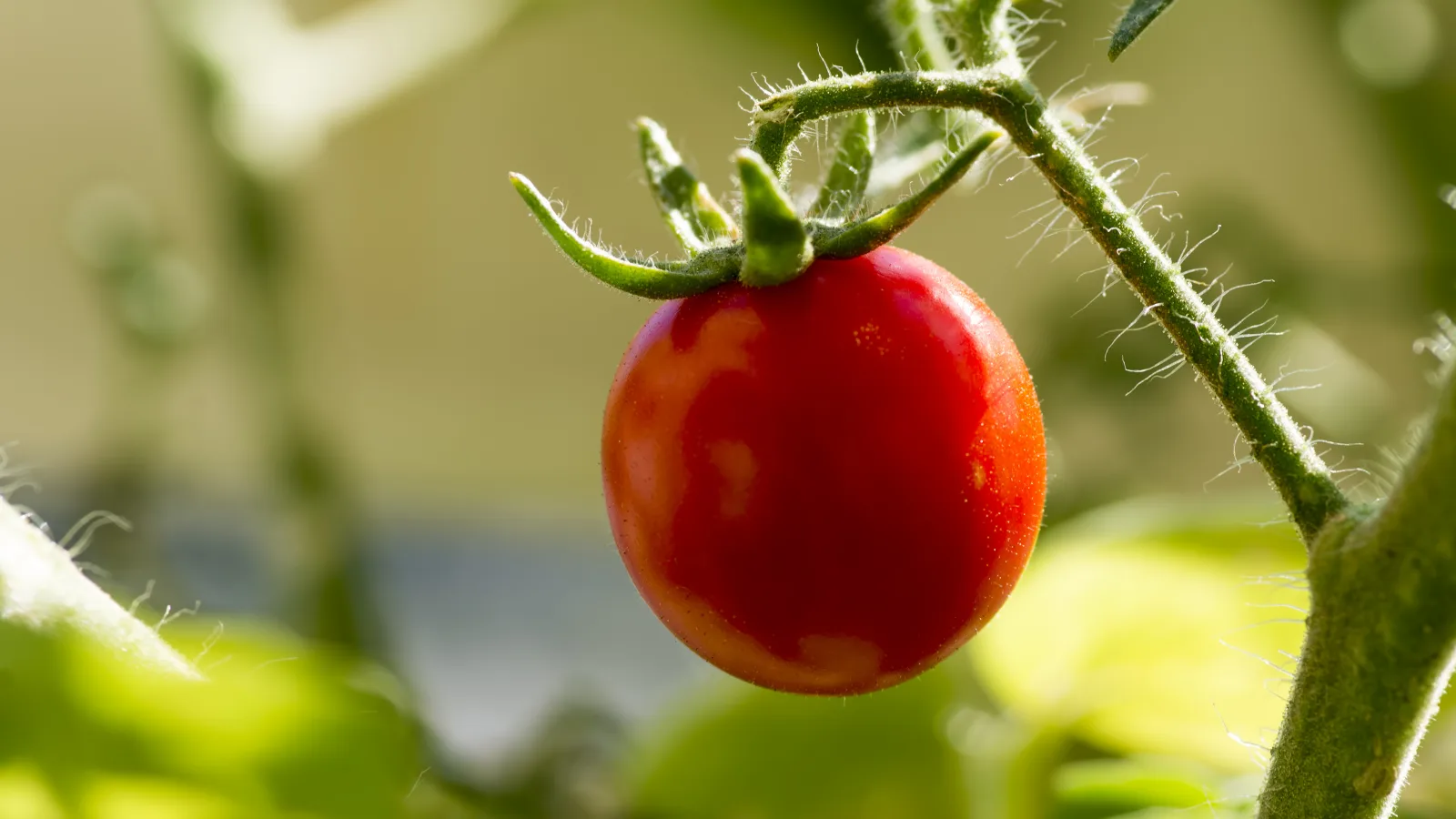
Mix Up Your Plantings, and Your Garden Holds Steady
Fill a whole row with a single crop and one bad summer, or one disease, can wipe it out. German researchers found that dividing a field, rotating crops, and planting a mix cushions both your harvest and the prices you get — and the same logic scales right down to a backyard garden.
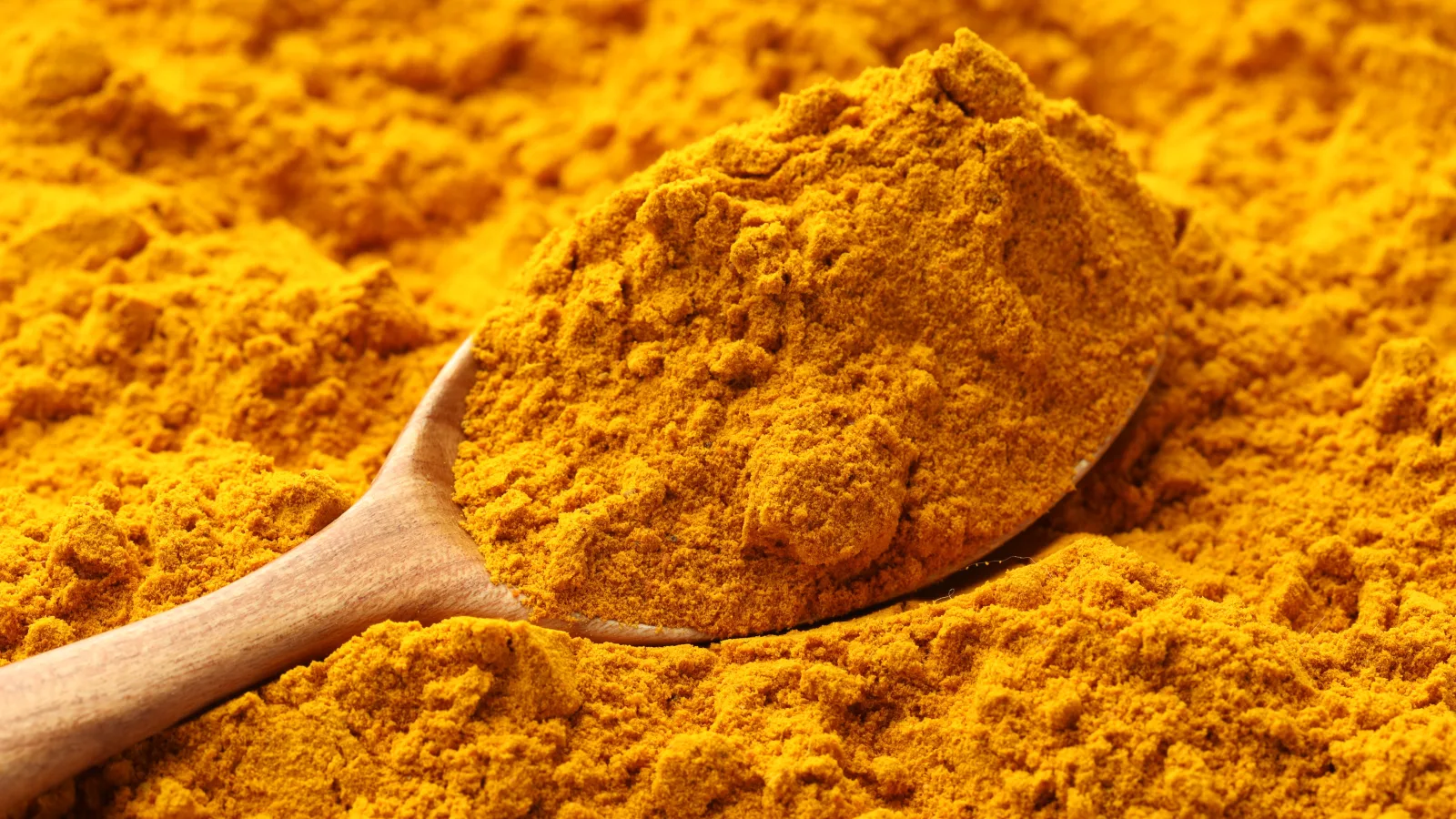
Sore After a Day in the Garden? Could Homegrown Turmeric Help?
A weekend of turning over garden beds can leave you stiff and sore the next morning. Could the turmeric growing in the corner of your plot help you bounce back? A 2026 review of fifteen clinical trials found the most consistent benefit in easing oxidative stress—though the evidence is still thin—along with a few simple ways to enjoy your harvest.
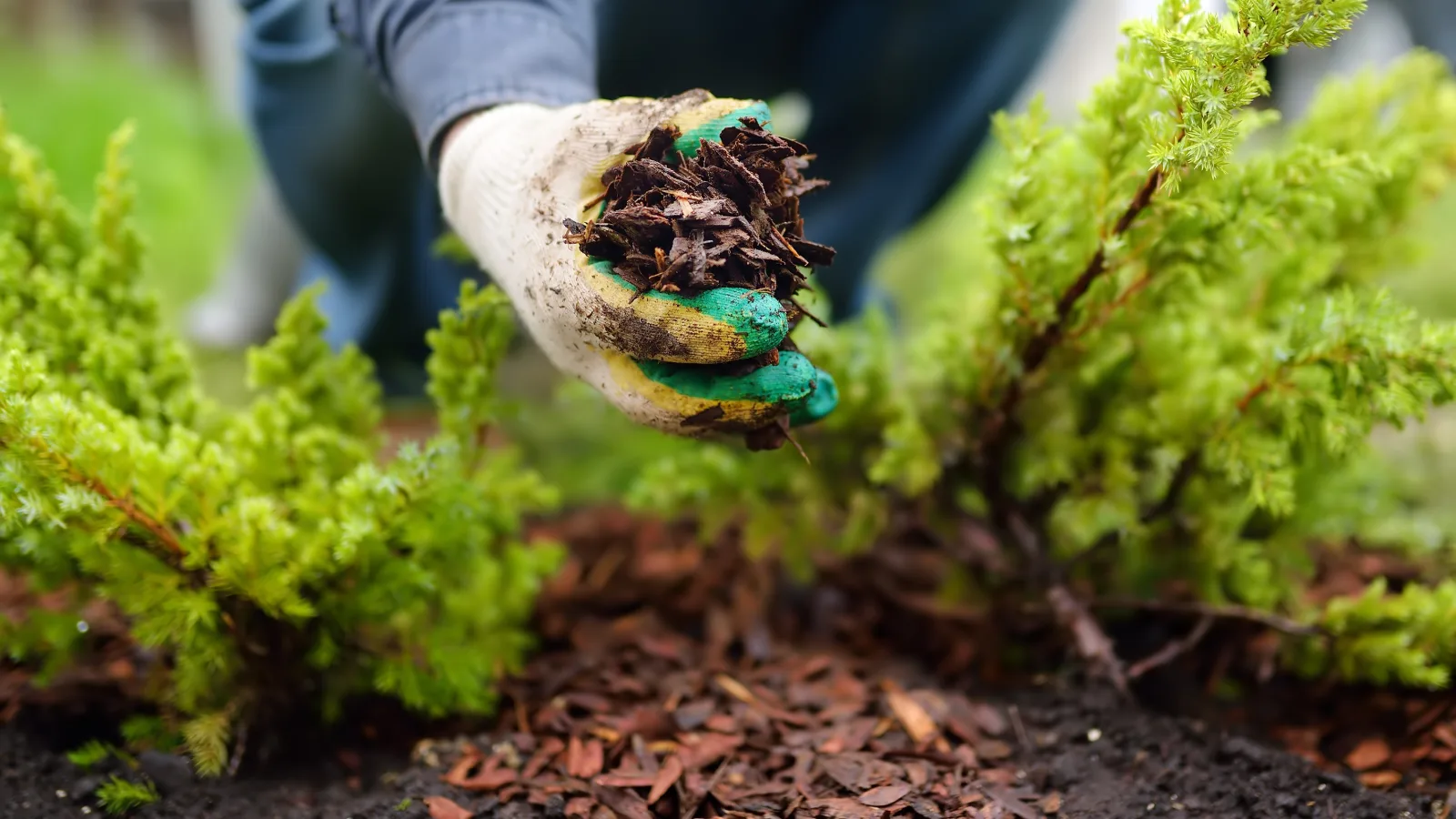
What Happens to the Soil When You Lay Biodegradable Mulch on a Cabbage Bed?
A 2026 field study laid five kinds of biodegradable mulch on cabbage beds and found that, over a single season, the soil held steady, yields rose slightly, and bacteria and fungi responded in different directions.
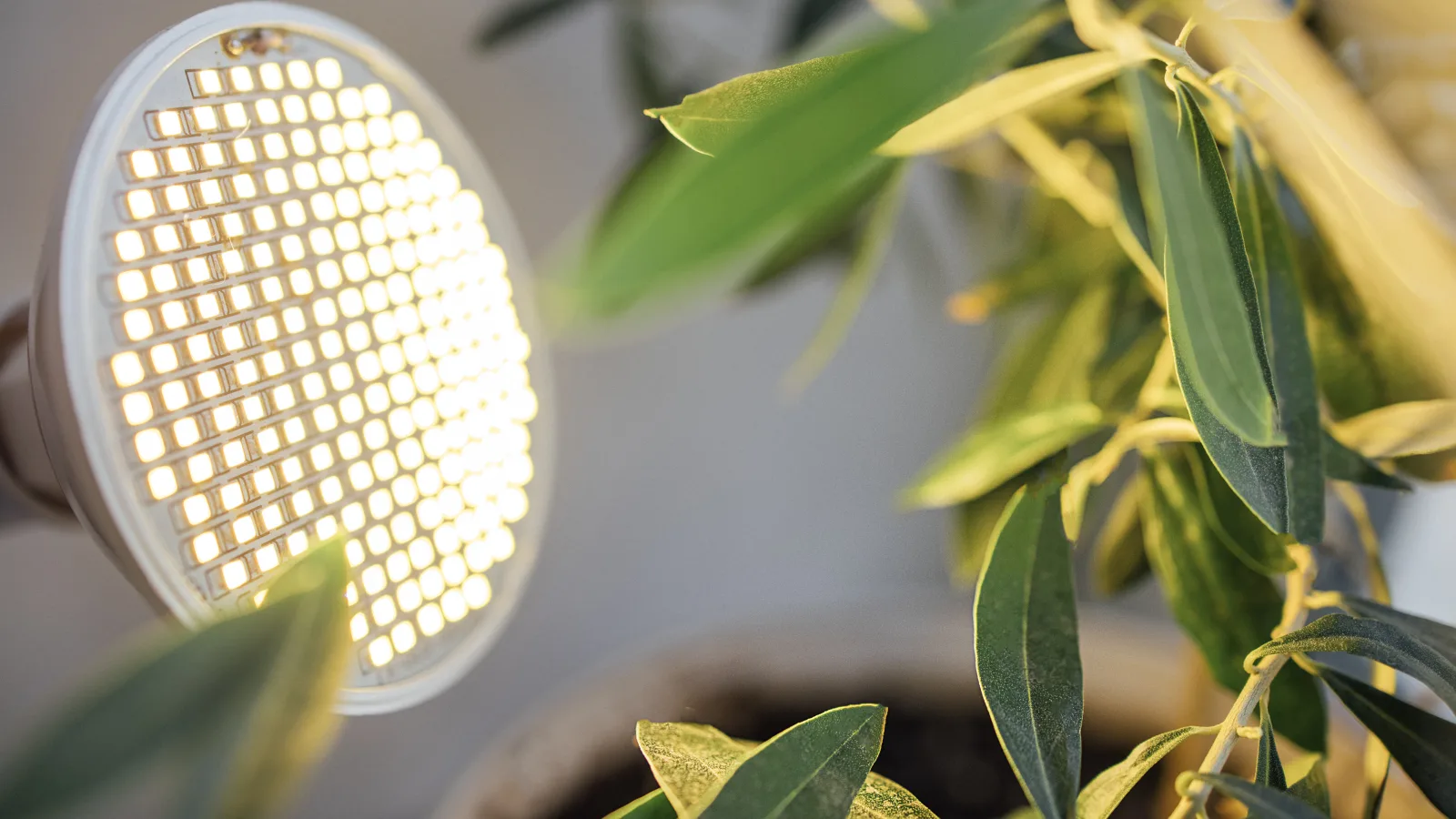
Whether Your Indoor Garden Is Actually Green Depends on Where Your Electricity Comes From
Growing lettuce on your balcony feels like an easy win for the planet—no shipping, no packaging. But researchers at McGill University found that whether indoor growing actually beats field farming on carbon comes down to one thing: where the electricity is generated.
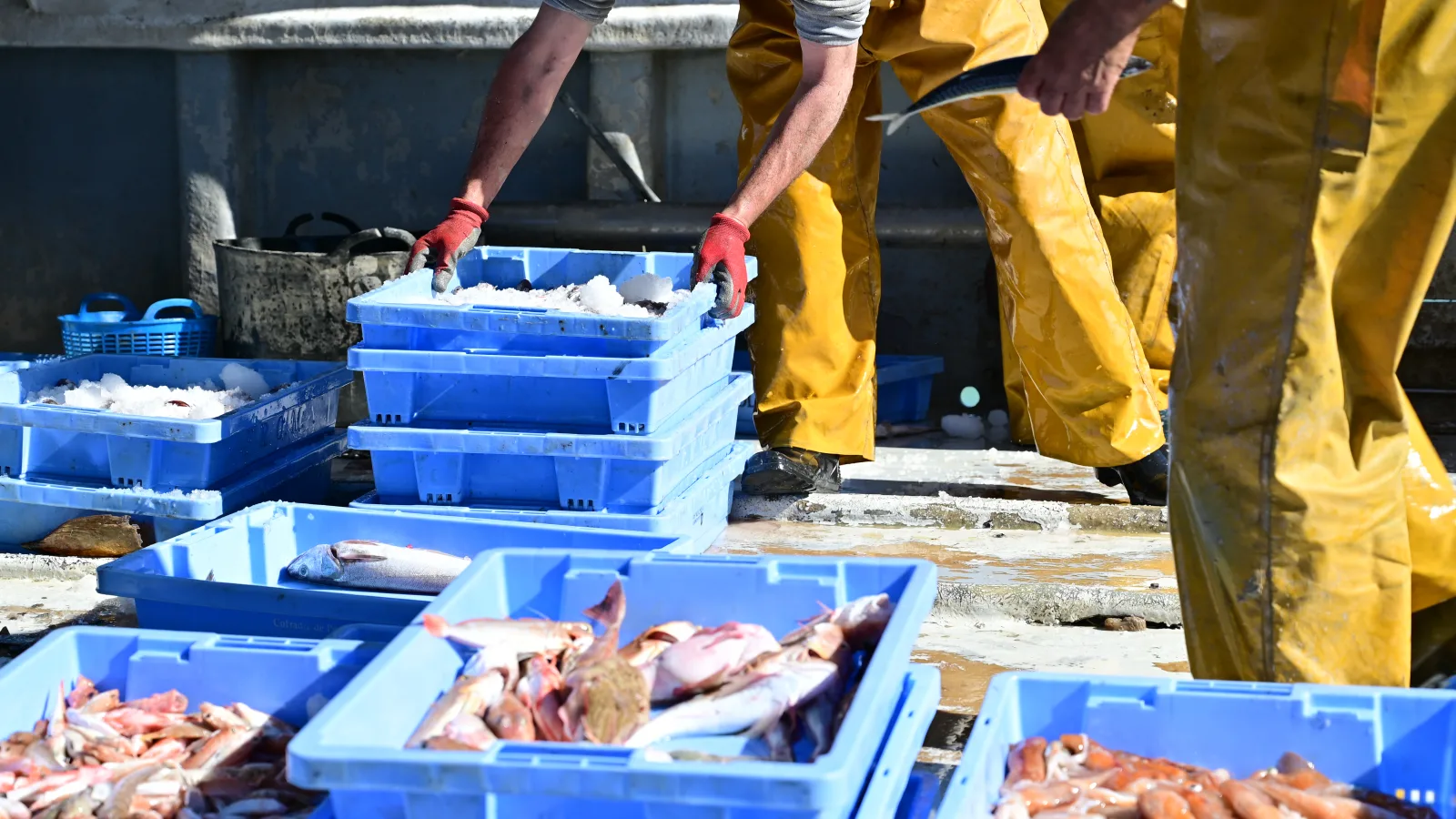
How a Single Fillet of Fish Reaches Our Hands
The vegetables we grow ourselves we know from seed to harvest, but the fish on our plate arrives with its story hidden. A digital platform called IKAN is trying to make that story visible—starting with the migrant workers who catch it.
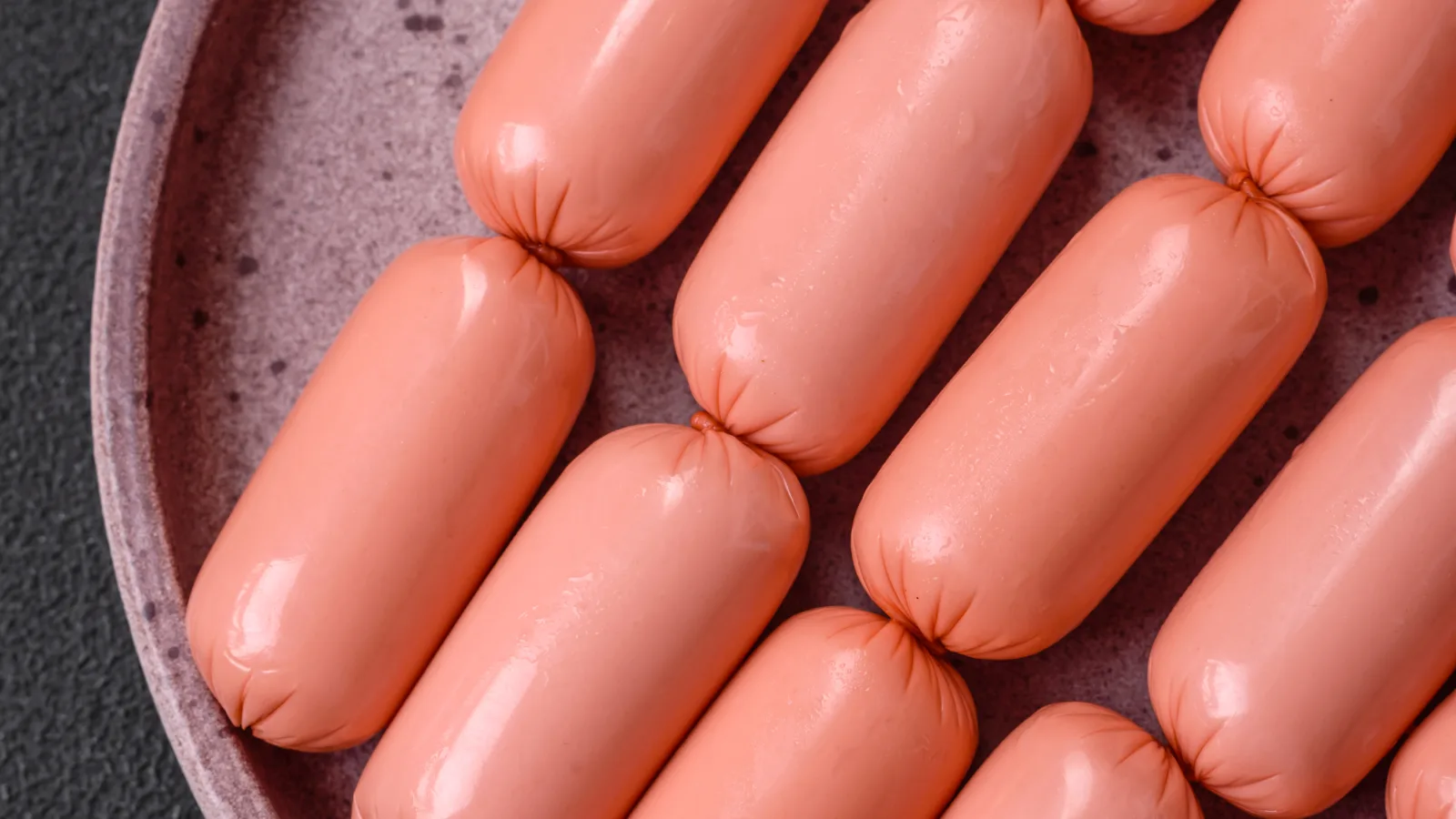
How Much Do Preservatives in Processed Food Raise Your Blood Pressure?
An eight-year study following more than 112,000 people found that diets high in certain food preservatives were linked to higher rates of high blood pressure, heart attack, and stroke. Here's where those additives hide — and why garden vegetables sidestep them entirely.

What to Do Before Mice Move In
A mouse plague overran Western Australia's farmland after the first few mice went unchecked. Here's why mouse numbers explode so quickly — and how to keep them from ever settling into your garden.
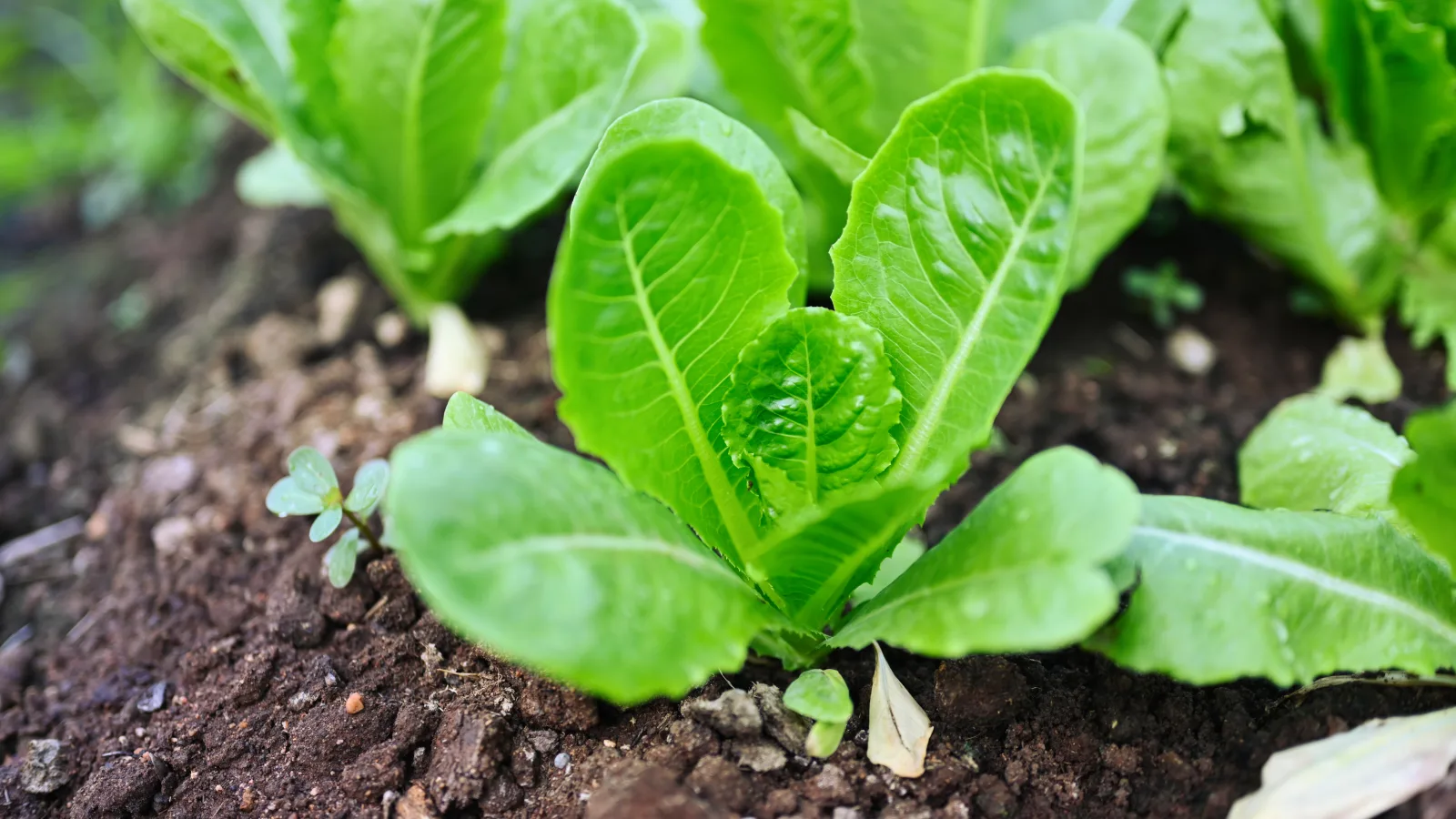
I Gave My Discarded Vegetables Back to the Soil, and My Lettuce Was Never the Same
A 2026 study found that a soil amendment made from vegetable trimmings helped baby lettuce grow as well as chemical fertilizer did, while holding onto far more water. Here's what it means for your own garden.
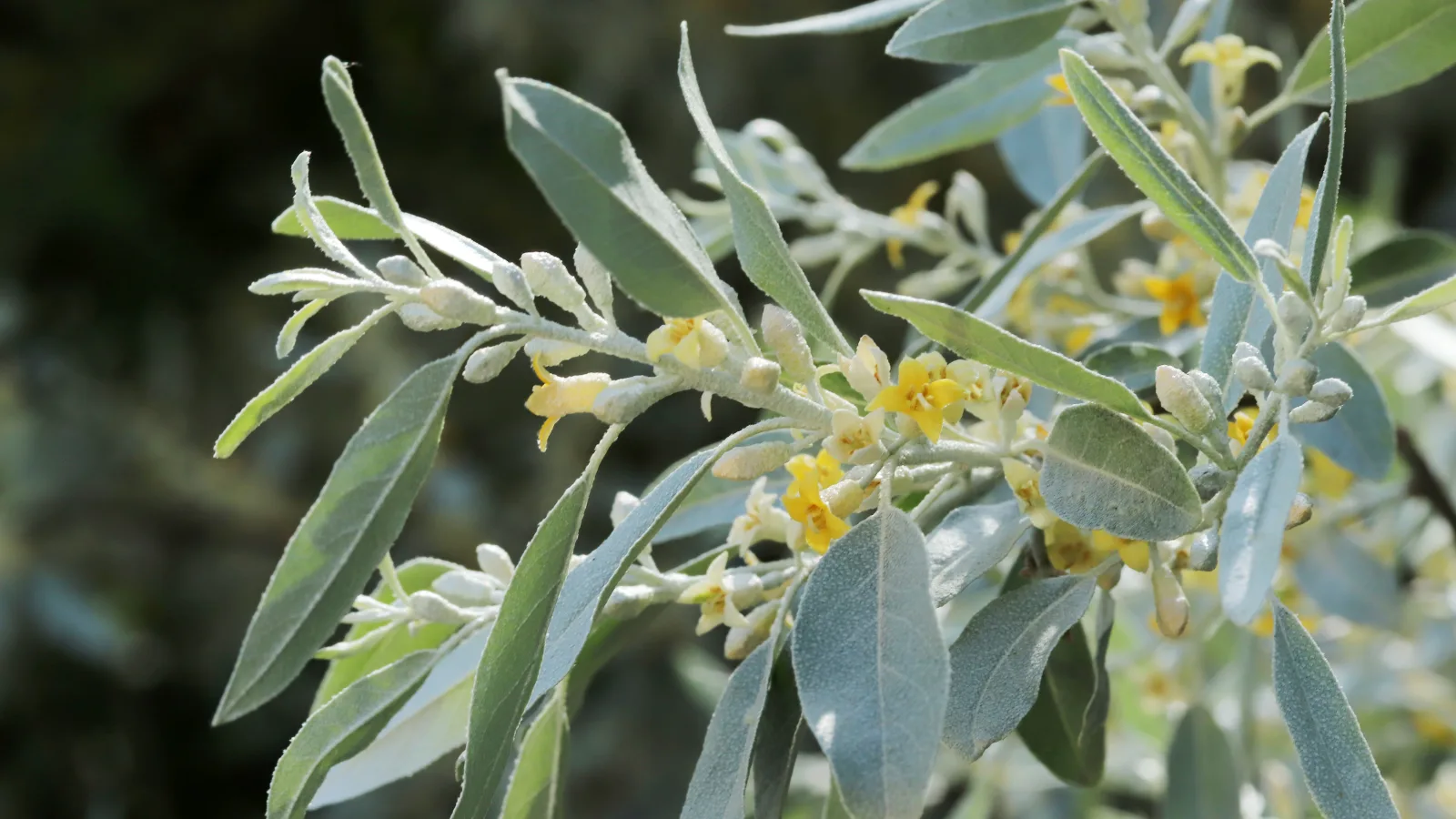
Your Garden's Russian Olive Blossoms Could Become Raw Material for Antimicrobial Nanoparticles
An Iranian research team used extract from Russian olive flower buds to create silver nanoparticles, then confirmed their antimicrobial, antioxidant, and anticancer potential in the lab. It's a striking case of a traditional medicinal plant meeting modern nanomedicine.
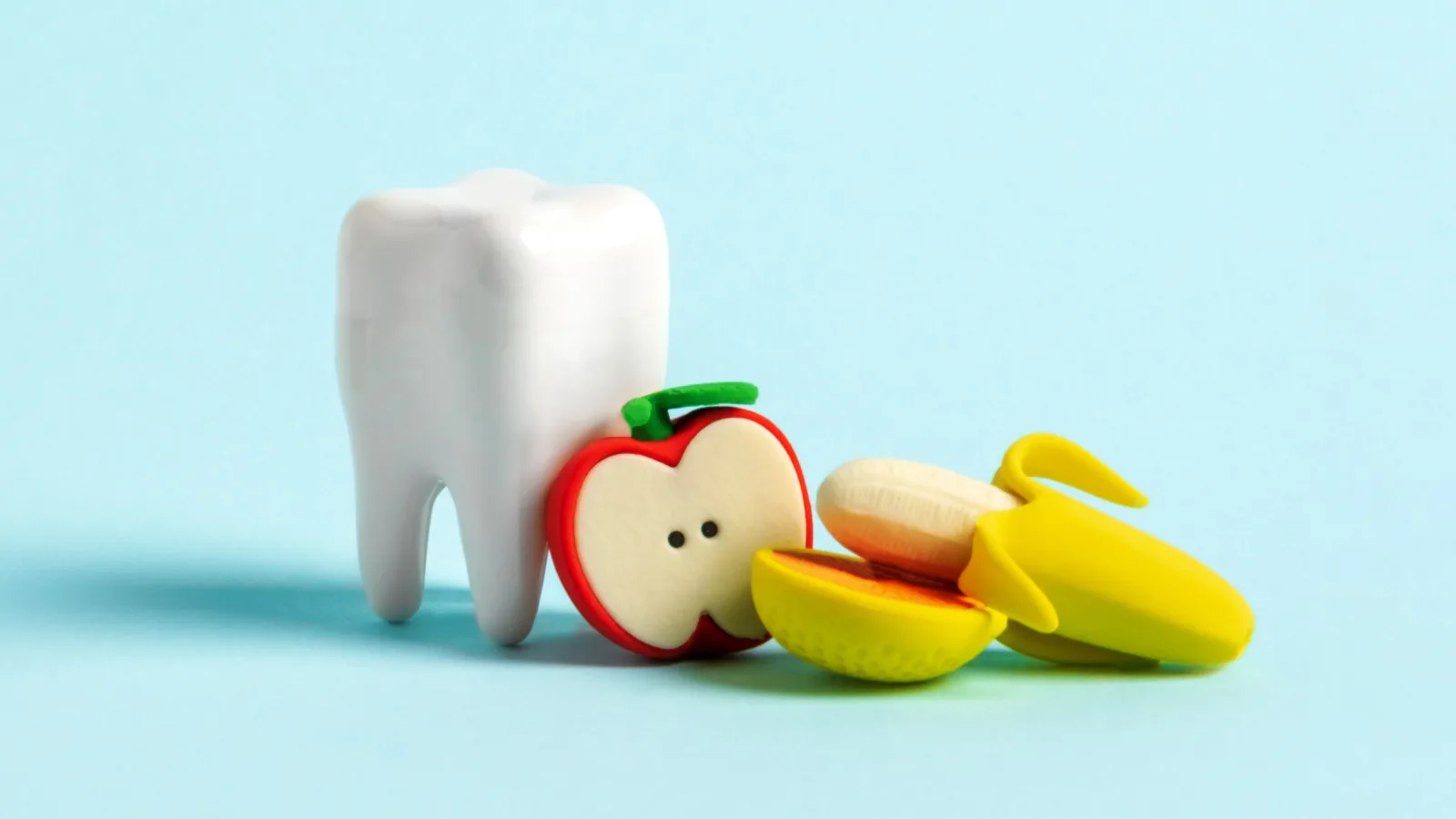
Eat a Little Less, and Your Gums May Change Too
Brushing and flossing aren't the whole story when it comes to gum health. New clinical research suggests that what you eat—and how much—can lower gum inflammation, which is good news for anyone who loves fresh vegetables from the garden.
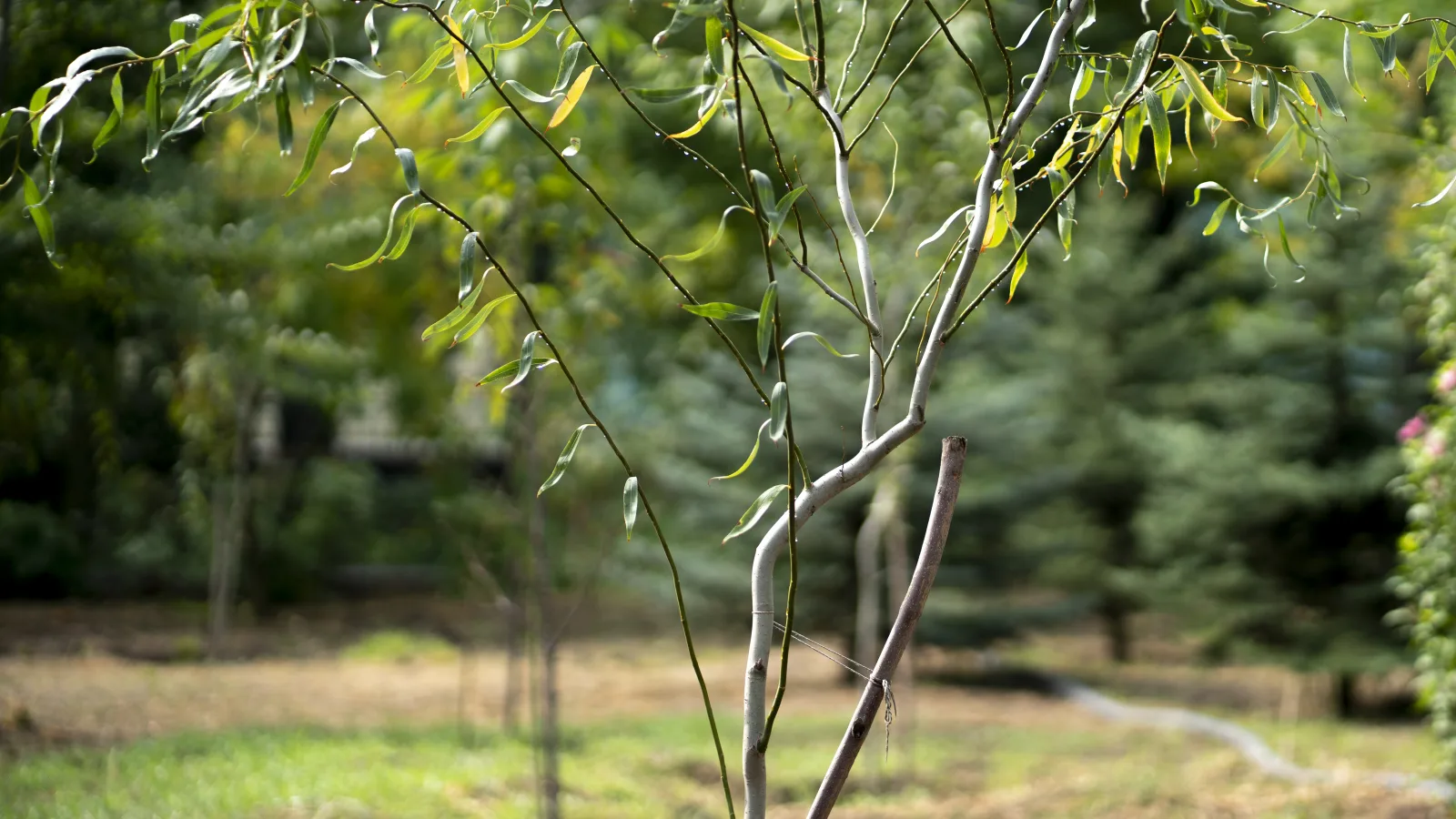
We Planted More Trees, and Fewer Birds Came
Planting trees is usually good for wildlife—but a study of Japanese paddy wetlands found that shelterbelts can crowd out grassland birds, cutting their numbers by more than 70%. Before you plant, take a look at who already lives on the land.
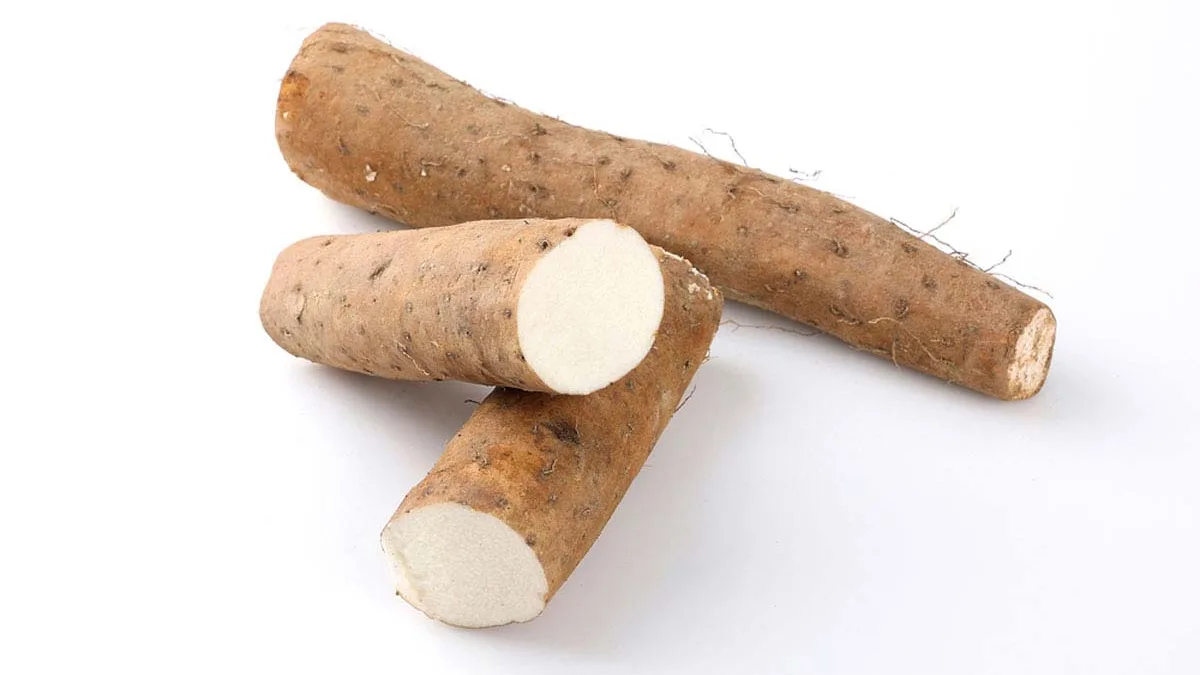
Chinese Yam: What the *Donguibogam* Saw in It
A humble garden root that classical Korean medicine once prized as a top-grade tonic, the Chinese yam was valued not for a quick cure but as an everyday food to be eaten steadily. Here's how the old herbals saw it, how modern nutrition compares, and how to bring it from your garden to your table.
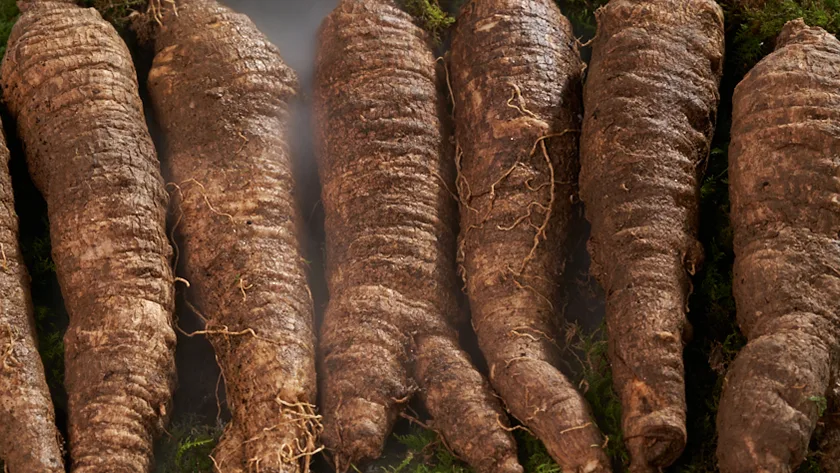
Deodeok: Health Through the Eyes of the Dongui Bogam
Deodeok, a fragrant mountain root that thickens in the garden year after year, was recorded in Korea's Dongui Bogam as "goat's milk" — a mild remedy for the lungs and throat. This column traces how those old records line up with today's nutrition science, and how to bring the root from garden to table.
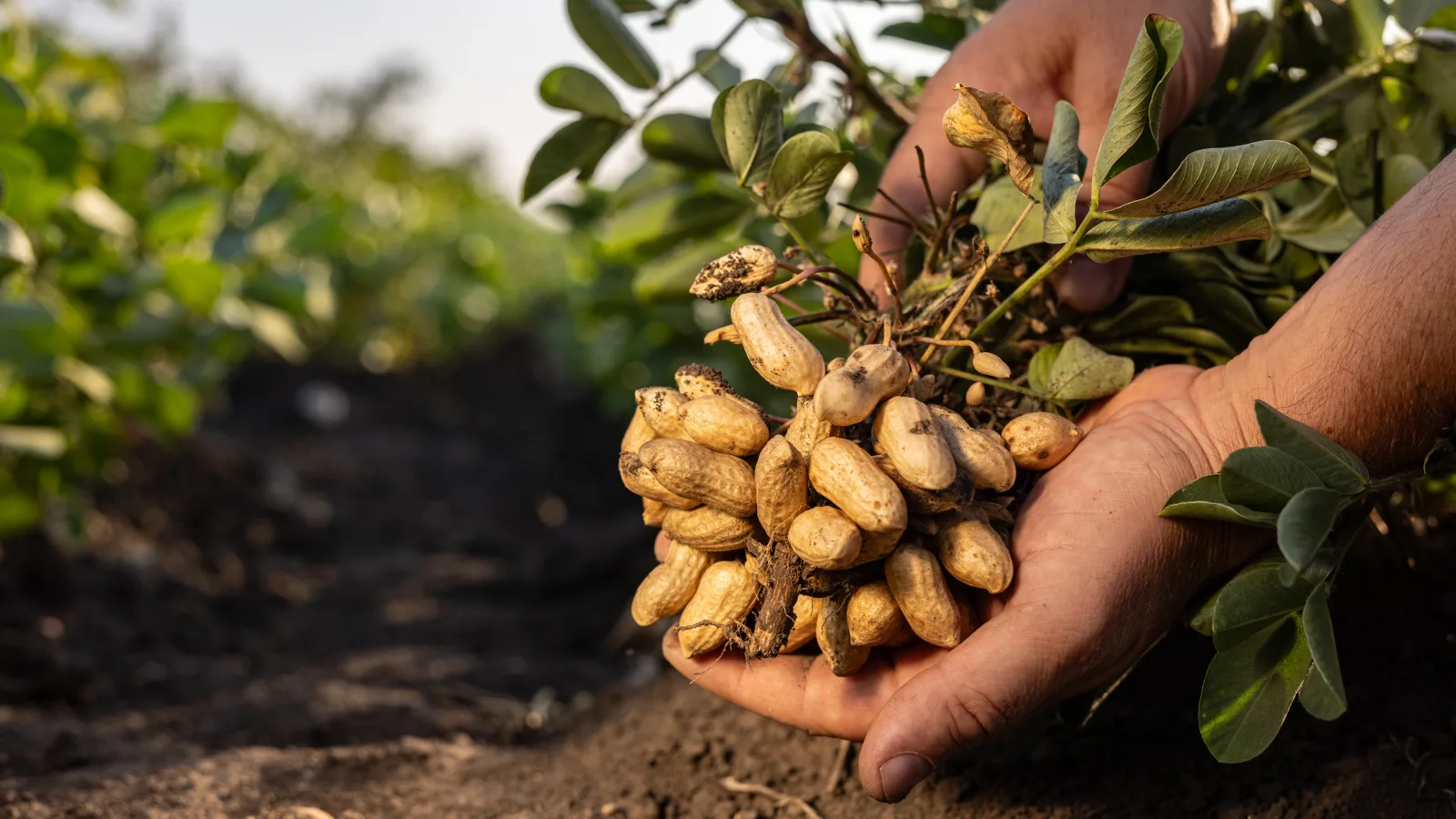
The Peanut Genome Has Been Fully Decoded for the First Time
An international team has decoded the entire peanut genome for the first time, untangling a large, complex code that formed when two wild species crossed long ago. The breakthrough promises faster breeding of hardier, safer varieties—plus a good reason to grow a few plants in your own garden this year.
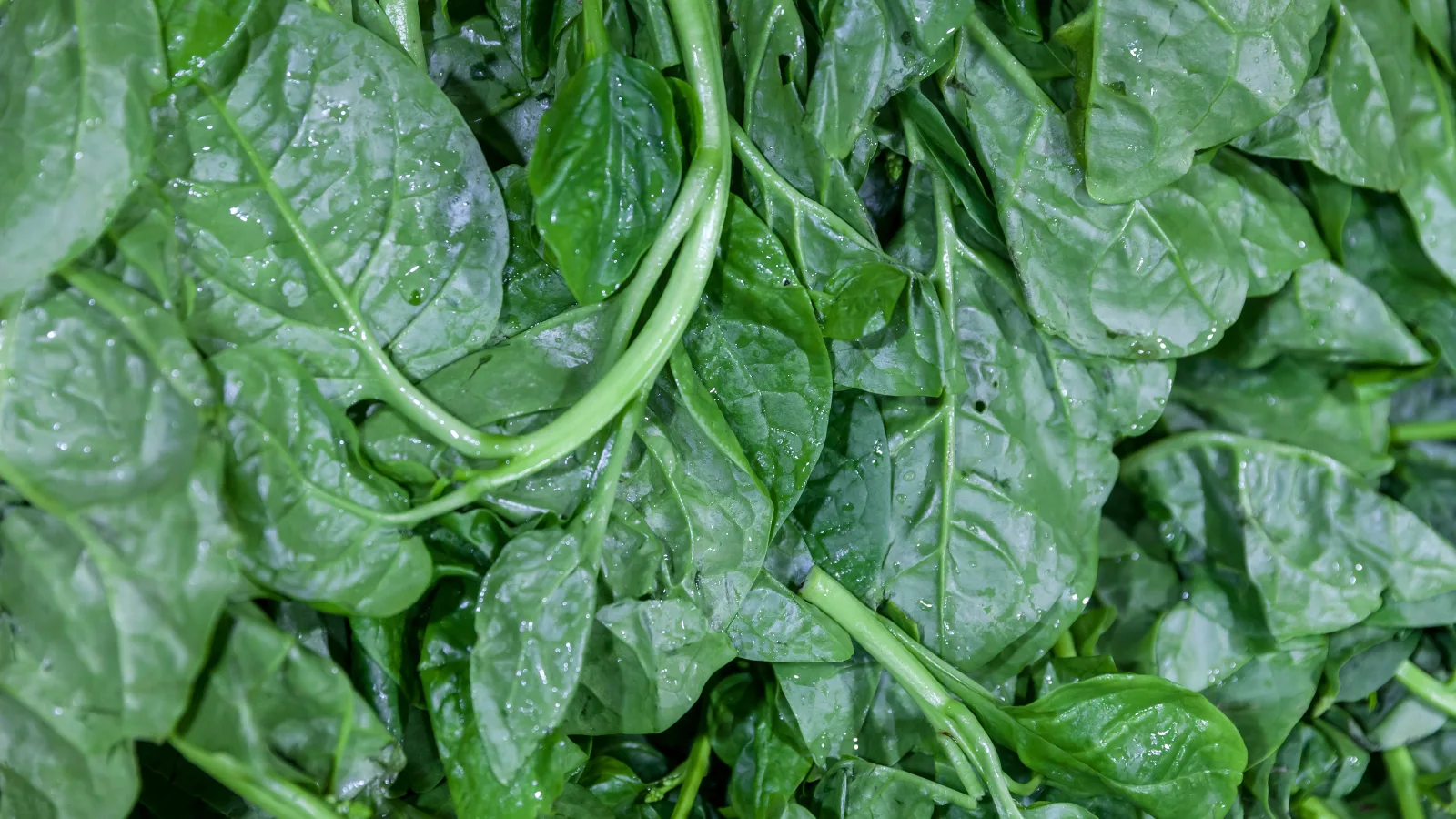
The Benefits of Malabar Spinach
Malabar spinach is a heat-loving vine that keeps your summer garden in greens. A recent study analyzed its leaves, berries, and stems separately—and found that each part has its own strengths.
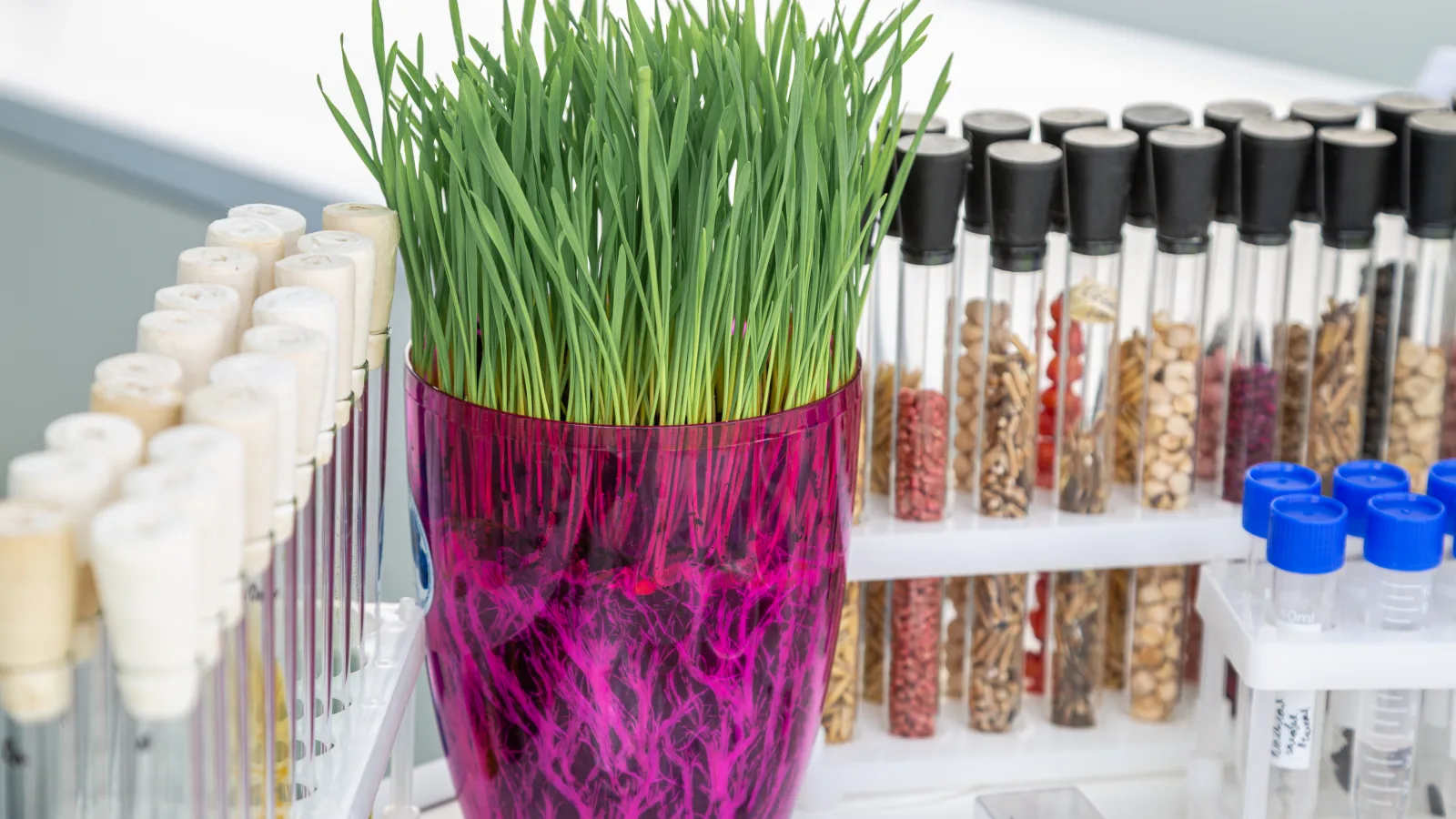
A Glow in the Leaf: Finding Clues to Better Crops, Faster
A new lab technique makes plant leaves glow to reveal which genes to edit, cutting the search time behind crop improvement. Here's what it could mean for the varieties you grow at home.
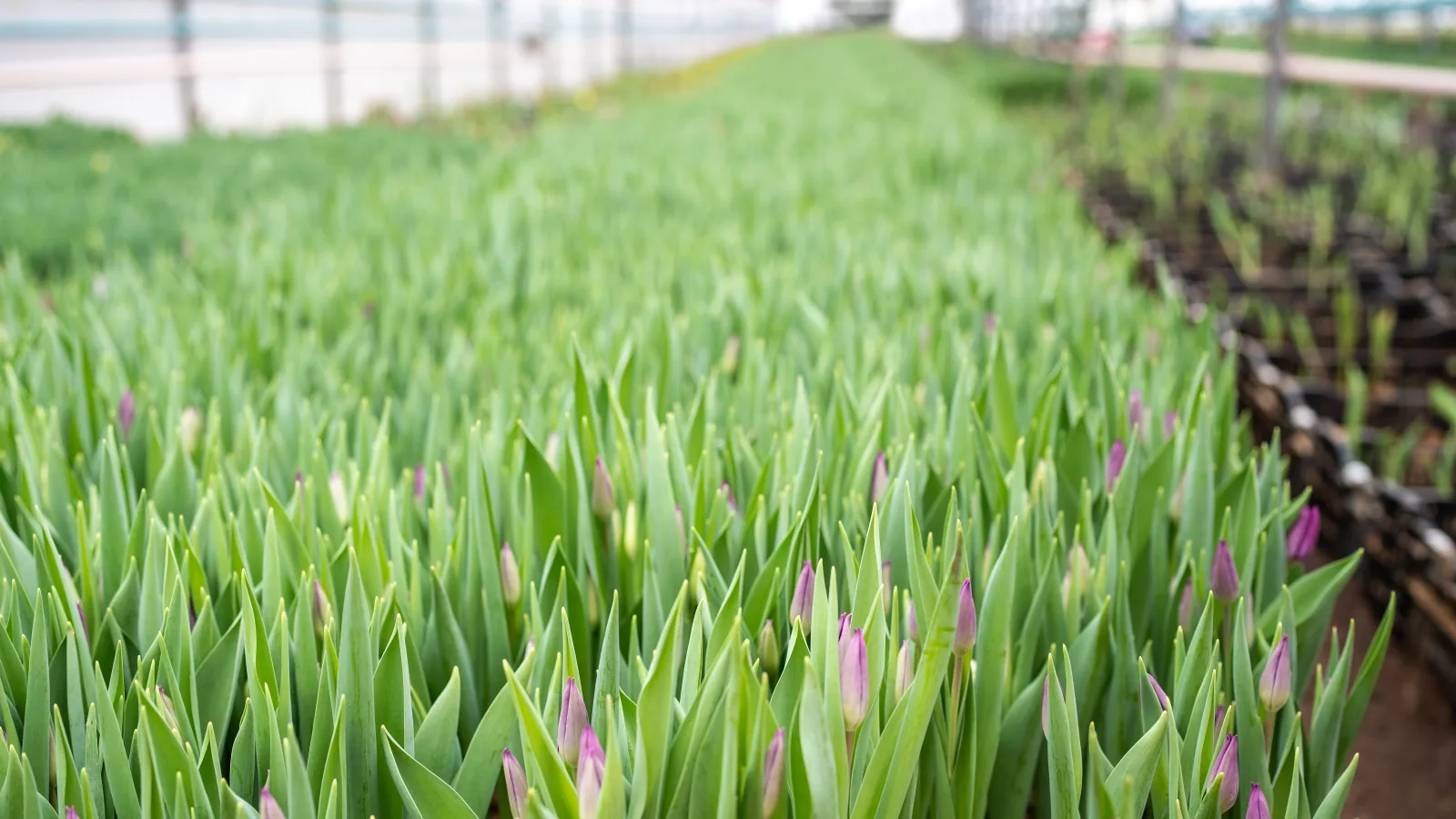
The Netherlands, Export Powerhouse — Until You Look at the Dinner Table
The Netherlands ranks as the world's second-largest food exporter, but a Wageningen University study that counts calories, protein, farmland, and feed — imports included — finds its real contribution to the global food supply is far smaller than its reputation. A balcony garden makes the same point: what actually reaches your table can differ from the headline numbers.
A New Way to Cut Grain Pests, Borrowed From a Familiar Fermentation Microbe
Researchers are testing a gentler way to fight the beetles that infest stored grain: using a well-known fermentation bacterium to switch off a single pest gene, without spraying chemicals on the food you eat.
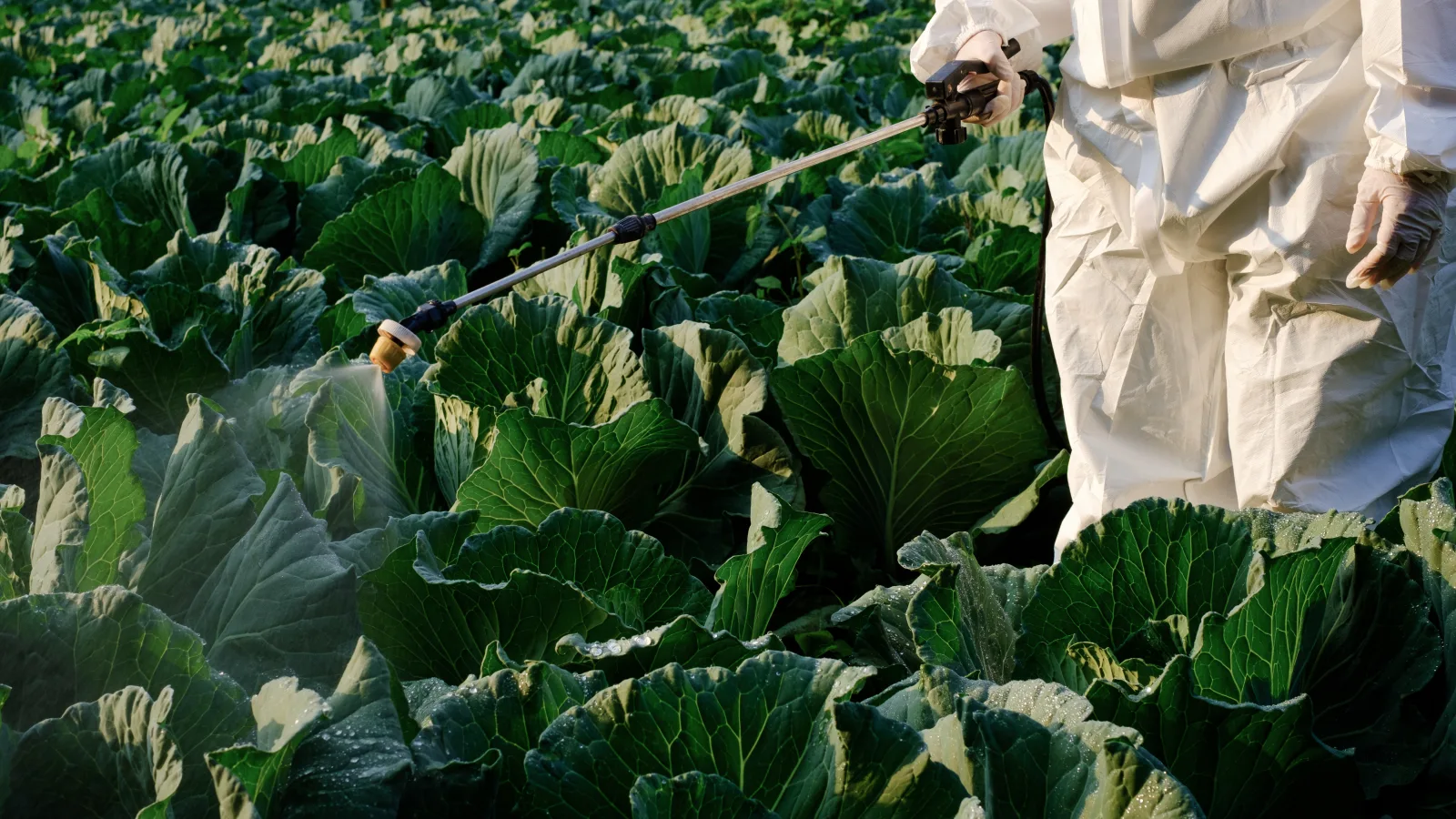
The Pesticide Rollback Debate: What European Scientists Are Warning About
The European Commission wants to streamline how pesticides are approved, but a group of independent scientists warns that faster paperwork could quietly weaken the science that keeps our food safe. Here's why it matters, even at a Korean dinner table—and what you can control from your own garden.
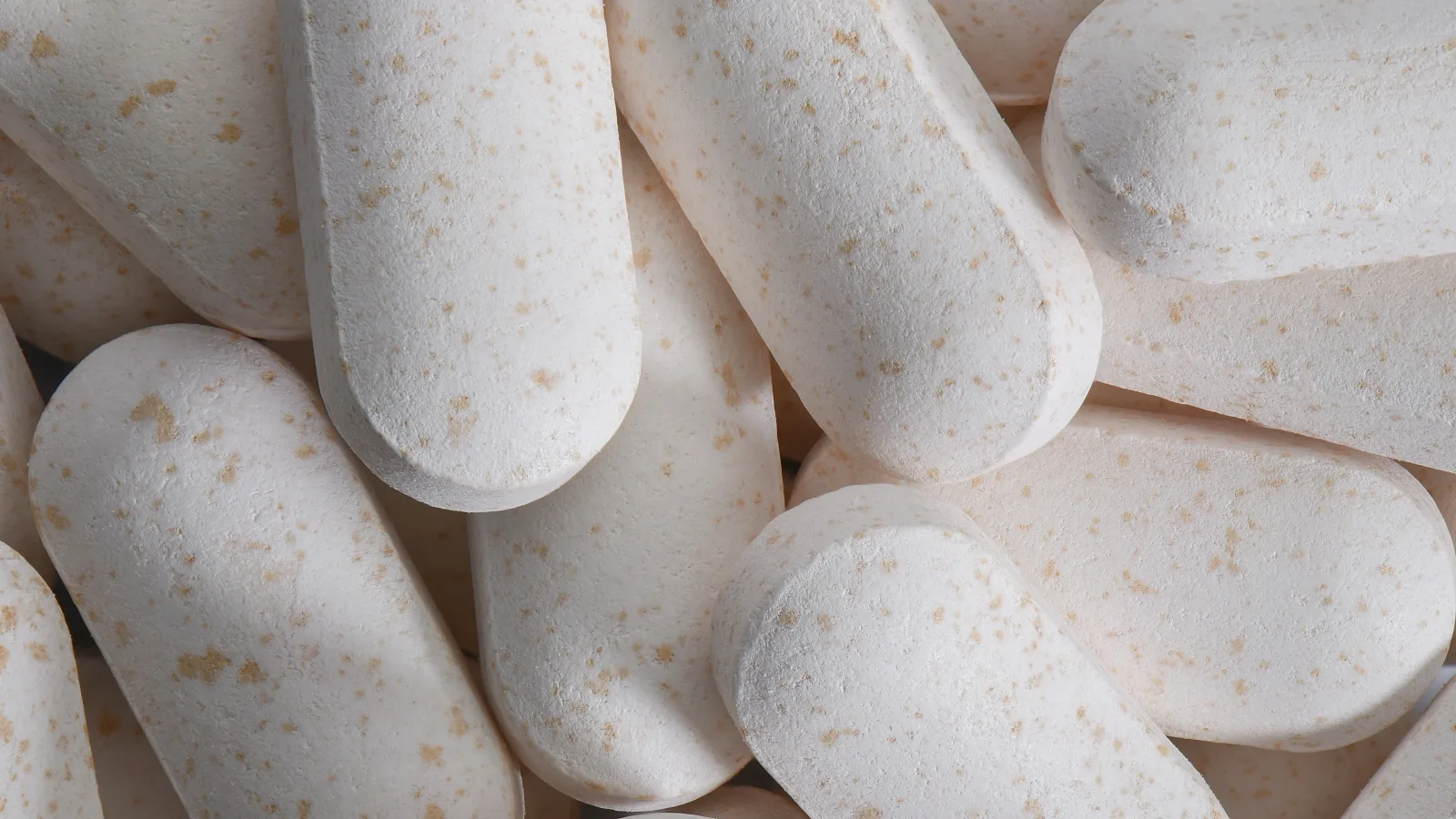
Does a Calcium Pill Really Protect Your Bones?
A study of more than 150,000 people found that calcium and vitamin D supplements did little to prevent fractures or falls in healthy older adults. The most reliable path to strong bones runs through calcium-rich garden vegetables, a little sunshine, and the weight-bearing work of tending the soil.
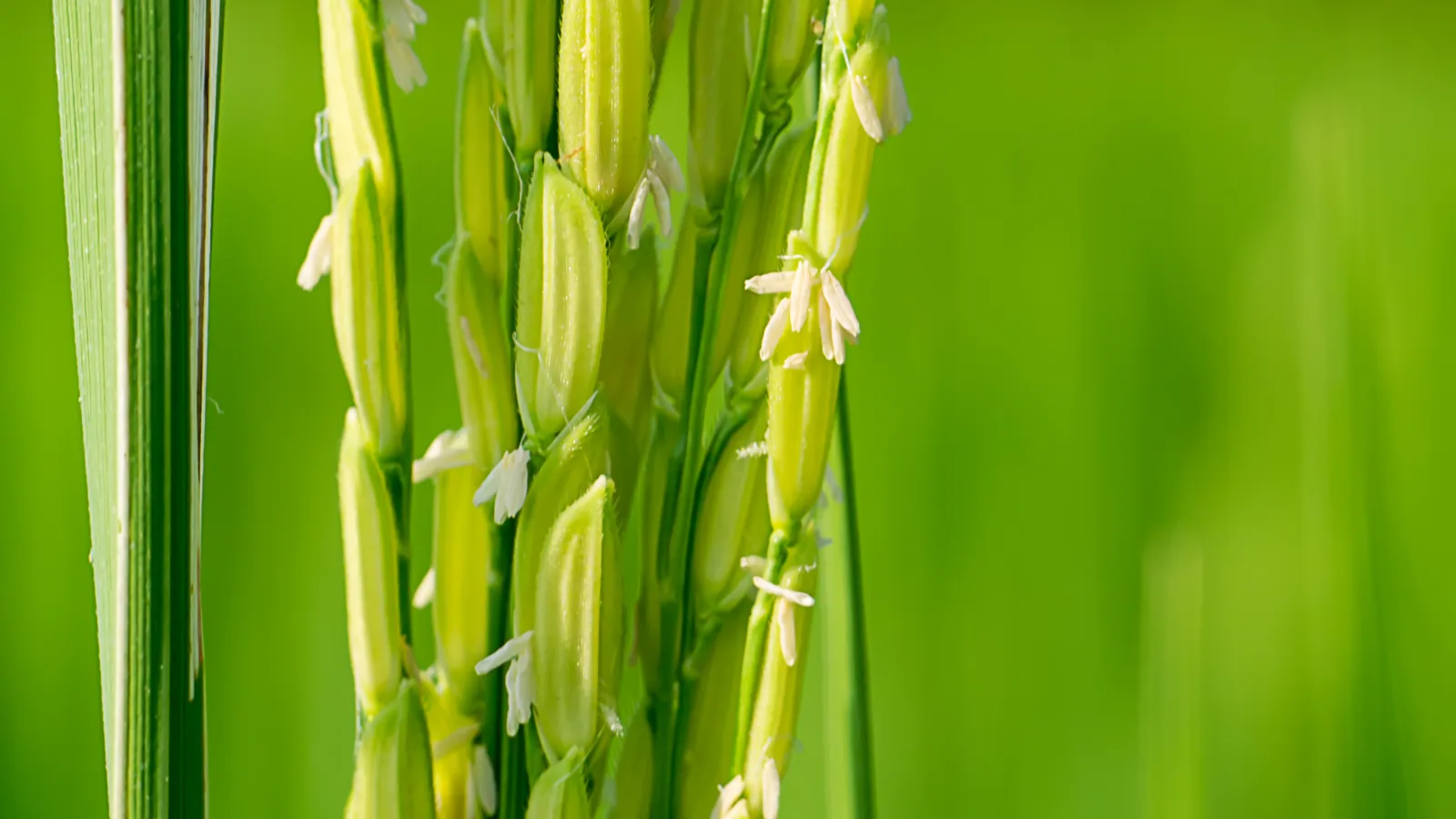
Why Rice Blossoms Chose the Dawn
A rice flower stays open for two hours at most, and rising summer heat is wrecking pollination inside that window. Scientists have found a gene, EMF3, that lets the plant bloom at dawn — before the temperature turns hostile.
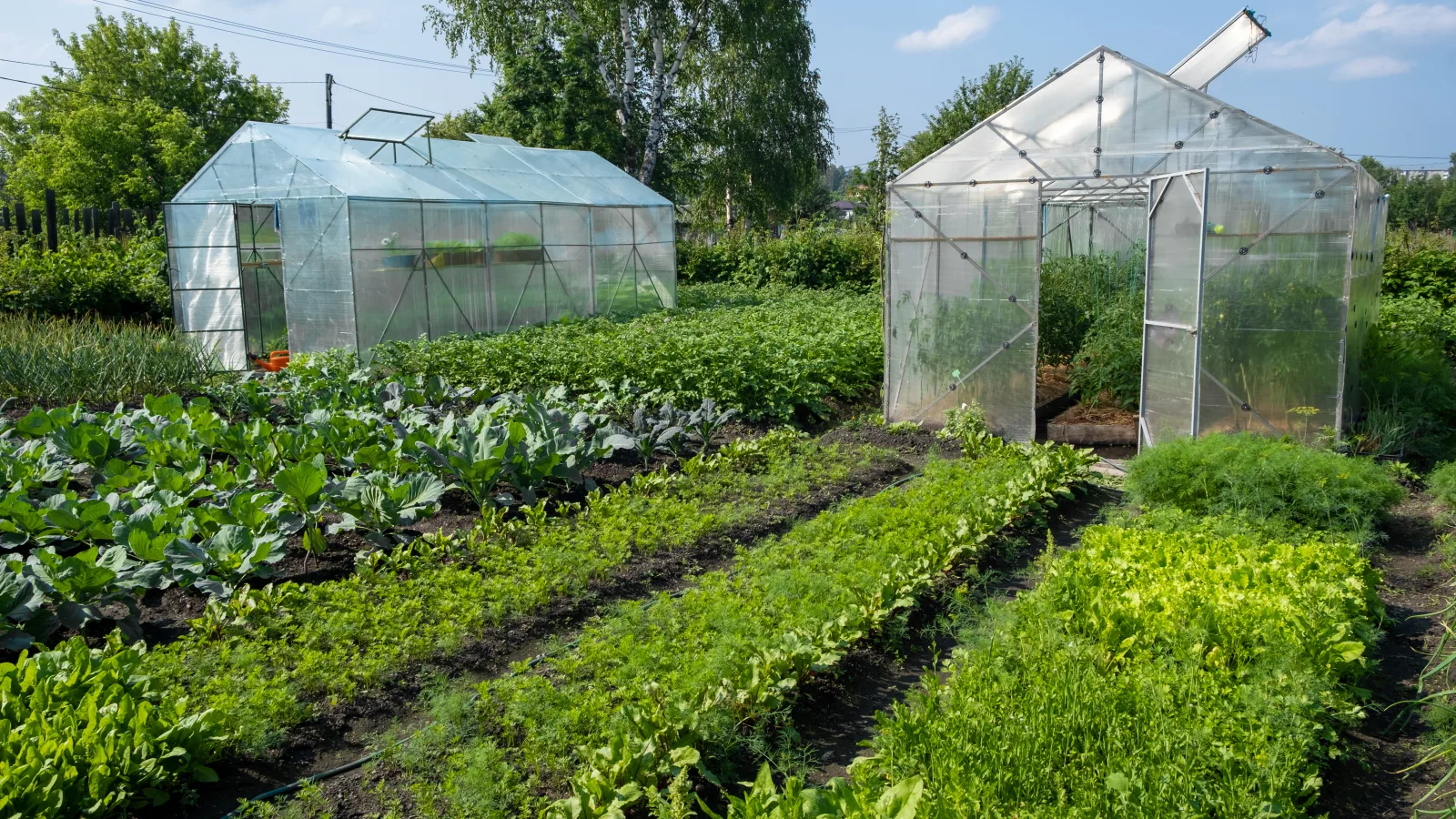
What the Label Leaves Out
Scientists have identified more than 26,000 chemicals in our food, yet nutrition labels track only a few dozen. Growing a variety of vegetables at home may be the simplest way to take in the many compounds science hasn't even named yet.
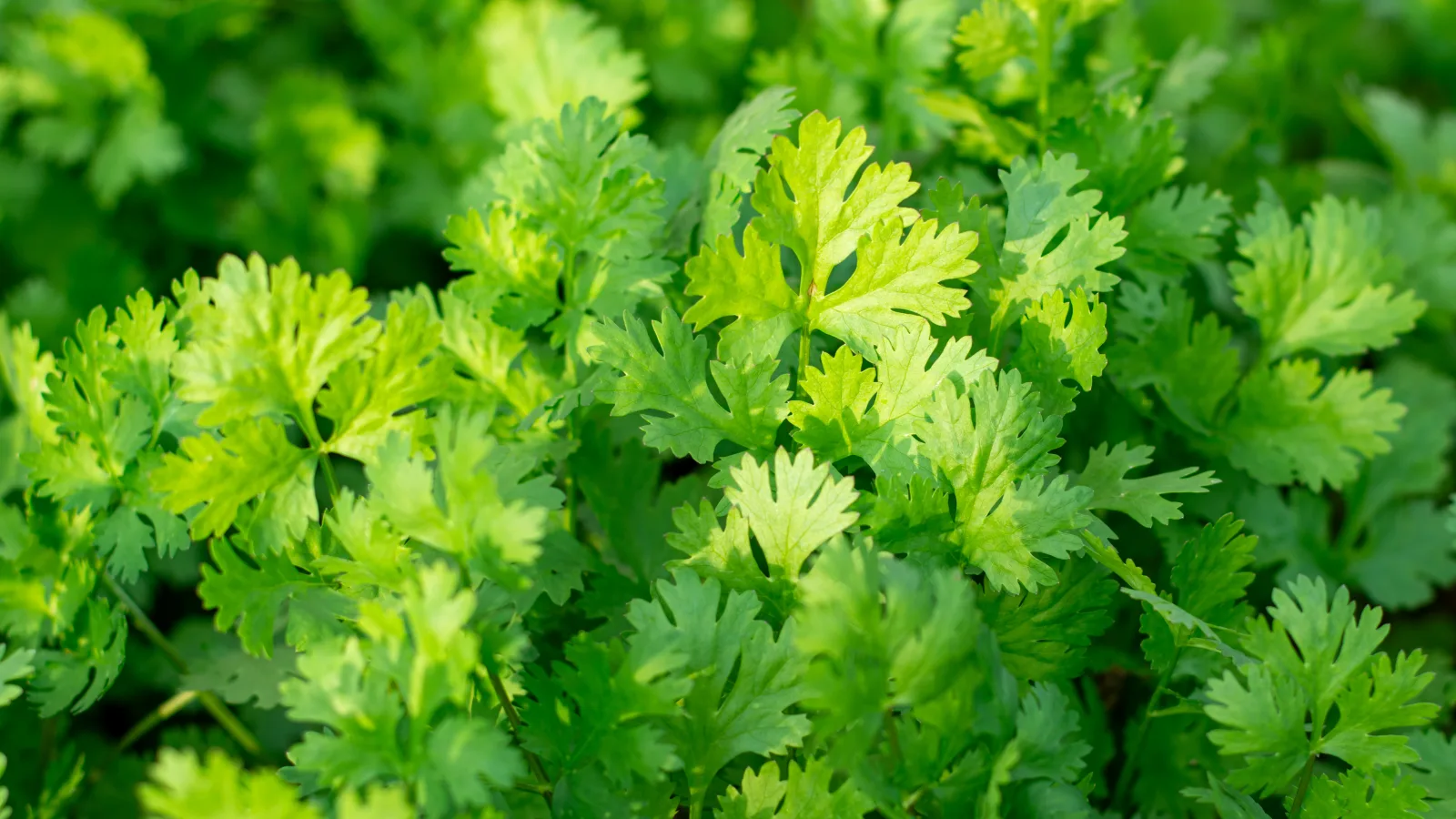
A Handful of Rice Husk Ash Can Transform Your Cilantro
Thin stems and pale, flavorless leaves are a common frustration for cilantro growers — and the culprit is often a hidden silicon shortage. A simple handful of rice husk ash, especially paired with a beneficial soil microbe, can restore vigor, yield, and even nutritional density.
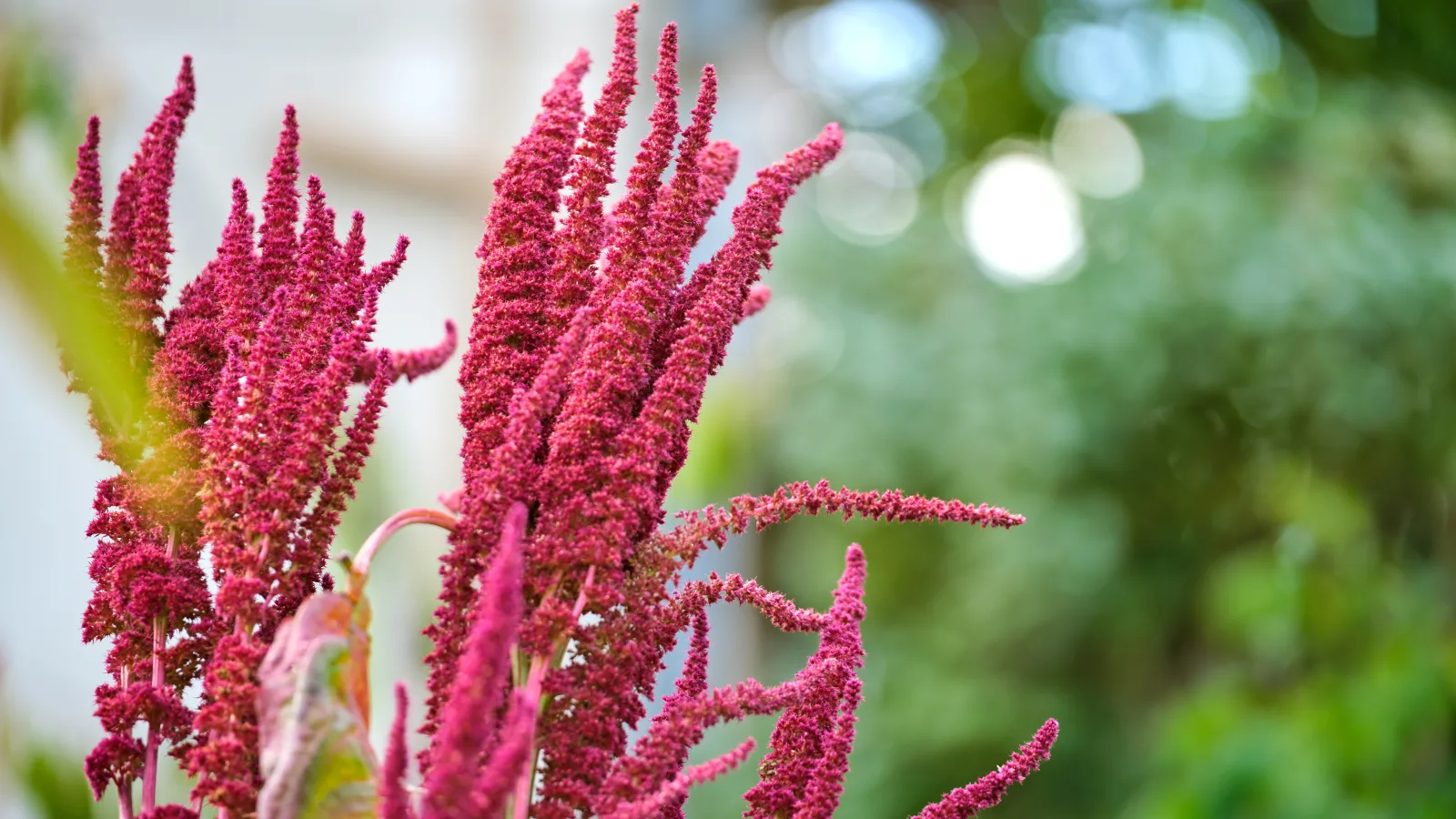
Amaranth: The Leafy Green That Thrives in Scorching Heat
When summer heat sidelines lettuce and spinach, amaranth steps in — a fast-growing, sun-tough leafy green that Rutgers University researchers found to be rich in iron, calcium, and protein. Here's how to grow it and put it to work in the kitchen.
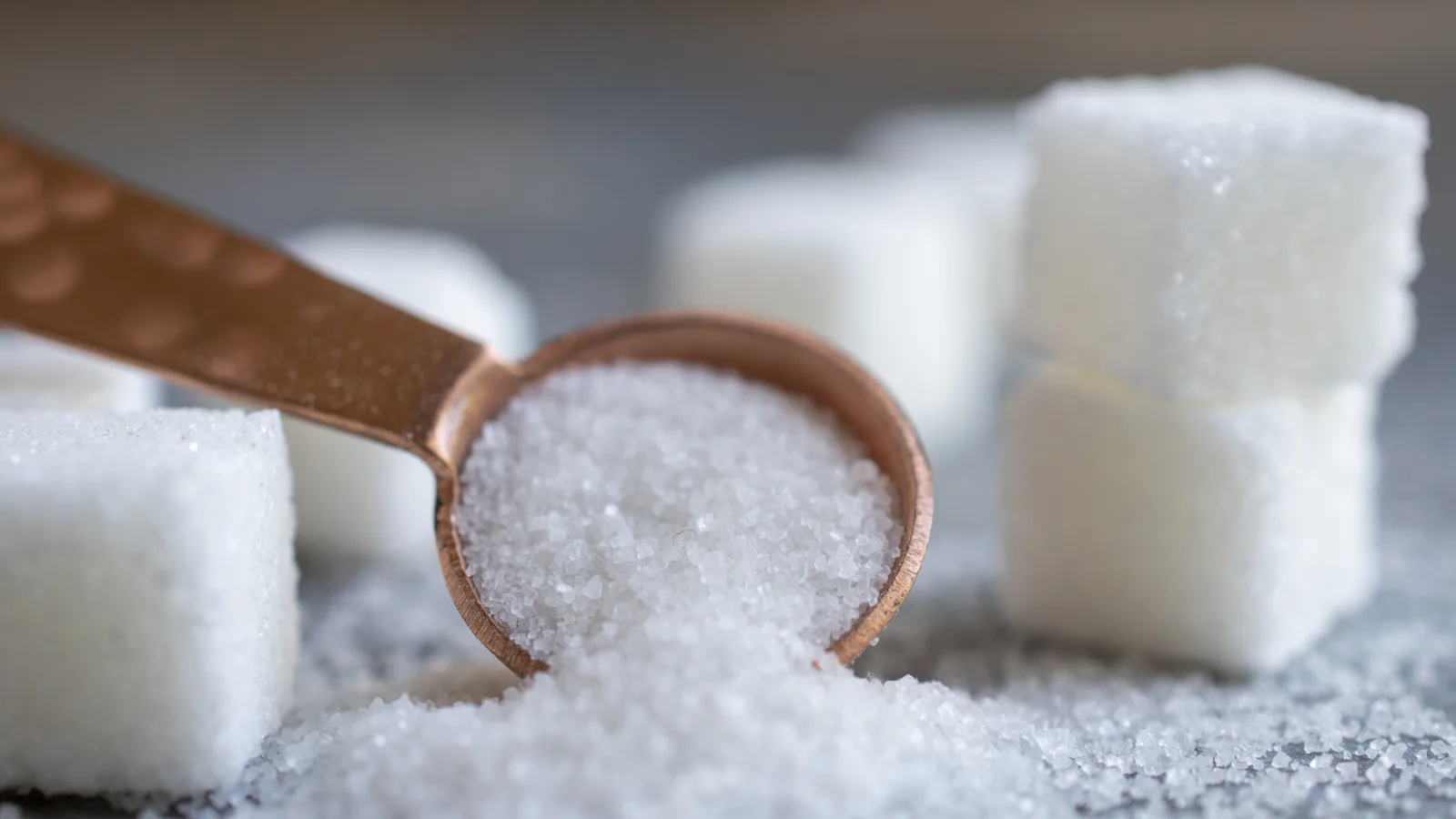
Cutting Out Sugar Completely Can Actually Worsen Your Blood Sugar
A recent animal study found that removing sugar entirely from a low-fat diet left blood sugar control worse, not better—and shifted the balance of gut bacteria along with it. The takeaway leans toward balance over total elimination.
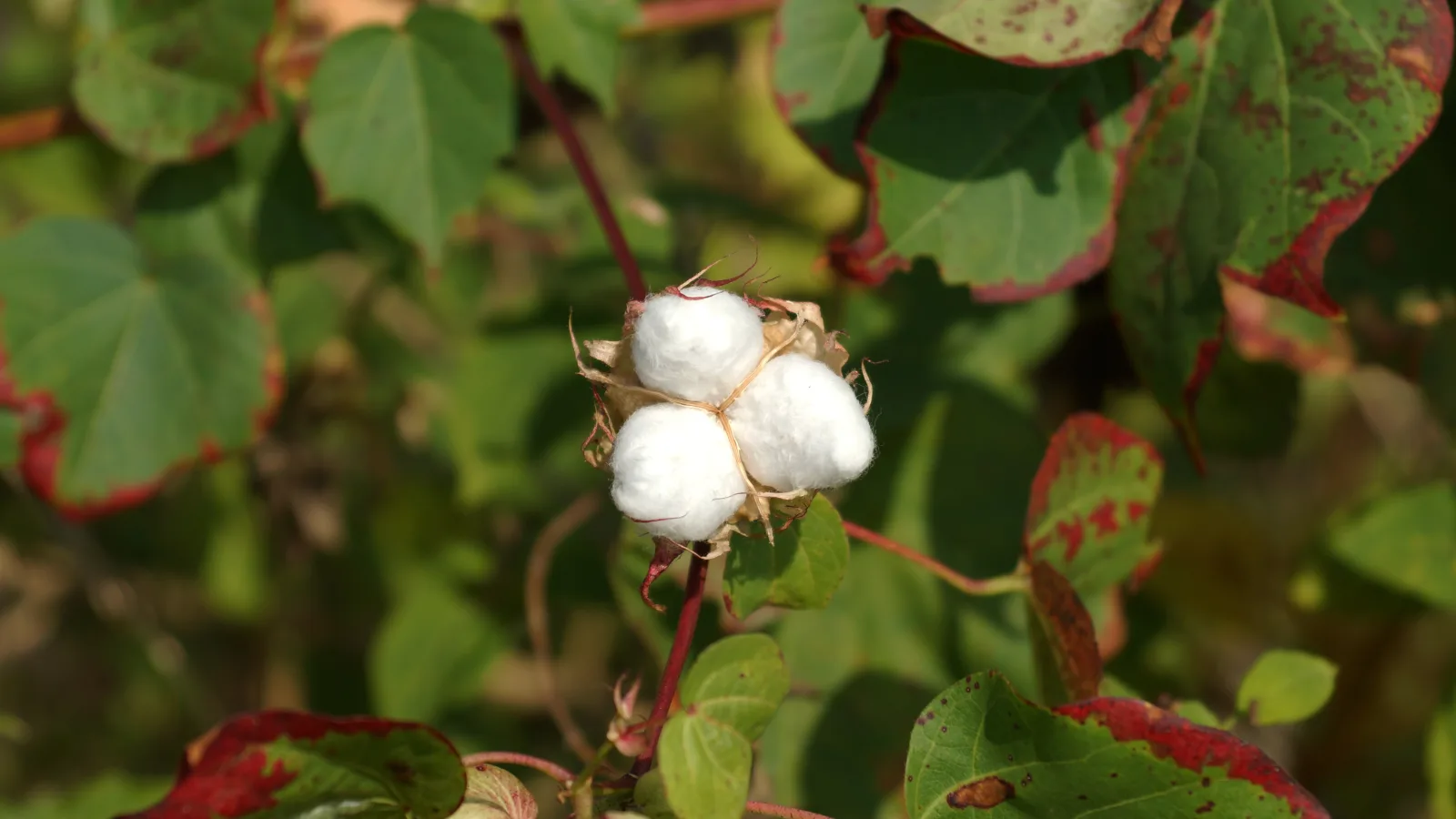
How Cotton Fights Back
Bacterial blight can quietly devastate a container-grown cotton plant, spreading from leaf to boll before most gardeners notice. New resistance-mapping research is helping breeders—and backyard growers—get ahead of the disease.
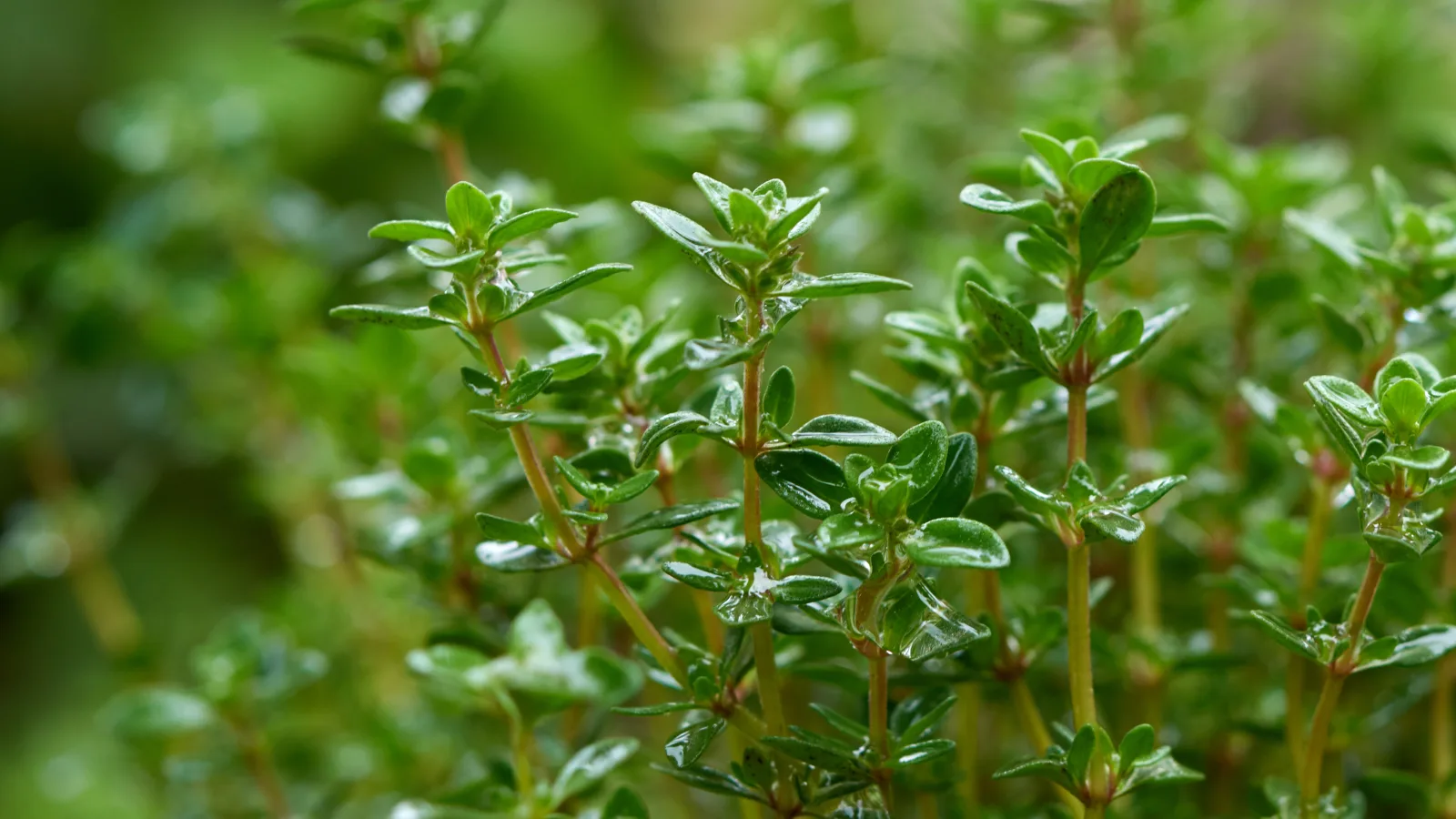
Thyme Slows the Spoilage of Meat
A sprig of garden thyme tucked between cuts of pork keeps the meat fresher overnight—and there's real science behind it. Here's how plant compounds slow the oxidation that turns meat off, and how to put that to work at home.
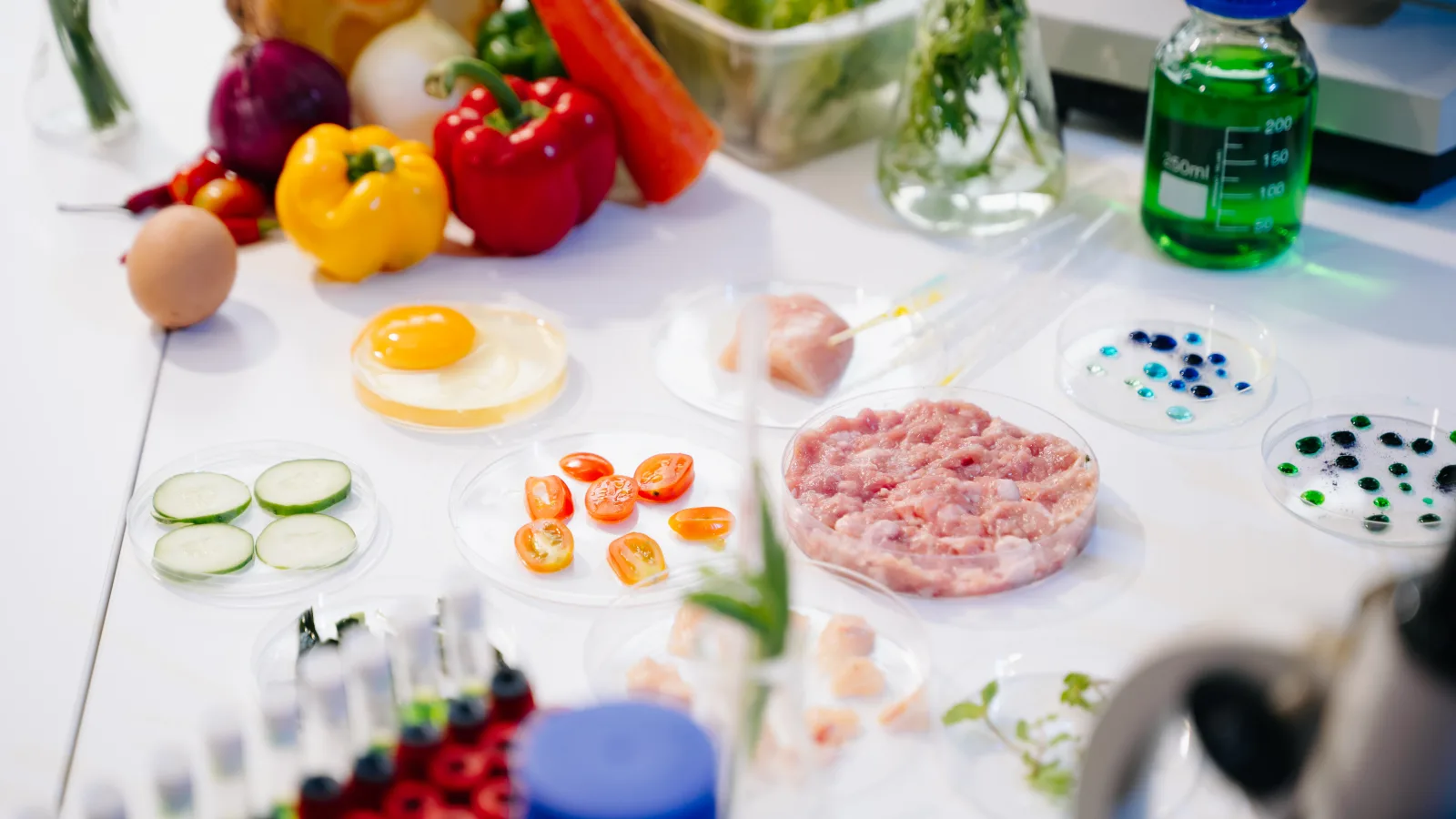
Eating Well but Still Losing Focus?
You're loading up on vegetables, yet every afternoon your concentration slips and your thinking goes foggy. Research suggests the ultra-processed foods sharing your table may be quietly undermining the benefits — and swapping even one snack for something garden-fresh can start to shift the balance.
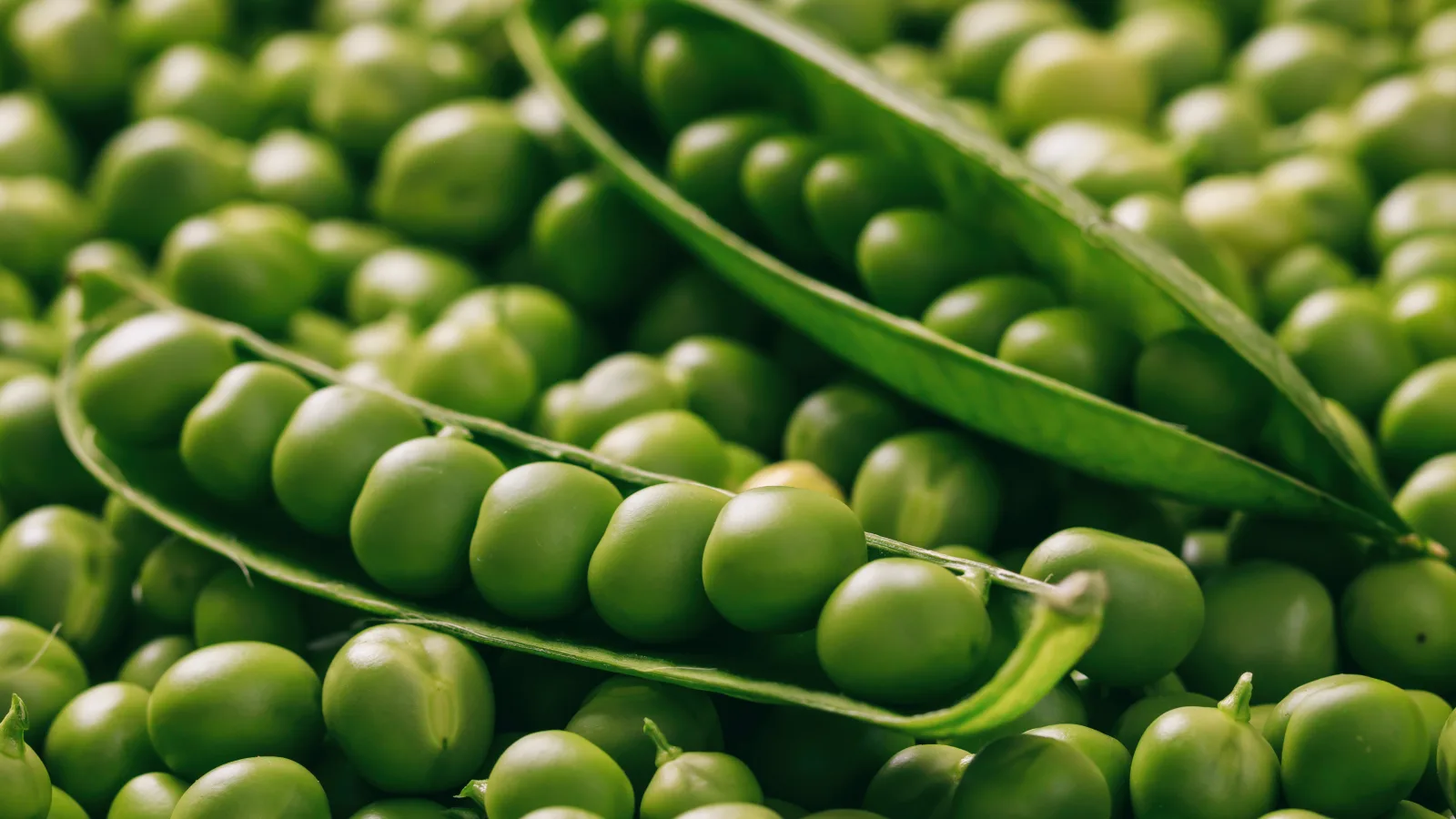
Garden Peas: Health Through the Eyes of the Dongui Bogam
Garden peas have been tended in Korean kitchen plots for centuries, and Korea's landmark 17th-century medical encyclopedia, the Dongui Bogam, tells us exactly why. Gentle, balanced, and quietly sweet, peas were prized for soothing the spleen and stomach, quelling persistent thirst, and steadily supporting the body's underlying foundation.
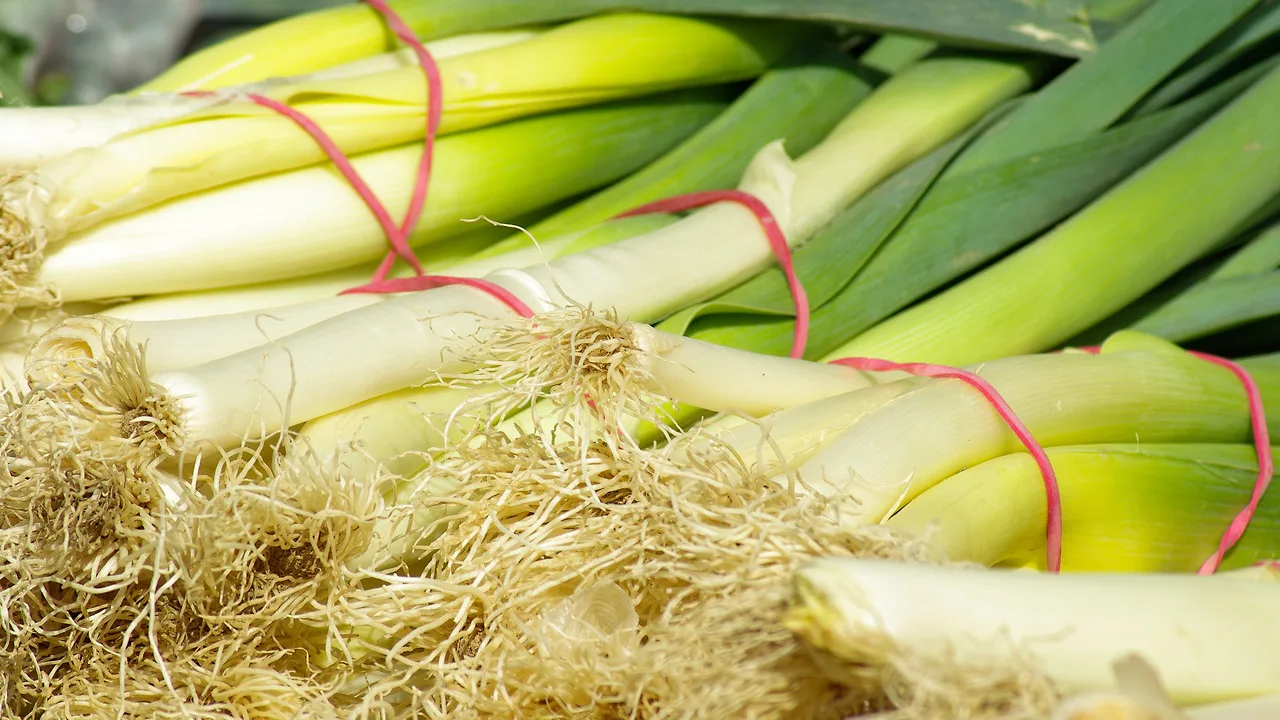
Green Onion Wellness, as Seen by Dongui Bogam
The large green onion growing in your garden has a quietly distinguished history in Korean classical medicine. Dongui Bogam gave its thick white base a dedicated name — chongbaek — and relied on it as a household remedy for early-stage chills, best simmered with ginger in a warming broth.
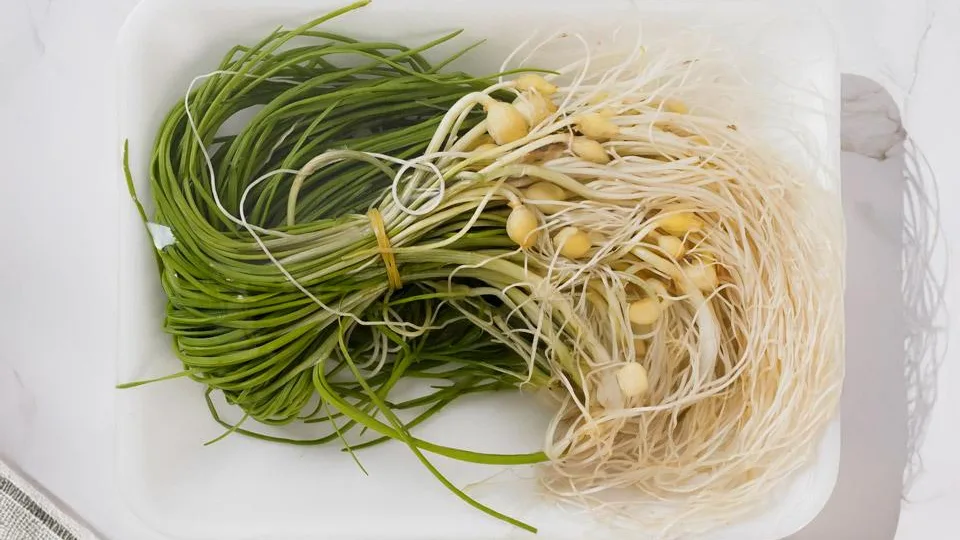
Korean Wild Chive: What Dongui Bogam Said About Its Health Benefits
Korean wild chive turns up almost unbidden in a winter-rested garden, and it has been welcome on the Korean table for centuries. The Dongui Bogam, the landmark 1613 Korean medical encyclopedia, classified it as a warming food for digestion — a view that aligns surprisingly well with what modern nutritional science notices in the same plant.
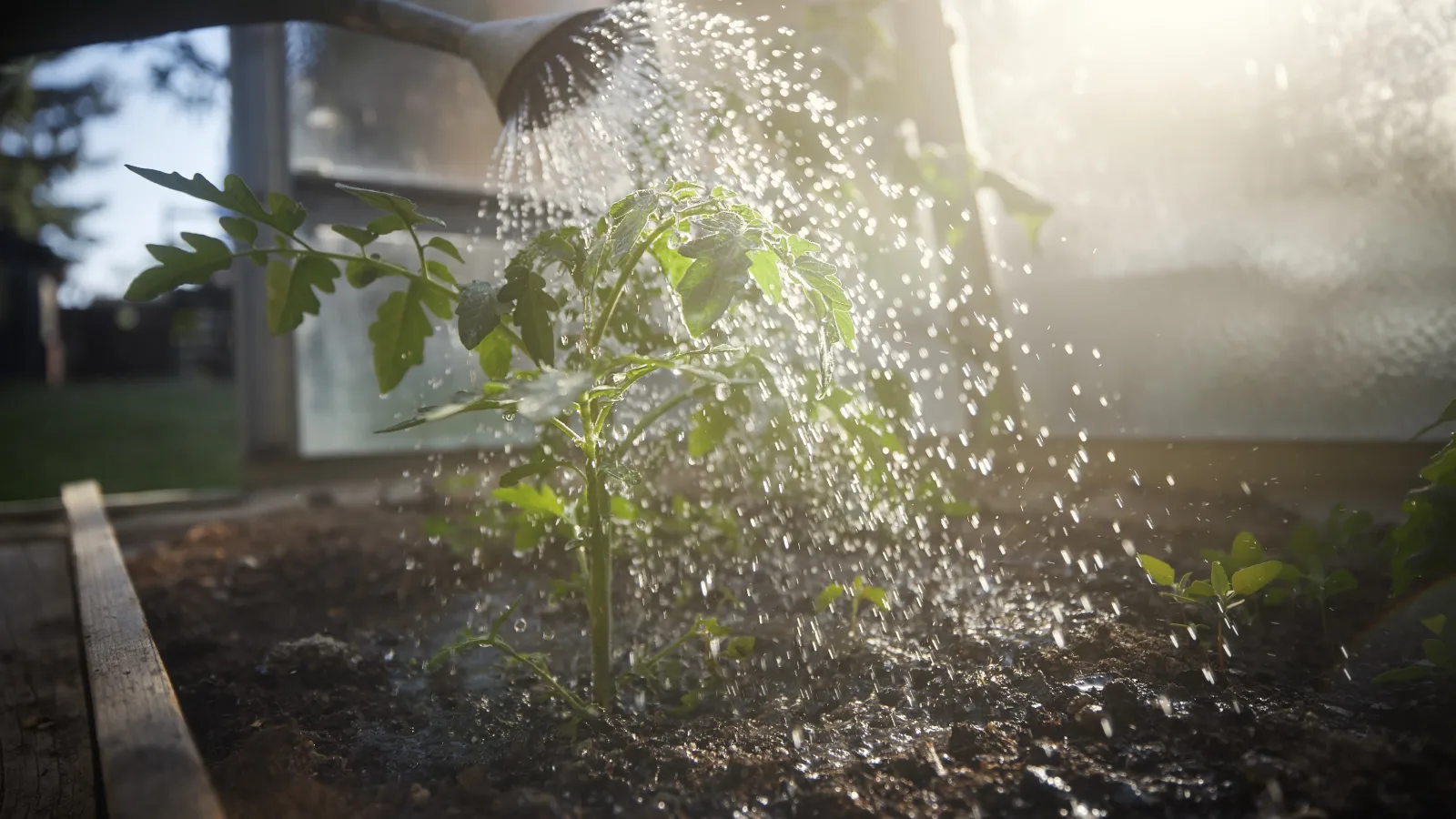
Why Leaves Keep Working Through Heat and Dry Air
A new study from Australia's ANU reveals that heat and dry air stress plants in distinct ways. Knowing the difference can help you water and shade your summer garden far more effectively.
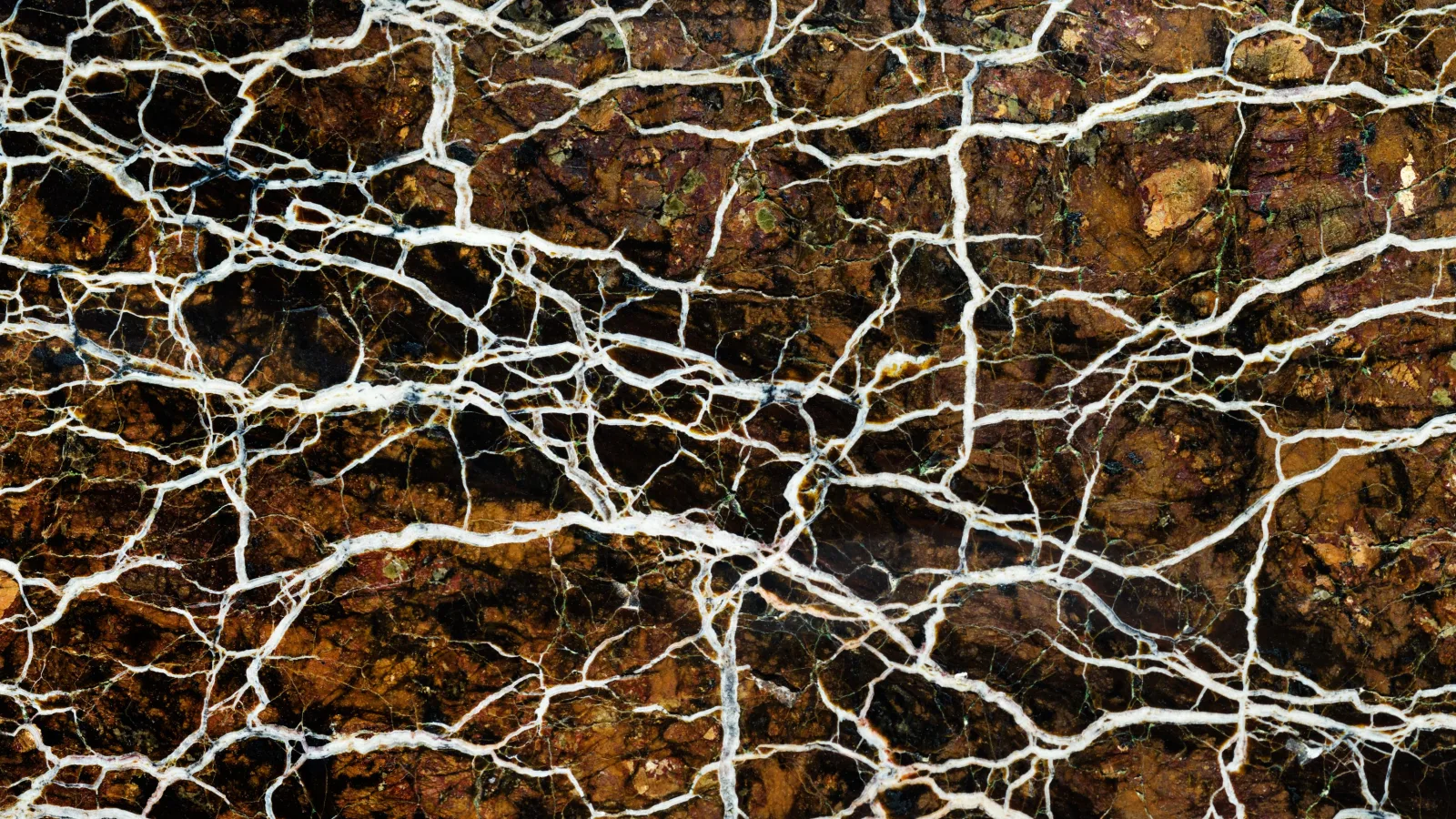
Beneath Your Garden Bed, Fungi Are Feeding Your Plants
An international research team has estimated the total length of Earth's mycorrhizal network for the first time — roughly 110 quadrillion kilometers of invisible fungal threads that feed nearly every plant on land, including the ones in your garden.
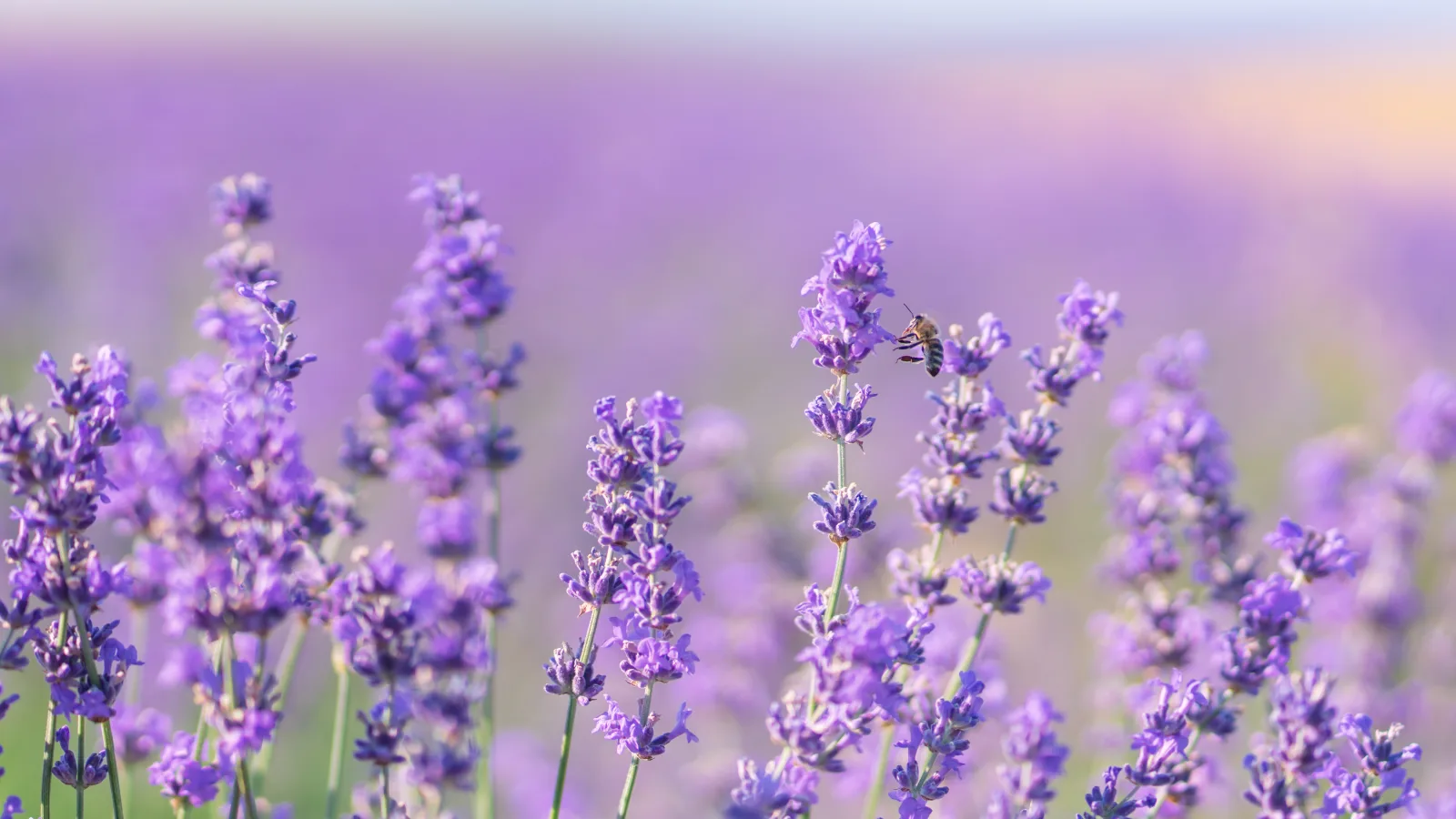
Lavender Gets Richer Every Year You Leave It in Place
Conventional wisdom says rotating crops prevents soil fatigue — but a six-year study from China's premier lavender-growing region found the opposite: lavender left in the same bed year after year produced significantly more essential oil without any loss of fragrance quality.
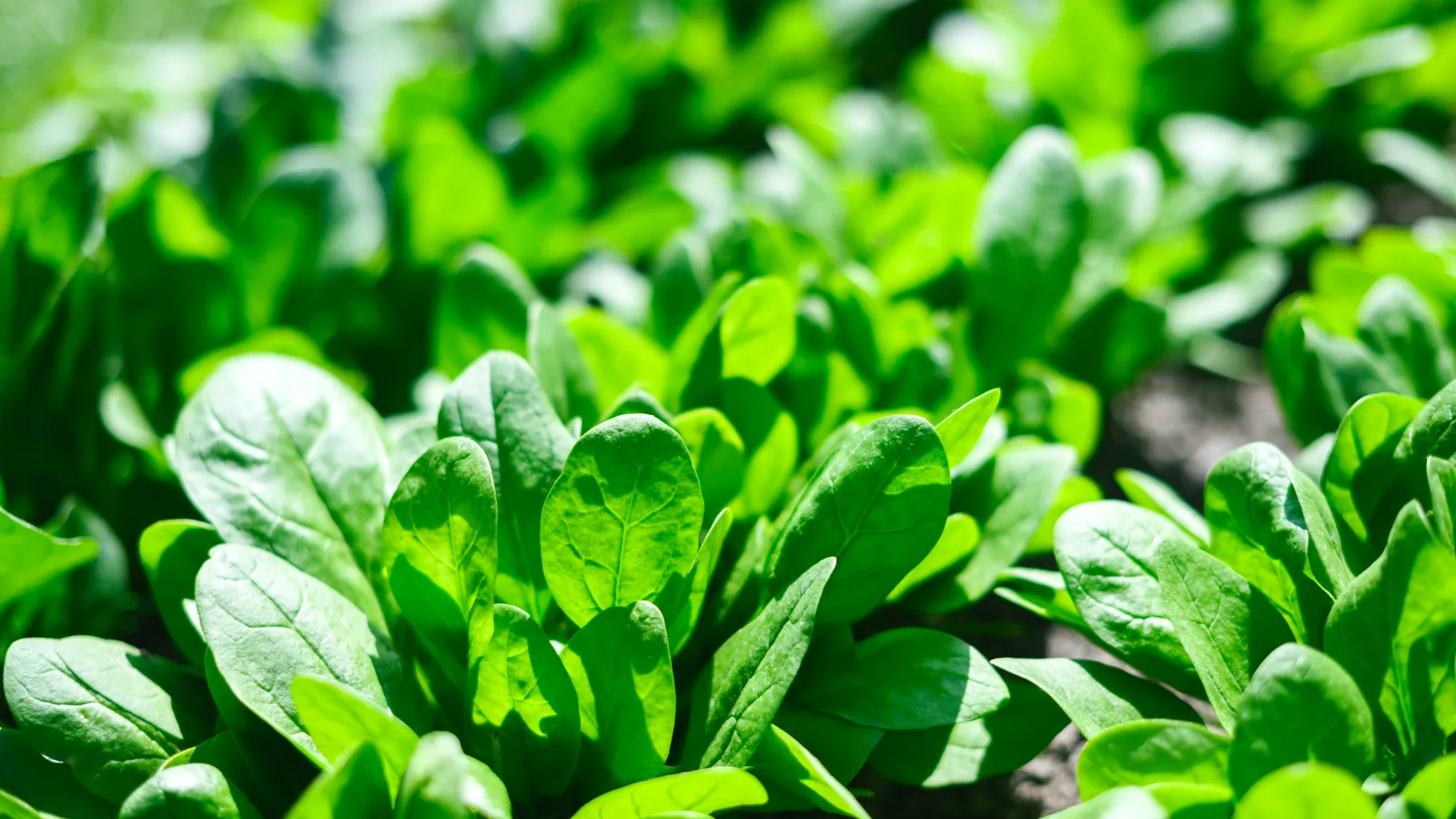
Spinach Holds Its Own in Salty Soil
Salt crust forming on your container soil is a warning sign — but spinach is tougher than it looks. A 2026 study finds that even in high-salinity conditions, spraying selenium directly on the leaves can maintain yields and actually increase the plant's antioxidant content.
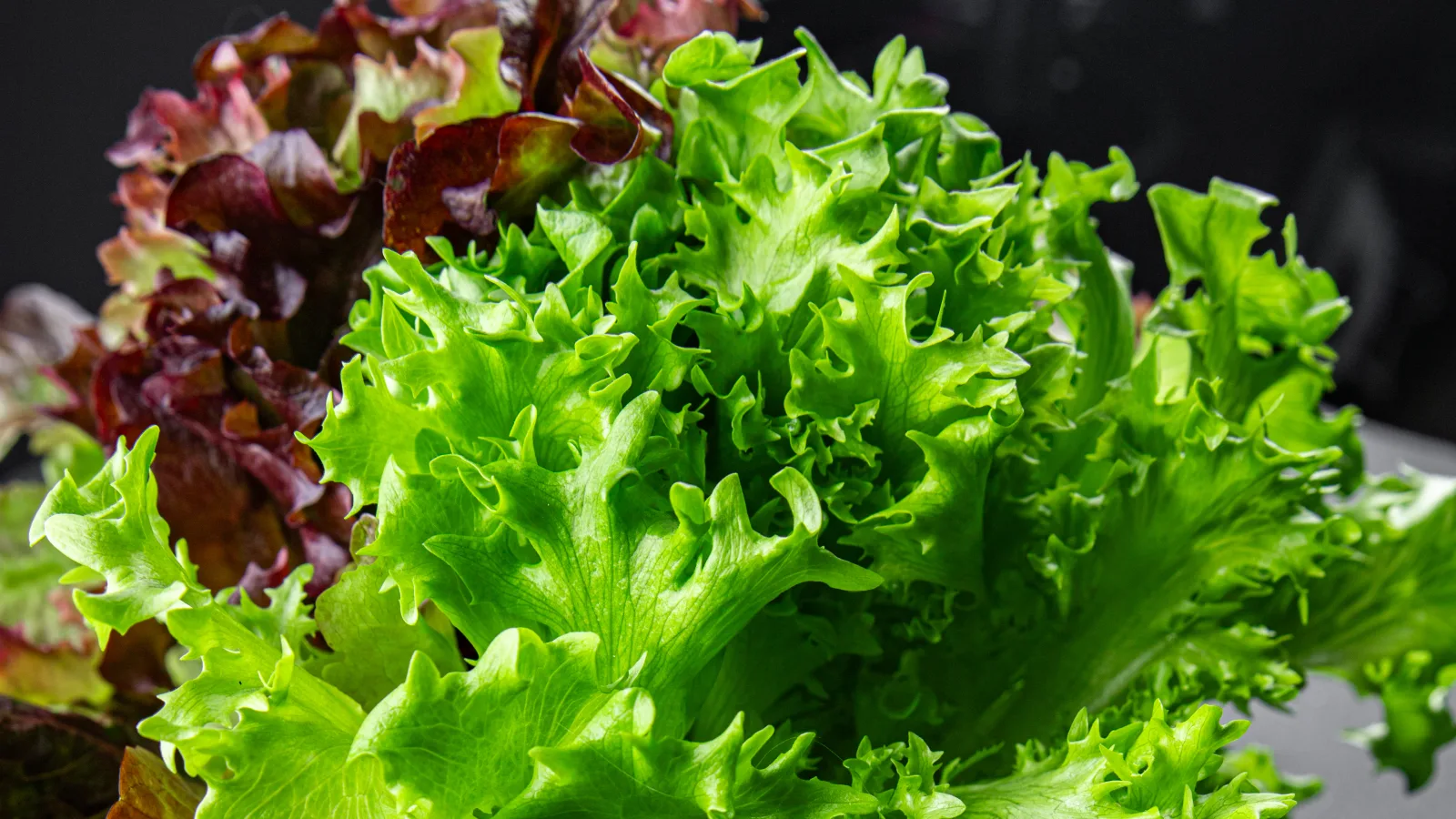
If Your Lettuce Is Growing Slowly, Check Phosphorus Uptake First
Slow growth and pale leaves a month after transplanting may not mean your lettuce needs more fertilizer — the soil could have plenty of phosphorus that the roots simply can't reach. Here's how leonardite humic substances help unlock what's already there.

A Garden That Gets Little Hands Dirty
A season-long garden program in Gyeryong City showed what a few pots of soil can do for young children — and why every family can easily try it at home.
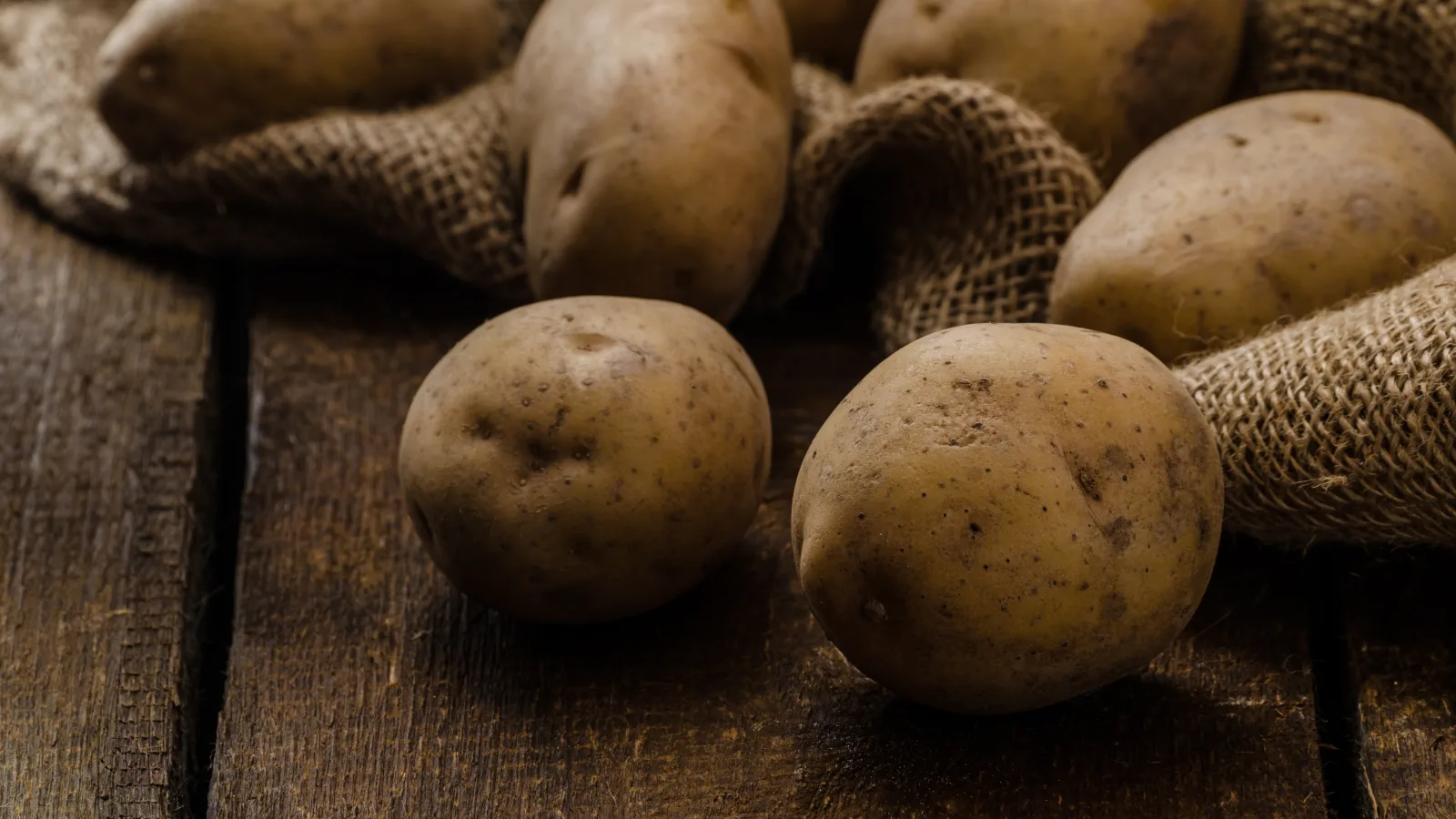
800 kg of Garden Potatoes, Headed for a Neighbor's Table
A community garden in Daejeon donated 800 kg of homegrown potatoes to a local food bank, sending the season's harvest to families in need. Here's why potatoes make such a good crop to share, and how you can pass along your own garden surplus this summer.
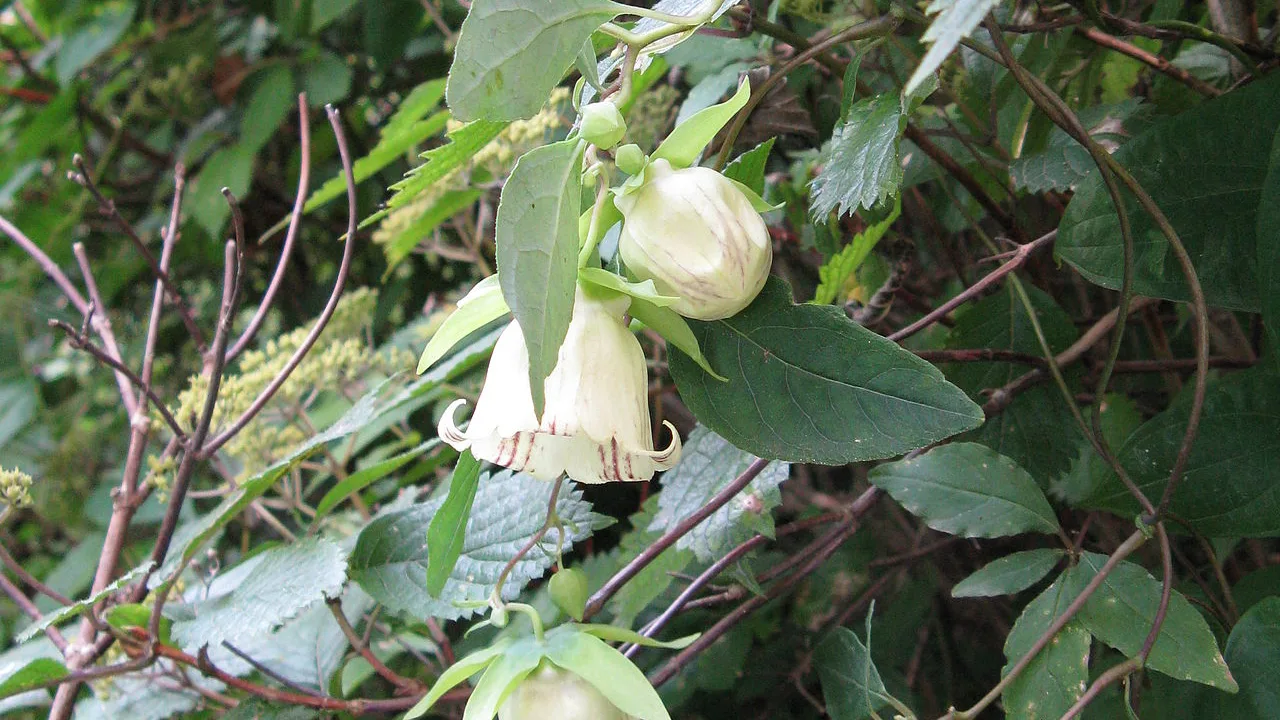
A Single Deodeok Vine on the Balcony, Fragrance and All
Sow deodeok (a bellflower-family root prized in Korean cooking and traditional medicine) in a deep balcony pot, give it a stake to climb, and enjoy its scent for two or three seasons until the roots are ready to harvest.
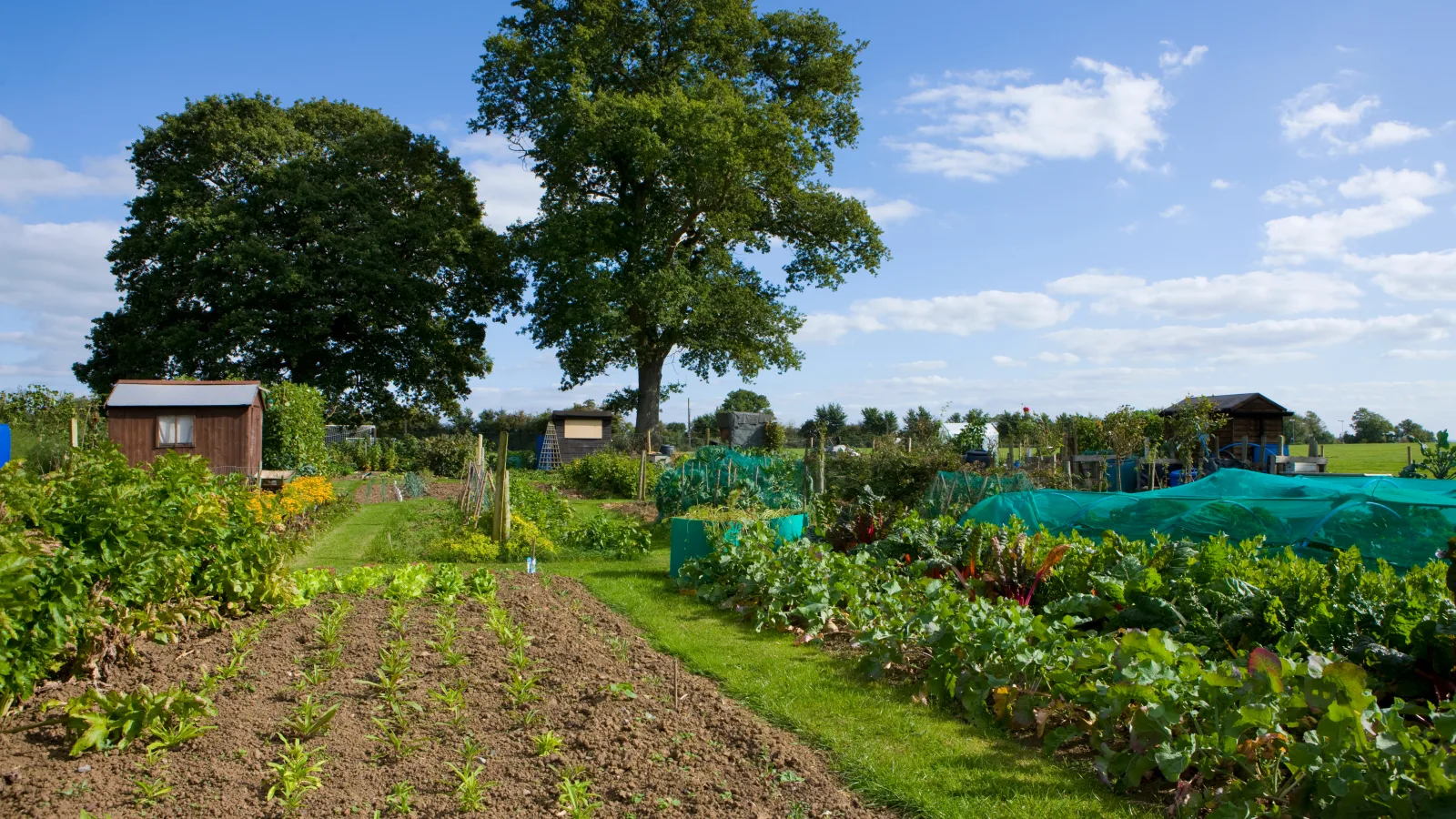
Touching Soil in the Heart of the City: The 'Green Pause'
Urban gardening doesn't require a field—just a few pots, a sunny window, and a little patience. Here's how to start small with lettuce, cherry tomatoes, and basil, and turn ten minutes in the soil into a daily breather.
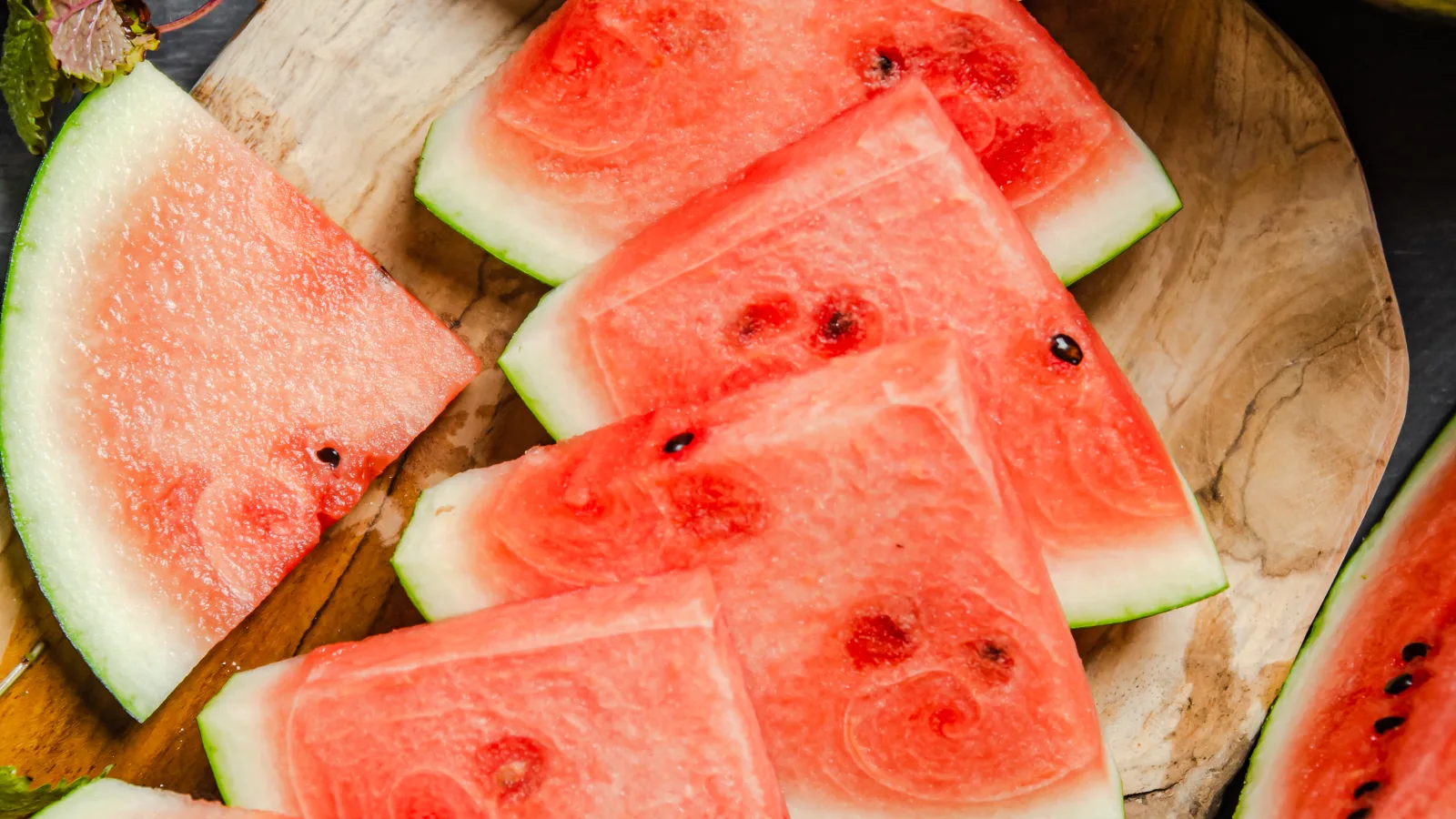
Don't Toss the Watermelon Rind—Turn It Into a Side Dish
The pale layer between a watermelon's red flesh and green skin holds more blood-vessel-friendly citrulline than the fruit itself. Here's how to clean it up and cook it into easy summer side dishes.
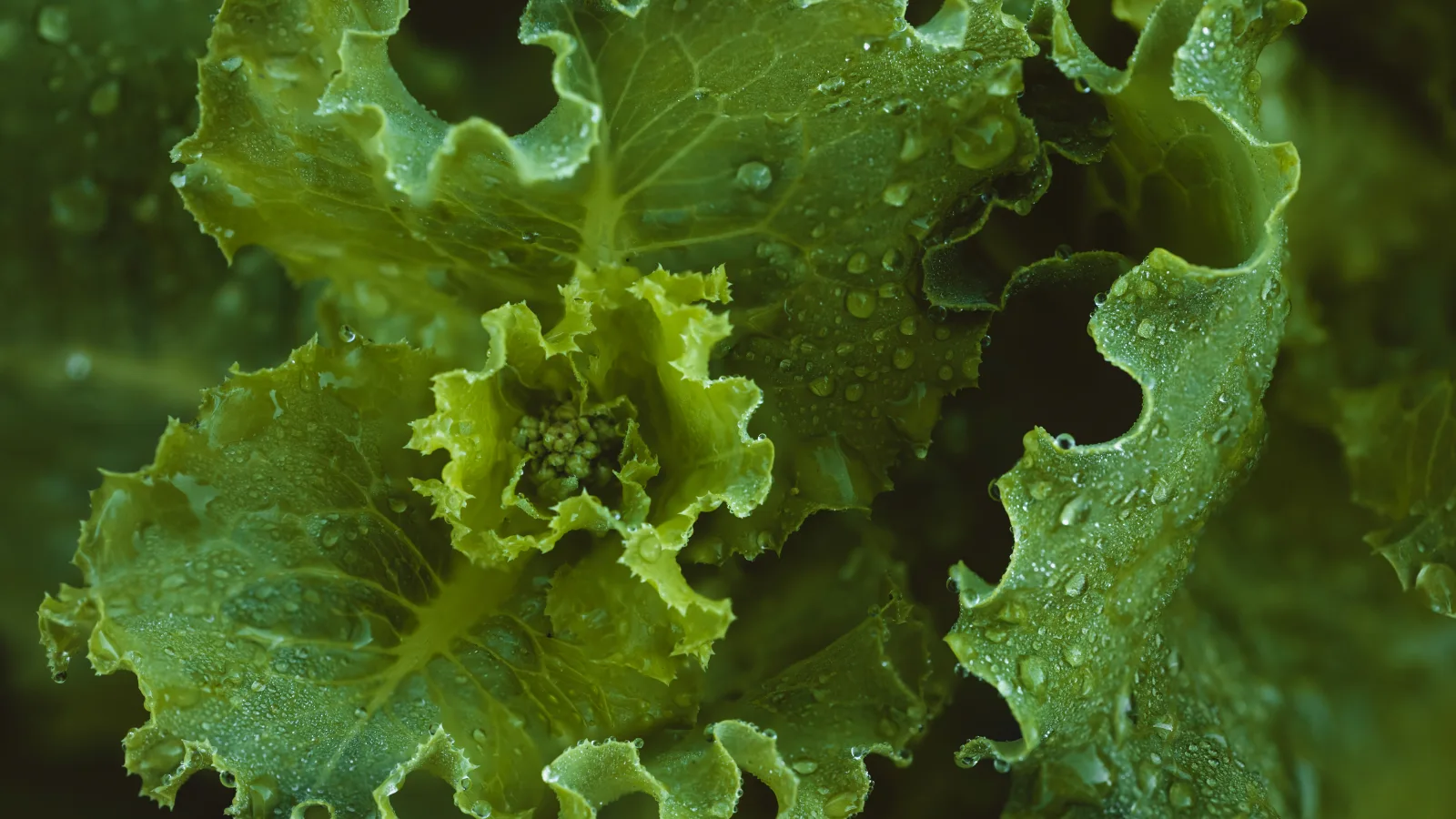
Can a Plate of Lettuce Really Help You Sleep? Here's What the Science Says
The old saying that lettuce helps you sleep turns out to have real clinical research behind it — but not every claimed benefit is equally well supported. We sort lettuce's health effects honestly, from solid evidence to educated guesswork.
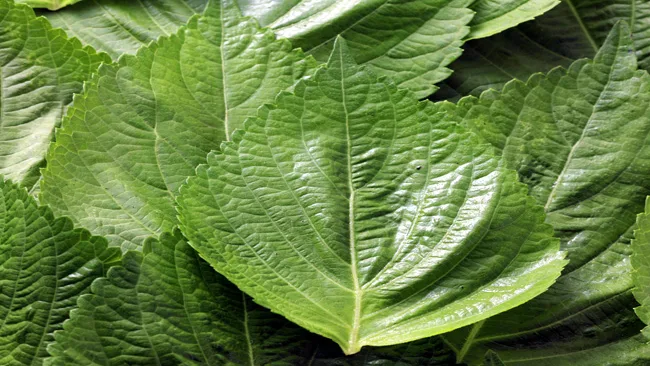
Perilla Grows Back as Fast as You Pick It
Perilla is a crop that grows back as fast as you pick it. Harvest from the bottom up, pinch the growing tip once at five or six nodes, and you'll be gathering tender leaves all summer long.
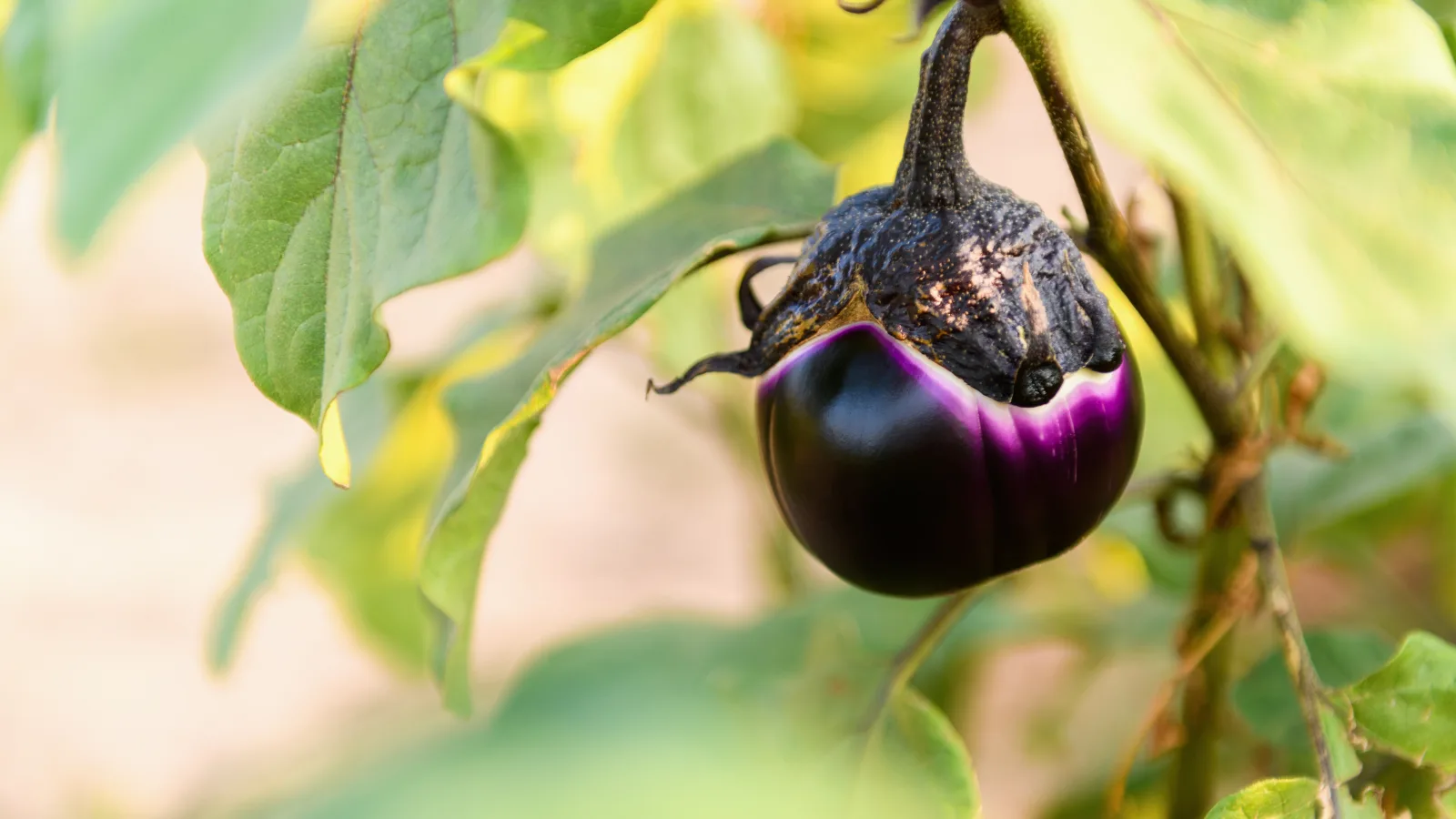
From the Purple of an Eggplant's Skin to Your Bloodstream
The deep purple of an eggplant's skin isn't just color—it's a protective anthocyanin pigment called nasunin that supports our blood vessels too. This piece follows that pigment from the garden bed to the dinner plate, with tips on choosing, cooking, and pairing eggplant to keep its goodness intact.
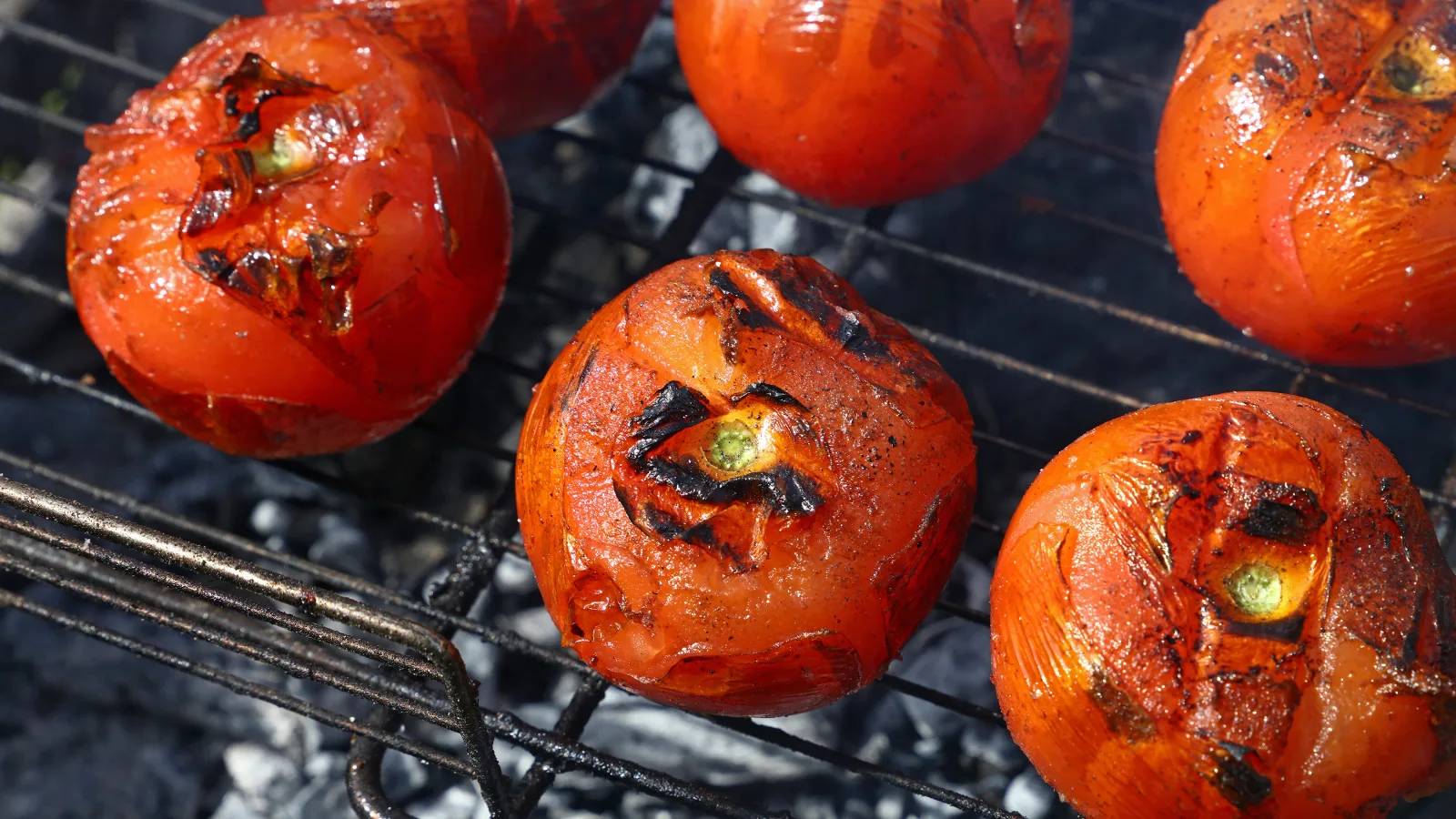
Cook Your Garden Tomatoes — You'll Get Twice the Lycopene
Lycopene, the pigment that turns garden tomatoes red, is linked to lower cancer risk and modest drops in blood pressure and LDL cholesterol. The catch: your body absorbs far more of it when the tomatoes are cooked with a little oil.
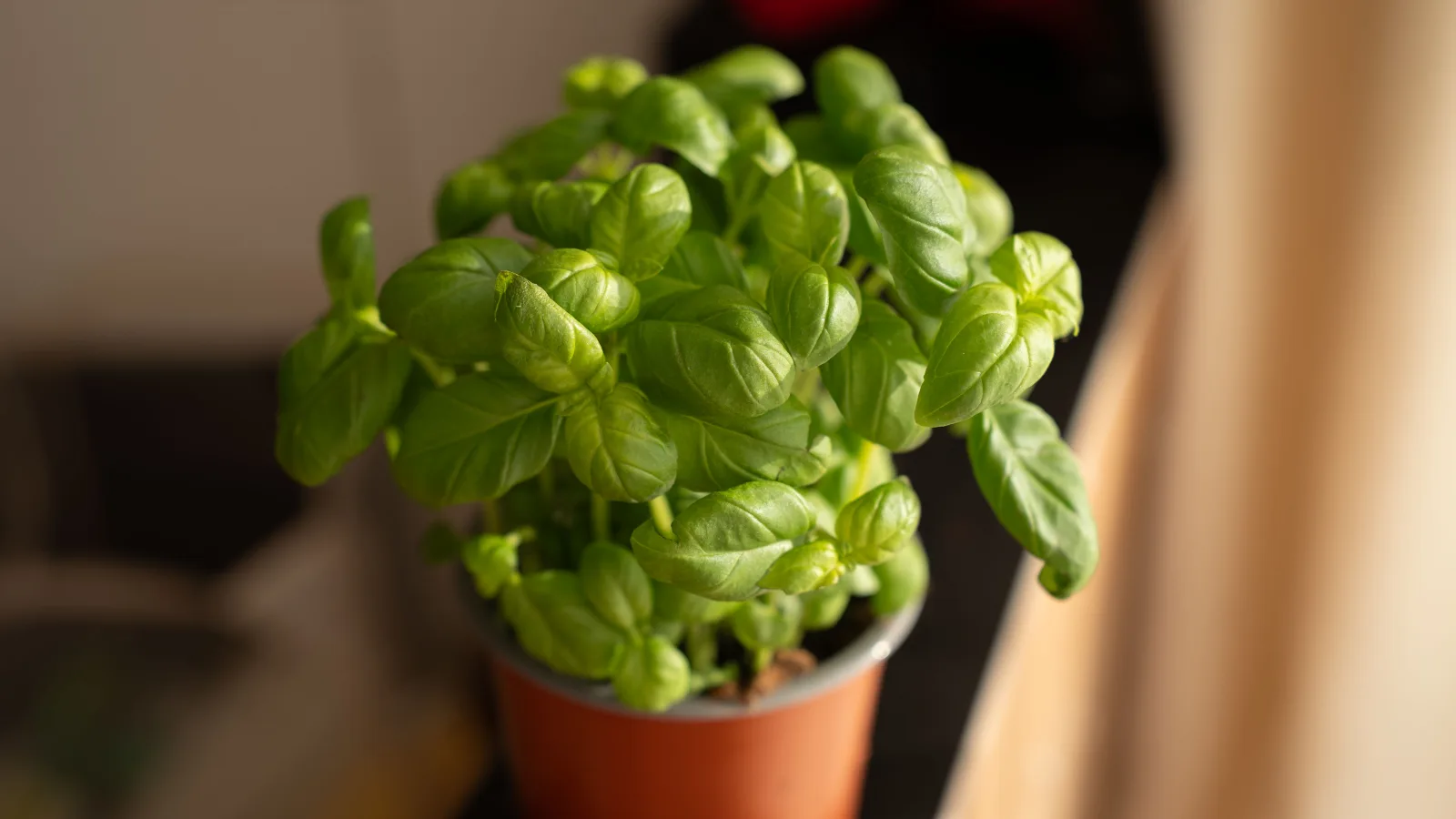
Growing Basil in a Balcony Pot: Start in May and Enjoy the Scent Right Through Fall
Starting basil from a seedling in May sets you up for fragrant leaves from June through October. With sunlight, steady watering, and regular pinching, a single balcony pot delivers fresh harvests all season.
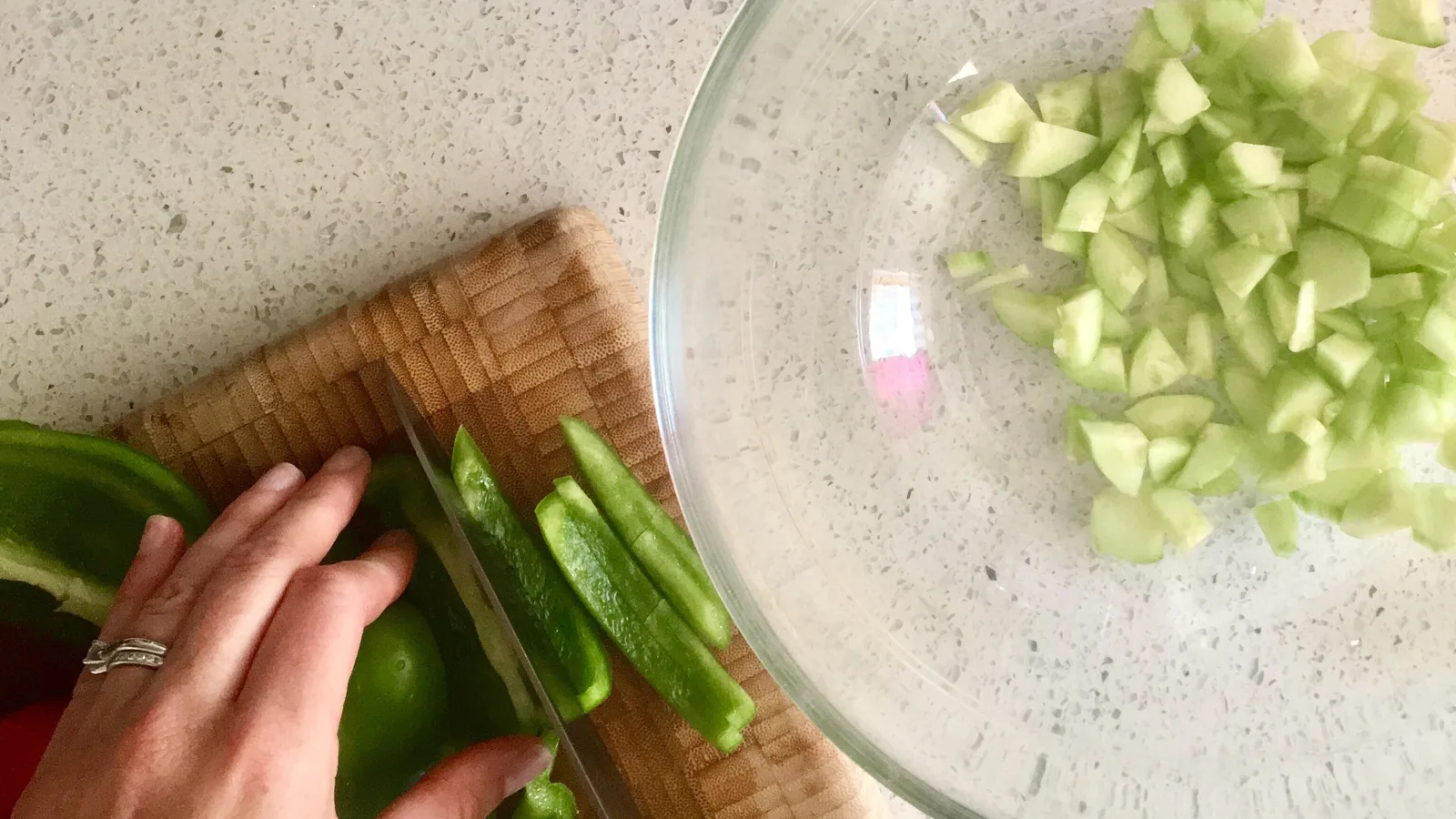
A Bowl of Chilled Cucumber Soup to Cool Down on a Sweaty Summer Day
A no-cook Korean chilled cucumber soup (oi-naengguk) made with garden-fresh cucumbers — tangy, refreshing, and ready in minutes for hot summer days.
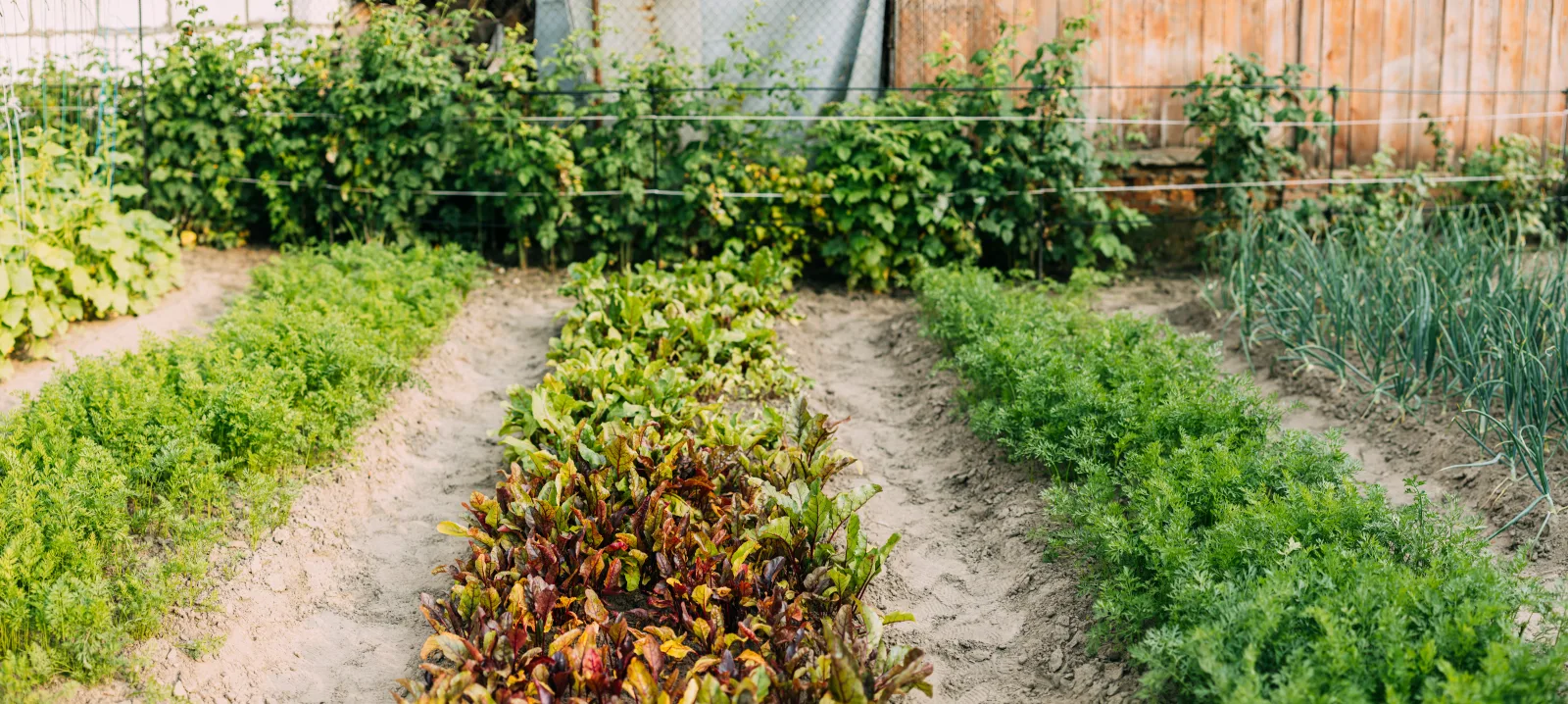
The June Garden: Five Crops It's Not Too Late to Plant
June in the garden has a quiet urgency to it. With the monsoon rains around the corner, it's tempting to think you've missed your chance, but you haven't. The trick is simply choosing the right crops, and these five will still reward a June sowing.
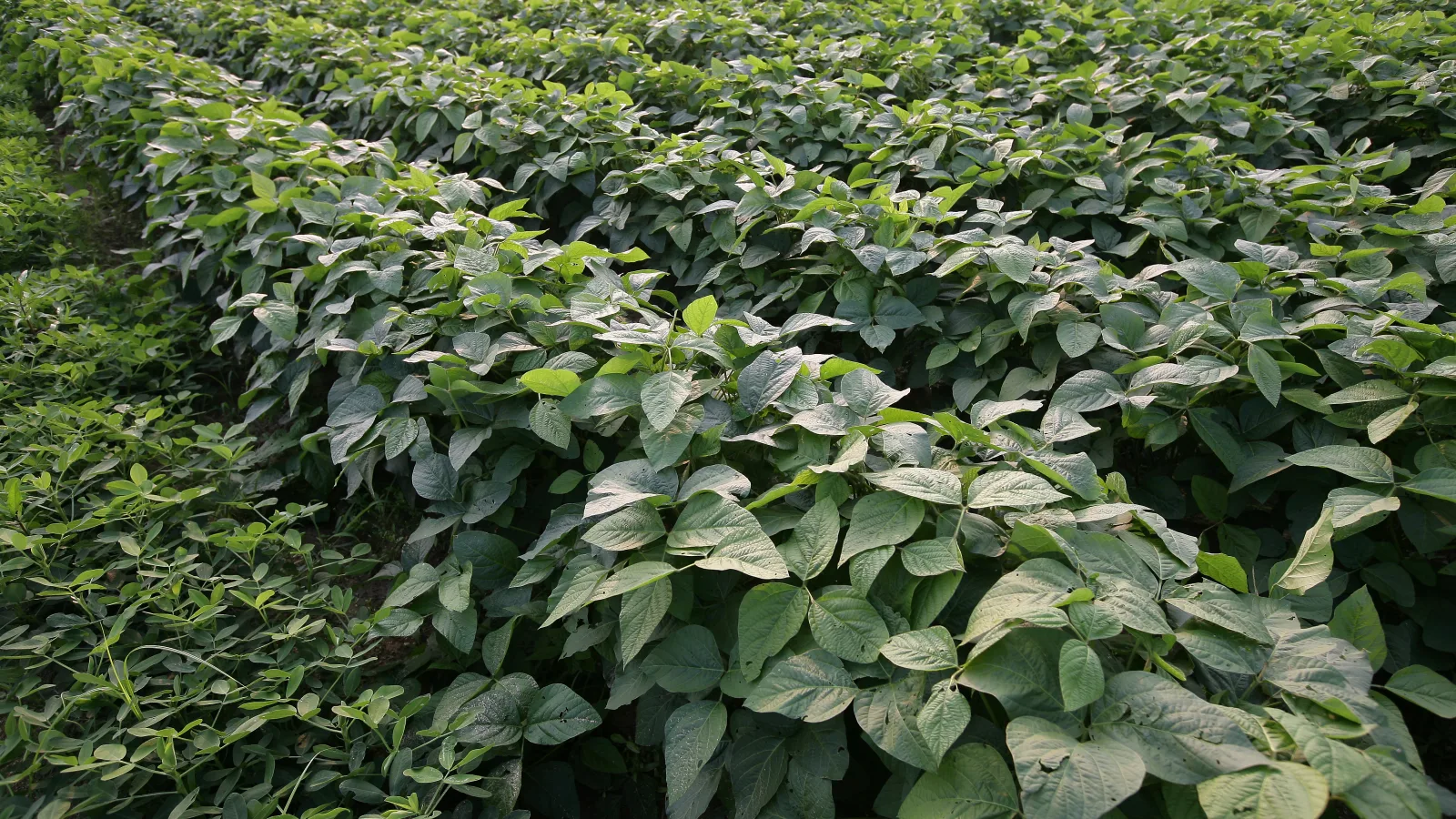
A Handful of Garden Perilla, a Spoonful of Perilla Oil
As summer deepens, perilla spreads through one corner of the garden. We pick its broad leaves for lettuce wraps and press the ripe autumn seeds into fragrant perilla oil. This everyday plant carries something few other vegetable oils can match: an exceptionally rich supply of omega-3.
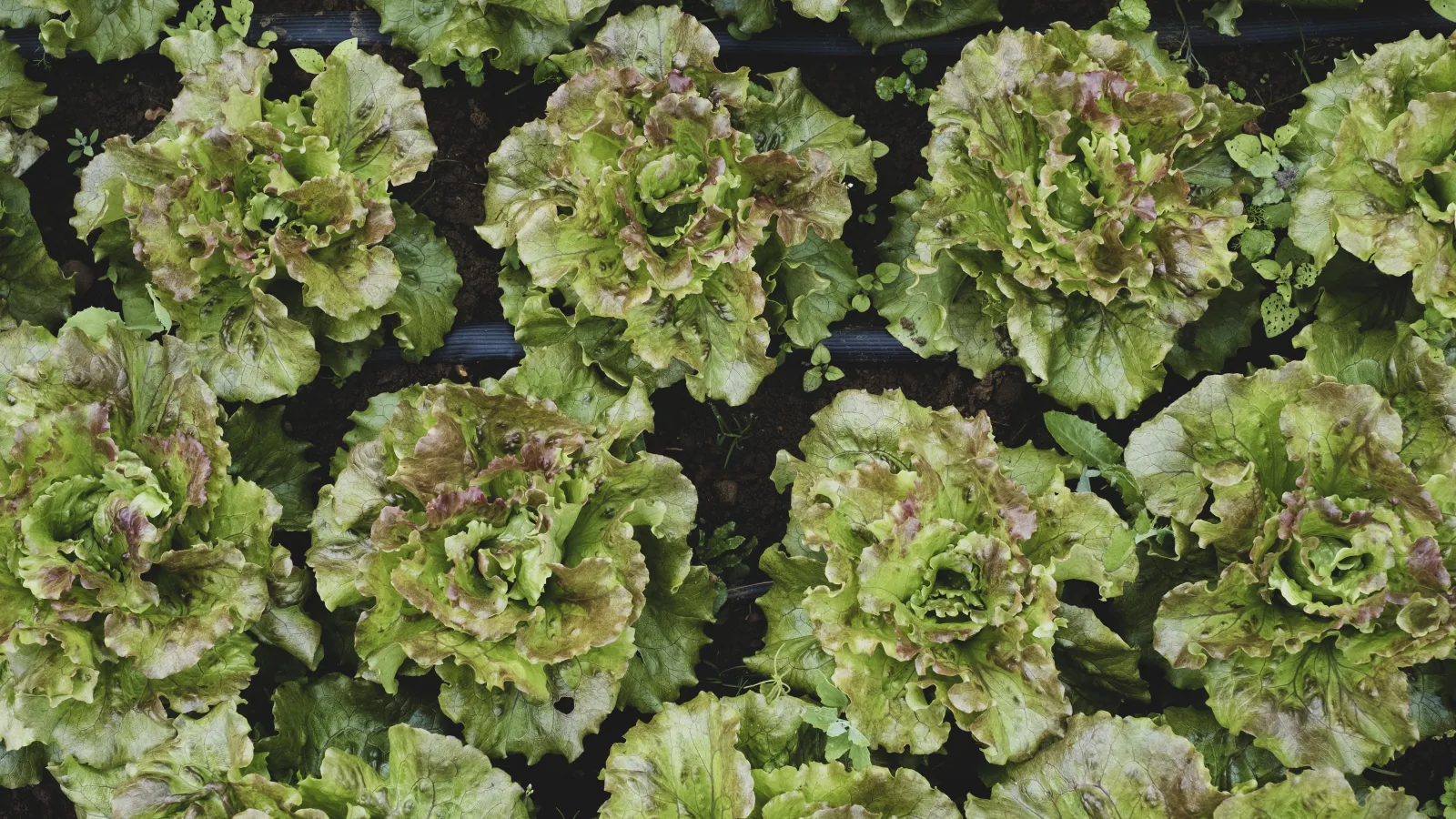
Lettuce in a Jug of Water: A Hydroponic Kit From Seed to Supper
A simple hydroponic kit lets you grow leaf lettuce on the balcony with nothing but water, a small pump, and a bit of light. It's the most foolproof first crop for a city gardener, and a sleep-friendly green on top of that.
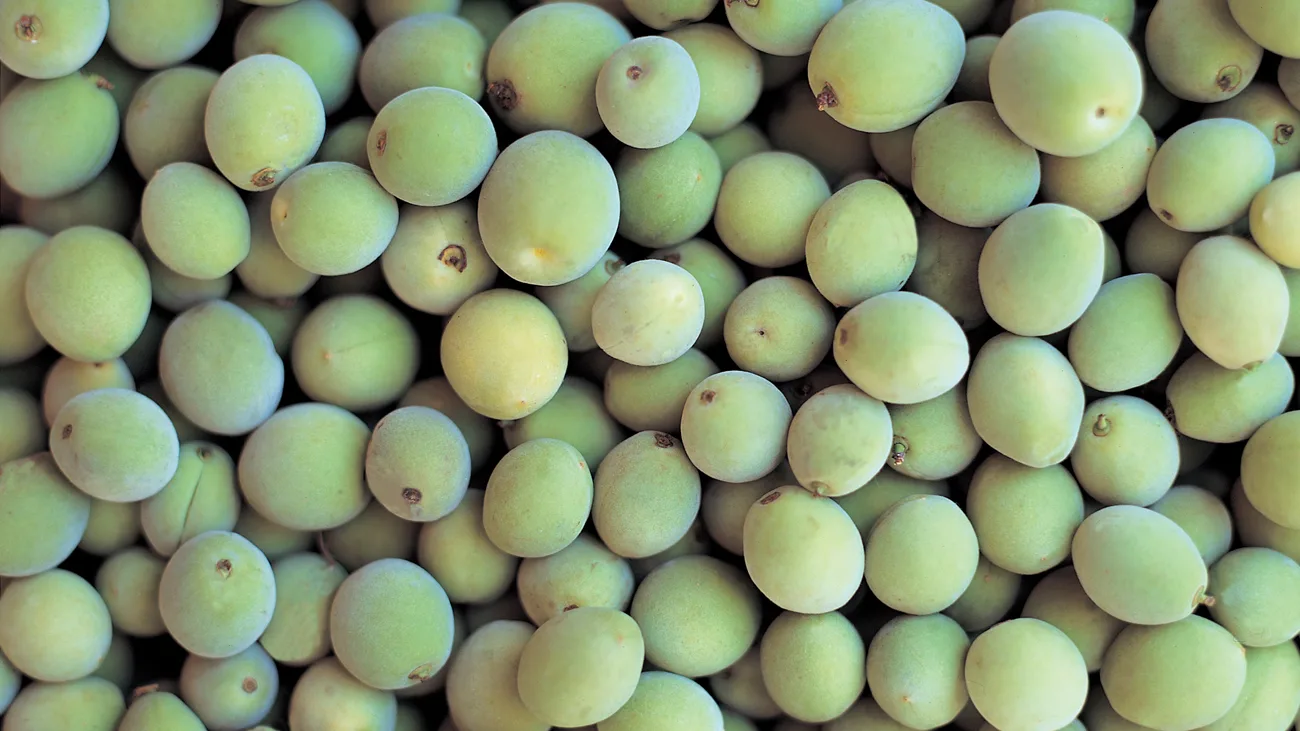
June's First Project: Making Green-Plum Syrup
For about a month each June, firm green plums fill the markets. Layer them with sugar now, and a hundred days later you'll have a jar of homemade maesil-cheong (green-plum syrup) to sip through the heat of summer.
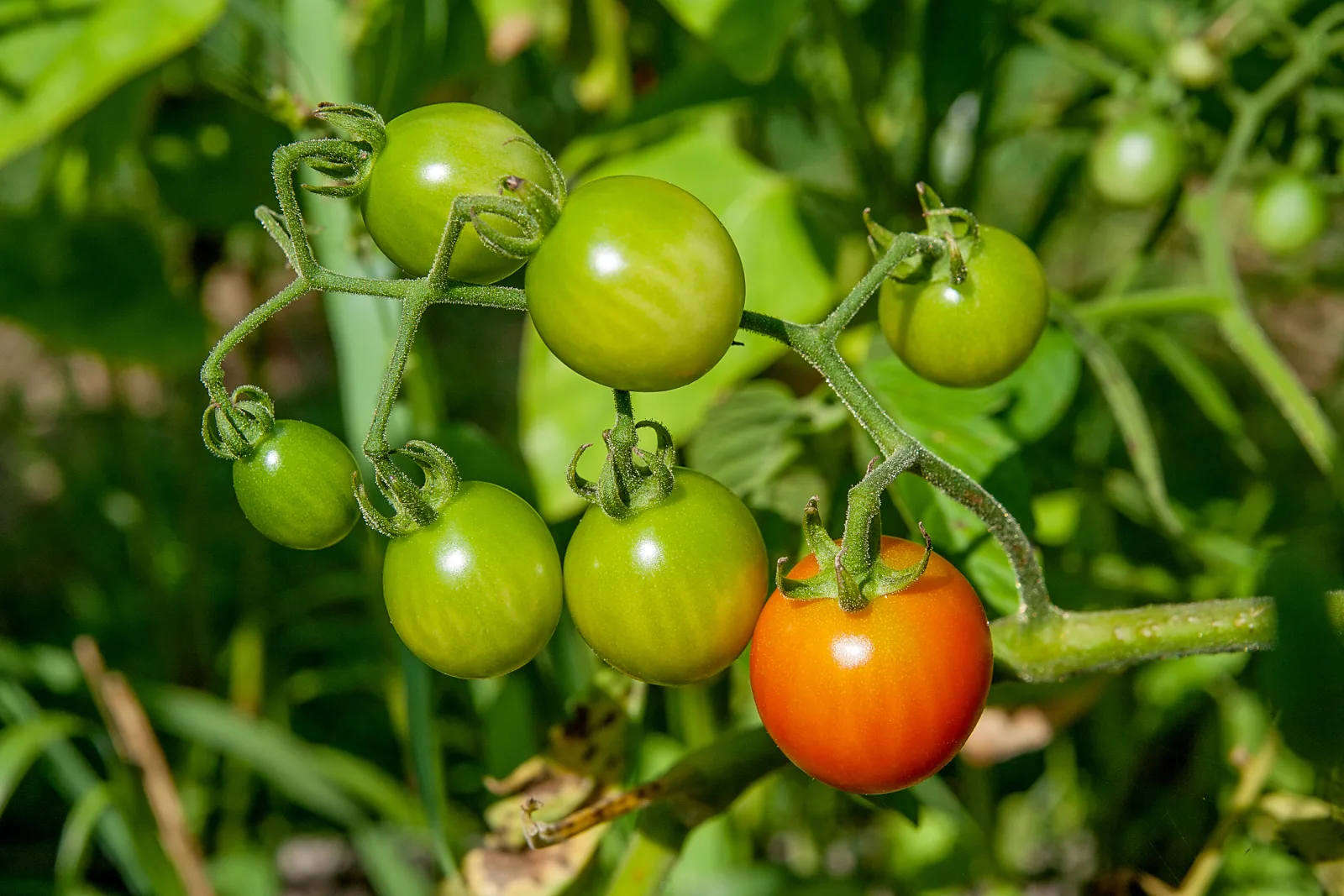
Growing Cherry Tomatoes: One Balcony Pot Is All You Need
Cherry tomatoes are the easiest fruiting vegetable to grow in a single pot, going from a spring seedling to ripe red fruit you pick all summer long. Here's how to plant, pinch, water, and enjoy them right from your balcony.
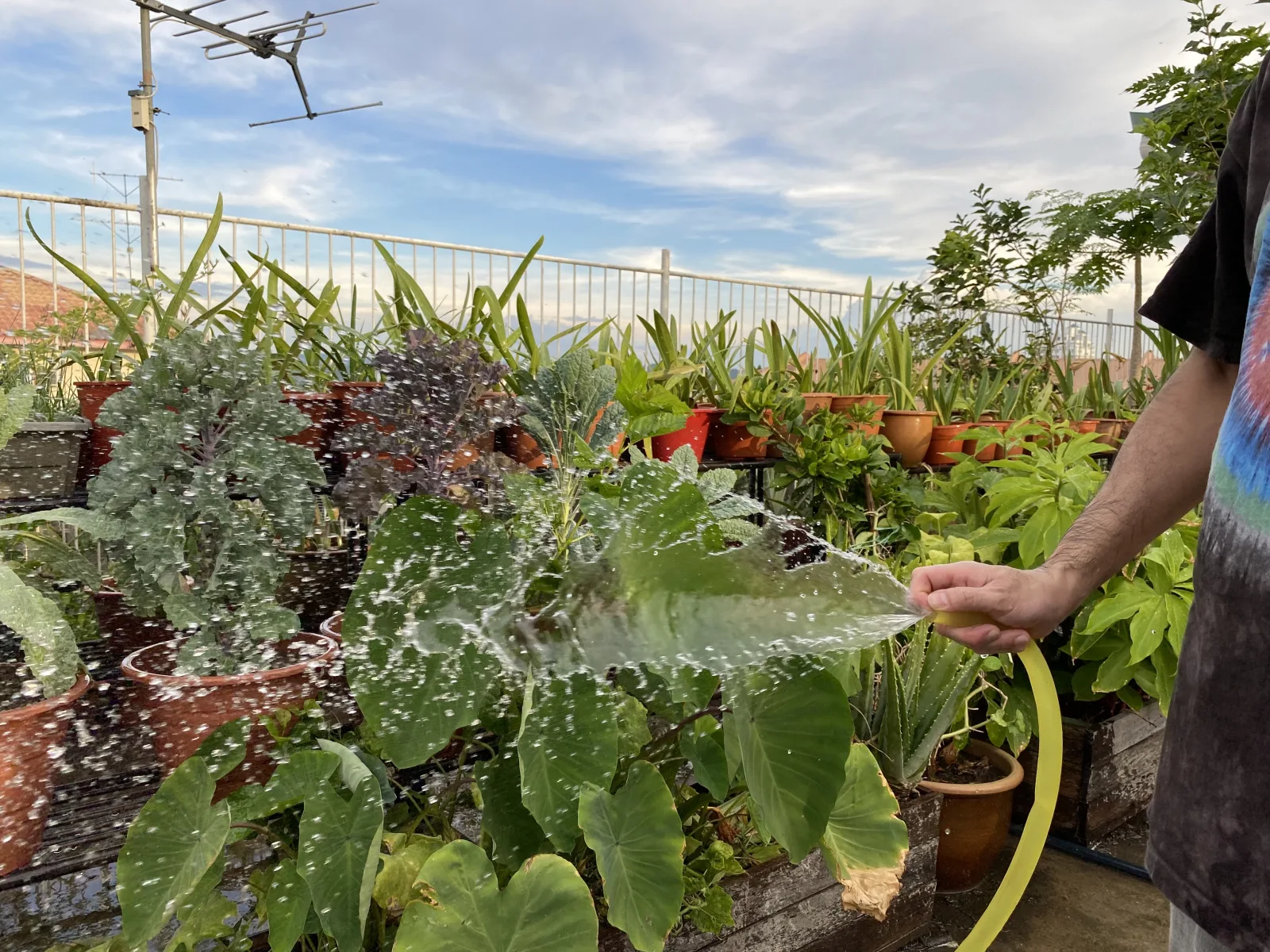
Summer Watering: It's About Timing, Not Frequency
As June's long, heavy sun bakes the soil dry, it's tempting to reach for the watering can again and again. But when you water matters more than how often — the same cupful of water leaves a very different amount behind depending on the hour you pour it.
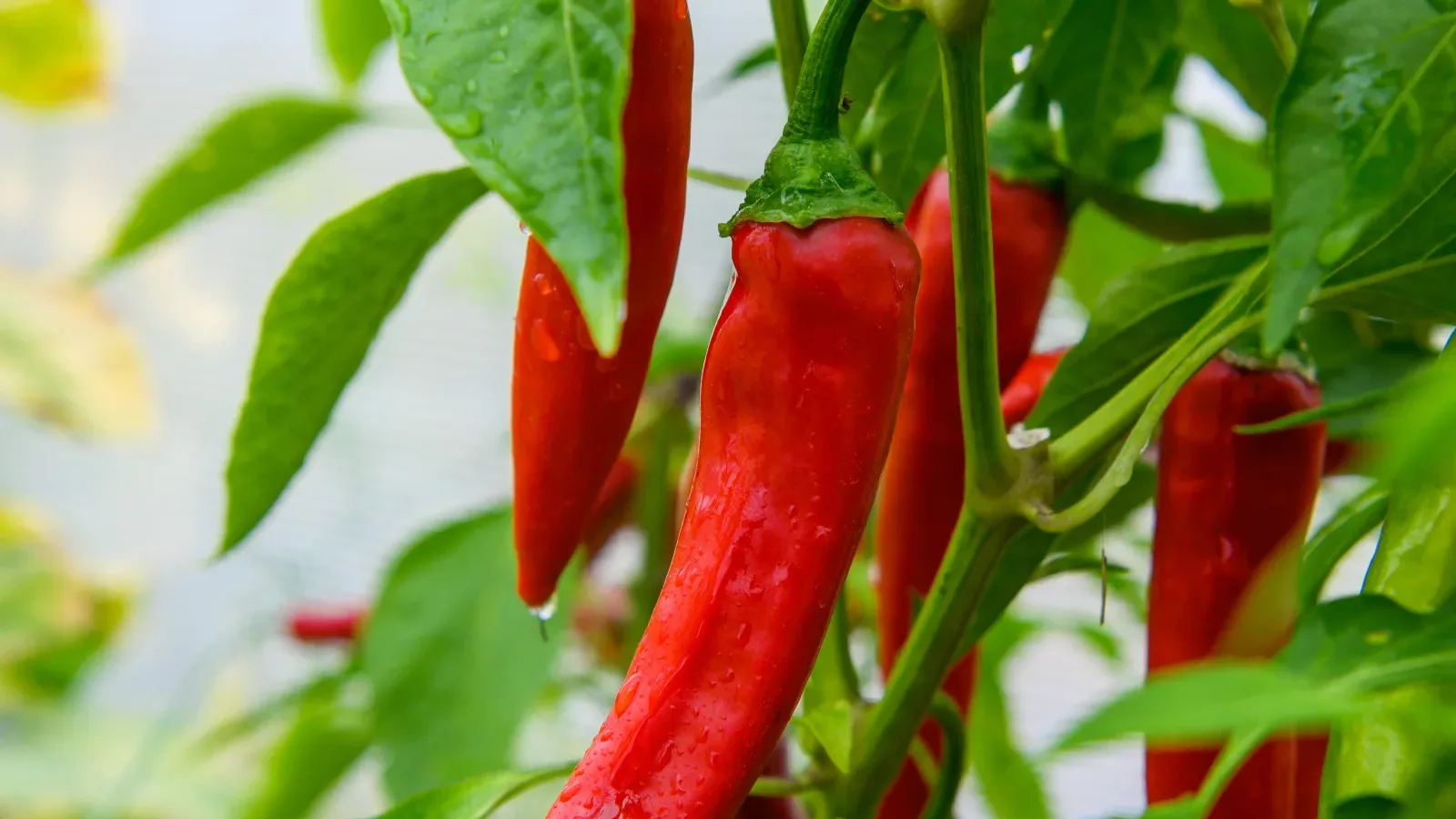
Pepper Anthracnose: Check the Undersides of the Leaves Before the Rain
As June arrives, the rains grow frequent over the pepper patch. Anthracnose doesn't strike suddenly after a long wet spell. It settles onto the leaves and fruit and waits, which is why a quick look underneath the leaves on a clear day can save the entire crop.
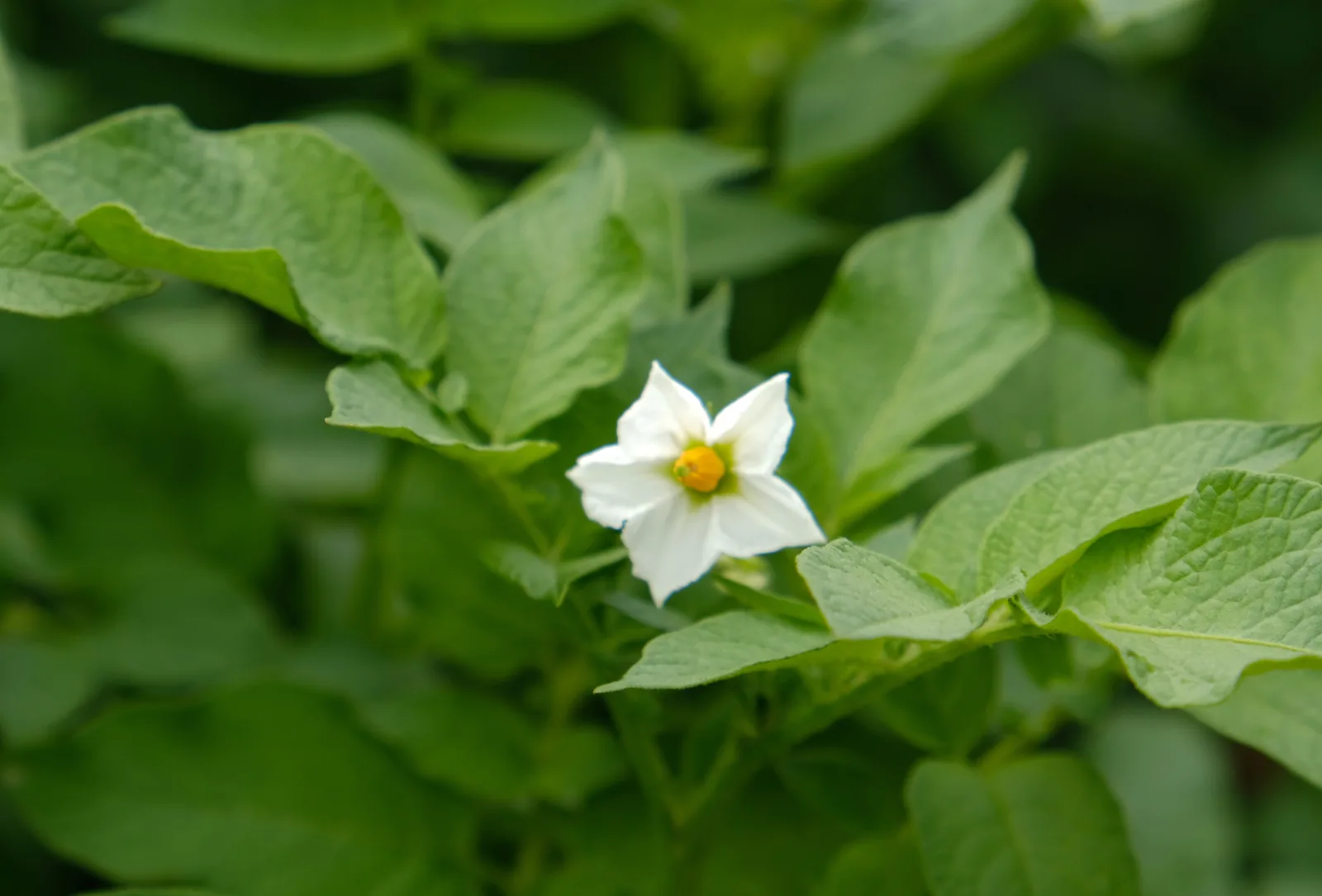
When Potatoes Bloom, the Harvest Is Near
In June, the potato patch is the first thing to catch your eye, with white or pale-purple flowers rising on knee-high stems. The blooms aren't just pretty: they're the earliest sign that the tubers underground are starting to swell and harvest time is approaching.
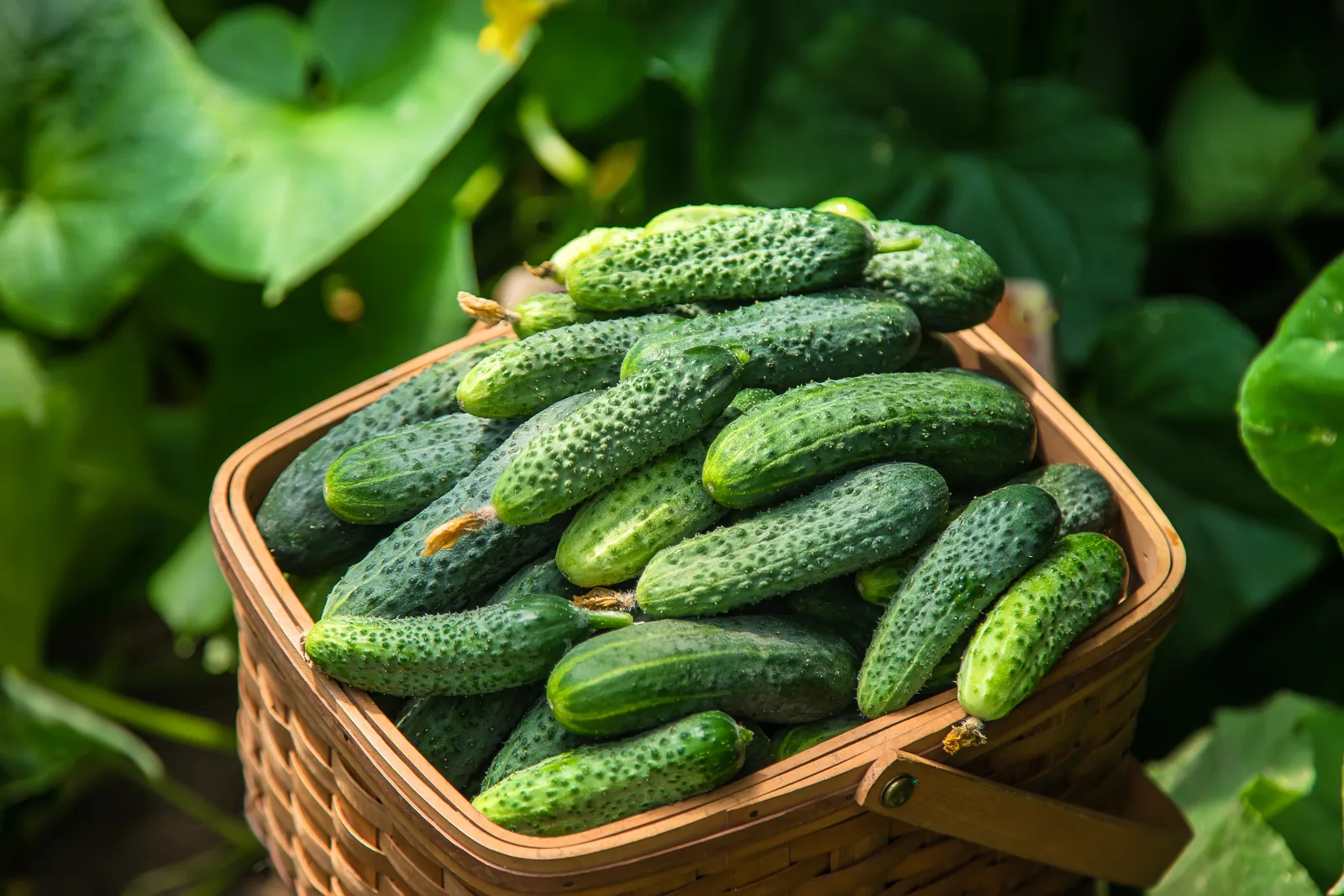
Quick Refrigerator Pickles from Your Misfit Cucumbers
Summer cucumbers ripen all at once, and plenty of them come out crooked or uneven. They taste just fine, so when you can't eat them all fresh, turn them into quick refrigerator pickles. They're ready in a day — all you need is the right brine ratio and to pour it on hot.
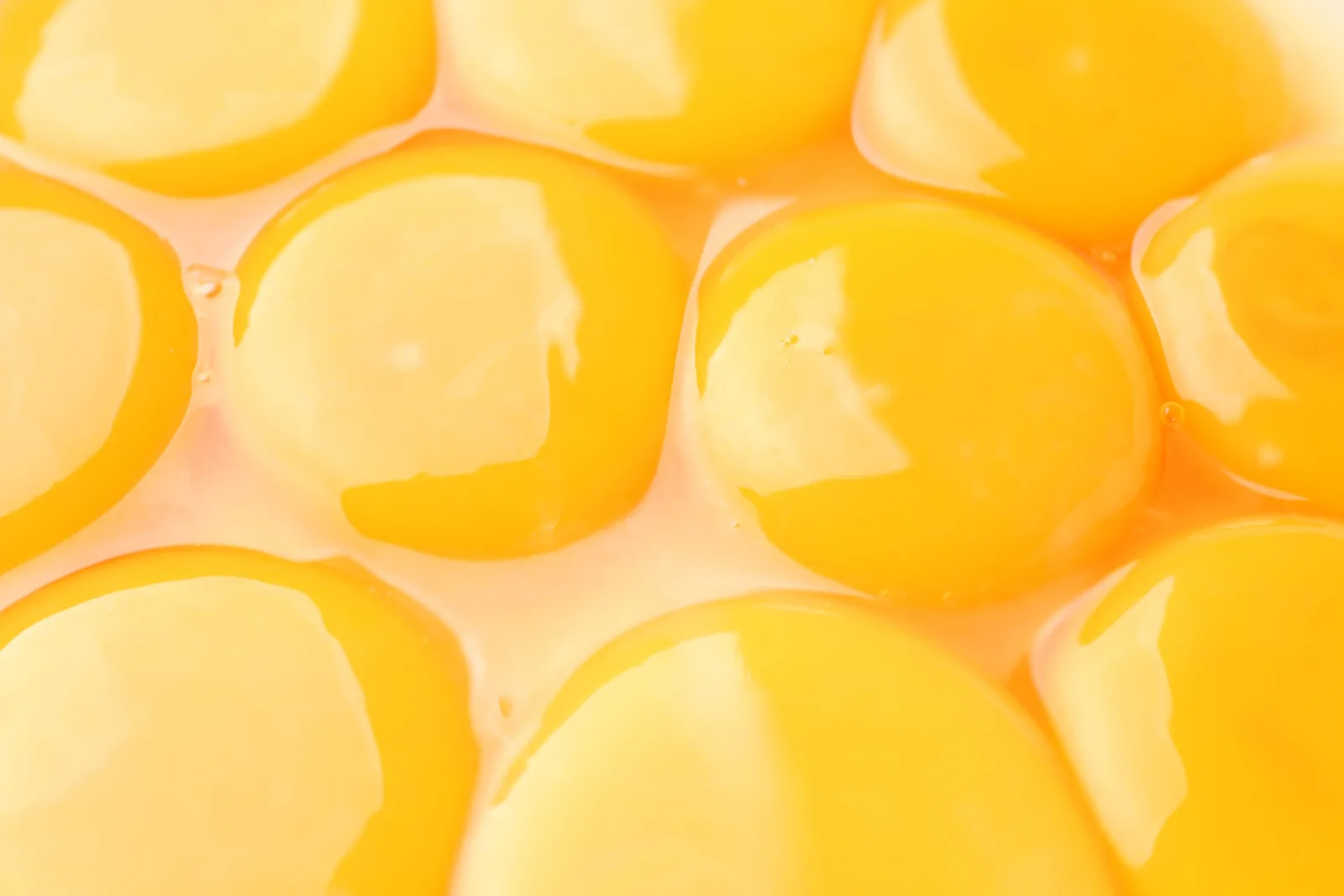
Beating Aphids Without Pesticides
When aphids move onto your balcony lettuce in early summer, you don't want to spray pesticides on greens you'll eat raw. Here's how a simple egg-yolk oil spray keeps them in check, the natural way.
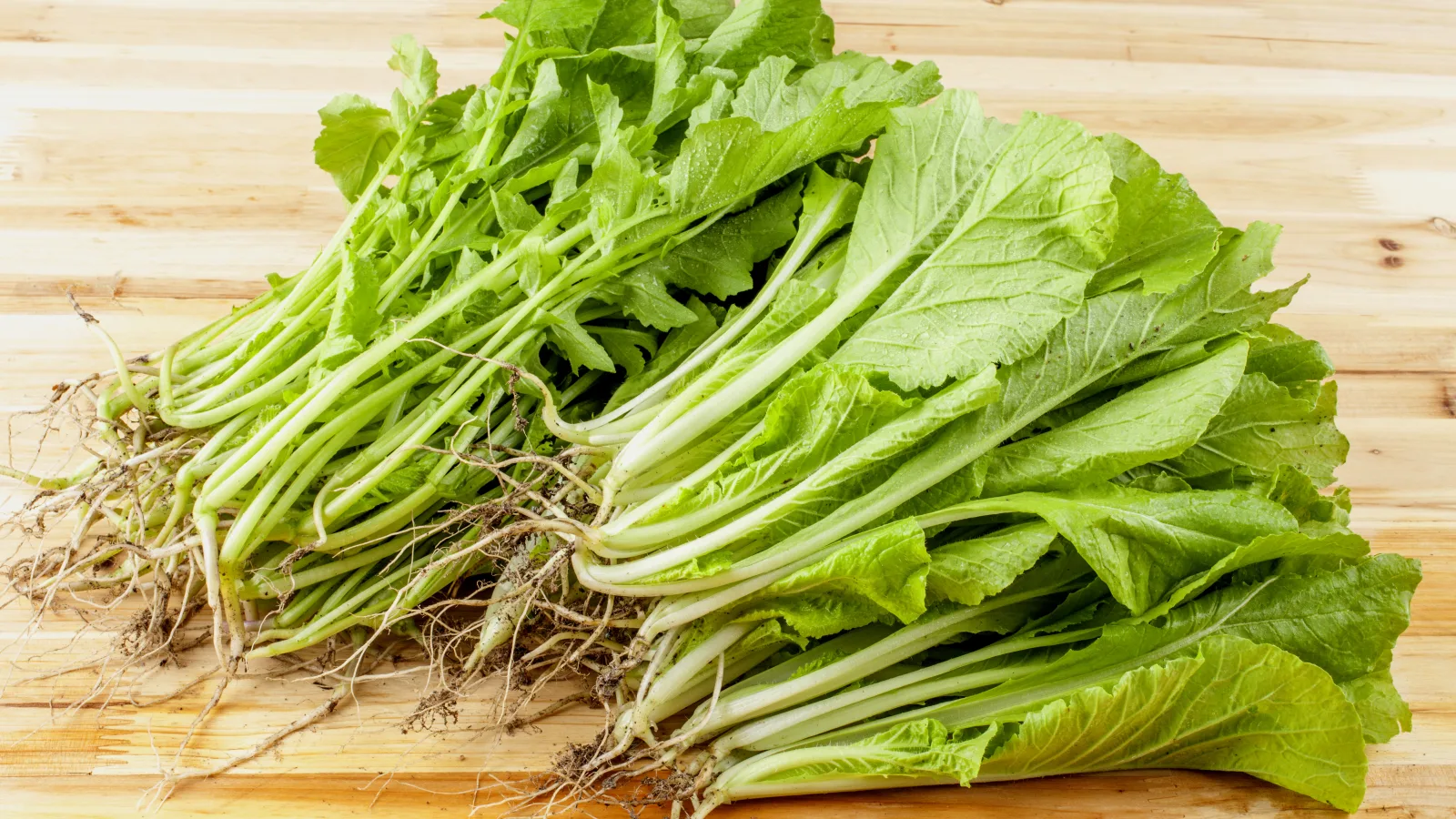
Early-Summer Yeolmu: Half the Crop Is in the Thinning
A week after you sow yeolmu (young summer radish), the seedlings come up shoulder to shoulder—and that crowd is exactly the problem. Thinning them in two rounds is what gives the survivors room to grow broad leaves and straight roots.
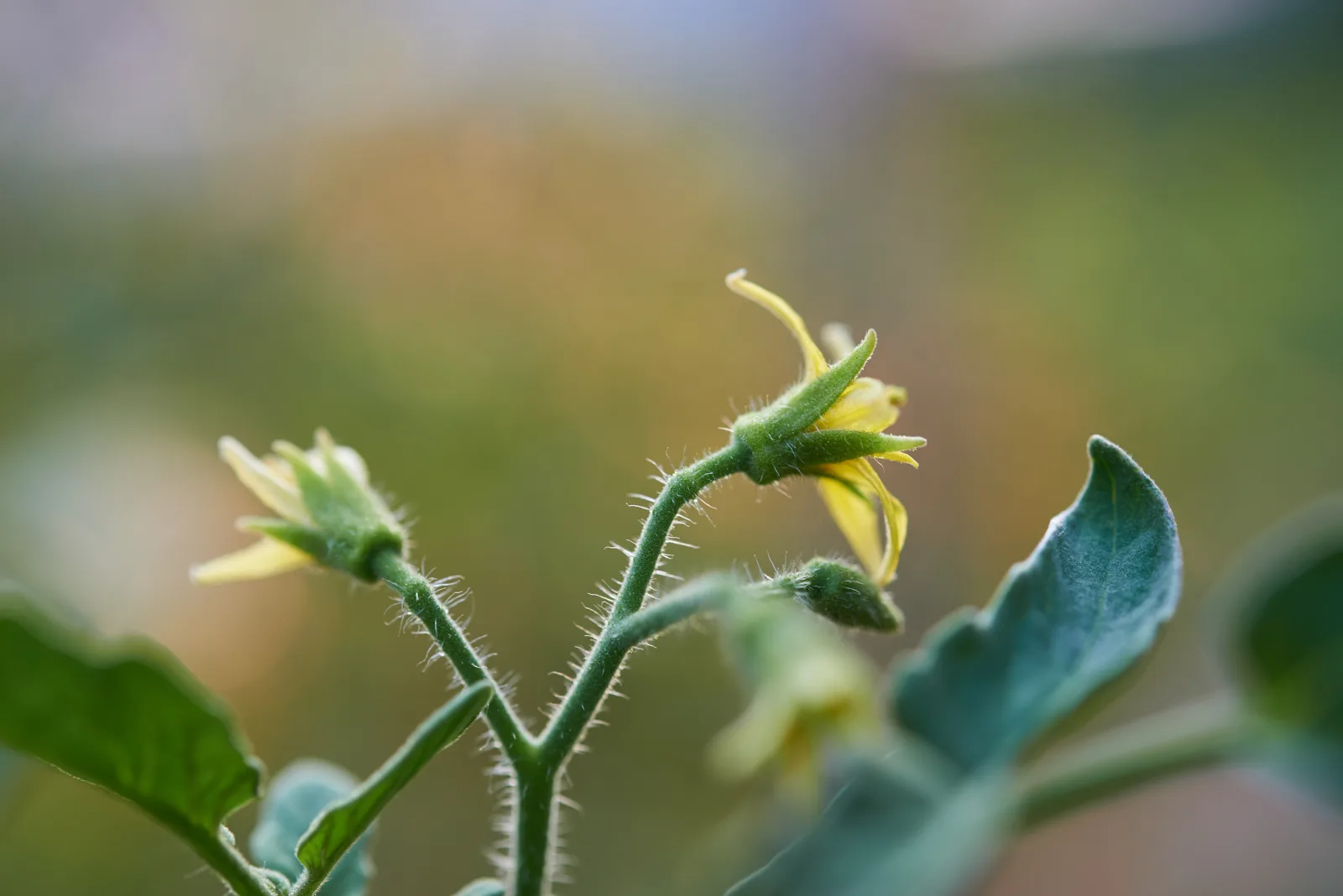
Cherry Tomatoes: When to Pinch That First Sucker
Once your potted cherry tomato reaches knee height, small shoots called suckers begin sprouting where the leaves meet the stem. Knowing when to pinch the first one makes a real difference in how much a single plant yields.
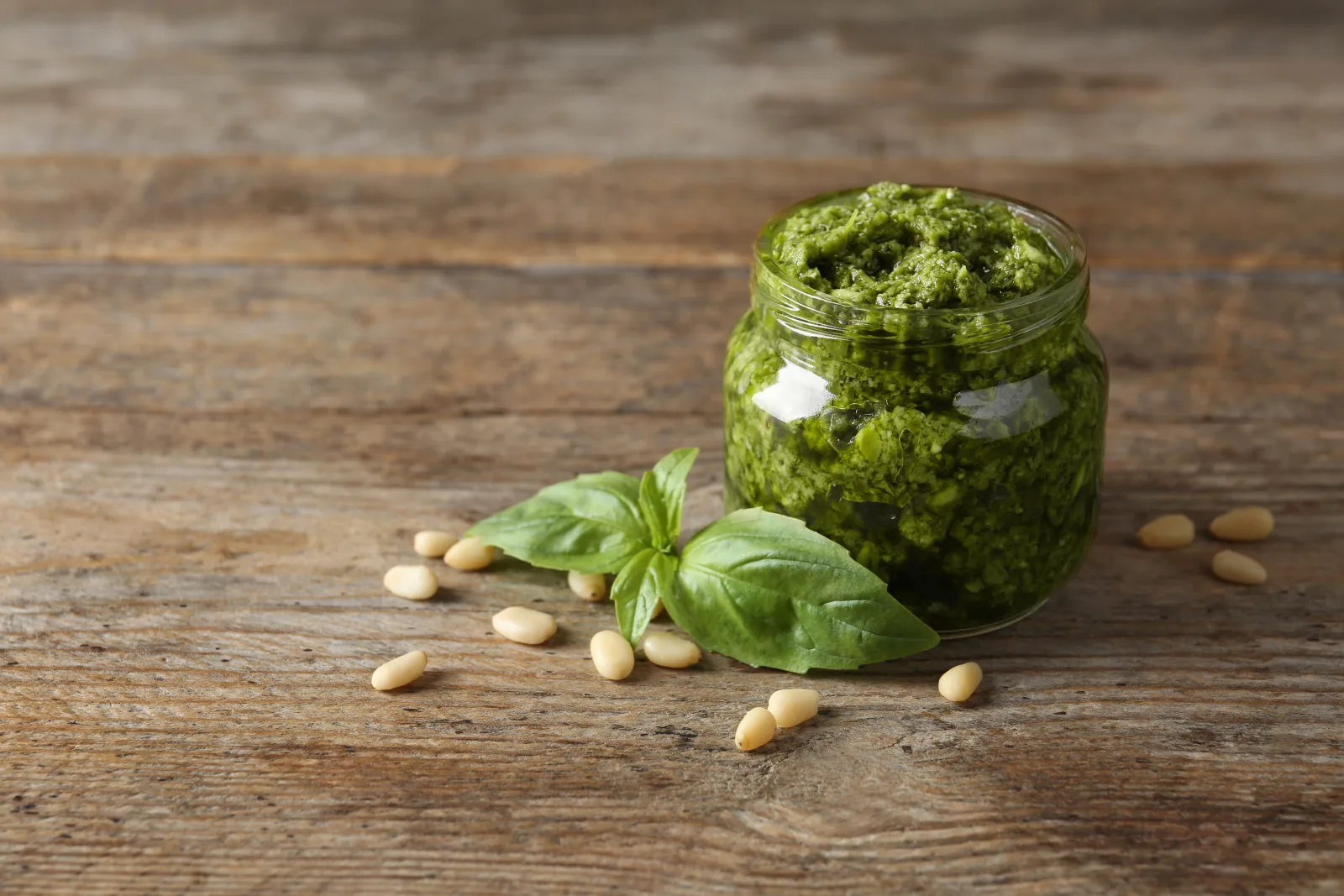
Five-Minute Pesto from Just-Picked Basil
As summer deepens, balcony basil grows faster than you can keep up with. The easiest answer is a fresh pesto you can whip up in five minutes with nothing but a blender.
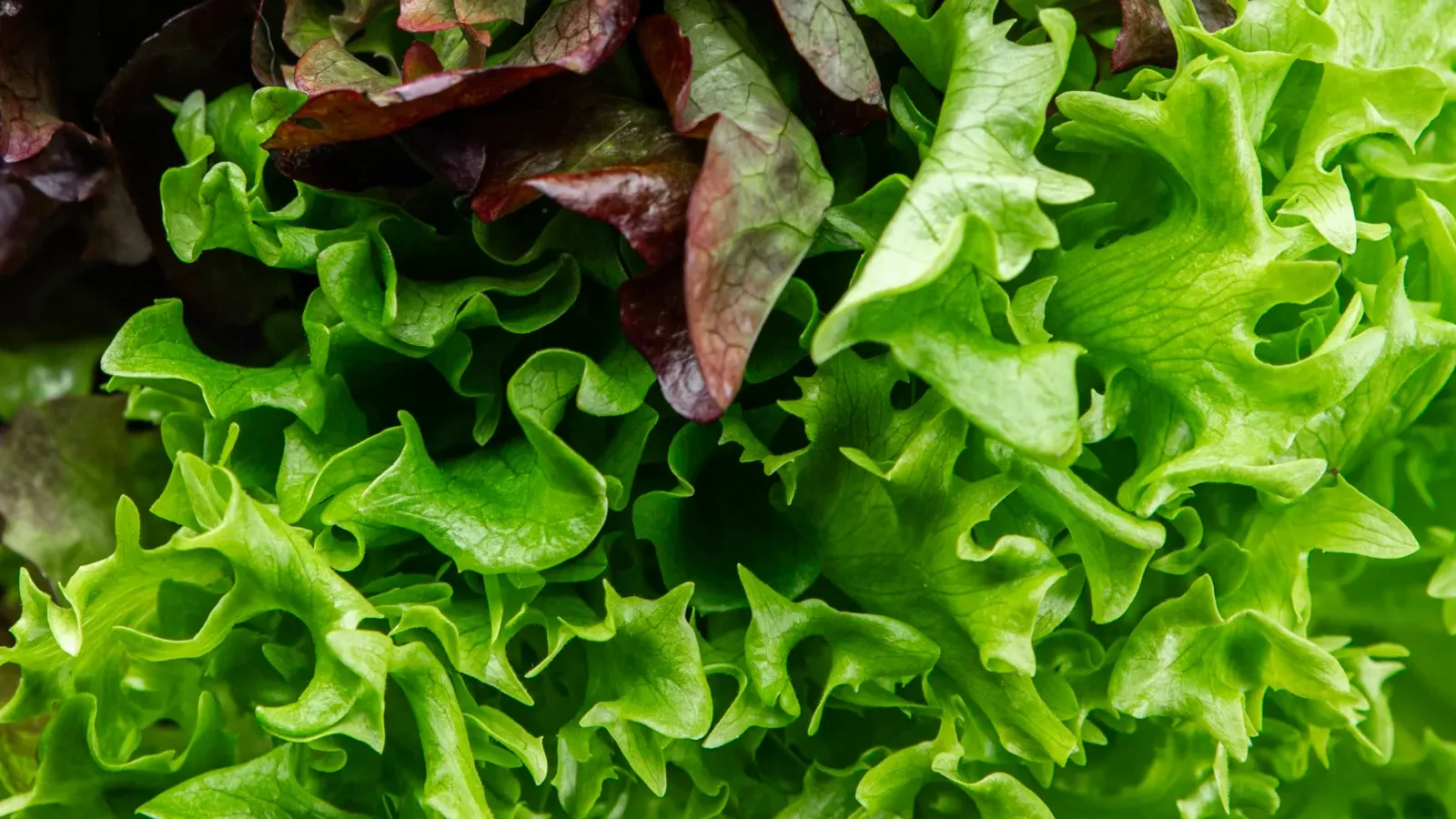
One Lettuce Leaf, a Surprising Dose of Vitamin K
Lettuce is one of the easiest greens to grow on a balcony, and the leaves you pick each evening do more than fill out a salad. The darker the leaf, the more vitamin K it carries, a nutrient that helps keep calcium in your bones.