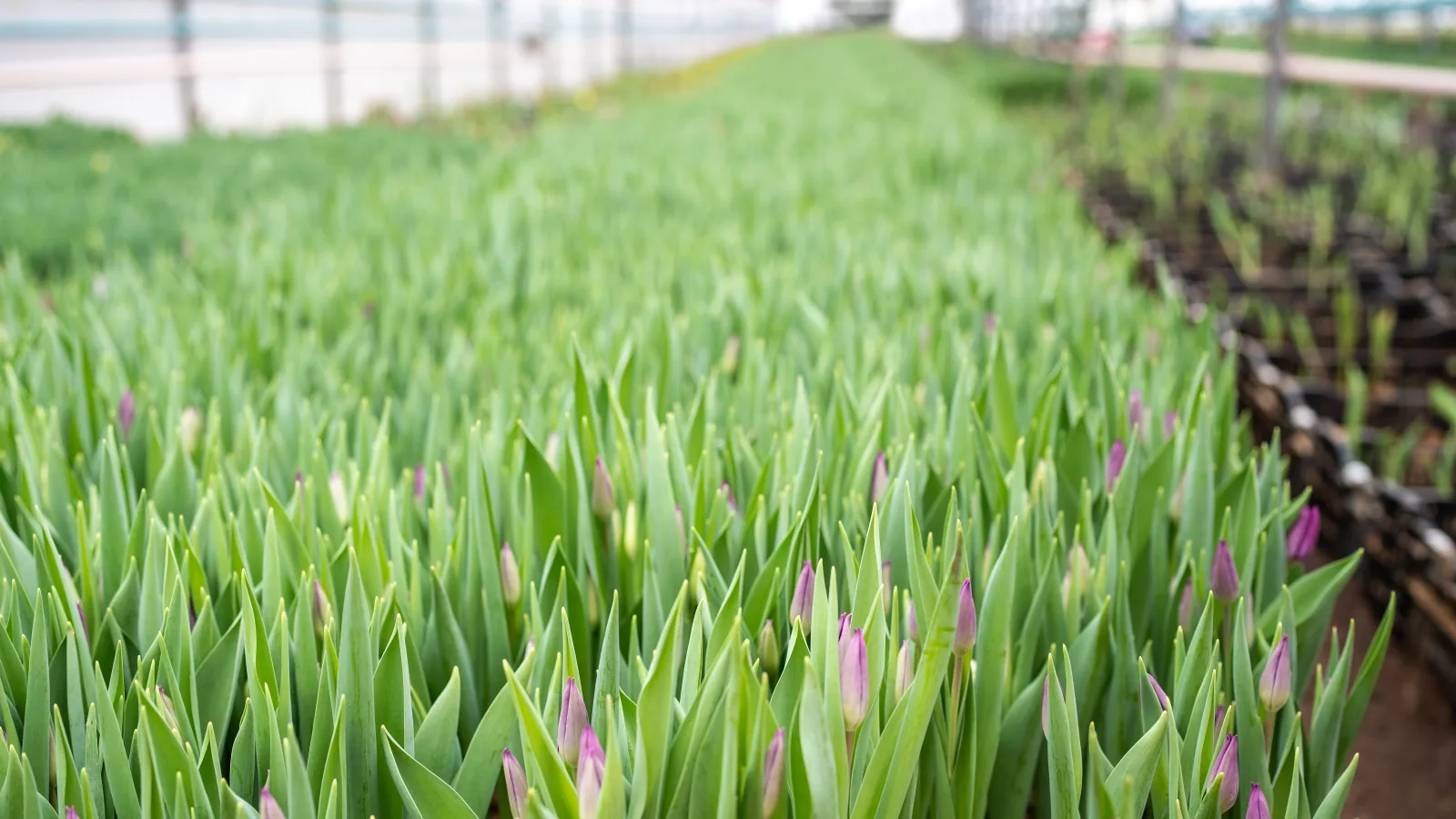
Once the spring seedlings are in the ground, two plants of the very same tomato can head down different paths: one carries its firm, healthy leaves right through summer, while the other starts wilting early in the heat. We know that choosing the right variety matters, but it's easy to grow the crop without ever noticing how that difference gets made in the first place.
Why edit a crop's genes at all?
Adjust a plant's genetic sequence just a little, and you can create a crop that stands up better to pests, holds onto moisture longer through drought, or packs in more nutrients. Gene editing is a technique for making precise changes to specific genes, and it works far faster than the crossbreeding methods that came before it.
The catch is that a plant genome holds tens of thousands of genes. Figuring out which gene to change, and how, so that you get the result you want is a search that eats up a lot of time. To speed it up, researchers rely on a range of screening tools.
A leaf fluorescence test trims the search
A recent study introduced a way to trigger a fluorescent reaction directly in the leaf, quickly pinpointing where a gene edit should go. Older approaches meant growing the plant out for a set period and then analyzing the whole result; this test checks, right at the leaf stage and in a short window, which gene is responding to a change.
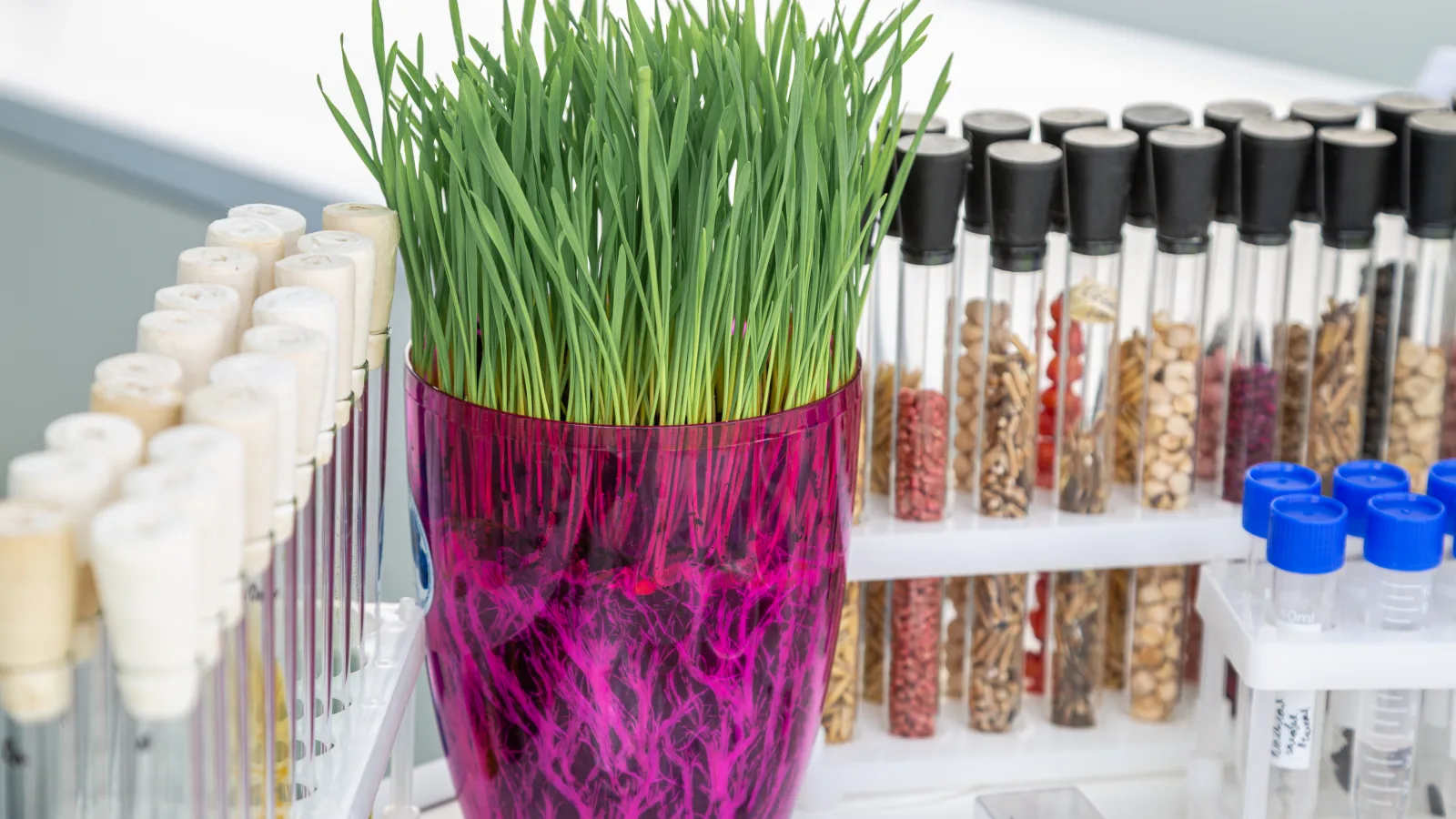
The trick is to design things in advance so that a fluorescent substance is produced whenever a particular gene switches on. Shine a light on the leaf, and a researcher can see the response with their own eyes. Because there's no need to watch the entire plant over a long stretch of time, the search cycle shrinks noticeably.
What it could change for garden crops
If this method takes hold in labs, it could speed up the improvement of the crops home gardeners grow all the time: peppers that resist pests, lettuce that keeps yielding through the heat, potatoes that store longer. When the search stage gets faster, the whole development timeline gets shorter to match.
That said, a lab result has several more rounds of testing to clear before it becomes a variety you can actually buy. A single research breakthrough doesn't show up in the garden overnight.
What you can do in the garden right now
Gene-editing research is still inside the lab, but urban gardeners can make a similar call today, right at the point of choosing a variety. When you're buying seedlings, reach for a variety labeled disease-tolerant or resistant. These are the ones that decades of traditional breeding have selected to stand strong against specific pathogens.
Keeping a steady eye on your leaves helps, too. If one plant keeps its leaves healthy longer than its neighbors under the same conditions, save seed from that one and sow it next year. Over successive generations, the individuals suited to your particular patch of ground gradually stick around.
While scientific research keeps chipping away at the time it takes to improve crops, the gardener's job is to keep recording and choosing the varieties that fit their own plot.
Reference: international academic research on plant genome editing and leaf-based fluorescence screening.