Set a pot of lettuce on a shelf by the window and it feels like one less plastic bag from the grocery store. Vegetables you grow yourself skip the shipping and the packaging, so the assumption that they're easier on the environment comes naturally. But a research team at McGill University in Canada attached one condition to that intuition. Whether growing vegetables indoors comes out ahead on carbon emissions depends less on the growing technique than on where the electricity comes from.
The Carbon Math Is More Complicated Than It Looks
Vegetables grown in open fields are loaded onto trucks after harvest and move through a distribution chain. Greenhouses burn fuel for heat through the winter. An indoor garden skips both of those steps. In exchange, it has to manufacture light artificially. The lamps, the ventilation fans, the temperature controls—all of them run on electricity.
When the researchers analyzed power-grid data from several Canadian cities, carbon emissions varied widely depending on how that electricity was generated. In regions where hydro, wind, and solar made up a large share of the grid, the carbon footprint of indoor lettuce was comparable to—or lower than—field-grown lettuce. In regions that leaned on coal and natural gas, indoor growing actually produced more carbon. Grow lettuce the exact same way in two cities with different energy mixes, and the carbon footprint can differ several times over.
Lighting Draws the Most Power in an Indoor Garden
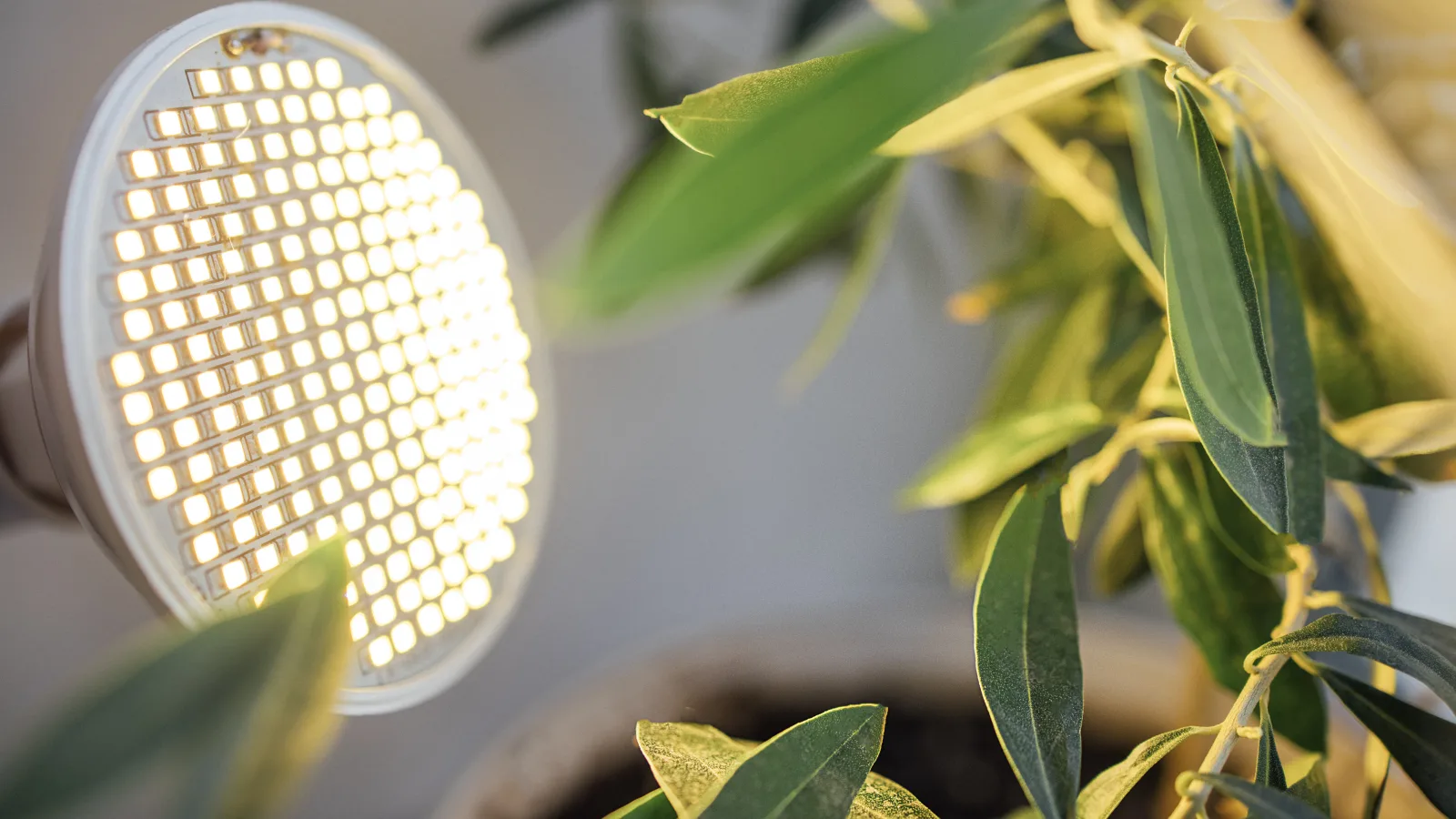
The single biggest electricity draw in an indoor garden is the lighting. LED grow lights are more efficient than the old fluorescent tubes, but run them 12 to 16 hours a day and the monthly power use adds up. Even one small grow light, left on for a few hours every day, burns through several kilowatt-hours (kWh) a month.
Lettuce actually grows better in bright, indirect light than in harsh direct sun. Set your pots at a south- or east-facing window and they'll thrive from spring through fall with no supplemental lighting at all. Even in winter, when artificial light is necessary, 8 to 10 hours a day is plenty. Lettuce isn't a long-day plant that needs extended light to grow, so stretching out the lighting hours won't boost your harvest in proportion.
How to Run Your Indoor Garden More Lightly
In Korean households, you can't really pick the share of renewables in your electricity by region. If choosing renewable power directly isn't an option where you live, the practical move is to cut back on how much electricity you use in the first place.
Start by optimizing where you place your plants. Under a window with good natural light, lettuce, arugula, and basil will grow just fine without any artificial lighting. If the light at your window isn't quite enough, try a sheet of white cardboard or aluminum foil as a reflector—it helps make up for the shortfall.
If you do need artificial light, the easy approach is to put it on a timer set to a fixed 8 hours a day. You can keep your power use steady without having to check how long the light's been on. Hydroponics is worth considering too. Because the nutrients reach the roots directly, hydroponic plants grow faster than those in soil, and in many cases you can hit the same yield with fewer hours of light. Just keep in mind that the water pump draws extra power, so it's worth weighing the total energy use.
If the light over your balcony lettuce is on right now, try moving the pot one spot closer to the window first.
Source: McGill University research on the carbon footprint of urban indoor agriculture