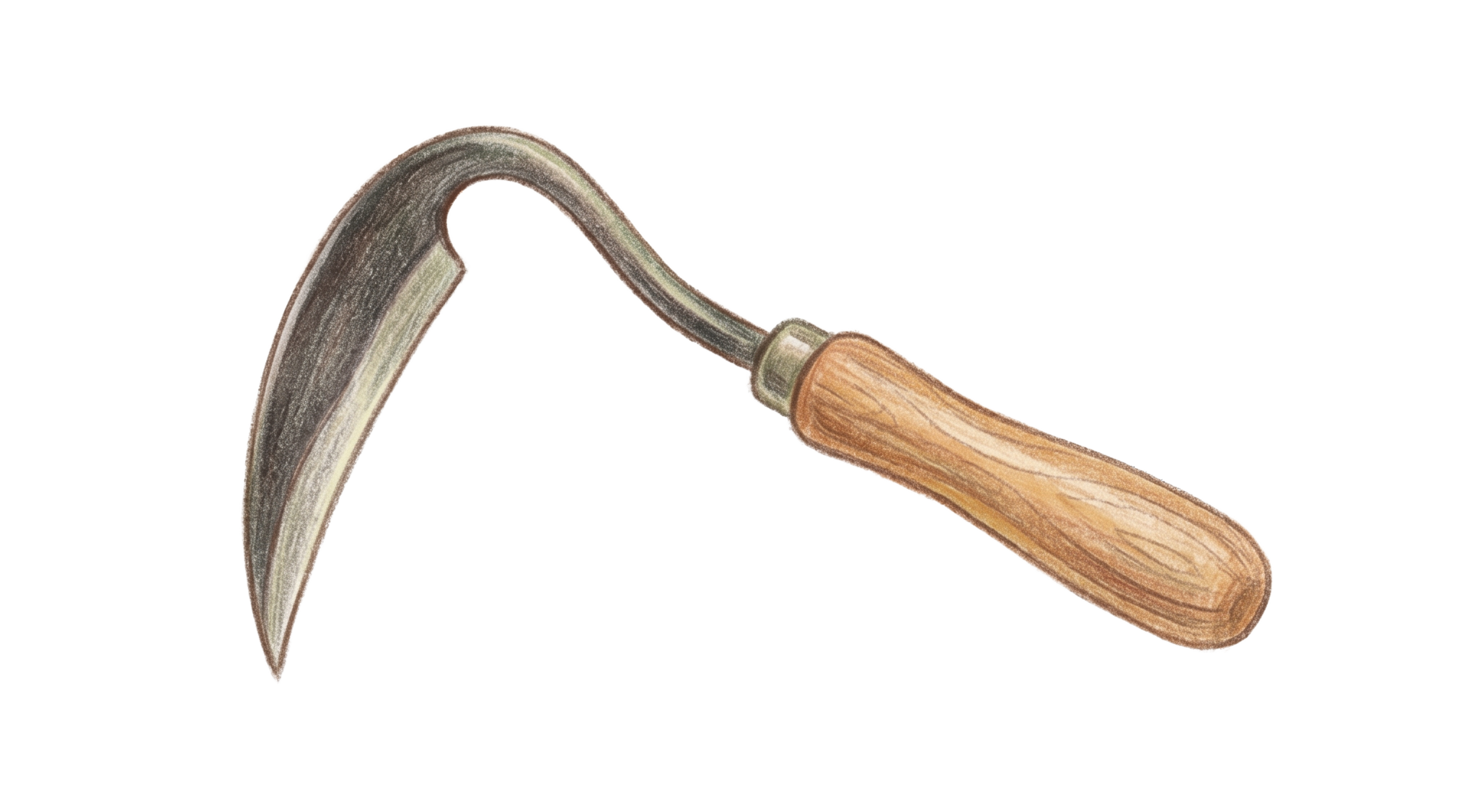
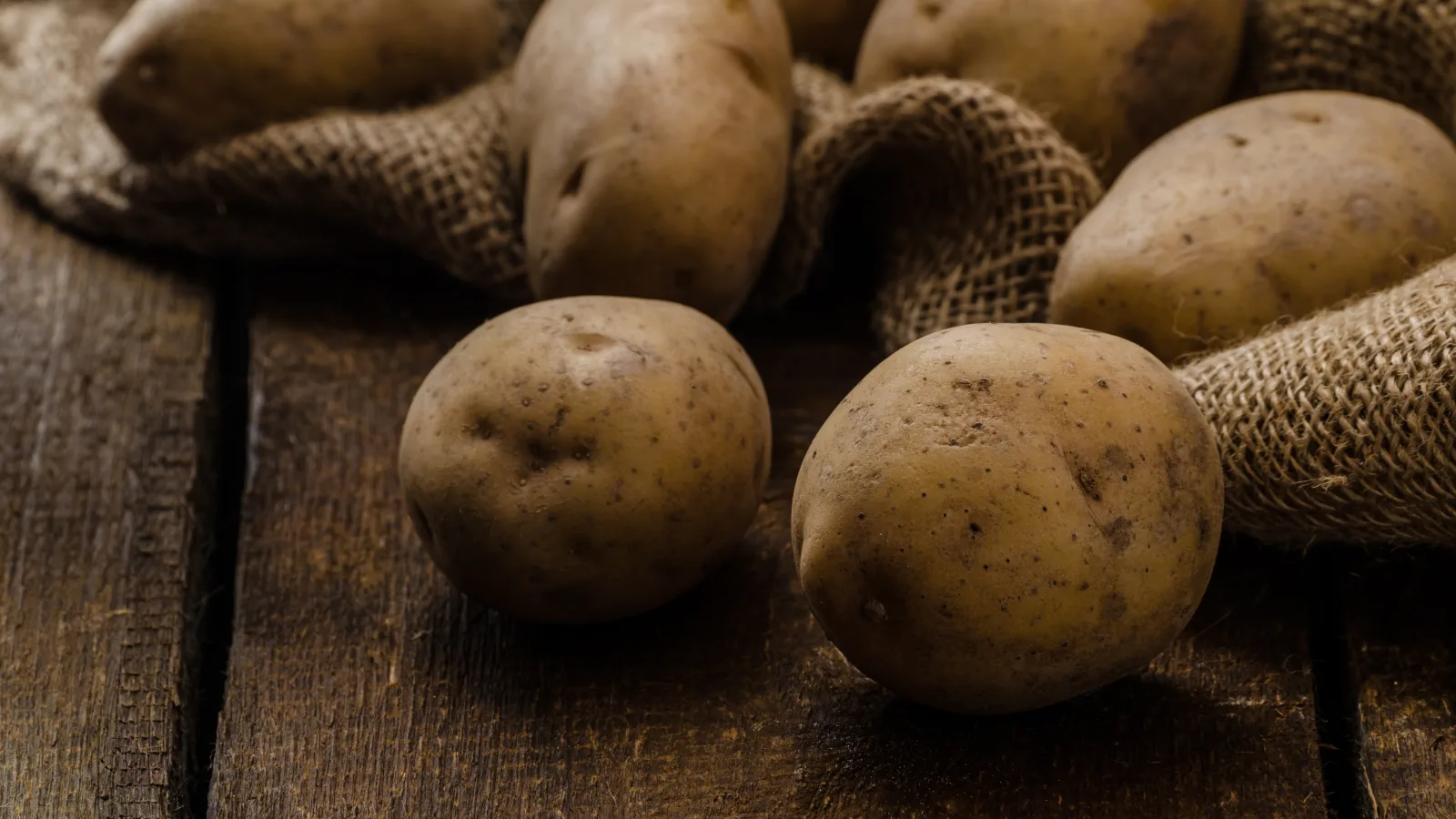
In early summer, when you lift the soil with a hand hoe, round little potatoes come tumbling up in a string. Pull six or seven from a single plant and your basket is heavy before you know it. The same scene played out at a community garden in Daejeon, South Korea—only here the haul came to a remarkable 800 kilograms, and the potatoes were bound not for the grower's own kitchen, but for the tables of neighbors going through hard times.
800 kg of Potatoes from the Dream Garden
The city of Daejeon donated 800 kilograms of potatoes—grown by residents tending the shared "Dream Garden"—to a local food bank. Rather than keeping the rewards of a spring planting and two months of careful hilling and tending for themselves, the gardeners passed the harvest along to families and welfare centers in need. Food banks gather donated food like this and deliver it to neighbors who are struggling.
Turning a garden's harvest into an act of sharing is catching on. A garden is a place to grow vegetables and trim the grocery bill, sure—but as people plant and reap together, it also becomes a place that knits a neighborhood closer. Sharing the fruits of a season's work with those nearby is, in its own way, another harvest the garden gives back.
Why Potatoes Are Such a Good Crop to Share
Potatoes are well suited to sharing for a number of reasons. For one, they keep well. Stored somewhere cool and dark, they last anywhere from a few weeks to several months, so even a big single harvest holds up long enough to portion out and hand around.
They're hearty, nutritionally, too. Potatoes deliver calories from carbohydrates while also carrying vitamin C and potassium. The vitamin C in a potato is wrapped up in its starch, which is why boiling or steaming reportedly causes relatively little loss. And since a quick steam or boil turns one into a meal, there's no fussy cooking involved—another reason they're an easy thing to pass along to a family in need.
Try Sharing From Your Own Garden
It doesn't have to be some grand event. Picture this summer, when potatoes, lettuce, and zucchini all come ripe at once. So often the extra goes soft and gets tossed before you can eat it. When that happens, knock on a neighbor's door, or reach out to a nearby food bank or community welfare center. If you map out ahead of time when your harvests are likely to pile up, you can share them while they're still fresh.
When you share, knock the dirt off lightly, pick out anything soft or spoiled, and pack the rest in a dry box. Keep in mind that potatoes turn green and bitter when they catch sunlight, so choose a spot out of the light for both storing and handing them off.
If you dig up potatoes in your garden this summer, set one basketful aside as your neighbor's share. A single experience of sharing food you grew yourself becomes one more joy of keeping a garden.
Sources: City of Daejeon, Korea Food Bank