Plant a few trees along the edge of a garden and the wind softens, shade appears. They block the harsh midsummer sun, and birdsong draws closer with every branch. The idea that trees are good for an ecosystem is widespread, and in many cases it's exactly right. But a survey of rice-paddy wetlands in Japan attached one condition to that idea: as the trees multiply, not every bird multiplies along with them.
Shelterbelts help some birds
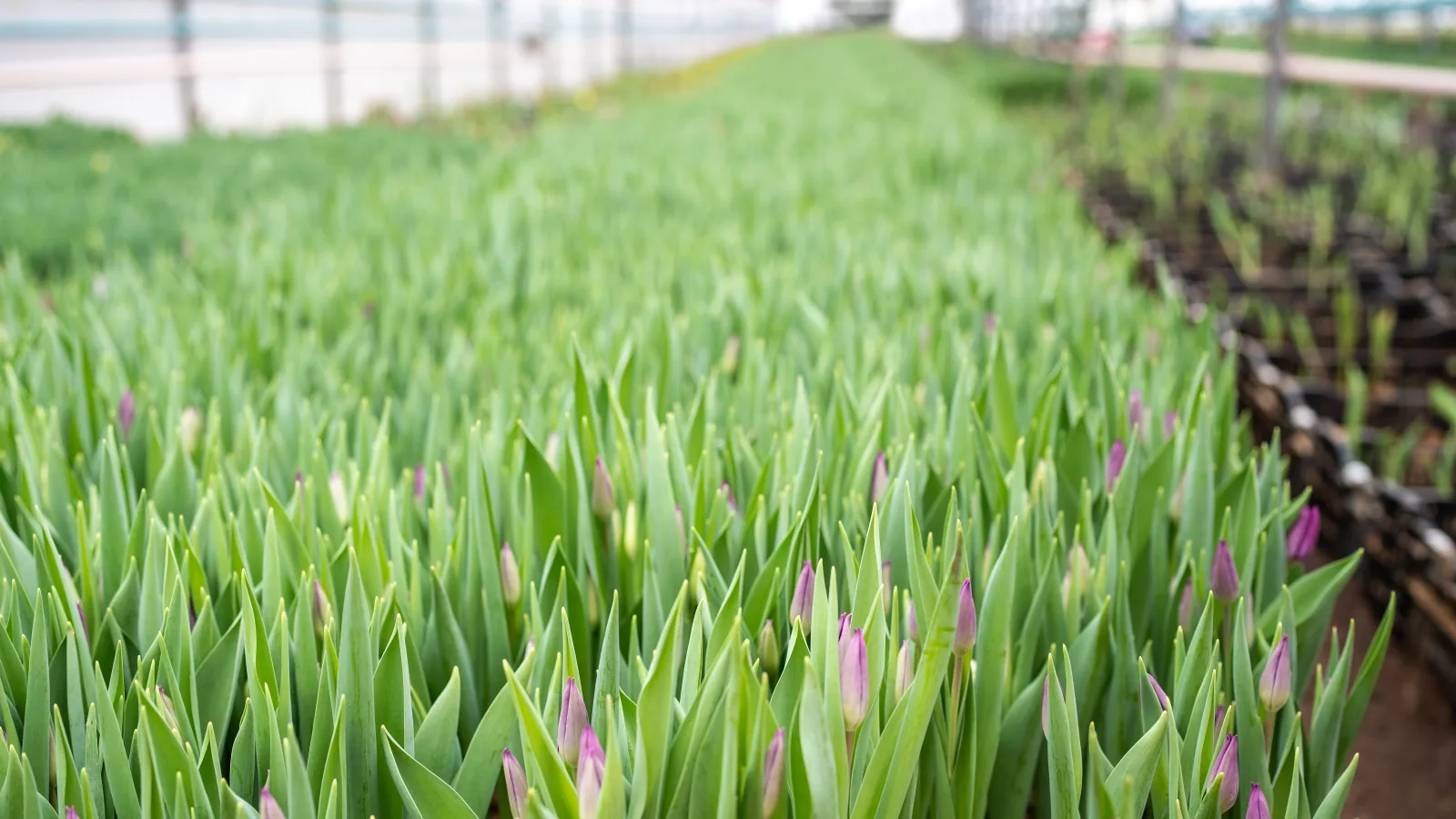
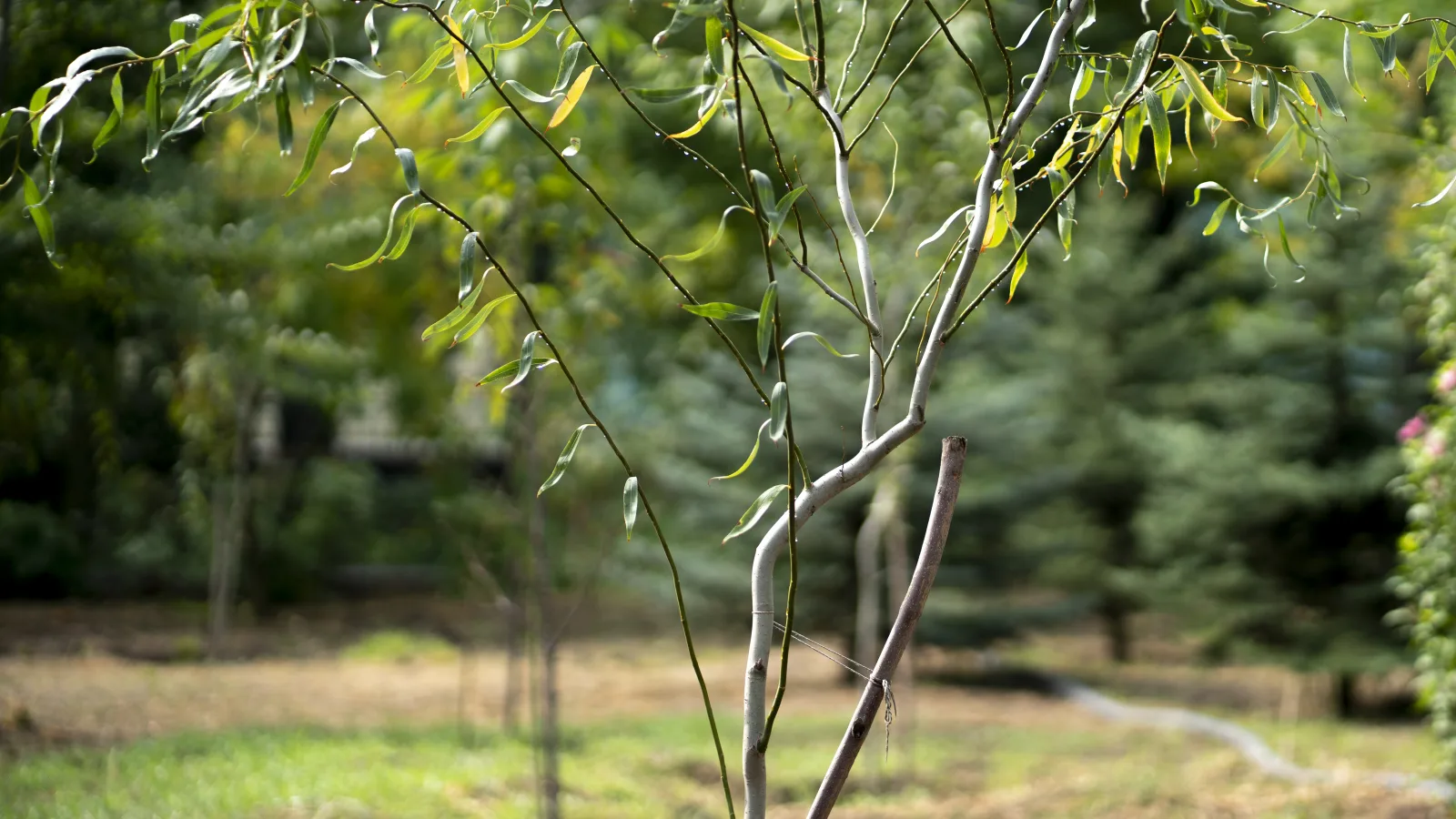
Trees planted in rows around paddies and wetlands are called shelterbelts, or windbreaks. They go in along the edges of farmland to block wind, slow the evaporation of moisture, and hold soil in place. In urban greening and habitat-restoration projects, too, planting trees is usually the first tool reached for when the goal is a healthier environment. On top of that, there's an expectation that the trees will offer shelter to wildlife. For birds that perch on branches or forage close to trees, a shelterbelt genuinely helps. These birds really are seen more often around shelterbelts, and the hope that shelterbelts raise biodiversity grew straight out of observations like these.
Grassland birds fell by more than 70%
But that survey of Japanese paddy wetlands turned up another side to the story. As shelterbelts spread, the birds that make grasslands and marshes their main living space dropped off sharply. At sites close to a shelterbelt, the number of these birds was found to have fallen by more than 70%.
Birds that spend their days in grassland and paddy fields depend on open ground. Whether they're hunting for food, calling to a mate, or trying to spot a predator early, they need a place that's open in every direction. Once a shelterbelt goes in, that openness closes down, and the room these birds have to live closes with it. Even as the tree-loving birds grow more numerous, the ones that need fields and wetlands lose their footing.
Open space has a role of its own
None of this is an argument against planting shelterbelts. It's a reminder to look first at what already lives on the land. Trees benefit some birds, but for creatures that depend on open space they become a hardship instead. Helping one side and diminishing the other are two halves of the same change, happening at once.
In cities, open space is already dwindling. Between the buildings and the paved roads, leftover patches of grass or vacant lots are scarce—and so are the resting spots a grassland bird might use for a moment. When you plant a tree or a large shrub near your garden, hold this in mind as well. It's worth checking first which birds and insects visit that spot now, and whether they'll still have somewhere to go once a tree moves in.
What you can try in your garden
- Before you plant a tree, jot down the birds and insects that visit your garden as it is today.
- If the point is a windbreak, space the trees apart and leave some open ground, rather than packing them into one dense row.
- Keeping a patch of low grass in a corner of the garden gives grassland birds a reason to drop by.
The next time you're out tending the garden, take a moment to watch the birds that arrive. Noticing which birds land, and where, is where it all begins.
Reference: study of shelterbelts and bird diversity in Japanese rice-paddy wetland farmland — Biological Conservation (2024)