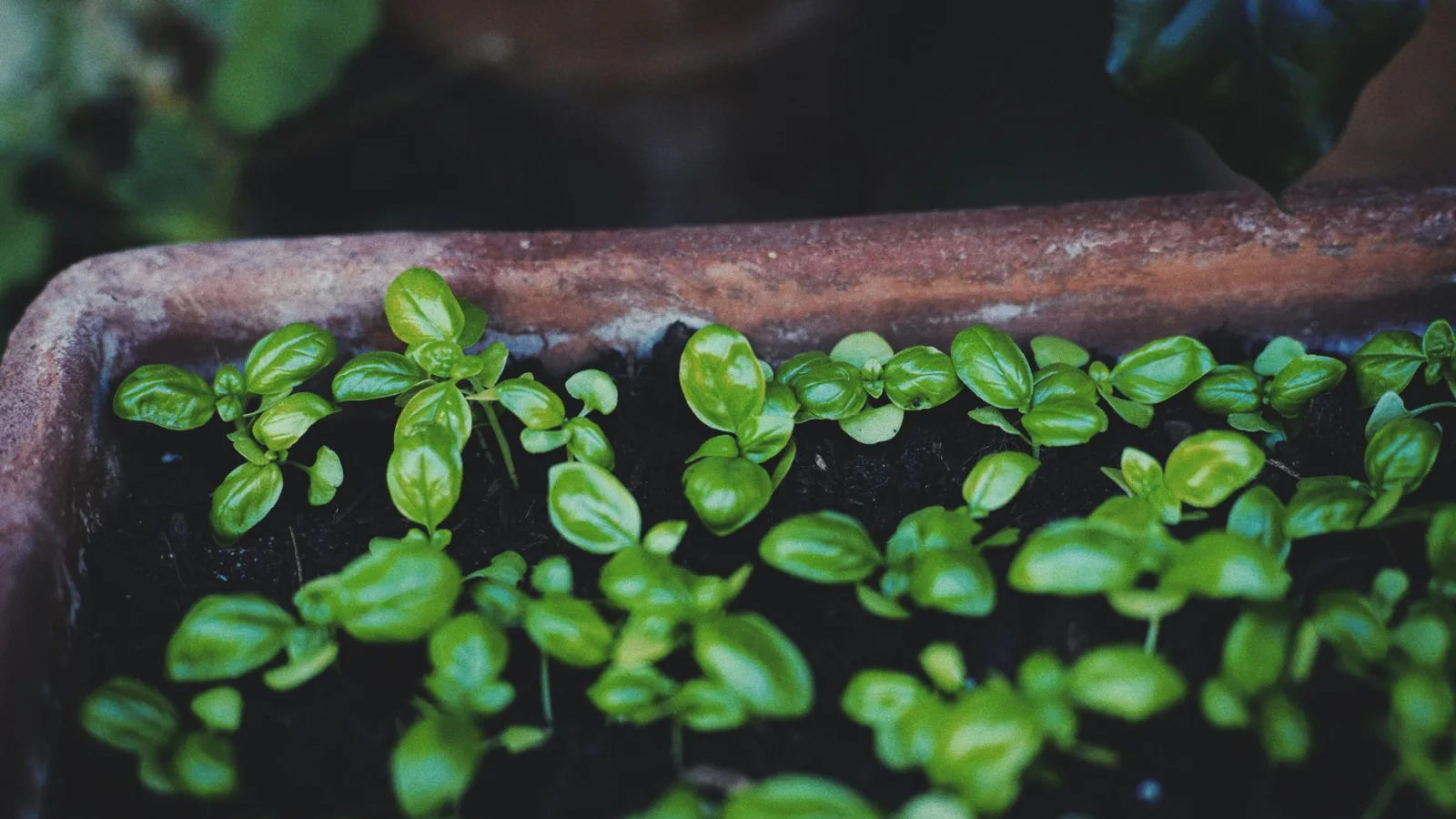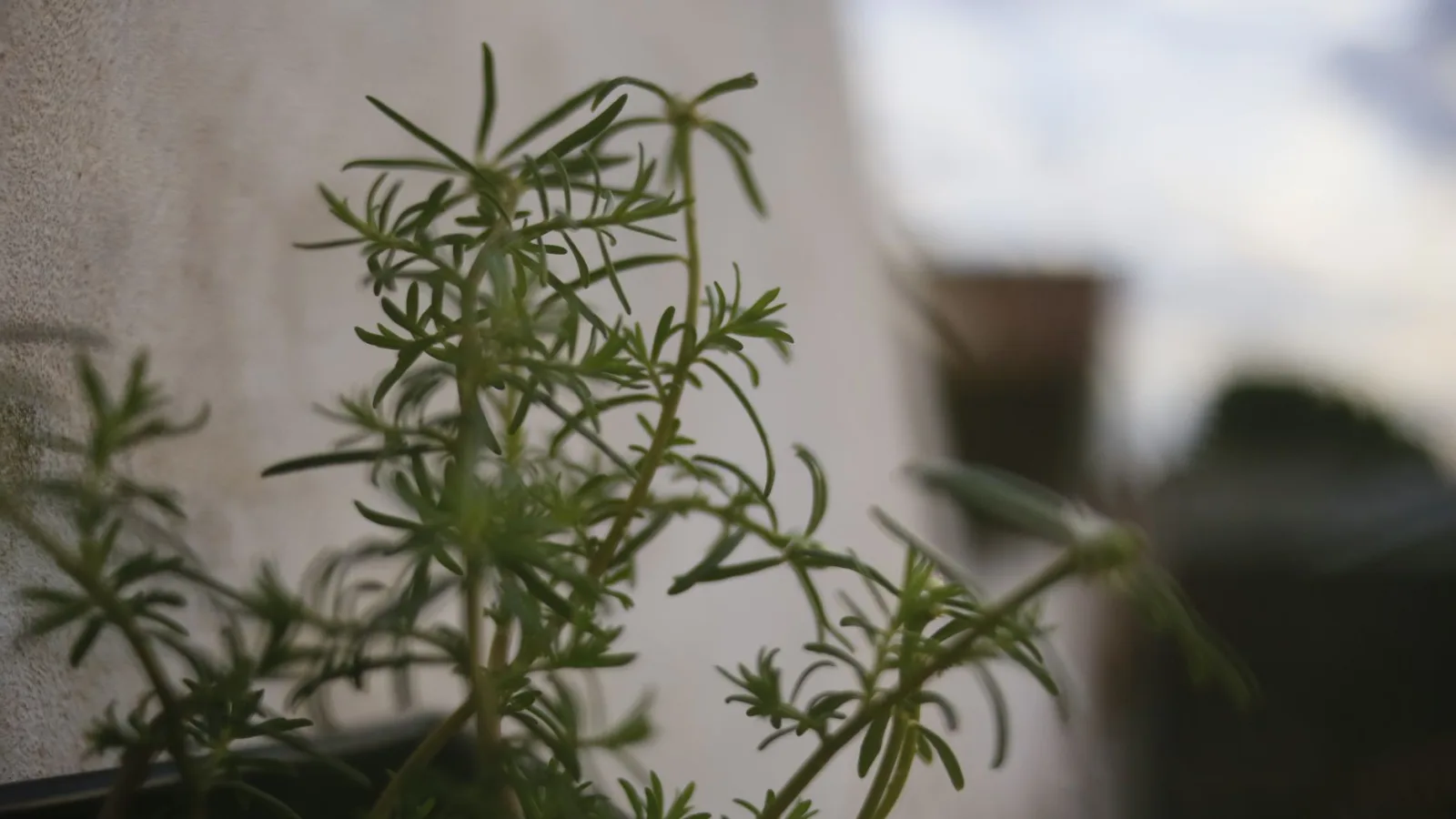
Leave one corner of the September garden empty and you've made room for jjokpa (a small, shallot-like scallion). In the Northern Hemisphere, you tuck the bulbs in around August or September, cut a first round of leaves in October or November, and after the plants overwinter, cut again in March or April. Because it multiplies from bulbs rather than seed, it asks very little of you. It's grown widely in Korea, Japan, and China. But once it's in the ground, a question tends to surface. If I eat these leaves often, what are they actually doing for me?
Go looking for jjokpa research and you end up reading about garlic and onions
Jjokpa (Allium × wakegi) is an aromatic vegetable that carries the character of both the bunching onion and the common onion. It isn't a heritage variety descended from a single species — it's a hybrid between two. It sits in the allium family alongside garlic and onions, but the amount of research into how it acts on the body is another matter entirely. The clinical trials on blood pressure and blood lipids were mostly run on garlic and onions. A good share of those used concentrated extracts or supplements, which is not the same thing as slicing a few leaves over a bowl of soup.
The doses in supplement studies bear no resemblance to the handful of leaves that lands on one meal. An extract isolates and concentrates a particular compound, so even when the same compound is present in both, the amount reaching your body is wildly different. A study may have found a modest drop in blood pressure, but carrying that result over to a handful of jjokpa in your soup is a stretch. The old texts sit in a similar position. Korea and Japan both pass down the practice of simmering the white bulb ends (chongbaek, 蔥白) into a broth to drink. That's a record of inherited custom, which makes it thin ground for a judgment today.
What's confirmed so far stops at the nutrient profile
Cut or crush jjokpa and you get the sulfur compounds common to every allium. That's the source of its particular sharp, pungent smell. The green leaves carry vitamins A and C, plus vitamin K and folate. Folate is the vitamin your body draws on when it builds new cells. Studies that feed people jjokpa on its own are scarce, so what we can say right now stops at this nutrient profile.
In garlic, allicin is known to combine with vitamin B1 to form allithiamine. But there's no confirmed data on how much of that happens in jjokpa, so we don't transplant the explanation. A handful of leaves cut from the garden is plenty as what it is: a vegetable that adds vitamins and aroma.
How to keep more of the aroma and the vitamins
The aroma compounds form at the moment you cut, so slice it right before you eat it. With soups and stews, drop a handful in after you've turned off the heat and the fragrance survives. Vitamin C doesn't hold up to heat, so finishing with it beats simmering it. Splitting the white bulbs from the green leaves is another approach worth trying. Add the bulbs early to build the broth, and lay the vitamin-rich green tops on once the heat is off.
Paired with clams or other seafood, those sulfur compounds knock down the fishy edge. Haemul pajeon (a seafood-and-scallion griddle pancake) and haemul kalguksu (seafood knife-cut noodle soup) are exactly that pairing. Vitamin A is fat-soluble, which makes it a natural fit for anything fried in oil. Fold jjokpa into gyeran-mari (a rolled omelet) and the softness of the egg takes the bite off the pungency. A handful over kimchi, or stirred into a stew at the last second, is a familiar move at any Korean table. In pork and beef dishes, it tames the heavier, gamier notes.
When to watch how much you eat
If you take an anticoagulant such as warfarin, the vitamin K and sulfur compounds in jjokpa may affect how the medication works. Don't suddenly ramp up how much you eat — keep your intake steady, and work out a safe amount with your care team. If you have gastritis, eating jjokpa cooked and in small amounts is safer than putting away a lot of heavily seasoned jjokpa kimchi. The Donguibogam, Korea's seventeenth-century medical compendium, records a view against eating it in quantity together with honey, jujube, or sour jujube seed. At ordinary mealtime amounts this isn't much of a concern, but concentrated medicinal preparations call for more care.
What's in it, what it pairs with, and the months for planting and harvesting are all collected in the jjokpa crop guide — worth opening before you bury the bulbs. Tonight, make a pot of soup, turn off the heat, then slice a handful of jjokpa over the top.