탕액편 · Vegetables
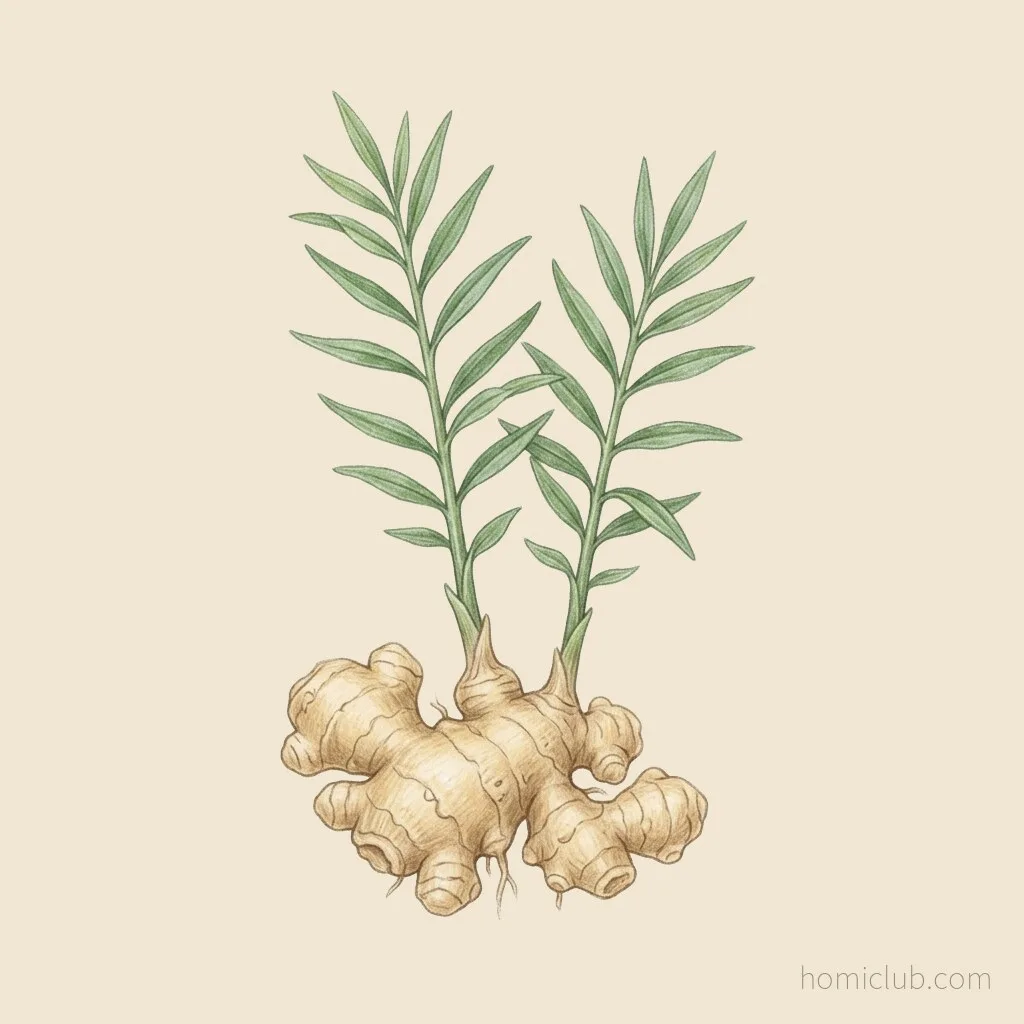
生薑 생강 (생강, 날것)
 Related Crop · Ginger →
Original, read line by line 東醫寶鑑 · 탕액편 권2
-
性微溫, 味辛, 無毒.
성미온, 미신, 무독.
Ginger is slightly warm in nature, pungent in taste, and non-toxic.
-
歸五藏, 去痰下氣, 止嘔吐, 除風寒濕氣.
귀오장, 거담하기, 지구토, 제풍한습기.
It enters the five viscera, dispels phlegm, descends qi, stops vomiting, and expels wind, cold, and damp pathogens.
-
療咳逆上氣喘嗽.
요해역상기천수.
It treats coughing with rebellious qi rising, wheezing, and chronic cough.
-
性溫而皮寒, 須熱卽去皮, 要冷卽留皮. 《本草》
성온이피한, 수열즉거피, 요랭즉유피. 《본초》
The flesh is warm but the skin is cold, so peel it when seeking a warming effect and keep the skin on when a cooling effect is desired. From Bencao.
-
能制半夏ㆍ南星ㆍ厚朴之毒.
능제반하·남성·후박지독.
It can neutralize the toxicity of pinellia, arisaema, and magnolia bark.
-
止嘔吐反胃之聖藥也. 《湯液》
지구토반위지성약야. 《탕액》
It is the supreme remedy for stopping vomiting and stomach reflux. From Tangye.
-
古云, 不徹薑食.
고운, 불철강식.
The ancients said one should never remove ginger from one's meals.
-
言可常啖.
언가상담.
This means it may be eaten regularly as a daily food.
-
但勿過多爾, 夜間勿食.
단물과다이, 야간물식.
However, one should not eat it in excess, and especially not at night.
-
又云, 八九月多食薑, 至春, 患眼損壽, 減筋力. 《本草》
우운, 팔구월다식강, 지춘, 환안손수, 감근력. 《본초》
It is also said that eating much ginger in the eighth or ninth month leads to eye disease, shortened lifespan, and weakened muscles by the following spring. From Bencao.
-
我國惟全州多産焉. 《俗方》
아국유전주다산언. 《속방》
In our country, ginger is produced abundantly only in Jeonju. From Sokbang.
-
乾薑
건강
Dried ginger, known as ganjiang.
-
性大熱, 味辛一云苦, 無毒.
성대열, 미신일운고, 무독.
Dried ginger is very hot in nature and pungent in taste, though some texts describe it as bitter, and it is non-toxic.
-
開五藏六府, 通四肢關節, 逐風寒濕痺.
개오장육부, 통사지관절, 축풍한습비.
It opens the five viscera and six bowels, frees the four limbs and joints, and drives out wind-cold-damp obstruction (bi syndrome).
-
主霍亂吐瀉.
주곽란토사.
It chiefly treats cholera-like sudden vomiting and diarrhea.
-
療寒冷心腹痛, 治腸澼下痢.
요한랭심복통, 치장벽하리.
It treats chest and abdominal pain from cold, as well as dysentery and diarrhea.
-
溫脾胃, 消宿食, 去冷痰.
온비위, 소숙식, 거랭담.
It warms the spleen and stomach, dissolves undigested food, and removes cold phlegm.
-
以生薑作乾薑, 有法. 詳見雜方
이생강작건강, 유법. 상견잡방
There is a proper method for making dried ginger from fresh ginger, detailed in the Miscellaneous Methods section.
-
水洗, 慢火炮用, 炮則溫中, 生則發表.
수세, 만화포용, 포즉온중, 생즉발표.
Wash it with water and roast it over a slow fire to use; when roasted it warms the interior, when used raw it releases the exterior through sweating.
-
若止血, 須炒令黑用之. 《湯液》
약지혈, 수초령흑용지. 《탕액》
To stop bleeding, it must be charred black before use. From Tangye.
-
乾薑多用, 則耗散正氣, 須以生甘草緩之. 《丹心》
건강다용, 즉모산정기, 수이생감초완지. 《단심》
Used in large amounts, dried ginger scatters the upright qi, so it must be moderated with raw licorice. From Danxin.
-
乾薑見火, 則止而不移, 所以能治裏寒也. 《丹心》
건강견화, 즉지이불이, 소이능치리한야. 《단심》
When dried ginger meets fire, its action settles and does not disperse, which is why it can treat interior cold. From Danxin.
-
白薑
백강
White ginger, known as baekgang.
-
卽去皮, 未經釀者, 色白. 治肺胃寒邪. 《入門》
즉거피, 미경양자, 색백. 치폐위한사. 《입문》
It is peeled and unprocessed, white in color, and treats cold pathogens in the lungs and stomach. From Ipmun.
-
乾生薑
건생강
Naturally dried fresh ginger with the skin intact, known as geonsaenggang.
-
乃留皮自乾者. 治脾胃寒濕. 《入門》
내유피자건자. 치비위한습. 《입문》
It refers to ginger that has dried on its own with the skin left on, and it treats cold-damp in the spleen and stomach. From Ipmun.
Related Crop
Ginger →
Readings are Homiclub’s own. Consult a professional for medical decisions. · 동의보감(자체 풀이)