
- Type
- Root Vegetables
- Difficulty
- Moderate
- Season
- Spring
- Sowing
- From seed
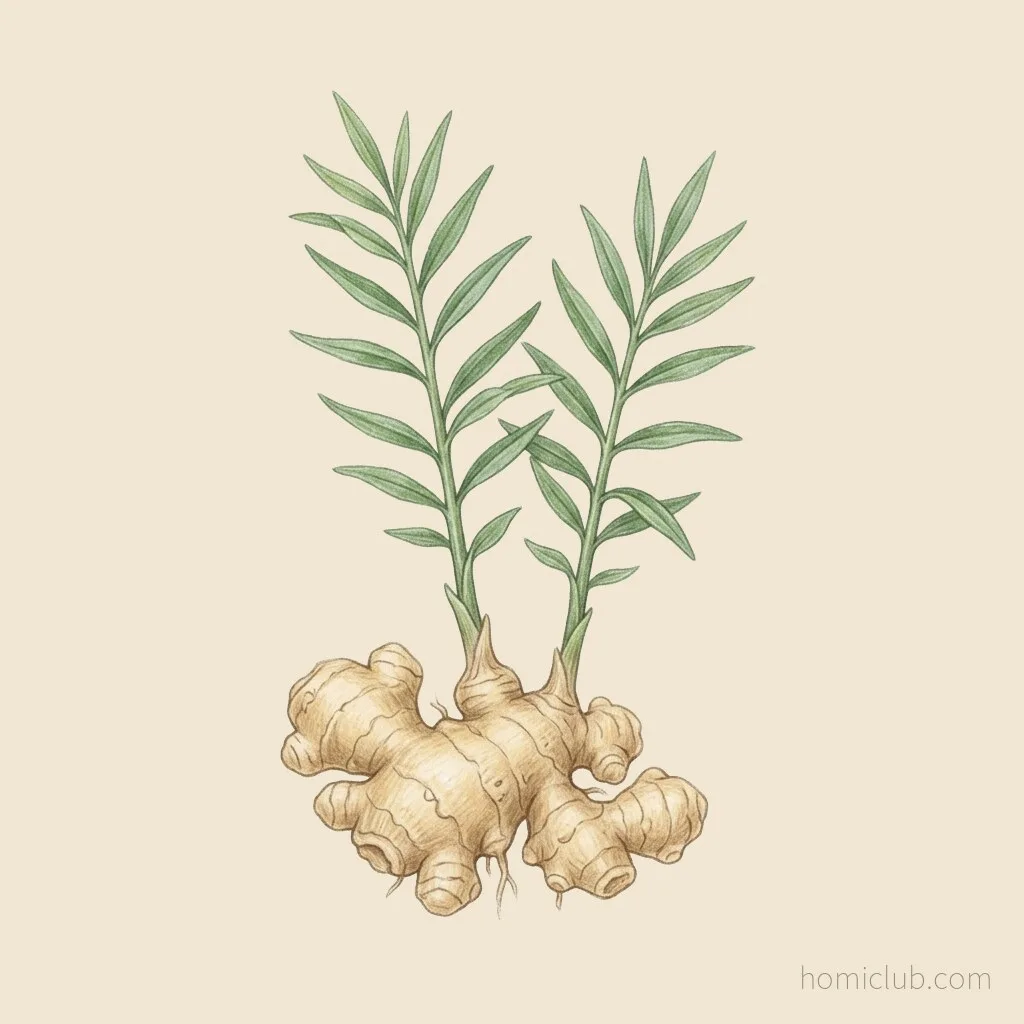
Ginger
Zingiber officinale
Gingerol-rich, warming root with anti-inflammatory power
Gingerol, the pungent compound behind ginger's bite, fights inflammation, acts as an antioxidant, aids digestion, and helps settle nausea. When ginger is heated, gingerol converts to shogaol, which boosts circulation and gives the root its body-warming effect. It's a kitchen workhorse, equally at home in teas, seasonings, and homemade syrups. Ginger likes warm weather, so plant it in spring and harvest in fall.
Year-Round Calendar
- 1
- 2
- 3
- 4
- 5
- 6
- 7
- 8
- 9
- 10
- 11
- 12
- 4
- 10
- 11
Health Benefits
Anti-inflammatory and antioxidant. A GRADE-rated meta-analysis in adults found that ginger supplementation significantly improved markers of inflammation and oxidative stress in the body. The pharmacological activity of gingerol and shogaol is proposed as the key underlying mechanism.
Obesity and metabolism. A GRADE meta-analysis reported that ginger supplementation affects obesity markers (body weight, BMI, and waist circumference) as well as the profile of adipokines, the signaling proteins released by fat cells. This makes ginger one candidate among dietary supports under review.
Type 2 diabetes and blood sugar. A meta-analysis evaluating the aromatic spices of the Mediterranean diet (cinnamon, turmeric, ginger, black cumin, and saffron) confirmed a significant improvement in the blood-sugar profile of people with type 2 diabetes. Ginger stood out as one of the central spices in that group.
Digestion and nausea. Ginger's significant anti-nausea effect is consistently reported across many meta-analyses, covering morning sickness in pregnancy, vomiting from chemotherapy, and post-surgical nausea. Clinical guidelines frequently recommend it as a supportive anti-nausea measure.
Joints and osteoarthritis. In a network meta-analysis of nutritional supplements for knee osteoarthritis, ginger was evaluated as a candidate for improving pain and function. Along with its anti-inflammatory activity, its safety profile is relatively well established.
Respiratory and allergy. A meta-analysis pooling animal and human trials of ginger-based preparations for allergic rhinitis pointed to anti-inflammatory and immune-modulating action as a therapeutic candidate. It is under review as one branch of supportive dietary care for respiratory health.
Liver health. A meta-analysis of ginger-supplementation RCTs for non-alcoholic fatty liver disease (NAFLD) reported improvement in some markers. The findings are not entirely consistent, but its potential as a supportive dietary addition is generally recognized.
Support for COVID-19 recovery. A meta-analysis of complementary herbal therapies reported that formulas containing ginger showed supportive effects on recovery and clinical outcomes. This is an area where more accumulated research is still needed.
Nutrition
- Gingerol (Pungent compound) — Anti-inflammatory, antioxidant, aids digestion, eases nausea
- Shogaol (Forms when heated) — Boosts circulation and generates warmth
Pairings
○ Jujube (Korean red date) — Saenggang-daechu-cha, ginger-and-jujube tea, is a traditional pairing with a long history of soothing the stomach and restoring energy. The sweetness of the jujube tempers ginger's heat, and the two ingredients complement each other nutritionally, making the brew easy to drink.
○ Honey — Honey softens ginger's sharp edge and helps with absorption. A warm cup of honey-ginger tea at the first sign of a cold is a go-to combination in both Eastern and Western traditions.
○ Garlic — Garlic and ginger are both classified as warming in traditional medicine, so they're used together for chills, cold-related stomach pain, and indigestion. Their antibacterial and digestion-aiding actions create a synergy.
○ Chicken and pork — Ginger is often used to cut the off-flavors of proteins like chicken and pork while aiding digestion. Adding a slice of ginger to samgyetang (Korean ginseng chicken soup) is a well-established practice at the Korean table.
○ Cinnamon — Ginger and cinnamon are both classified as warming and work in synergy for antioxidant activity and blood-sugar control. Mediterranean-diet meta-analyses frequently cite the two spices as having been studied together.
○ Lemon and honey — A warm lemon-honey-ginger tea at the onset of a cold helps on two fronts: boosting vitamin C and soothing the mucous membranes. It's a home remedy used widely across both Eastern and Western traditions.
△ Large amounts of ginger with pork (traditional claim) — Some traditions consider large amounts of pork and ginger together an incompatible pairing, but at everyday dietary levels there's no real concern. If anything, ginger is more often used precisely because it tames pork's gamey notes—a staple technique in both Korean and Chinese cooking.
△ Korean chives — A few traditional Korean herbal texts advise against eating large amounts of chives and ginger together, but the general consensus is that at normal dietary levels there's no problem.
△ Patients on medication — People taking anticoagulants, diabetes medication, or blood pressure medication should avoid heavy intake—think several cups of strongly brewed ginger tea every day. Because drug interactions are possible, consult your healthcare provider to set a safe amount.
Source: Food and Nutrition Information