탕액편 · Vegetables
葵 아욱 (규)
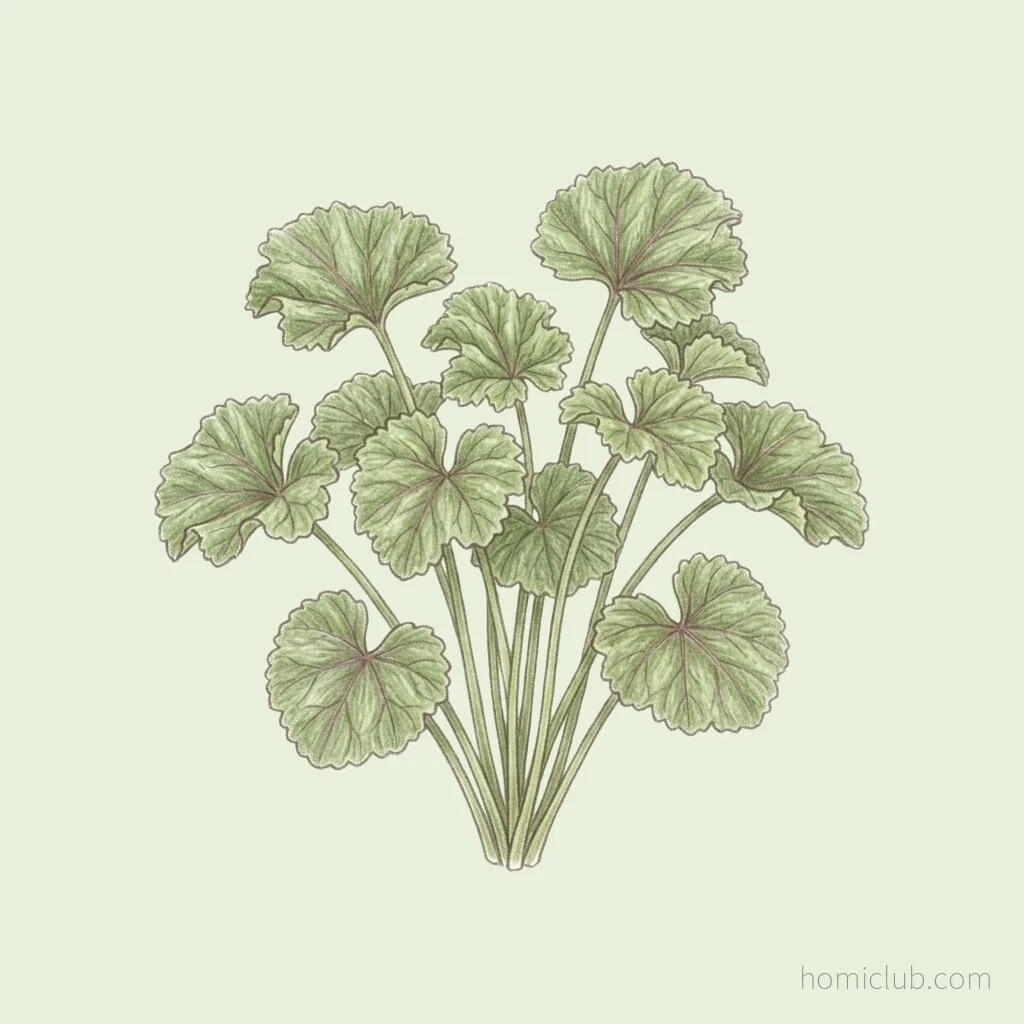 Related Crop · Curled Mallow (Auk) →
Notes
# Mallow (Aukk, 아욱 / 葵)
## Nature and Flavor
In Korean traditional medicine, every food and herb is classified by its energetic nature (cooling, warming, or neutral) and its flavor profile, which together predict how it acts on the body. Mallow is cooling in nature with a mild sweetness, and it carries no toxicity — meaning it can be eaten regularly without accumulating harm.
## Meridian Tropism (Where the Herb Travels)
Traditional Korean medicine maps the body through meridians — channels along which an herb's energy is believed to travel and concentrate in specific organs. Mallow is directed toward the large intestine, bladder, and small intestine, which is why its core actions revolve around urination and bowel movement.
## Main Effects
- Lubricating the intestines and easing constipation (潤腸通便, yunjang tongbyeon). Mallow's abundant fiber and natural mucilage — the soft, slippery plant substance that gives the leaves their silky texture — soften stool and ease passage. Dongui Bogam frequently calls on mallow for constipation and difficult urination.
- Promoting urination. Useful for edema (fluid retention causing swelling) and difficulty passing urine. It is gentle enough to be considered safe even for pregnant women suffering from swelling.
- Encouraging milk flow in new mothers (下乳, haryu). Mallow resolves the two complaints that often arrive together after childbirth: insufficient breast milk and postpartum constipation. Aukk-guk — mallow soup — is the established recovery food for Korean mothers after delivery.
- Soothing mucous membranes. The leaf mucilage gently coats and protects the linings of the stomach, intestines, and airways.
- Resolving stagnation. A general effect noted in Dongui Bogam: mallow helps when food sits heavily in the stomach or the abdomen feels uncomfortably full.
## How It Is Used
- Aukk-guk — mallow soup seasoned with doenjang (Korean fermented soybean paste).
- Aukk-juk — a savory mallow rice porridge.
- Blanched and dressed as a side dish (muchim).
- The seeds, called donggyuja (冬葵子), are formulated into pills and powders as a formal herbal preparation.
## Cautions
Because mallow is cooling by nature, people who tend to have cold hands and feet or who loosen easily at the bowel should counterbalance it with warming seasonings — doenjang, gochujang (red chili paste), or fresh ginger — when cooking it.
Early pregnancy: the leaves and stems remain safe, but large doses of donggyuja seeds should be avoided, as they may stimulate uterine contractions.
Related Crop
Curled Mallow (Auk) →
Readings are Homiclub’s own. Consult a professional for medical decisions. · 동의보감(자체 풀이)