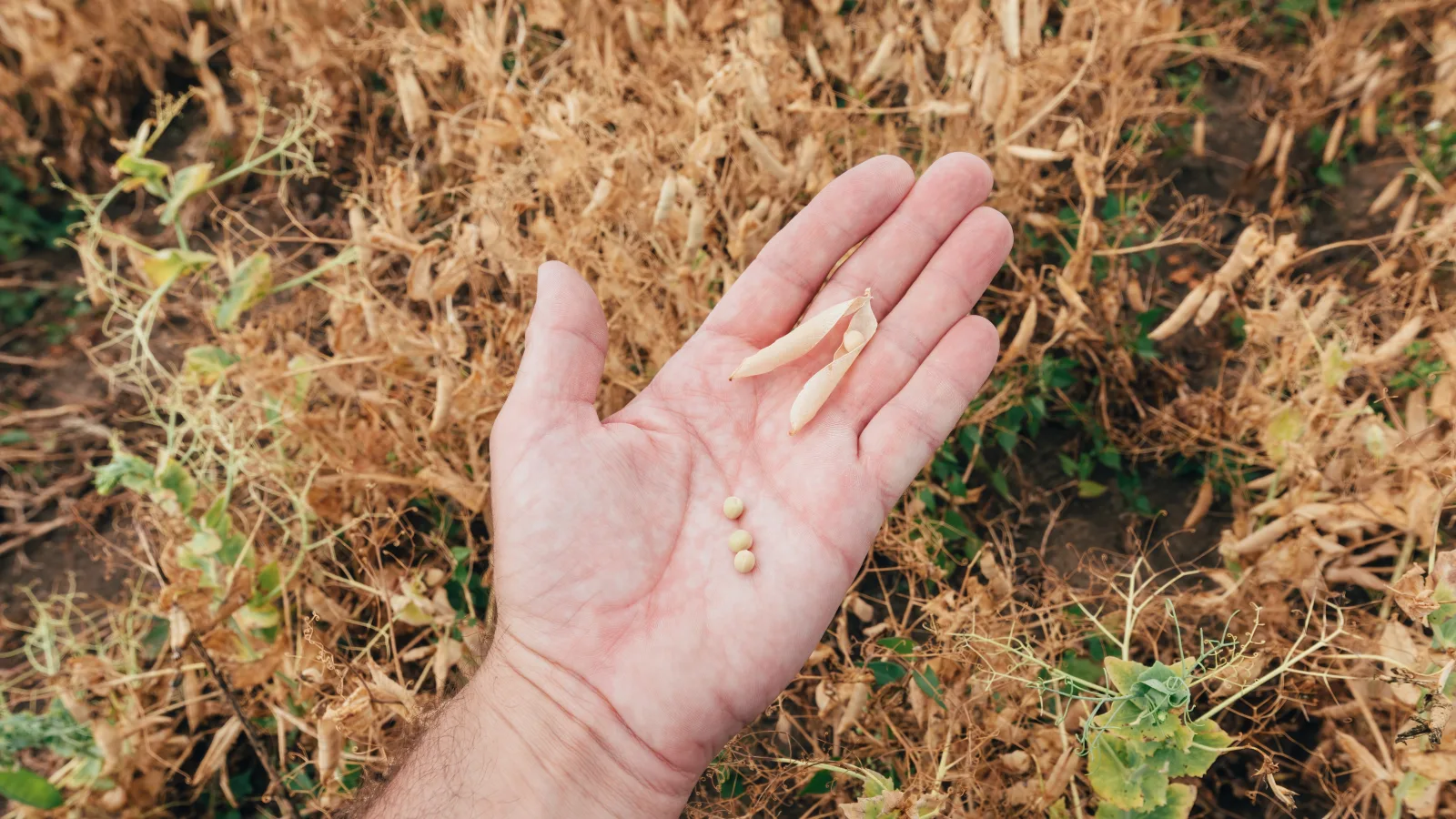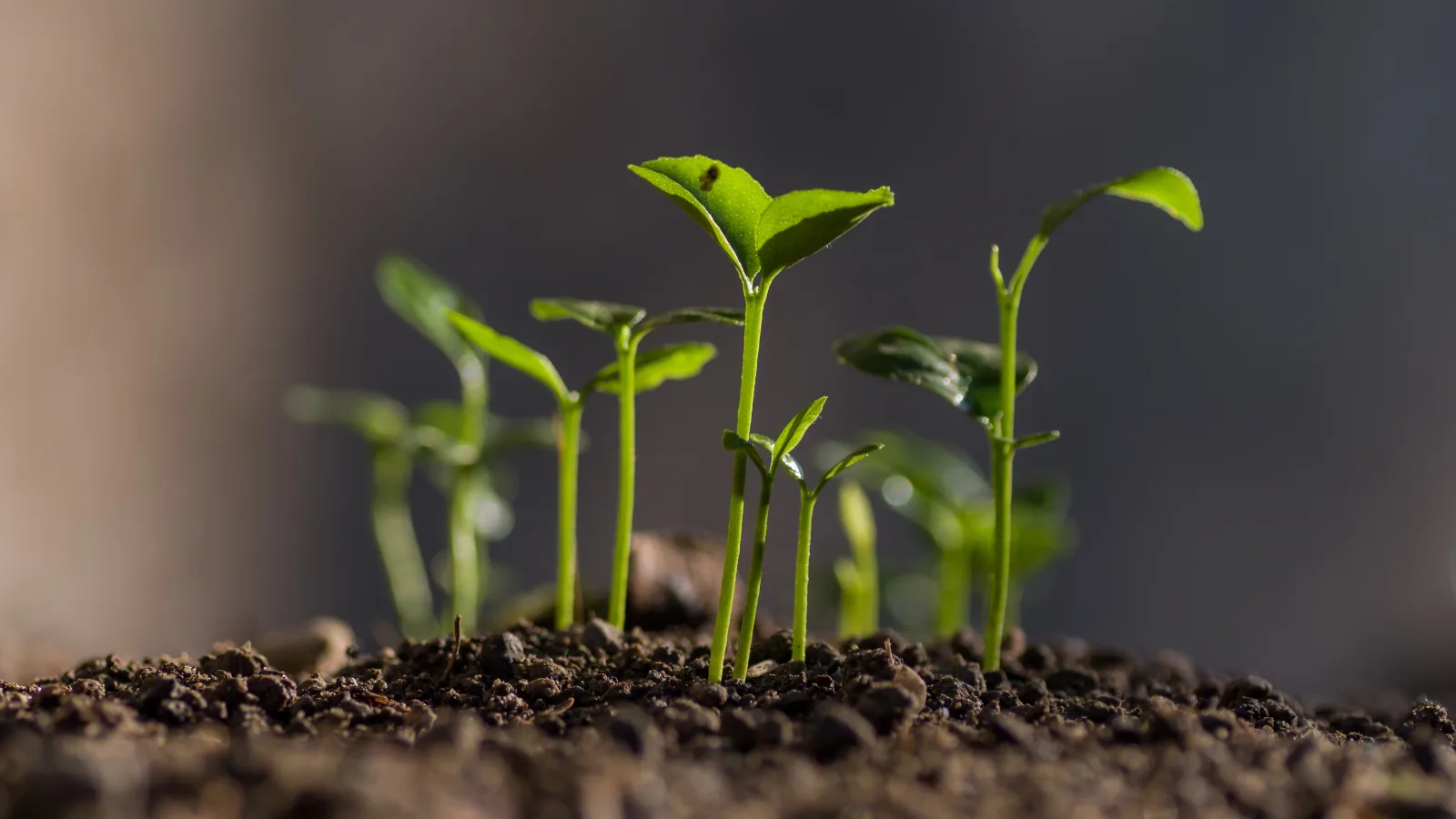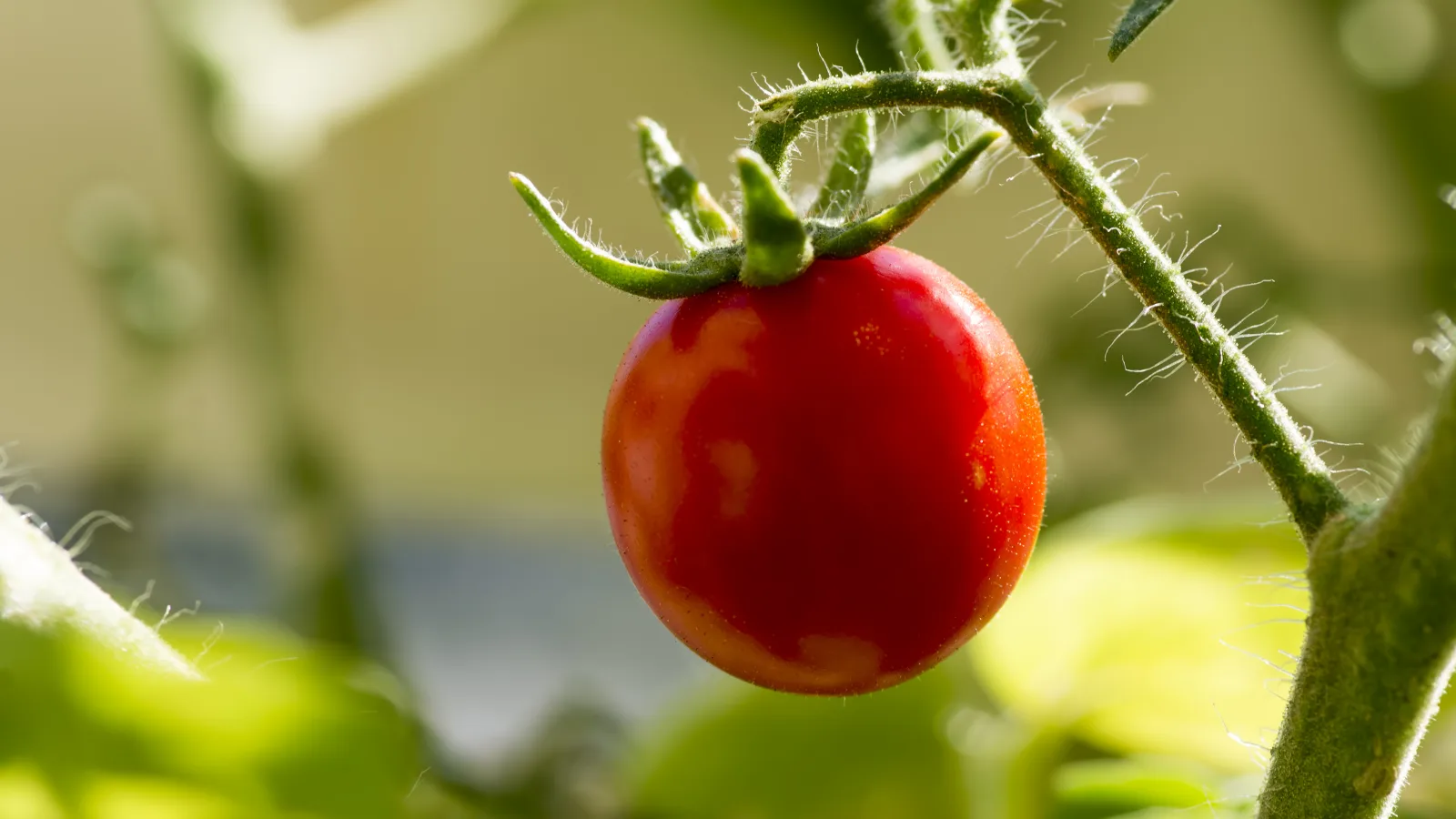

A child who planted seedlings in spring is now, summer past, popping cherry tomatoes straight from the vine into her mouth. Dirt is packed under her fingernails, and the watering can is almost as tall as she is. That's how Gyeryong City's season-long garden ecology program for young children came to a close. From dropping seeds into soil and watering, to examining leaves nibbled by insects, to harvesting with their own two hands — every child moved through the full cycle. No farm is required: a few containers and a small patch of earth are enough, and you can do the same thing right on your apartment balcony.
Why Let Kids Get Their Hands Dirty?
Growing plants and working with soil benefits children in two big ways: emotionally and nutritionally. Studies from multiple countries show that children who garden are less likely to refuse vegetables — and more likely to actually eat them. When a child grew the lettuce herself, taking a bite suddenly feels natural. A growing body of research also suggests that contact with soil microbes may support immune health and emotional well-being. That evidence is still emerging, so it's worth treating it as promising rather than proven. What is certain is the waiting. A seed doesn't sprout the morning after you plant it. Days pass before the first pale seed leaves push through, and children experience that patience firsthand.
Crops to Grow with Kids
Start with fast-growing, hard-to-kill crops. Lettuce and salad greens can be harvested within a month of sowing — quick enough to hold a young child's attention. Cherry tomatoes are perennial favorites: kids love watching them grow and love eating them even more. Green beans have large, easy-to-handle seeds and push up bold sprouts that are satisfying to watch; radishes let kids yank a plump root right out of the ground.
- Lettuce & salad greens — Quick to mature and harvested repeatedly, giving kids a steady sense of accomplishment.
- Cherry tomatoes — Kids can watch flowers and fruit side by side, then track the color shift from green to red.
- Green beans — Large seeds and vigorous seedlings make germination easy and exciting to observe.
A pot about 20 centimeters (8 inches) deep is enough for salad greens; tomatoes need something deeper and wider.
Care Together, Harvest Together
Put your child in charge of watering. Set a simple rule: each morning, press a finger into the soil and water if it feels dry. Over time, this builds a habit of tuning in to what plants need. Chewed leaves and aphids are worth examining together, too — remove pests by hand or rinse them off with water rather than reaching for any spray. Harvest day is the big moment. Pick the outer, larger lettuce leaves first, one at a time; with tomatoes, choose only those that have turned fully red. Bring that day's harvest to the dinner table and eat it together. The full loop — grow, pick, eat — closes inside the child.
The Gyeryong City program may have lasted only one season, but the experience doesn't have to end there. Pick up a packet of lettuce seeds today and scatter them with your child into a pot. A month from now, when you pick the first leaf together, the most excited person at the table will be the one with dirt still under their fingernails.