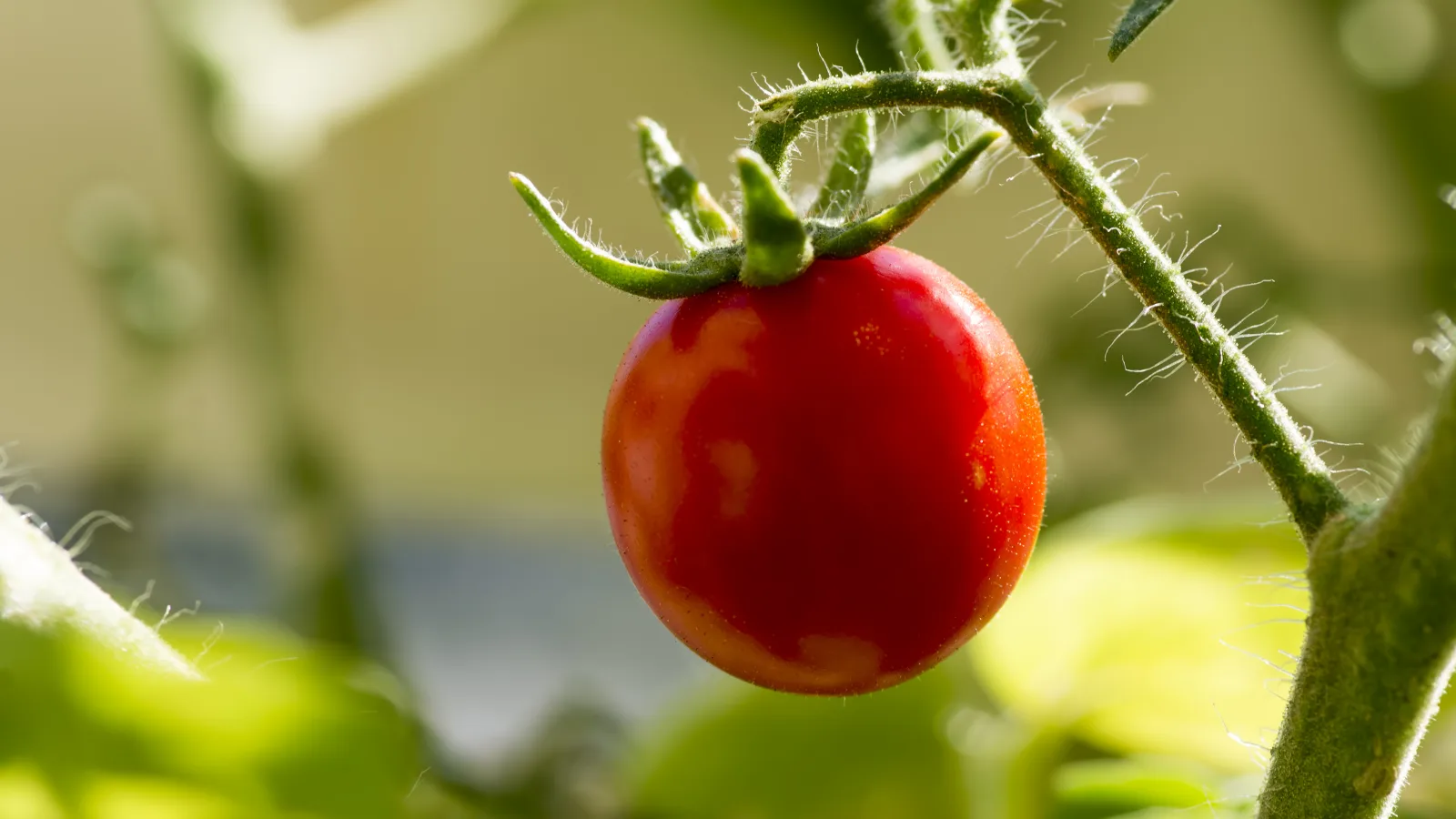
May is the perfect time to bring a seedling onto the balcony. As the days grow longer and nighttime temperatures stop dipping below the low 50s Fahrenheit (around 12°C), basil puts down roots quickly. Set a small pot next to your tomato seedling and the two plants will share the space happily—they make excellent companions. Among herbs, basil is one of the easier ones to grow, so even first-time gardeners can count on a good harvest.
Planting — Starting from a May Seedling
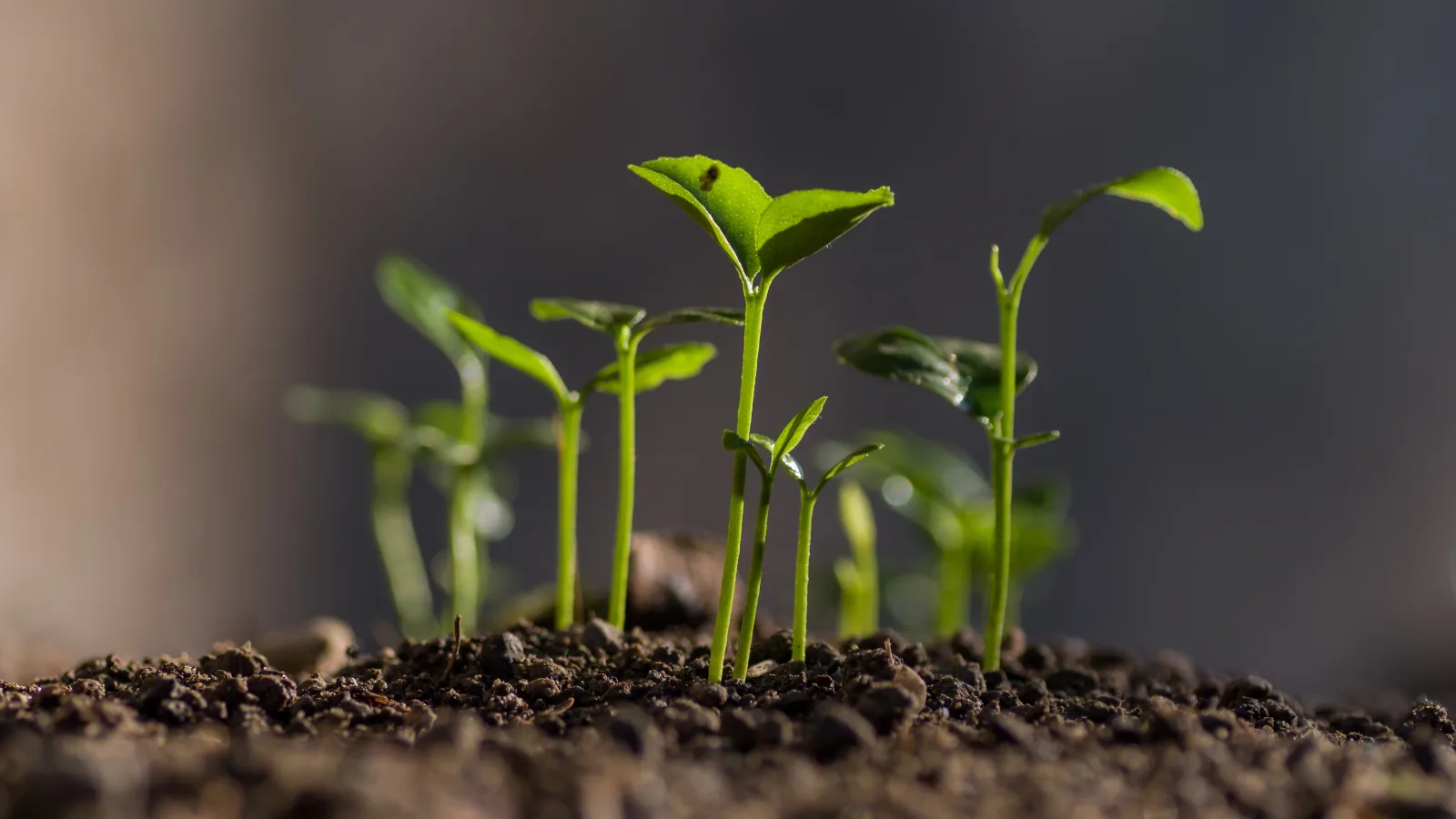
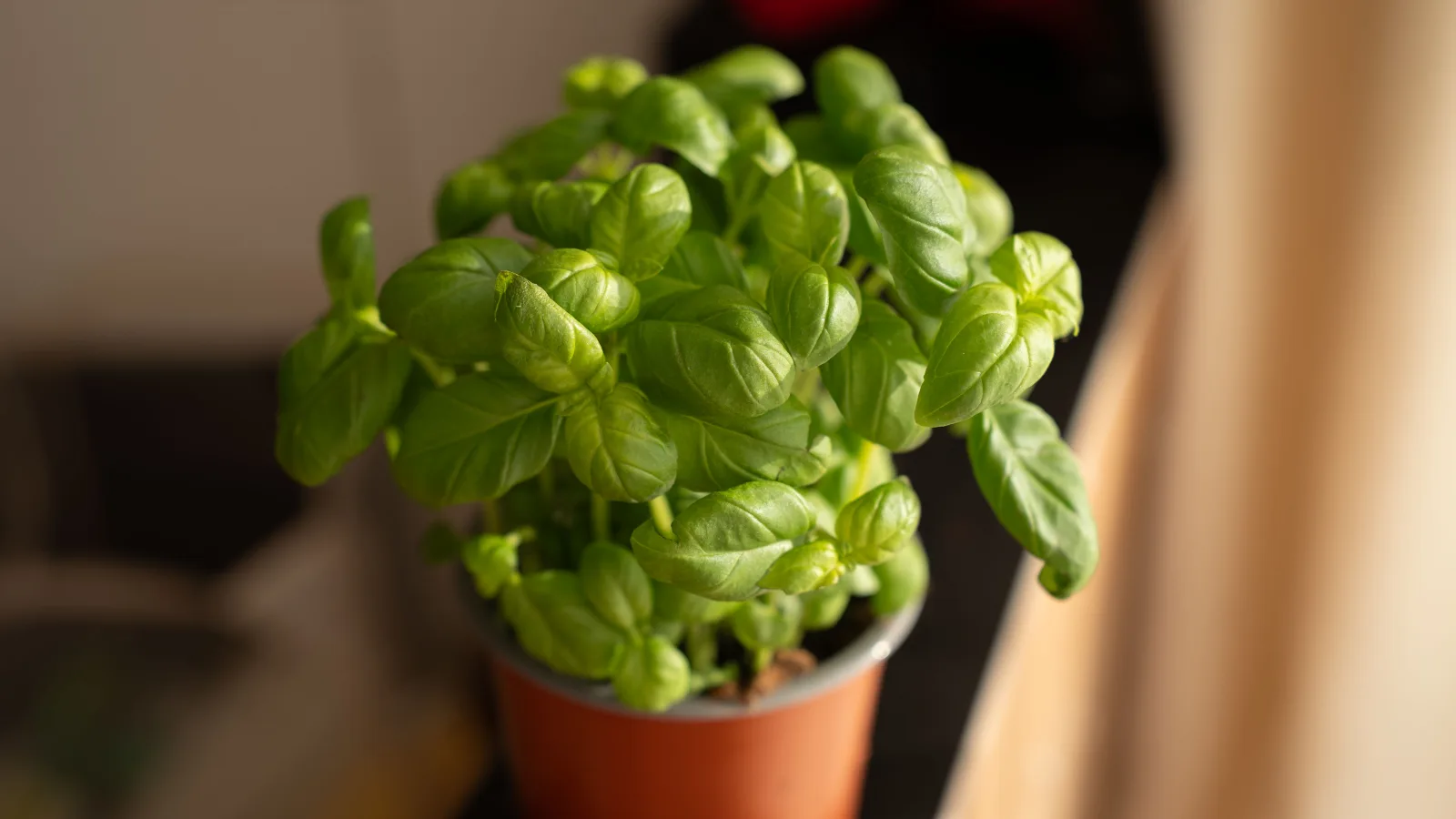
Basil is far easier to start from a seedling than from seed, since you skip the germination stage entirely. According to Korean agricultural guidance, the ideal time to plant is May. Start now and you'll get quick growth and leaves to enjoy all summer. A pot at least 6 inches (15 cm) across and about 8 inches (20 cm) deep is just right for a single plant. Make sure the pot has drainage holes in the bottom, and fill it with ordinary potting soil.
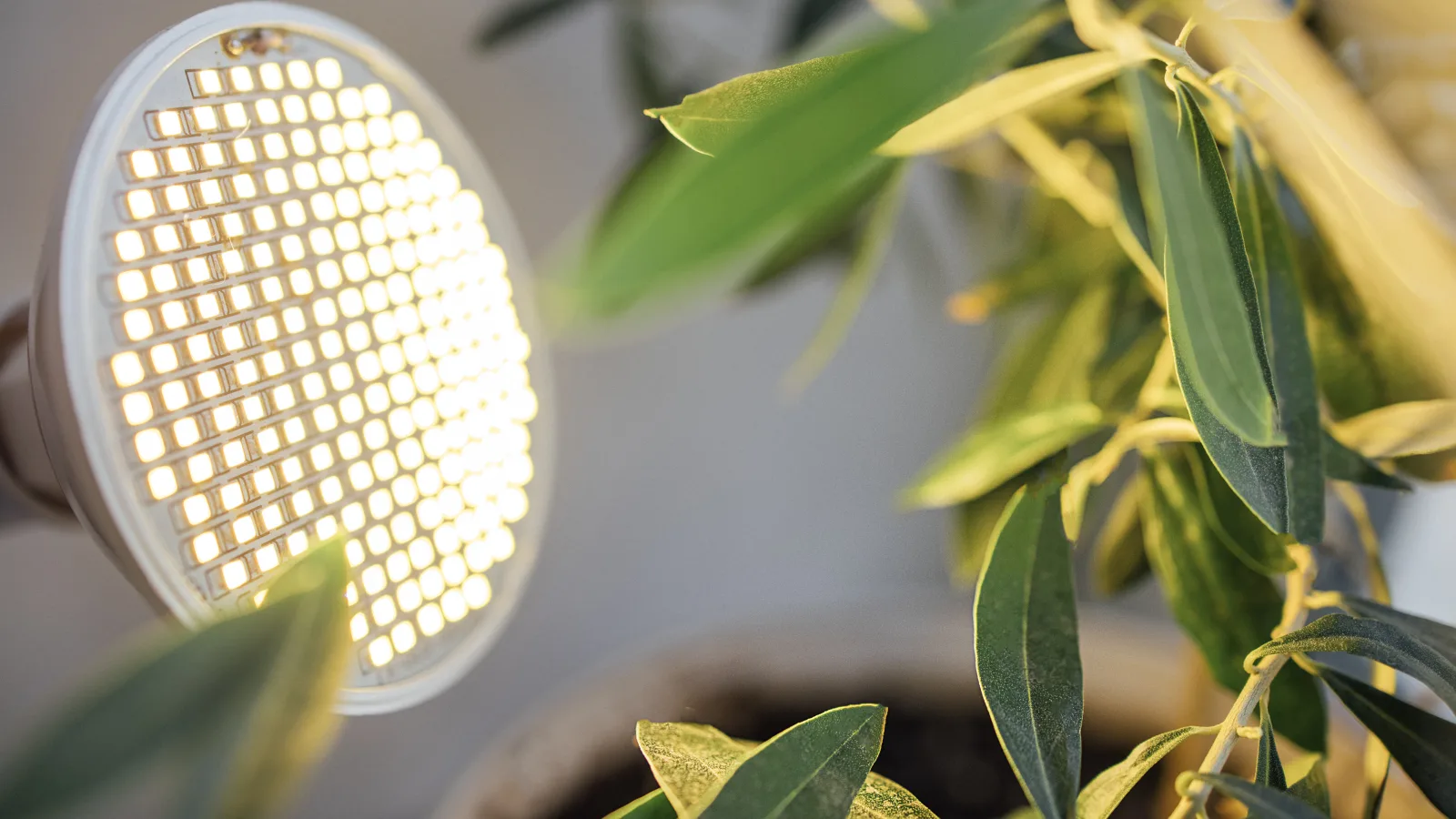
When you set the seedling in, bury it only to the depth it grew at originally, then water it thoroughly so the roots make firm contact with the soil. Basil loves sun, so a south-facing balcony or windowsill that gets at least six hours of light a day is best. Too little light and the stems stretch out leggy while the fragrance fades—so when you're choosing a spot, sunlight comes first.
Caring for It — Watering and Pinching
Basil doesn't tolerate dry soil well. When the top of the soil has dried to about the first knuckle of your finger, water it generously—but don't let water pool in the saucer underneath. In the height of summer, it's safest to check the soil morning and evening. If the leaves start to wilt and droop, that's a sign it needs water, so top it up right away.
The secret to a long harvest is pinching. Pinch off the topmost bud at the tip of a stem with your fingertips, and two new side shoots will branch out from the node just below. Make that first pinch when the plant has grown about six true leaves, and after that, snip off any flower stalks as soon as they appear. Once basil flowers, the energy that was going to the leaves shifts to the blooms, and the fragrance drops off. The more diligently you remove the flower stalks, the fuller the plant grows out to the sides—and the longer your harvest lasts. Keeping it near a tomato plant helps both grow well, too.
Harvesting — From June Through Fall
The harvest begins in June and runs all the way to October. Don't pick leaves from the top down—cut just above a stem node instead. That way, new side shoots grow back from the cut and you can keep harvesting again and again. If you take no more than a third of the plant at a time, it bounces back fast. Pick in the early morning, when the essential oils are at their peak, and the fragrance will be at its strongest.
Basil's aroma comes from the essential oils within its leaves. These oils are said to aid digestion and have anti-inflammatory and calming effects, and the leaves also carry antioxidants like beta-carotene and vitamin K. Freshly picked leaves show off their fragrance best in a Caprese—paired with tomato and mozzarella and finished with a drizzle of olive oil. Prolonged heat cooks off the essential oils and weakens the scent, so with pasta or pizza, it's best to lay fresh leaves on top of the hot dish as a finishing touch.
If there's a sunny spot on your balcony today, start with just one basil seedling. A single pot can give you fresh fragrance right through fall.
Source: food, nutrition, and horticulture references