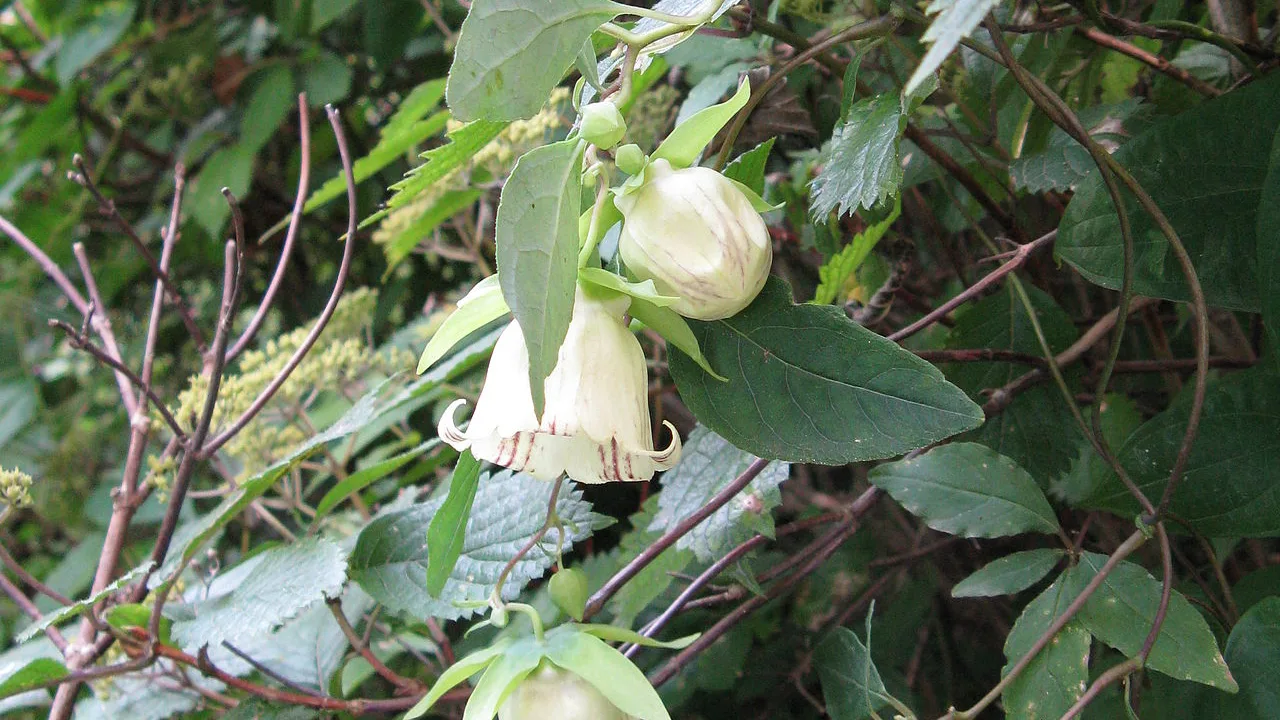
On a sunny stretch of balcony in the lengthening light of spring, tuck a few deodeok seeds into a small pot and slender vines will rise, a finger-joint at a time. Just brushing the leaves leaves an earthy deodeok scent on your fingertips. It takes two or three years before the roots are ready to dig, but in the meantime, watching the vine climb its stake is one of the quiet pleasures of a balcony garden.
Planting — Sow the Seeds in Spring
Deodeok is a bellflower-family plant, a relative of doraji (balloon flower), grown for roots that are used both as an herbal remedy and as a vegetable. The best time to sow is from mid-March through April. Because deodeok roots grow straight and deep, choose a generous pot at least 30 cm deep. Poor drainage can rot the roots, so mix a handful of coarse sand or perlite into your potting soil.
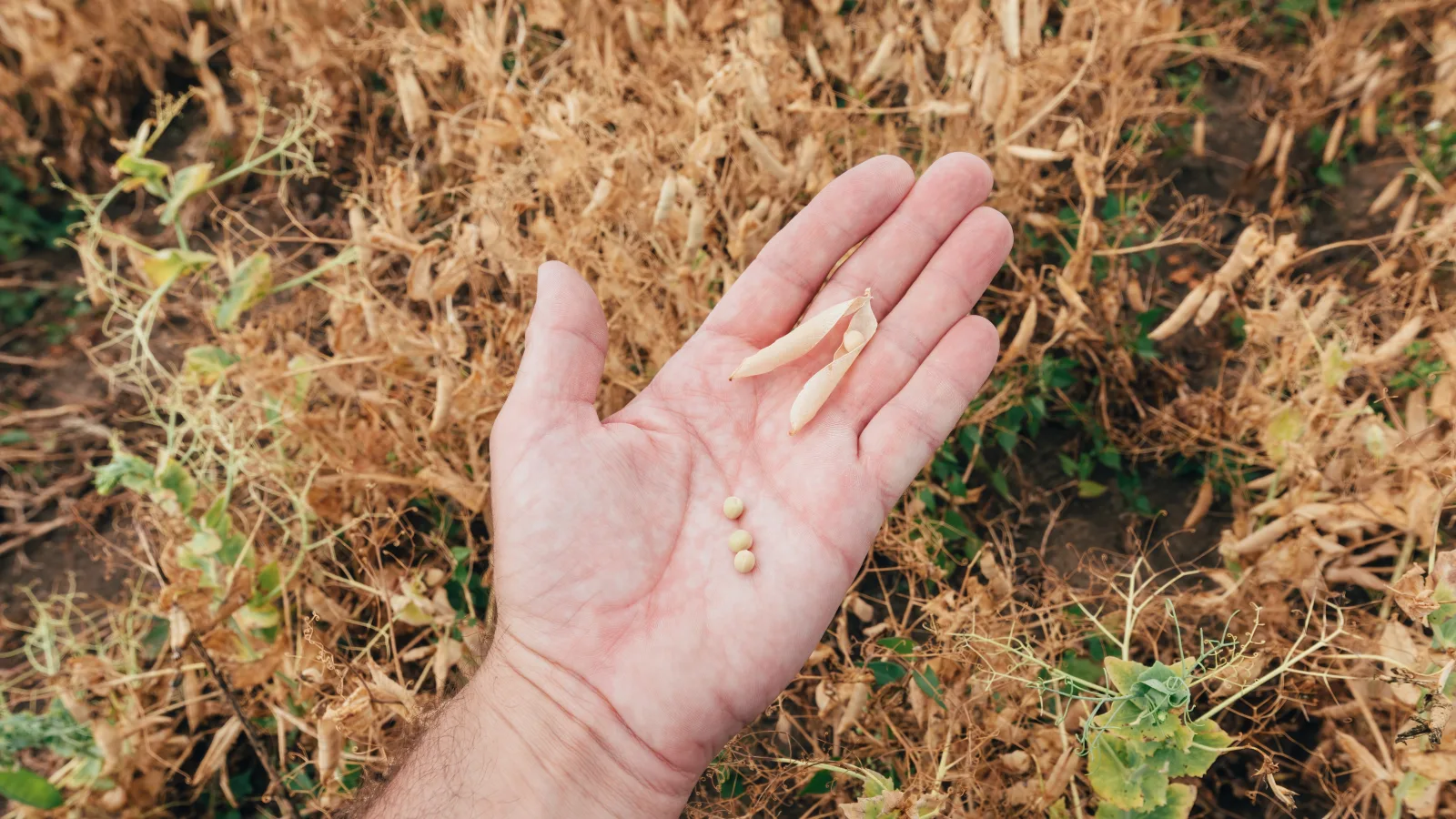
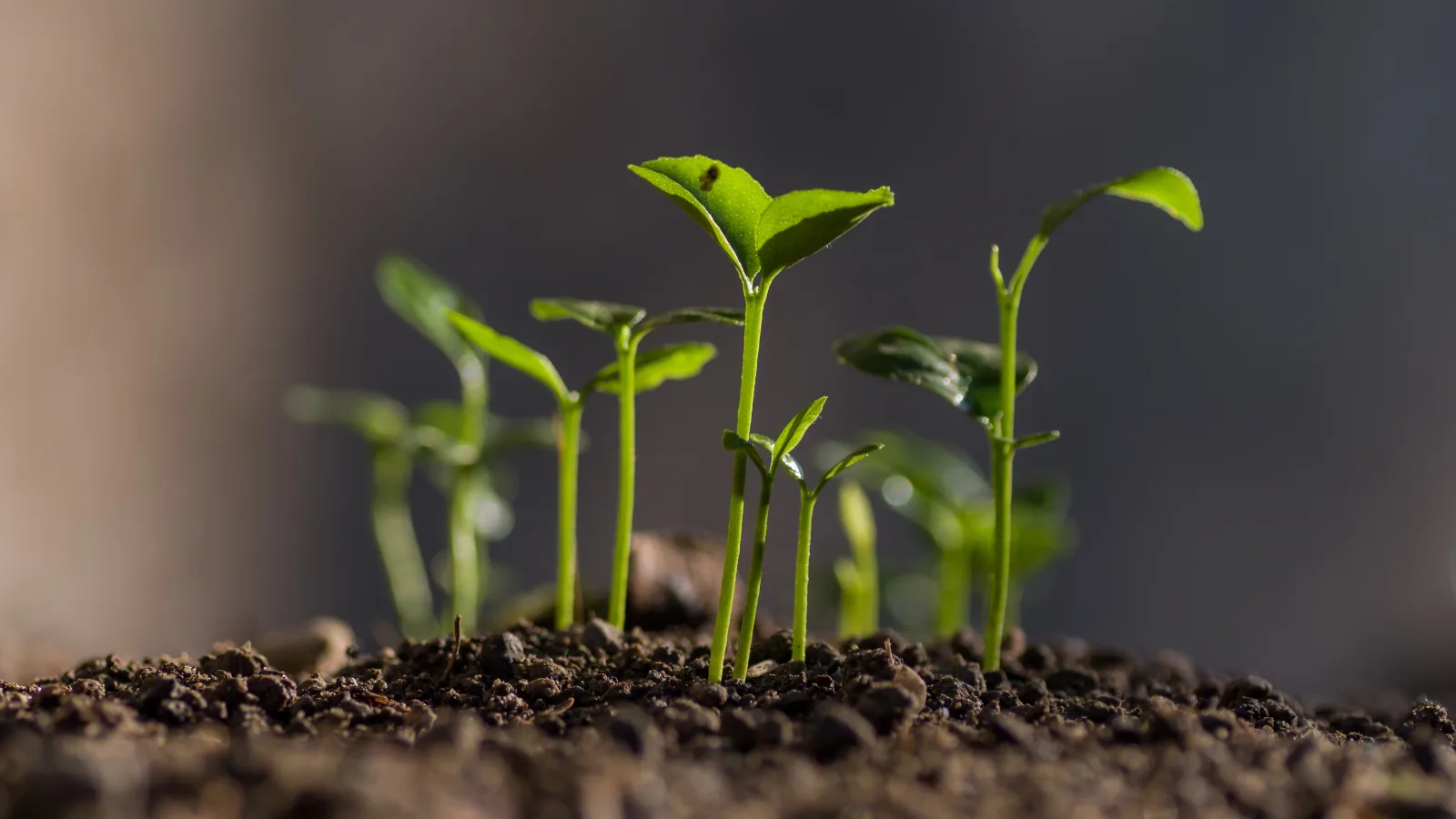
The seeds are tiny, and a thick layer of soil will keep the sprouts from breaking through. Scatter the seeds, cover them with just about 0.5 cm of soil, and mist with a spray bottle so they don't dry out. Once the seedlings are about a hand-span tall, thin them down to a few sturdy plants. If they grow too crowded, the vines tangle together and air can't move through them.
Caring — Give It a Stake to Climb
Deodeok is a climbing plant whose stems twine around whatever grows beside them. Left alone, the vines knot up around each other, so set a stake at the edge of the pot or run a string up to the balcony railing to give them a path, and the vines will follow it upward. Wind the first few joints around by hand to set the direction, and the rest will climb on their own.
Water generously whenever the surface soil dries, but don't let water pool in the saucer. Deodeok grows well even in partial shade, so if your balcony gets strong direct sun in high summer, shade it a little through the middle of the day. The roots are thin the first year, but after the leaves drop in winter and new shoots come up the following spring, the roots begin to thicken. Deodeok is fairly cold-hardy, so it can overwinter right on the balcony.
Harvesting and Cooking
The roots are usually dug in the fall or early spring of the second or third year after planting. When you peel a thickened root, a milky sap seeps out — these are its saponins. Deodeok has long been eaten as a vegetable thought to support the lungs and airways, and the Donguibogam, the classic Korean medical text, records its use for easing coughs and phlegm. Researchers are studying how saponins may thin mucus, but it's too early to treat deodeok as medicine — enjoying it regularly as food is the right approach.
To make deodeok-gui, pound the dug roots gently with a mallet to flatten them, brush them with a gochujang (red-chili paste) glaze, and grill. Torn into thin strips and tossed with a sweet-and-sour dressing, it also makes a fine fresh salad. The flavor is strong, so at first it's easier to eat if you soak it briefly in salt water to draw out the bitterness.
This spring, tuck a few deodeok seeds into a single balcony pot and set up a stake. While you enjoy the scent and watch the vine climb rung by rung, two or three years on you'll find yourself sitting down to a meal made with deodeok you dug yourself.
Sources: Donguibogam; deodeok cultivation guidance from the Rural Development Administration