You pick a handful of cherry tomatoes from the summer garden, and just before rinsing them, you pause. You know exactly what's on this little fruit—what you sprayed and what you didn't—so a quick rinse under running water is all it needs. That's the quiet reassurance homegrown vegetables give you. Right now, in Europe, the rules that govern that "spraying" are about to change.
The Bill the European Commission Put on the Table
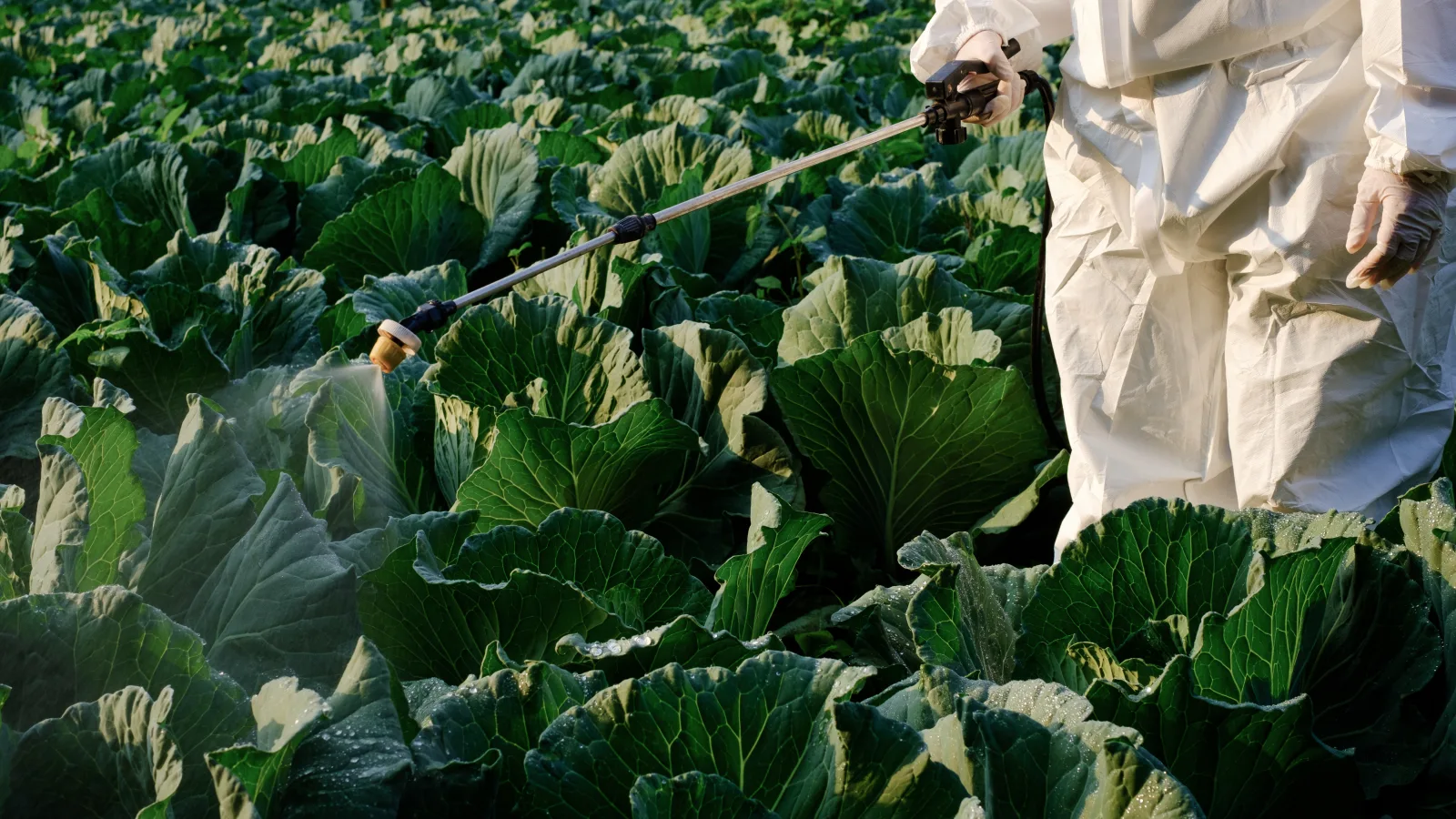
This year the European Commission unveiled a "simplification package" for food and feed safety. The idea is to streamline food-safety regulations—including the approval process for pesticides—and to cut administrative red tape. Among other things, the package would lengthen the interval between pesticide re-approvals and adjust some of the safety-review requirements.
There's a long-running grievance behind it. Getting a single pesticide approved across multiple European countries can take years, and because standards vary from one country to the next, the process gets tangled and confusing. The Commission has stepped in, saying it wants to tidy all of that up.
What the Scientists Are Flagging
In response to the bill, a large group of independent European researchers signed an open letter voicing their concerns. Their central point: streamlining the paperwork could also water down the scientific standards used to assess how dangerous a pesticide actually is.
Current European rules require the impact of a pesticide's active ingredients on people and the environment to be examined from several angles. That includes the combined-exposure effect of multiple compounds building up in the body at once, along with separate assessments for vulnerable groups such as children and pregnant women. The researchers argue that these steps must not be skipped in the name of administrative efficiency.
The Maximum Residue Level, or MRL, is another sticking point. During simplification, the researchers warn, the allowable residue limit for certain compounds could be raised—or an ingredient already banned for being harmful could quietly come back up for review. Because the pesticides left on our fruits and vegetables are consumed in small amounts, day after day, they explain that even a slight loosening of the limits can add up to a real long-term exposure risk.
How Close Is This to Our Own Table?
A regulatory shift in Europe might seem to have nothing to do with a vegetable patch in Korea. But imported food largely follows the standards of the country it comes from. If European limits ease, the residue thresholds for European vegetables, olive oil, wheat, and processed foods could change too—and it could sway negotiations over international standards as well. The European strawberries, bell peppers, and greens on the shelves of a Korean supermarket are not untouched by any of this.
What the scientists press hardest in this debate is not the danger of the pesticides themselves, but a principle: the process that evaluates the risk has to stay independent of corporate interests. In other words, the structure in which independent scientists review the raw data themselves must be preserved.
What You Can Choose to Do in Your Own Garden
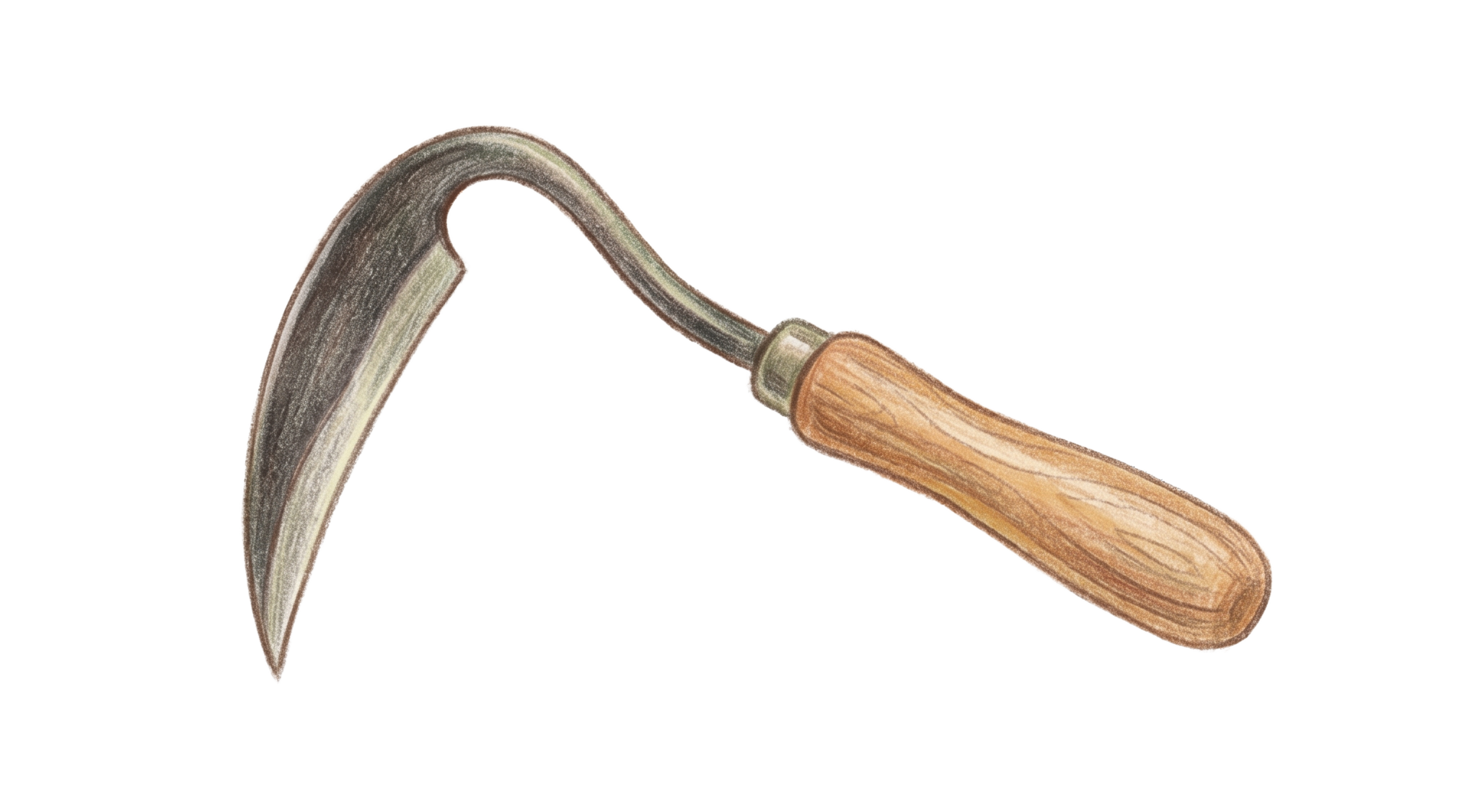
With garden vegetables, you know what you used because you used it. If aphids show up, rinse them off with water, or mix garlic and chili pepper into water and give the plants a light spritz. When you're working with store-bought produce, the rule of thumb—especially for crops you eat skin and all—is to rinse them under running water for at least 30 seconds to help wash away residual pesticides. And try growing your own strawberries, lettuce, perilla leaves (kkaennip), and bell peppers. The worry about pesticide residue simply disappears.
Whatever regulations change, and however they change, the trust you place in a vegetable you planted, watered, and harvested yourself is something you can't buy anywhere else.
Sources: European Commission food and feed safety simplification package; open letter from independent European researchers