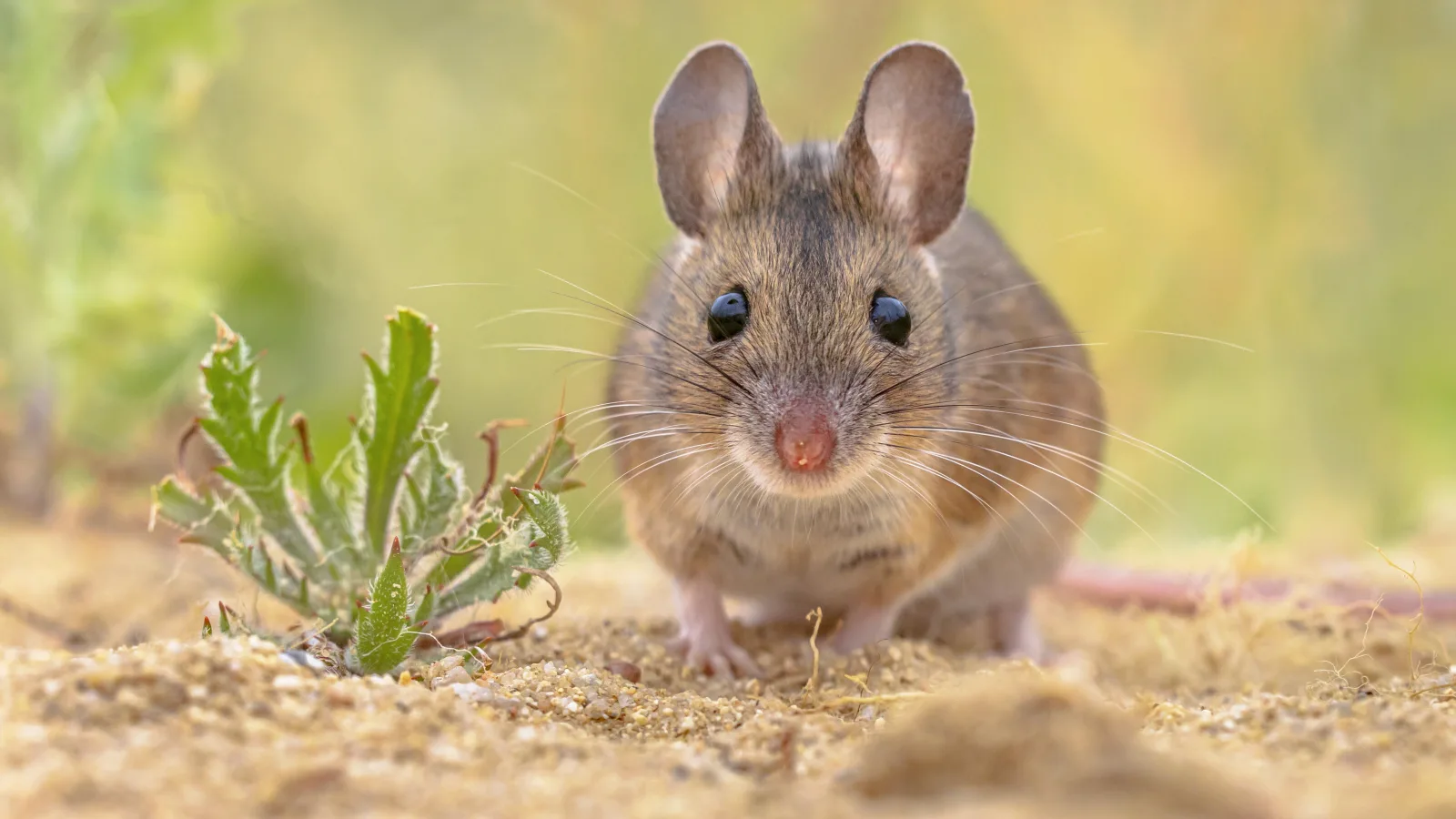
You've probably had it happen: the summer harvest wraps up, you leave a few spent corn stalks lying in the garden for a couple of days, and one morning you find droppings and tiny footprints. Mice. They turn up in urban gardens more often than you'd think, and their activity spikes at two moments — right after harvest, while leftover crops are still on the ground, and in the run-up to winter, when they go looking for somewhere warm.
What happened in Western Australia's farm country shows exactly where things can lead when that first mouse isn't stopped early.
The Mouse Plague That Swept Western Australia's Farmland
Beginning in late 2025 and continuing for months, mouse populations exploded across the farming regions of Western Australia. Houses, sheds, fields, and roads filled with mice, and the smell of them — living and dead — hung over entire districts. Locals call it a mouse plague.
Farmers could barely work their fields. Grain sacks in sheds were torn open overnight, and mice got into homes, gnawing away until morning. Months on, control measures have taken hold and the damage is easing. But the farmers there keep saying the same thing: they let one mouse slide early on, and then it was beyond control.
Why Mouse Numbers Explode So Suddenly
House mice (Mus musculus) breed fast. A female bears 5 to 8 pups per litter, and pregnancy lasts about three weeks. Given enough food and space, a single pair can multiply into hundreds within a year.
In Australia's case, a bumper wheat harvest the year before left grain scattered across the fields in huge quantities. That grain fed the mice, and their numbers surged the following year. The pattern — bumper crop, food surplus, then a mouse boom — repeats in cycles.
Urban gardens are no different. Root vegetables left in the ground after harvest, food scraps in the compost bin, and the warm, damp spaces under mulch all make ideal conditions for mice to settle in. And once breeding starts, numbers climb so fast that by the time you notice, you're behind.
How to Keep Mice Out of Your Garden
The most effective approach is to change the environment before mice ever settle in.
- Clear away leftover crops right after harvest. Fallen fruit and leftover roots are best cleaned up the same day.
- Keep the compost bin lid shut tight. A bin that takes food scraps becomes a feeding station for mice.
- Don't lay mulch too thick. The space under a deep layer of straw mulch makes a perfect hiding spot. Outside of winter, try keeping it to 5–7 cm (about 2 to 3 inches).
- Clear out clutter and wood piles around the garden regularly. The gaps between stacked items become nesting sites.
Poison bait is a tool for after mice have already moved in. Used inside a garden, it can also harm the predators that eat poisoned mice — cats and birds of prey — so it calls for caution. Glue traps are relatively safe, but they need to be checked and dealt with regularly.
Today, take a look at the bed you just finished harvesting, the spot next to the compost bin, and under the mulch. If you spot small footprints or droppings, now is the time to clean up. Stopping mice when there's one is far easier than stopping them when there are dozens.
Sources: Department of Primary Industries and Regional Development, Western Australia (DPIRD) · CSIRO Wildlife Research Centre, Australia's national science agency