
Tangaek — Decoctions · Grains
大麥糵 Boritgirum (보릿기룸)
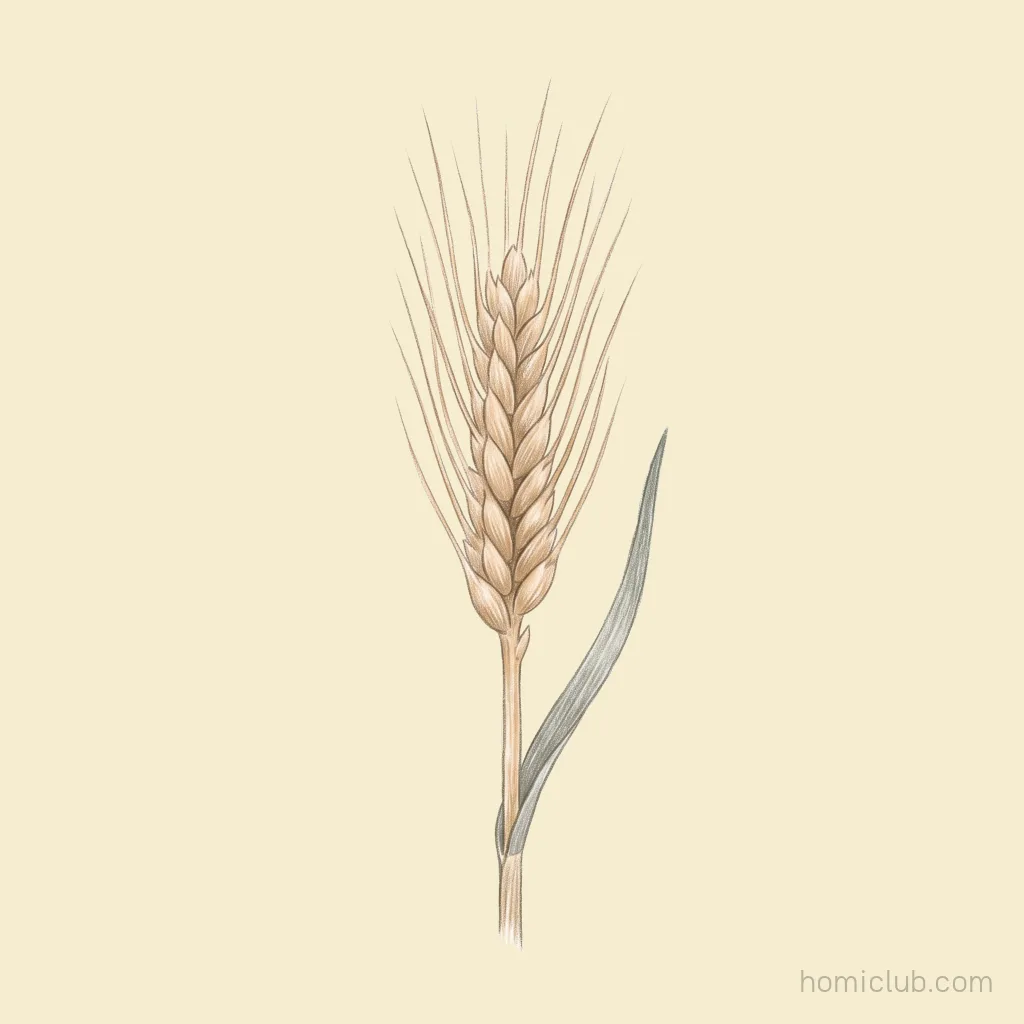
Daemaegeol is barley soaked until it sprouts and then dried, what a Korean kitchen calls yeotgireum and a brewery calls malt. It is the base for sikhye and for grain syrup. The Dongui Bogam gives the old Korean name boritgireum and notes that taffy can be made from it.
Original, read line by line 東醫寶鑑 · Tangaek — Decoctions vol. 1
-
性微煖一云溫, 味甘醎, 無毒.
Its nature is slightly warming, though one account calls it warm; its taste is sweet and salty, and it is non-toxic.
HomiclubDaemaegeol is barley soaked until it sprouts and then dried — what Koreans call yeotgireum, malt. It is the same material as brewers' malt, and it goes into sikhye and grain syrup.
-
能消化宿食, 去心腹脹滿, 溫中下氣, 開胃, 止霍亂, 破癥結, 能催生落胎.
It can disperse stagnant food, remove distension and fullness in the chest and abdomen, warm the middle and send qi downward, open the appetite, stop gwallan (霍亂, sudden turmoil disorder), break up jinggyeol (癥結, hardened masses), and hasten delivery or bring down a foetus.
-
久食消腎, 不可多食. 《本草》
Eaten long it wastes the sin (腎, kidney), so it must not be eaten in quantity. 《Boncho (本草)》
-
不以理生芽爲糵. 《入門》
What is made to sprout out of its natural course is called eol (糵, malt). 《Immun (入門)》
-
大麥水漬, 候芽生, 急暴令乾用, 可作飴糖. 《日用》
Steep barley in water, wait for the sprouts to appear, then quickly sun-dry it for use; it can be made into idang (飴糖, malt sugar). 《Iryong (日用)》
-
麥糵, 行上焦滯血, 宿食腸鳴, 溫中消穀. 《醫鑑》
Malt moves blood stagnant in the sangcho (上焦, upper burner), addresses lodged food and rumbling in the intestines, warms the middle, and digests grain. 《Uigam (醫鑑)》
-
入藥, 炒黃杵細, 取麪用之. 《湯液》
For use in medicine, roast it yellow, pound it fine, and take the flour. 《Tangaek (湯液)》
Grains — more entries
This is a cultural and historical record from a classical text, not a claim about any food’s effects. Nothing here is a health supplement or intended to prevent or treat disease. Consult a medical professional about health concerns. · Text: Korean Medicine Classics DB · Reading: Homiclub