
탕액편 · 초부 (풀)
漏蘆 졀국대 (누로)
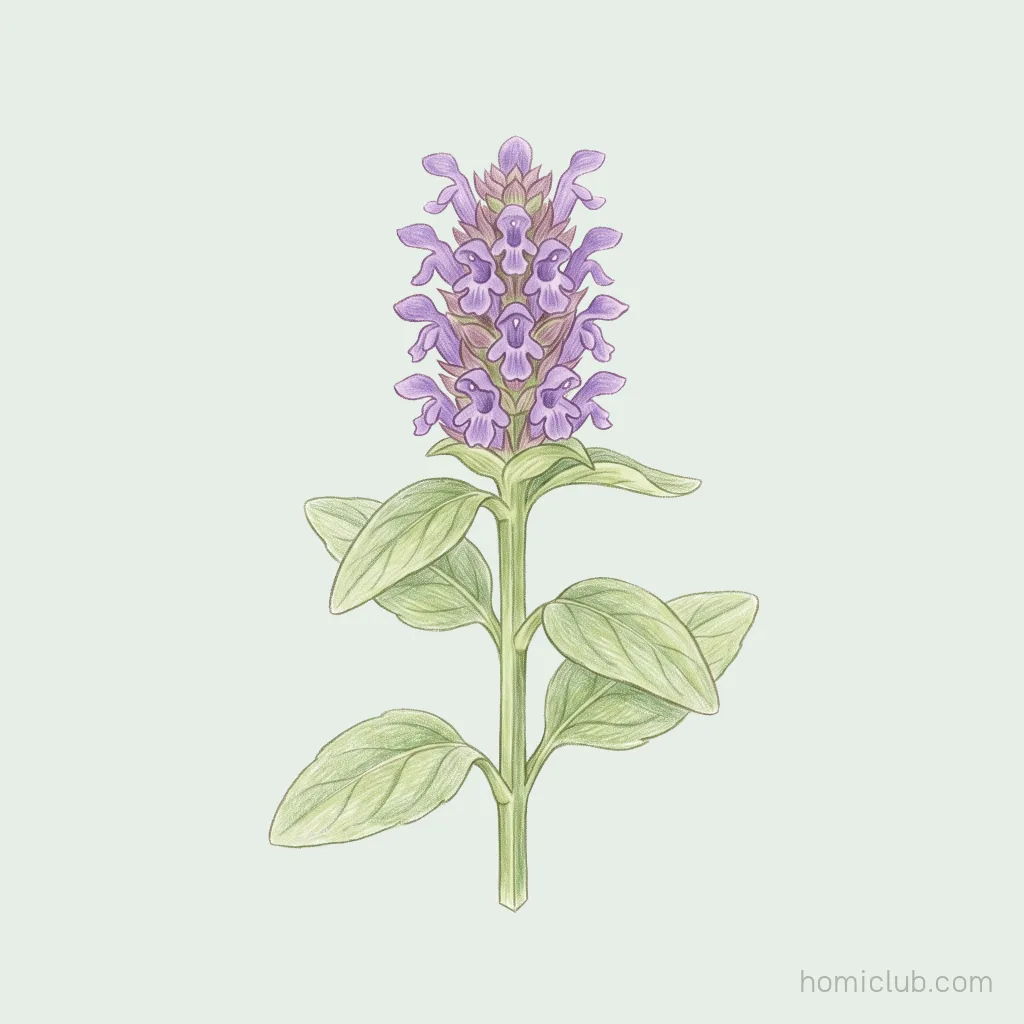
누로는 국화과 풀의 뿌리로, 《동의보감》은 한글 이름을 '졀국대'라 적었다. 줄기가 젓가락만 하고 씨는 참깨를 닮았으며 뿌리는 검고 순무보다 가늘다고 했다. 오늘날 어느 풀을 가리키는지는 뻐꾹채와 절굿대 사이에서 갈린다.
원문 풀이 東醫寶鑑 · 탕액편 권2
-
性寒, 味苦醎, 無毒. 治身上熱毒風生惡瘡, 皮肌瘙痒癮疹, 療發背乳癰瘰癧.
성한, 미고함, 무독. 치신상열독풍생악창, 피기소양은진, 요발배유옹나력.
성질은 차고 맛은 쓰고 짜며 독이 없습니다. 몸에 열독과 풍으로 악창이 생긴 것과 살갗이 가렵고 두드러기가 돋는 것을 다스리며, 발배(發背)와 유옹(乳癰), 나력(瘰癧)을 다스립니다.
호미클럽 풀이누로는 국화과 풀의 뿌리로, 《동의보감》은 우리말 이름을 '졀국대'라 적었습니다. 오늘날 이 이름이 뻐꾹채를 가리키는지 절굿대를 가리키는지는 갈리며, 두 풀 모두 국화과의 여러해살이입니다.
-
排膿, 補血, 付金瘡止血, 治瘡疥.
배농, 보혈, 부금창지혈, 치창개.
고름을 밀어내고 피를 보하며, 쇠붙이에 다친 데 붙이면 피를 멎게 하고 부스럼과 옴을 다스립니다.
-
生山野. 莖若筯大, 其子作房, 類油麻而小, 根黑色似蔓菁而細. 八月採根, 陰乾. 《本草》
생산야. 경약저대, 기자작방, 유유마이소, 근흑색사만청이세. 팔월채근, 음건. 《본초》
산과 들에서 자랍니다. 줄기는 젓가락만 하고 씨는 방을 이루며 참깨를 닮았으나 작고, 뿌리는 검은빛으로 순무를 닮았으나 가늡니다. 팔월에 뿌리를 캐어 그늘에 말립니다. 《본초》
-
足陽明本經藥. 《入門》
족양명본경약. 《입문》
족양명의 본경 약입니다. 《입문》
초부 (풀) 의 다른 항목
옛 문헌을 문화·역사 자료로 옮긴 것이며, 특정 식품의 효능을 주장하지 않습니다. 여기 소개된 것은 건강기능식품이 아니고 질병의 예방·치료를 위한 것이 아닙니다. 건강 문제는 의료 전문가와 상담하세요. · 한의학고전DB(mediclassics.kr)