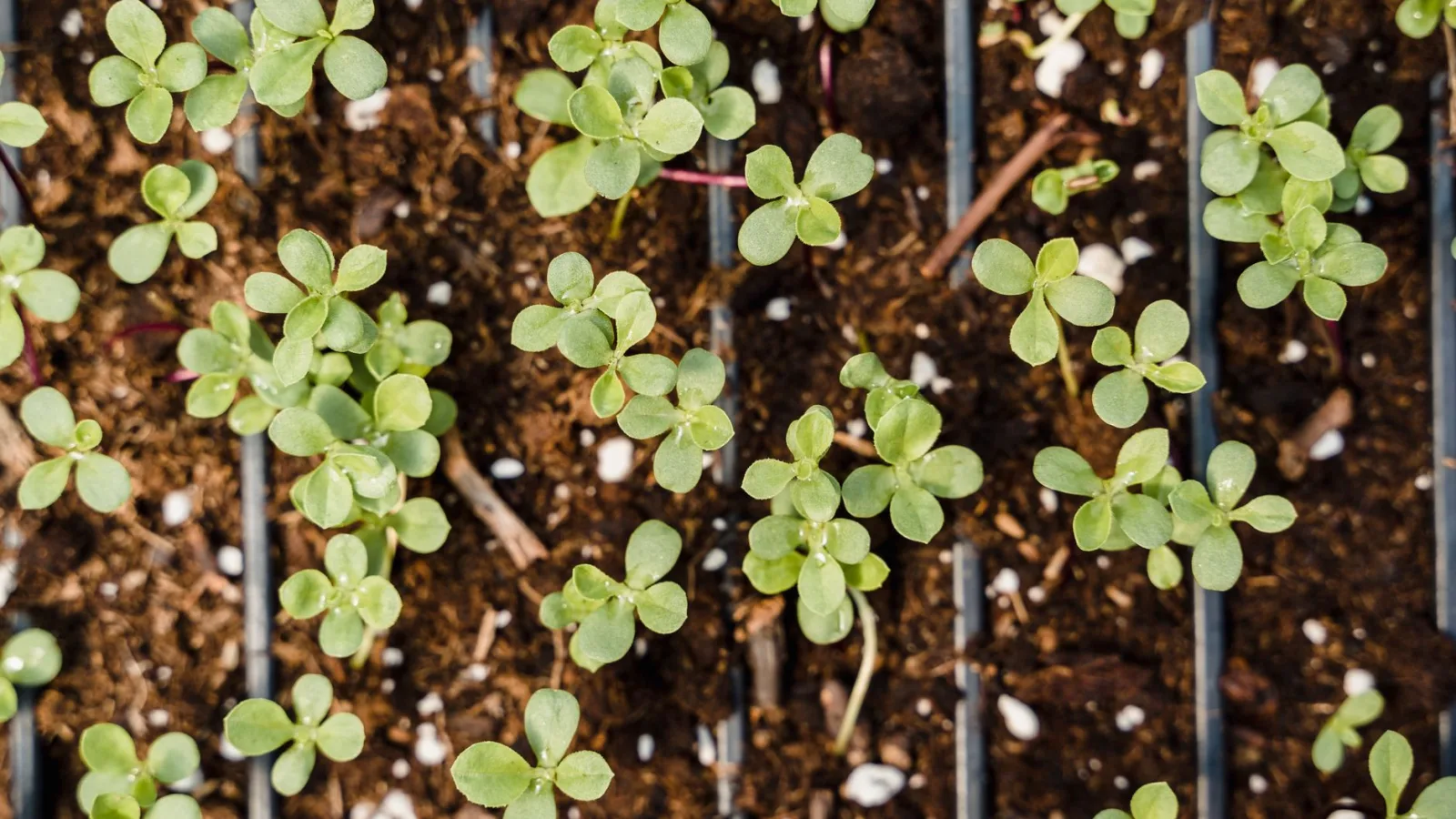
In a corner of the fall garden, the sicklepod plants that bloomed yellow all summer now stand more than 1 m tall. Wherever a flower has faded, a long, slender, curved pod hangs in its place. Sicklepod (gyeolmyeongja in Korean, sold in herbal shops as "cassia seed") is an annual in the legume family. Korea's familiar gyeolmyeongja-cha is simply the seeds from these pods, roasted and steeped. So where does this little seed end up? Roasted and brewed, it meets your lips. Dried well and packed into a pillow, it rests under your head.
A Seed That Needs a Long, Hot Season
Sicklepod comes from tropical America. It grows best at 20–30°C and will grow anywhere in the 15–35°C range. Frost kills it outright, and the seeds won't ripen unless the plant gets more than 150 warm days between sowing and the first frost. In cool regions with short summers, the plants may flower but leave you with underripe seeds. China is the leading producer, and sicklepod is also widely grown in India and Korea.
In the Northern Hemisphere, sow in May and harvest in October–November. Pick a spot with full sun and good drainage. The plant handles drought well, but its roots suffer in standing water. Although it's a legume, the branch of the family sicklepod belongs to rarely forms root nodules, so it won't supply its own nitrogen. Don't leave nitrogen out of your base fertilizer; feed it as you would any other vegetable crop. Once the pods dry, pick them off whole. The first frost kills the plants, so when frost shows up in the forecast, gather every remaining pod ahead of time.
What Steeps Out of the Roasted Seeds
Sicklepod seeds contain anthraquinone derivatives. These are pigment compounds such as emodin and chrysophanol, which have been identified many times in plants of the genus Senna, the group sicklepod belongs to. The color and aroma of tea made from roasted seeds come partly from naphthopyrone glycosides of the cassiaside family. As the seeds steep, mucilaginous polysaccharides dissolve into the water, along with minerals such as potassium and calcium.
One analysis found that roasting temperature and time change both the color and the chemical makeup of the extract. The same analysis found that the ratio of anthraquinone to naphthopyrone compounds shifted too. That difference in composition likely explains why lightly roasted and deeply roasted seeds look and taste different. Keep in mind that this research looked at how processing changes the compounds. It has nothing to do with preventing or treating disease.
Chogyeolmyeong in the Donguibogam
The Donguibogam, Korea's classic 17th-century medical encyclopedia, lists sicklepod in its Herbs section (草部) under the name chogyeolmyeong. It describes the plant's nature as neutral (平, neither cooling nor warming), and notes that some consider it slightly cooling. It records the taste as salty and bitter and the plant as nontoxic. The text also explains a folk name: the seeds form inside pods, and because each seed is shaped like a horse's hoof, ordinary people called it majegyeolmyeong, "horse-hoof gyeolmyeong." It even gives a preparation method: gather the seeds on the 10th day of the 10th lunar month (around November on the solar calendar), dry them in the shade for 100 days, then roast them lightly before use. That's not far from when we pick the pods in our gardens today. This comes from a classical medical text and does not reflect the judgment of modern medicine.
To the Lips: A Cup of Tea
Put the harvested seeds in a dry pan and roast them over low heat, stirring as you go. Start with a short roast, brew a cup, and taste it. Then lengthen the roasting time a little at a time until the flavor suits you. Sicklepod on its own is quite bitter, so many Korean households blend it with other ingredients.
- Roasted barley: Adding it gives the tea a warm, nutty flavor. Start with about 1 part sicklepod to 2 parts barley and adjust to taste.
- Cold brew: Put the roasted seeds in a water bottle and leave it in the refrigerator for 6–8 hours. The result is less bitter and clearer than tea brewed by boiling. When it's done steeping, strain out the seeds and drink the tea within two days.
- Dried jujubes: Split two or three of these Korean red dates and drop them in. Their sweetness comes out quickly, which makes the tea easier for kids to drink. Since the jujubes add sweetness, you don't need to brew it as strong.
Drink this tea as an everyday beverage. If you take any medication regularly, check with your doctor or pharmacist before drinking it strong every day.
To the Head: A Pillow Filling
Old records mention sicklepod seeds being used to fill pillows. The seeds are small and hard and make a soft rustle when you move, so people used them much like buckwheat hulls. Some people today still dry the seeds left over from tea and use them as pillow filling. Spent seeds still hold moisture, so spread them out in a thin layer and let them dry all the way through before filling. Otherwise the pillow will turn damp. This, too, comes from old records and folk practice, and no medical benefit has been confirmed.
If you spot dry pods in your garden today, pick a handful and spread them out in the shade. No garden? Drop some roasted sicklepod seeds into a water bottle and put it in the fridge tonight.
Sources: Donguibogam, Herbs section (草部), 決明子 (gyeolmyeongja) · Korean Pharmacopoeia · Rural Development Administration, Nongsaro