Reach for a bell pepper or a handful of cherry tomatoes in the produce aisle, and you'll often find a "Product of the Netherlands" label. Keep shopping and you'll notice it isn't just tomatoes — bell peppers and even onions have traveled a long way to reach the shelf. How does a country this small, with such a modest population, manage to put vegetables on tables all the way over in Korea? For years the Netherlands has ranked as the world's second-largest exporter of agricultural and food products, behind only the United States. But a recent study takes a fresh look at that reputation.
A reputation built on export dollars
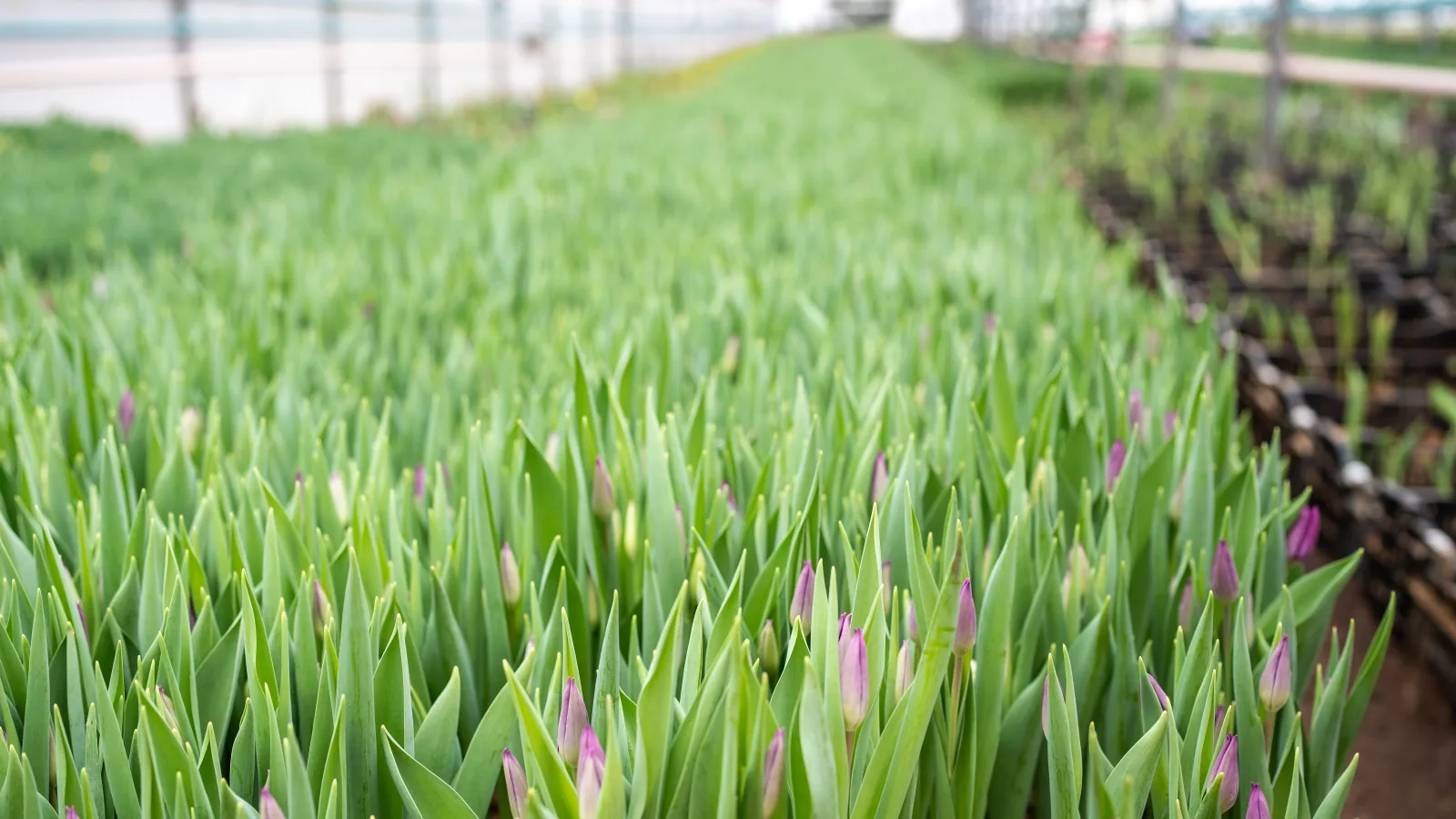
The Dutch farming reputation rests largely on the sheer size of its export revenue. Tomatoes, bell peppers, and cut flowers grown under glass are sold across Europe, bringing in enormous sums year after year. Its greenhouse farming and seed technology are advanced enough that other countries travel there to learn. Judged by the numbers alone, a tiny nation looks like an agricultural giant shouldering the world's food supply. It's easy to see how the line "the Netherlands feeds the world" caught on.
Counting calories, not cash
Researchers at Wageningen University in the Netherlands set export revenue aside and re-examined the country's agriculture by a different yardstick. Here's what they measured:
- the farmland used to grow the crops
- the feed given to livestock
- the calories that reach the table
- the protein that builds the body
Rather than counting only what the Netherlands ships out, they also tallied the food, feed, and farmland it brings in from abroad. The result looked nothing like the reputation. The country's net contribution to the world's food supply turned out to be far smaller than most people assume. Much of the feed for its livestock and the raw material for its food processing is bought from other countries. Meat and dairy raised on grain grown in someone else's fields, and produce that is imported, trimmed up, and resold — that's what inflates the export figures. Subtract what comes in, and the food actually added to the world shrinks by that much.
What a home garden tells us
There's a lesson here for those of us tending a garden on the balcony, too. The point is that the export figures on the surface and the food that actually lands on the table can be two very different things. A single head of lettuce you grew yourself, a handful of cherry tomatoes — none of it passes through imported feed or foreign farmland. It reaches the table on sunlight, a pot of soil, and water alone. A small harvest of calories, maybe, but entirely your own.
Big agriculture doesn't always add up to abundance, and a small garden isn't always short. The vegetables raised in one corner of a balcony never show up in any export statistic, yet they become that day's meal. Weigh how much came in against how much was truly left over, and the worth of the vegetables from a single small pot comes back into sharp focus.
Today, take a closer look at those produce labels — then scatter a few lettuce seeds in an empty pot. A meal you grew yourself is food no statistic can hide.
Source: An analysis by researchers at Wageningen University in the Netherlands, published in the journal Nature Food.