Every summer garden hits a stretch when lettuce and spinach bow out. Once the monsoon rains pass and the sun turns relentless, the lineup of leafy greens grows thin. Amaranth (Amaranthus spp.) is a green that can fill that gap. Two papers published in HortScience by a research team at Rutgers University analyzed amaranth's growing traits and nutritional content together, making the case for it as a leafy vegetable.
What Kind of Vegetable Is Amaranth?
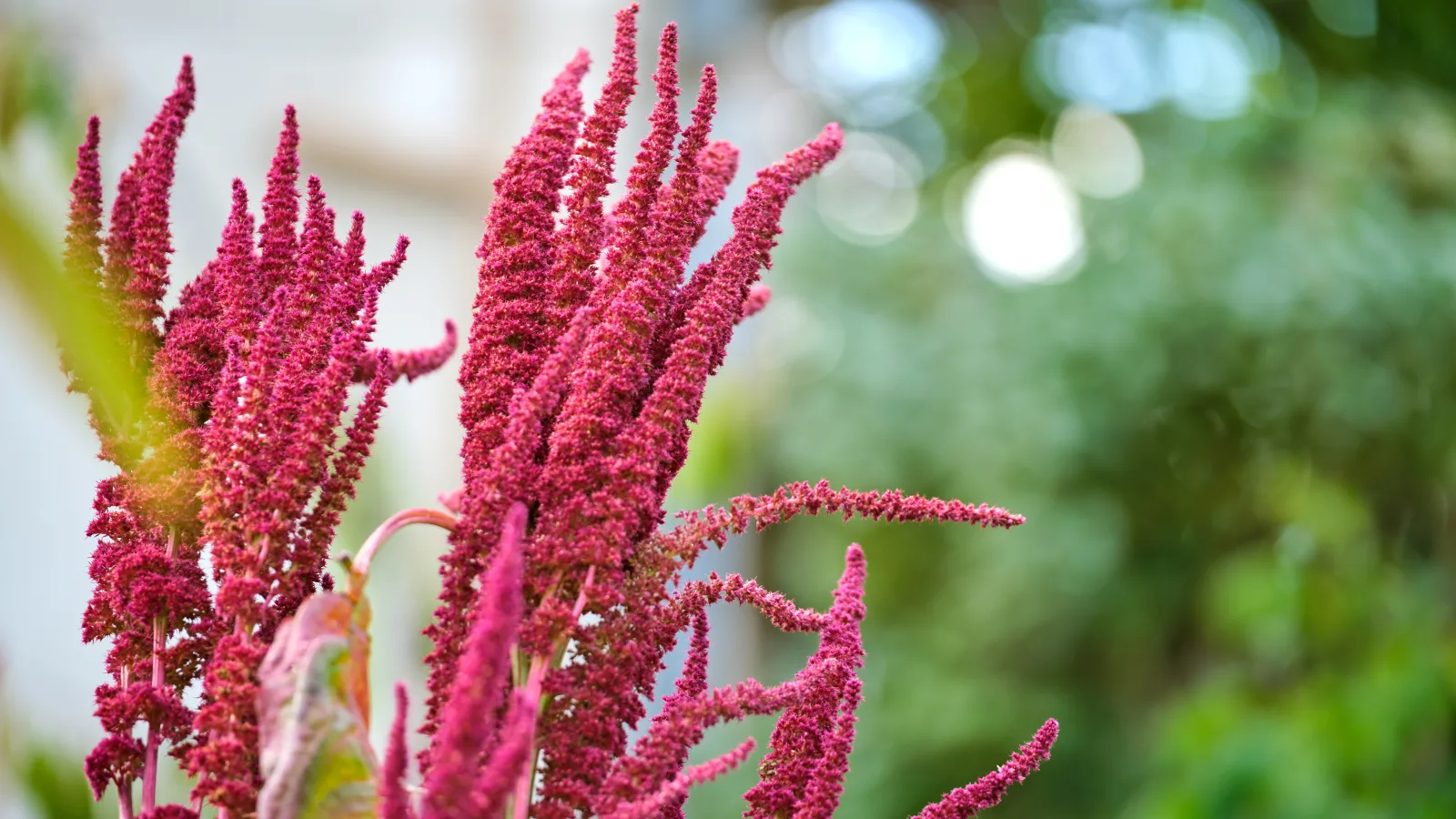
Amaranth has long been grown across Asia, Africa, and Central America as both a leafy green and a grain crop. In Korea it's familiar as bireum-namul (seasoned amaranth greens), though deliberately planting it in a home garden is still fairly uncommon. The Rutgers study documented the leaf shape, color, stem thickness, and petiole length of several amaranth varieties in detail, then connected those traits to each variety's growing performance. Because the varieties differ in looks and growth rate, the researchers found, you can stagger your harvest and put each one to a different use at the table.
Amaranth's standout growing traits are its speed and its adaptability. Leaves unfurl soon after the seed goes in, and growth holds up well through heat and drought. From June through September, when the lettuce harvest winds down, it's worth considering as a green to fill an empty garden row.
What's in the Leaves
In the Rutgers research, amaranth leaves measured higher in iron, calcium, and protein than common leafy greens. Iron is a mineral tied to preventing anemia, and calcium supports bone health. Its relatively high protein content is one reason to consider amaranth as a supplementary protein source in a plant-forward diet.
The darker the leaf, the more pigments such as beta-carotene and lutein it tends to hold — both of which are linked to eye health. That said, no single vegetable can be credited with a specific benefit on its own, so amaranth is best worked into your meals alongside a variety of seasonal vegetables.
How to Grow It in Your Garden
Amaranth can be direct-sown right into the bed. You can plant anytime from mid-May through August, and germination speeds up once the soil climbs above 20°C (68°F). The seeds are tiny, so cover them with no more than 0.5 cm (about a quarter inch) of soil. Once the seedlings come up, thin them to 15–20 cm (6–8 inches) apart so the leaves have room to fill out.
Watering when the soil surface dries out is plenty. Amaranth likes well-draining soil, and standing moisture can rot the roots. If the leaves start to yellow, a little nitrogen fertilizer will set them right. Once the leaves reach 10–15 cm (4–6 inches), harvest by picking the outer leaves or cutting the whole stem. New leaves regrow from the cut, so a single plant yields several rounds.
How to Use It at the Table
Young leaves go raw into salads or work as ssam — the leafy wraps for grilled meat and rice. Once the stems thicken, a quick blanch and a light seasoning gives them a pleasant bite, the Korean preparation known as namul. They also stand in nicely for spinach or chard in doenjang-guk (fermented soybean-paste soup). Varieties with purple-tinged leaves bring a vivid color that's especially good in salads.
If a gap opens up in your garden this summer, try sowing a packet of amaranth seeds. It shrugs off the heat, comes to harvest fast, and earns its place at the table in plenty of ways.
Sources: Two studies on amaranth morphology and nutrition by Rutgers University, published in HortScience.