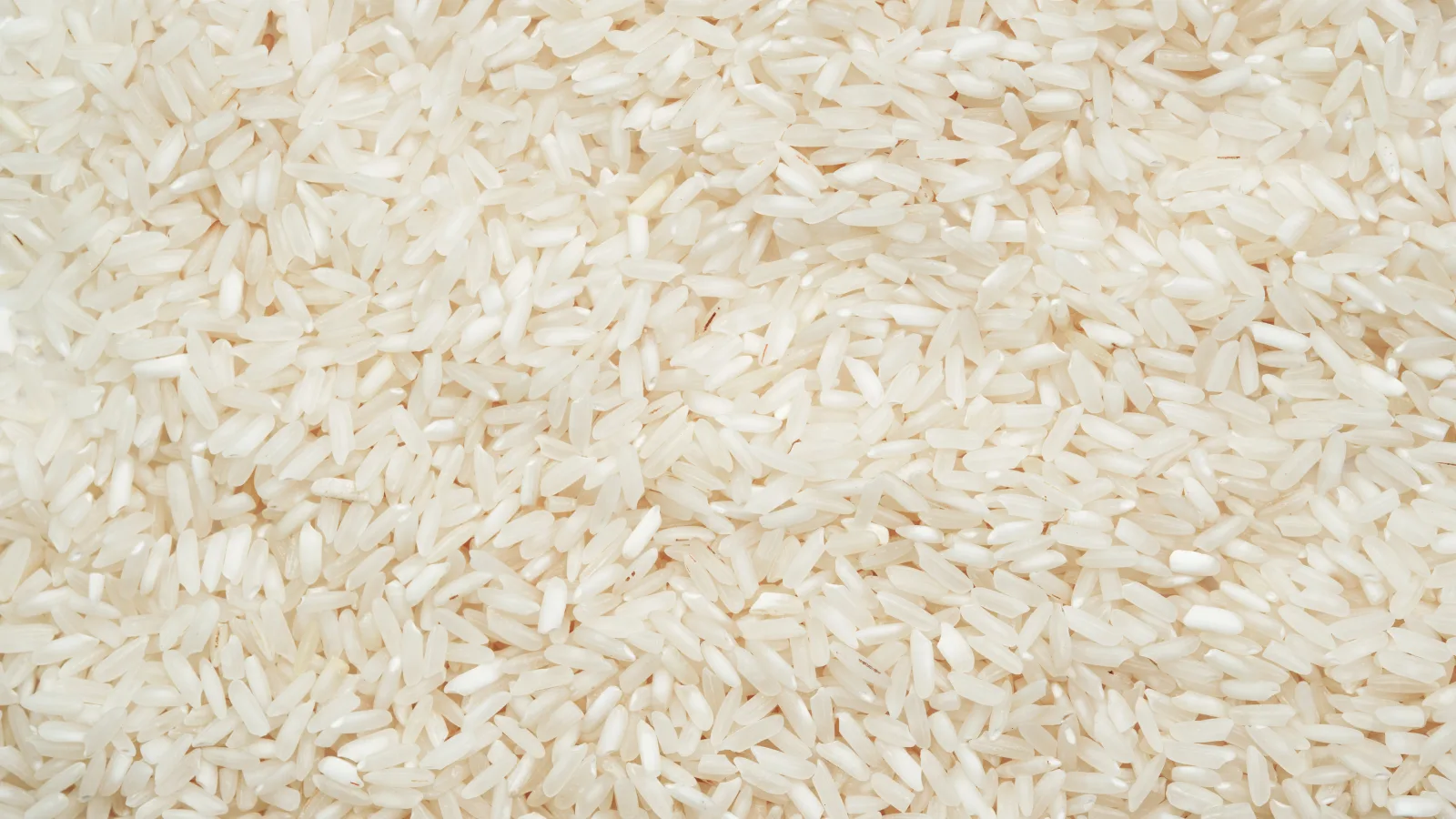
You have probably opened a rice bin at least once and found tiny brown beetles crawling along the bottom. It happens with the garden harvest too—dry your beans or perilla seeds for storage, and before long you notice a fine dust and a few bugs. These small beetles love grain and flour, and once they get in, they multiply fast.
If you already hesitate to spray pesticide on your garden beds, spraying it on food you have stored away feels even worse. One study points to a different approach: using a fermentation microbe familiar to us all to single out one specific pest gene and shut it down.
The Little Beetle That Eats Your Grain
The pest in this study is the small beetle that swarms grain and flour. Its scientific name is Tribolium castaneum, and because of its reddish color, English speakers call it the red flour beetle. It burrows into stored rice, flour, and animal feed alike, and it has been a headache anywhere grain is handled for a very long time.
Storage pests like this are usually managed with insecticide. But eating grain that has been treated with chemicals is unsettling, and using the same product for too long lets the beetles build up resistance, so it works less and less. That is why researchers keep looking for ways to knock back the pest alone while putting less strain on people and on the grain itself.
Switching Off Just One of the Pest's Genes
The method the researchers used is called RNA interference, or RNAi. For a gene to do its job inside a living body, it needs RNA to carry its instructions. When double-stranded RNA—two matching strands paired together—enters a cell, the cell responds by shutting down the very gene that matches it. Which gene gets switched off is determined by the sequence of the RNA you supply.
The team targeted two genes the beetle needs in order to grow and survive. When they mixed double-stranded RNA matching those genes into the food and fed it to the larvae, the share that survived and the share that developed into pupae dropped sharply, and activity of the targeted genes fell along with them. Because the gene sequence differs from that of humans and other insects, the approach can be tuned to act only on the intended pest—which is its great advantage.
Putting a Fermentation Microbe to Work
The remaining question is how to produce this double-stranded RNA cheaply and in large amounts. The researchers chose Bacillus subtilis. It is the same microbe at work when you ferment cheonggukjang and natto (fermented soybean pastes)—its safety is well documented, and it is easy to grow in bulk in large vats.
The catch is that this microbe naturally carries an enzyme that chops up double-stranded RNA. So the team modified the bacterium to stop it from making that enzyme, keeping the hard-won RNA from being broken down. On top of that, they adjusted the regulatory region that controls gene expression so the microbe would make even more RNA, and output rose considerably. When larvae were fed this reengineered microbe, the effect described above appeared.
Reaching the Garden: Still Only Research for Now
It is tempting news, but a few things are worth noting. These results came under lab conditions, mixed into an artificial feed. Whether the same effect holds in a real grain silo or garden, and whether the cost adds up, still needs to be confirmed. This is not a product you can buy off the shelf—it is a research-stage finding that shows what may be possible.
Even so, it is easy to guess why studies like this are on the rise. Instead of chemicals sprayed broadly enough to wipe out bees and beneficial insects too, we are likely to see more controls that act only on a specific pest's genes and then break down over time. For anyone who tends a garden, that is a welcome direction.
What you can do right now is simple. Dry your harvested beans, sesame, and grains thoroughly, seal them in airtight containers, and keep them somewhere cool to leave less room for pests to settle in. While we wait for eco-friendly controls like these to make their way down to the garden and the kitchen, today is a good day to start with how you store your grain.
Reference — a study on Bacillus subtilis and double-stranded RNA published in the journal Pest Management Science.