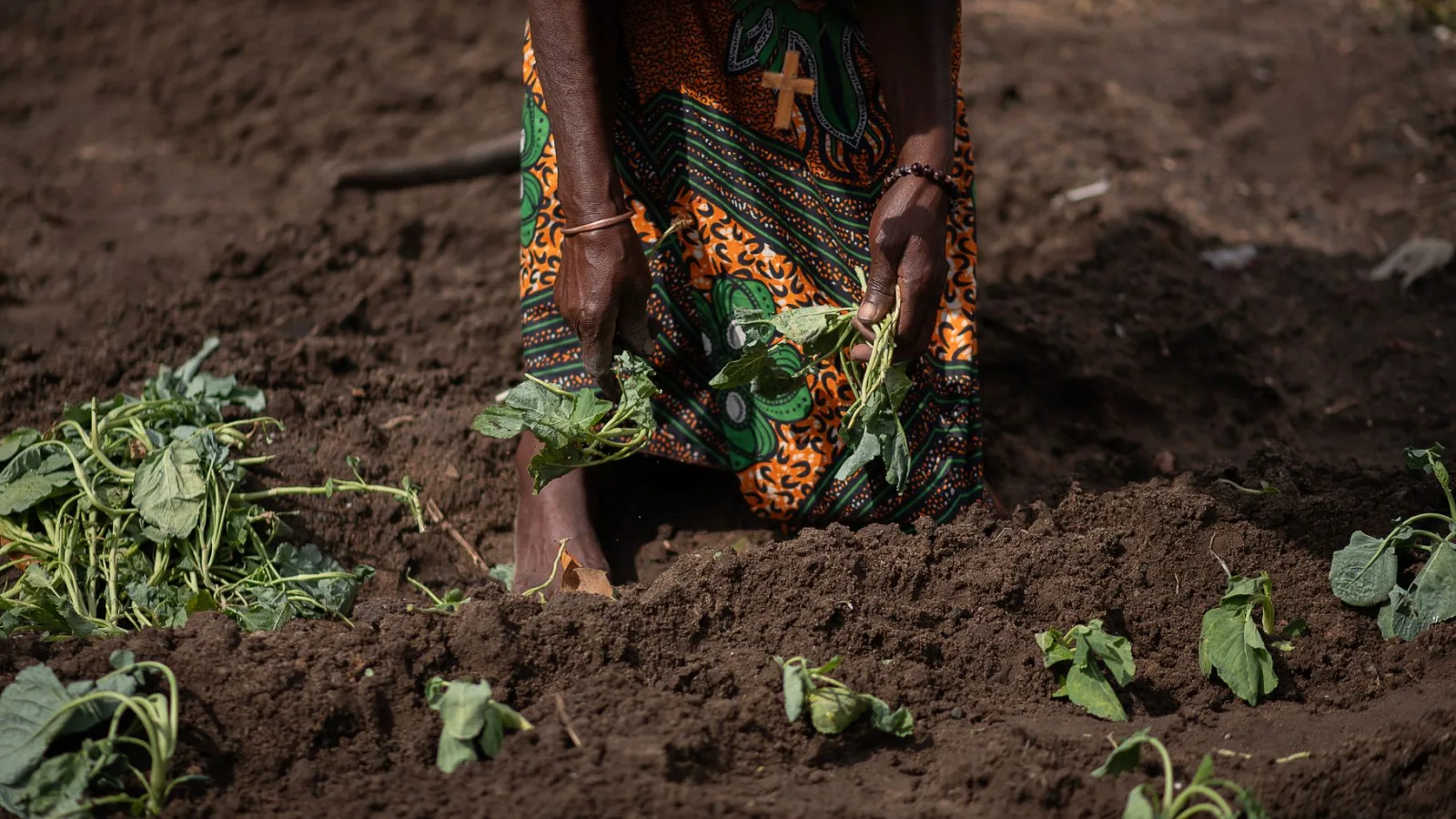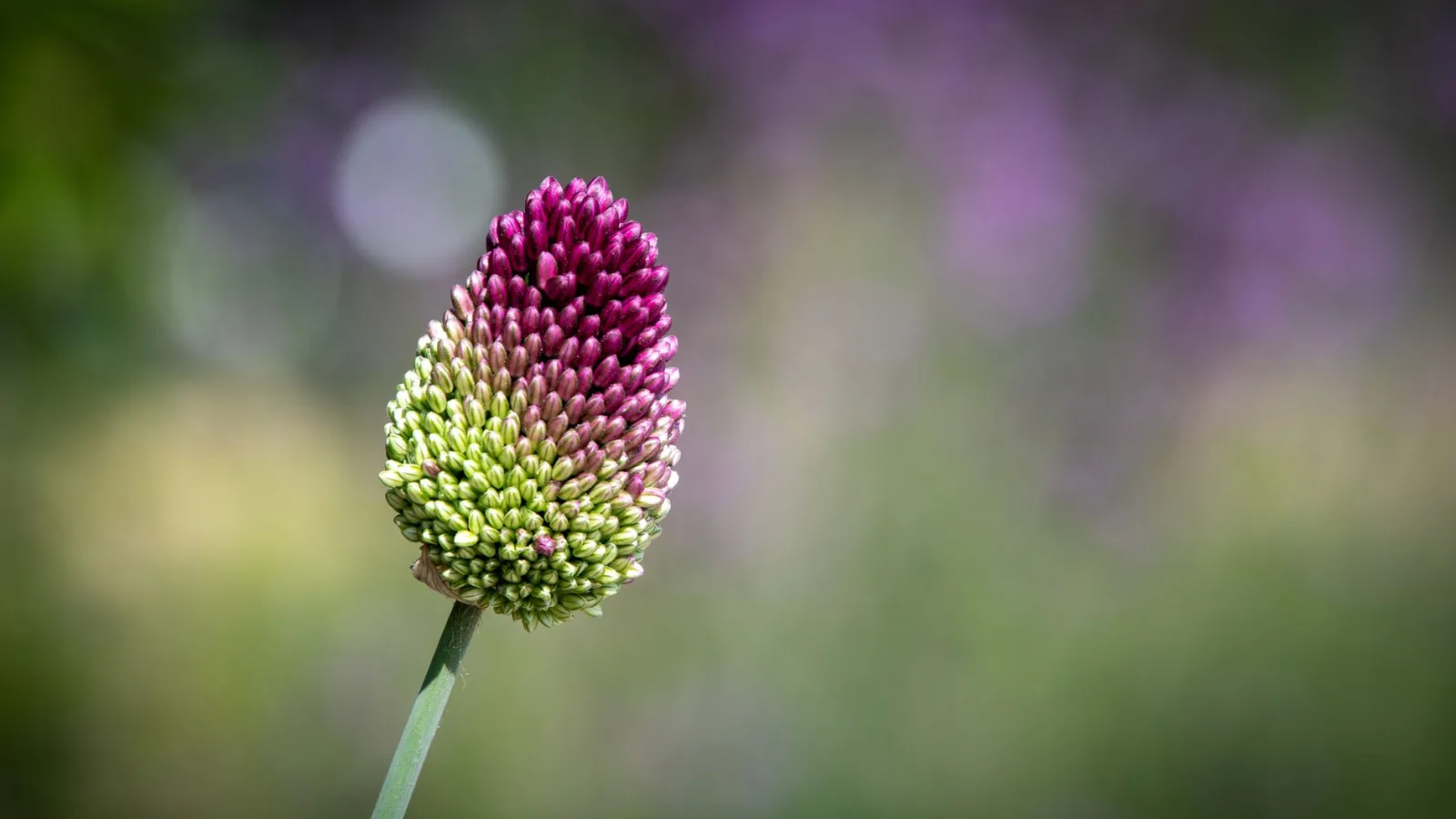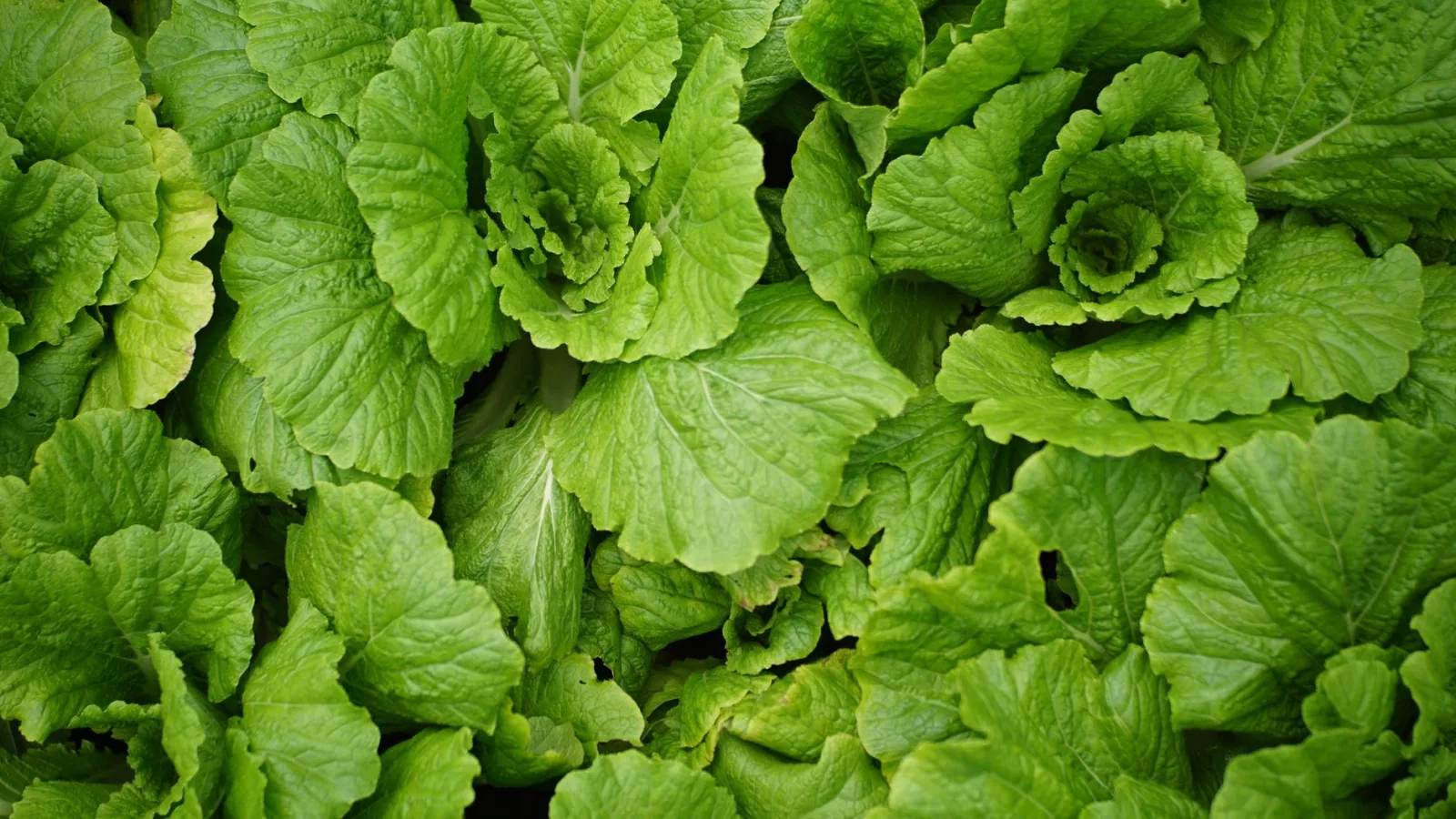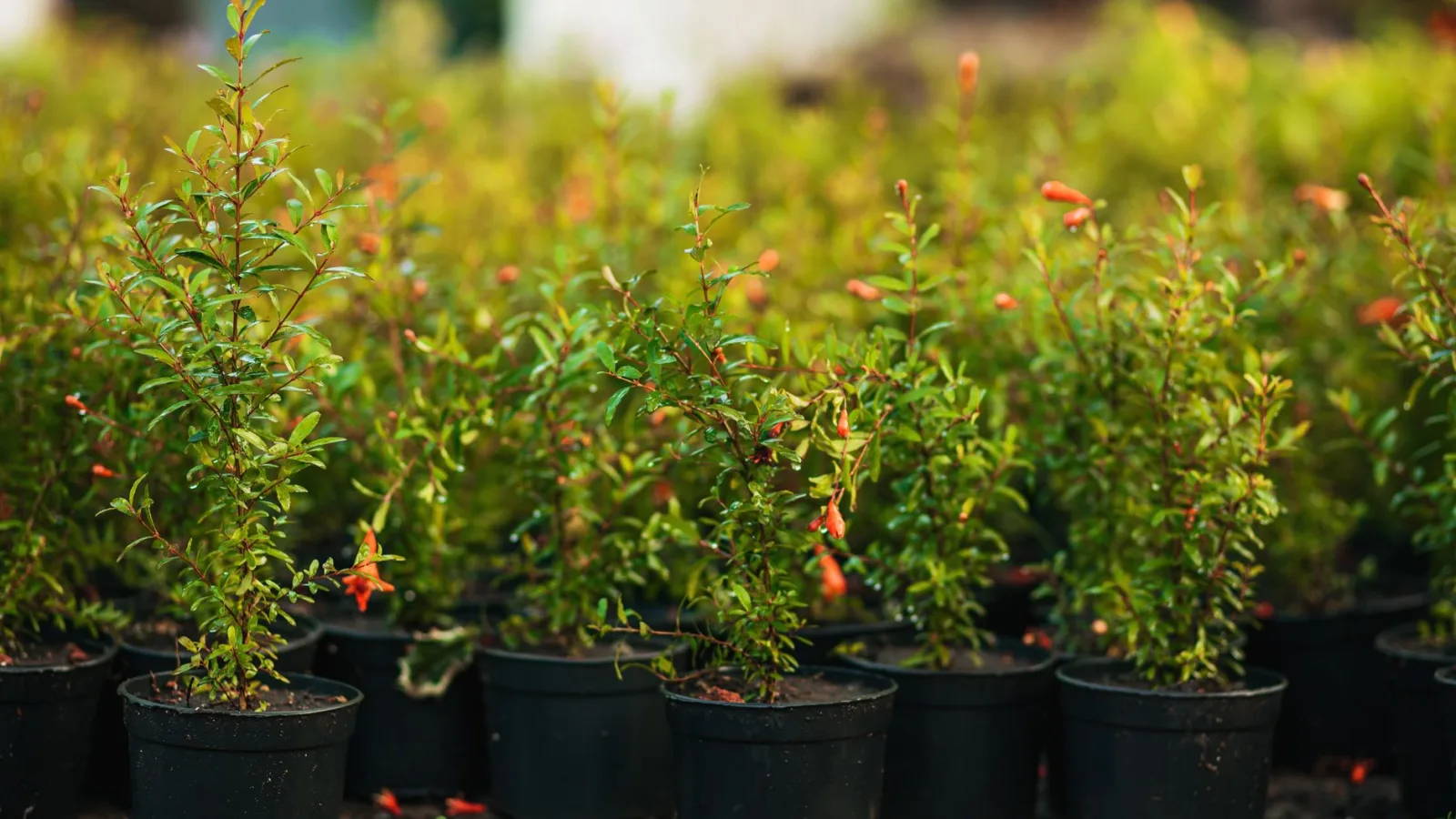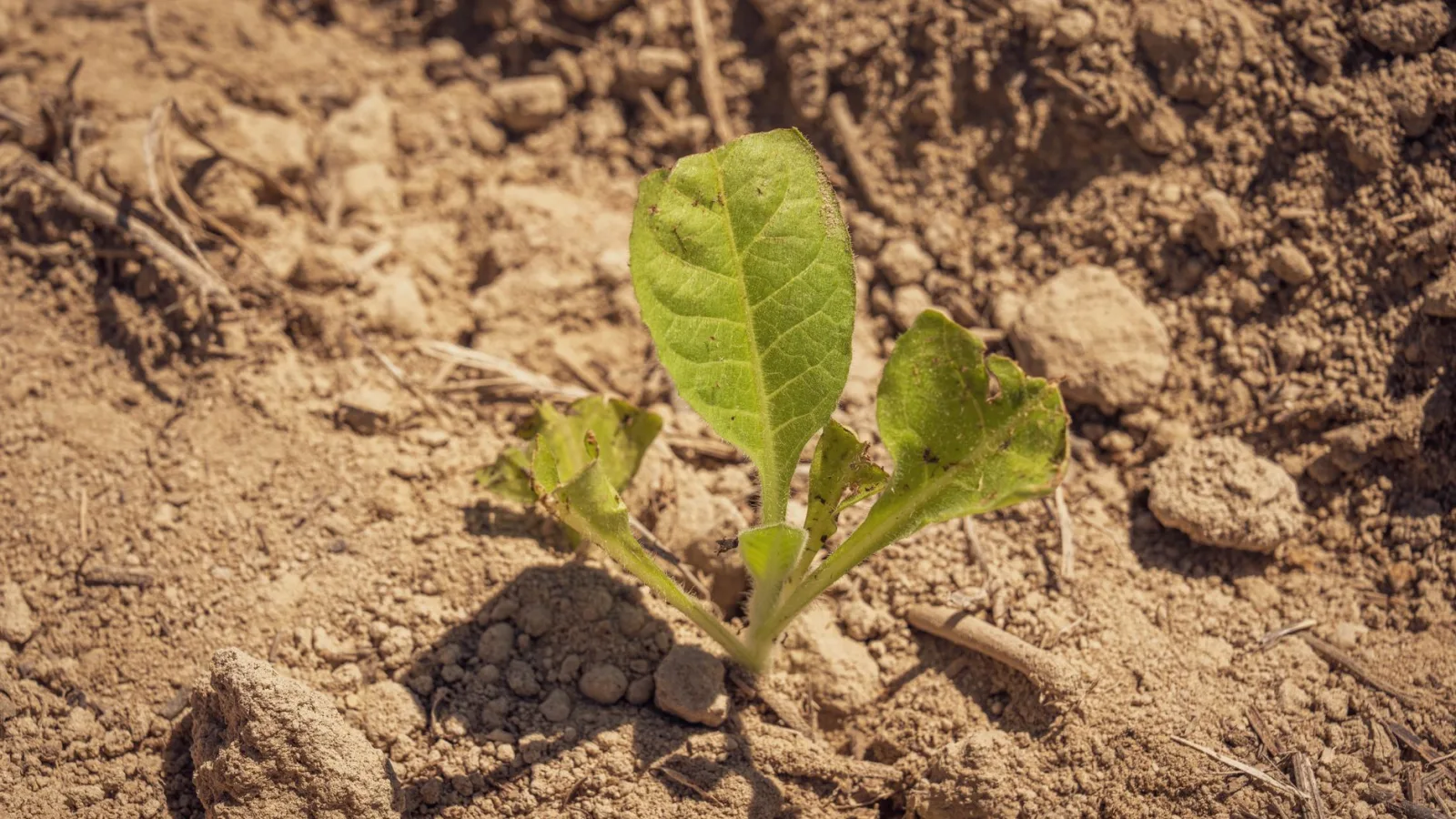
A September garden goes patchy — bare gaps everywhere the summer crops came out. Somewhere among them there's usually one corner that gets a little less sun and stays damp longer than the rest. That's where curly dock seed goes. It's a perennial in the knotweed family, so once it settles in, leaves come up in the same spot every year. It's also a plant that grows wild on its own along paddy banks and roadsides in Korea, Japan, and China.
Sow in fall, pick the following spring
If you're starting from seed, sow in September or October. Don't pick anything the first year. The young plant overwinters as a rosette pressed flat against the ground, and you take your first greens the following March or April. It's seriously cold-hardy — it holds its leaves right through winter and is the first thing in the garden to push out new growth in early spring.
It grows best between 15 and 22℃ (59–72°F) and tolerates anywhere from 0 to 30℃ (32–86°F). It wants cool ground with steady moisture, which is why it gets so large along paddy banks and streamsides. Once the heat arrives, it sends up a flower stalk and the leaves turn stiff. That's why the eating window is short — one stretch of spring, and that's it. One caution: the taproot is thick and drives deep, and once it's established it's very hard to pull out. In a city garden, give it one designated corner of a bed and keep it there.
What makes it sour and astringent
Young curly dock leaves contain oxalic acid and tannins. The oxalic acid is the sour edge you get when you chew a raw leaf; the tannins, a group of polyphenols, are the astringency. Both intensify as the leaves toughen, which is why you stop eating them once the flower stalk goes up. Like most spring greens, it also carries vitamin C.
Oxalic acid dissolves readily in water, so blanching and soaking brings it down. Use only the young leaves, blanch them, and pour the blanching water out. That's why every curly dock dish begins at the stockpot.
The roots and seeds have a different makeup than the leaves. Anthraquinone glycosides such as emodin and chrysophanol have been identified in both. That's a finding about composition, and it has nothing to do with preventing or treating any illness. What you harvest and eat from a garden is the young leaf; the root isn't a green.
How the Donguibogam split the plant by part
In the herbs section (초부, 草部) of the Donguibogam, Korea's seventeenth-century medical compendium, curly dock appears under the name yangjegeun (羊蹄根). The root is recorded as cold in nature, bitter and pungent in taste, and free of toxicity — with a note that some hold it to be slightly toxic. The seed is called neutral in nature, bitter and astringent, free of toxicity, and given the alternate name geumgyomaek (金蕎麥). Of the leaf, the text says only that it can be prepared as namul, a seasoned green. It also notes that the plant comes up on its own all over the place.
At the end of the same entry, sanmo (酸摸) is appended separately, along with its old Korean name, seunga. It's described as cool in nature, sour in taste, and free of toxicity: a plant resembling curly dock but with narrower leaves and a sour flavor, whose young stalks are snapped off and eaten raw or pressed for juice. Today we call it suyeong — common sorrel, a close relative. This is a record from an old medical text, and it differs from modern medical judgment.
Getting it to the table after blanching
With blanched leaves, everything hinges on wringing them out. Leave water behind and the dressed greens taste washed out.
- Doenjang and perilla — Wring the leaves dry and dress them with doenjang (fermented soybean paste), or simmer them into a soup with ground perilla seed. The salt in the paste and the richness of the perilla flatten whatever astringency is left.
- Fritters — Fold the blanched, chopped leaves into a flour batter and pan-fry. By then the blanching has drawn off much of the oxalic acid and the sourness has eased, which makes them easy to work with. Use plenty of oil and spread the batter thin.
- Tofu and anchovies — Oxalic acid is an organic acid that binds readily with calcium. Once the leaves are blanched and soaked, serving them alongside tofu or dried anchovies also balances the plate. This is a point about how the compound behaves, not about disease.
Today's job is just to choose a spot. Find the corner that holds moisture longest and get curly dock seed in the ground before the month runs out. There's nothing to do all winter. Come March or April, in a garden where nothing else has broken the surface yet, you pick those flat little rosettes, drop them in boiling water, and the spring greens season is underway.
Source: Donguibogam, herbs section (草部), yangjegeun (羊蹄根)