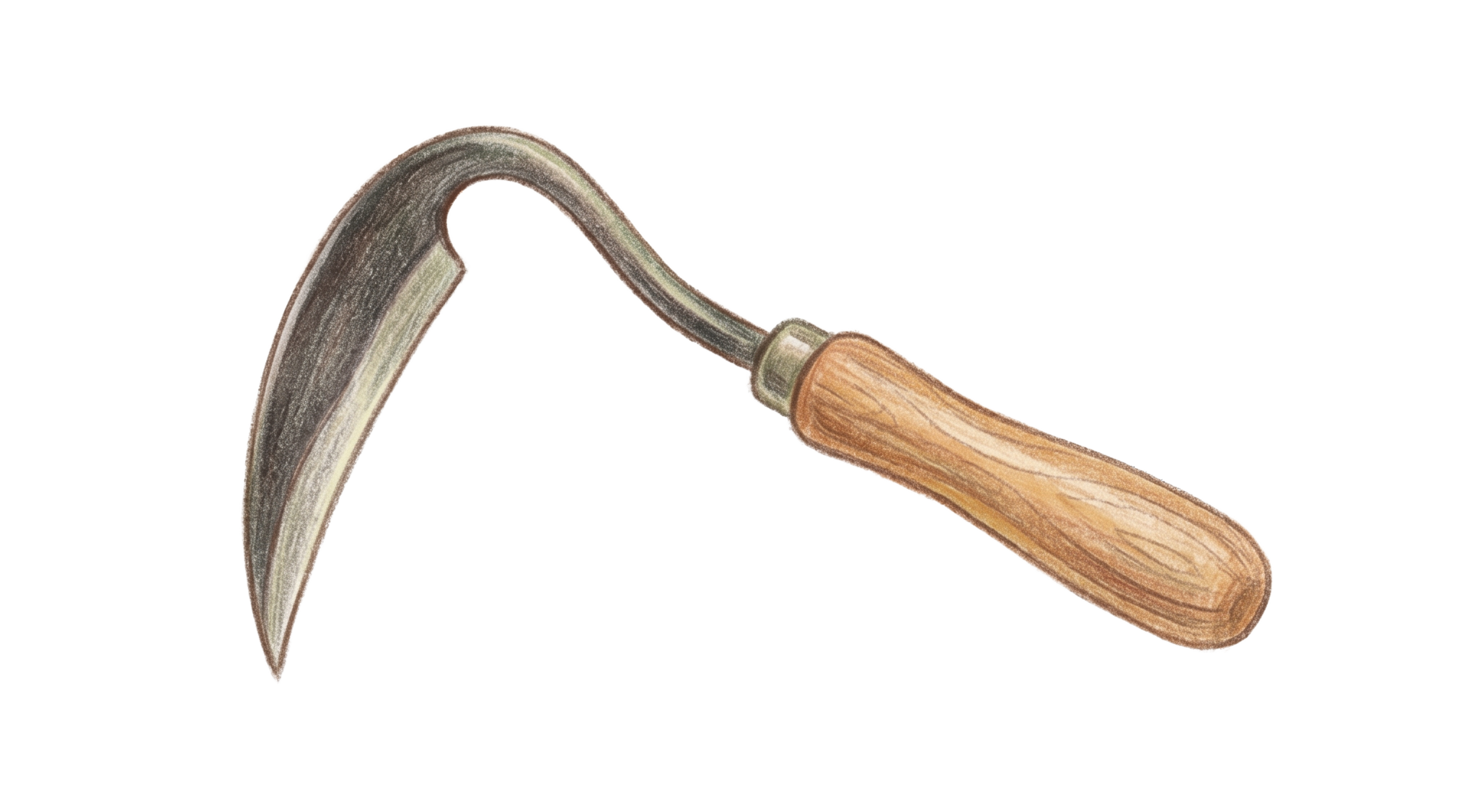
탕액편 · Vegetables
蜂斗菜 머위 (봉두채)
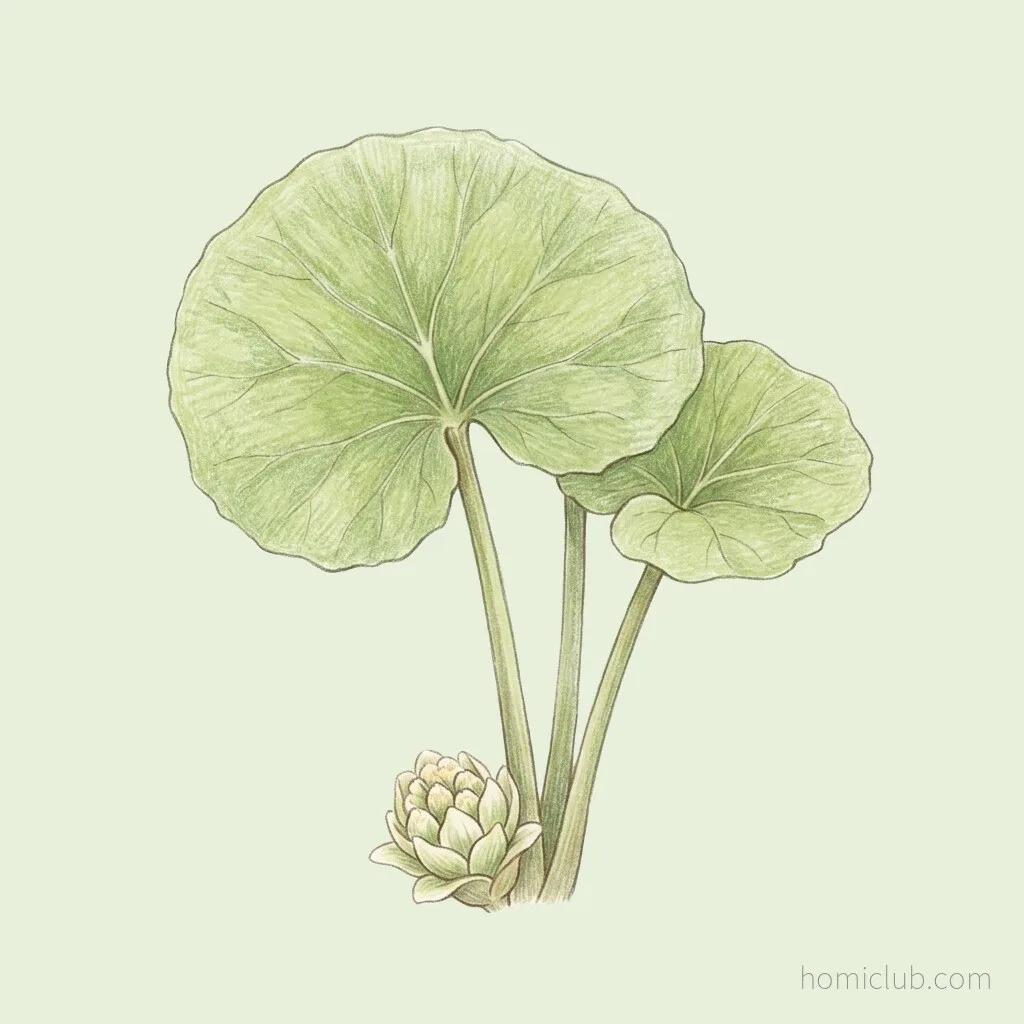 Related Crop · Butterbur (Meowi) →
Notes
Nature and flavor: In traditional Korean herbology, butterbur — known by the herbal name bongdu-chae (蜂斗菜) — is classified as bitter and pungent in flavor with a cold nature. ("Nature and flavor" is the Korean medicine framework for describing a herb's intrinsic energetic properties: whether it warms or cools the body, and the taste category that hints at its action.)
Main effects: It was used to break up stagnant blood and reduce swelling, calm inflammation and pain, suppress coughs, and neutralize toxins. Some records note that eating the leaves and stems regularly as a vegetable side dish may help with bronchial asthma, though clinical evidence in humans for this use remains weak.
A common confusion: Butterbur (bongdu-chae) is sometimes mistaken for coltsfoot (kwandong-hwa, 款冬花, Tussilago farfara), a separate cough remedy. They are different plants and should not be substituted for one another.
A modern view: Sesquiterpene compounds such as petasin are discussed in connection with butterbur's anti-inflammatory and analgesic effects. However, the plant contains small amounts of pyrrolizidine alkaloids, which can be harmful to the liver. For this reason, the traditional Korean preparation — blanching the leaves in boiling water and then soaking them before eating — is recommended.
Related Crop
Butterbur (Meowi) →
Readings are Homiclub’s own. Consult a professional for medical decisions. · 동의보감(자체 풀이)