탕액편 · Vegetables
豌豆 완두콩 (완두)
 Related Crop · Pea →
Notes
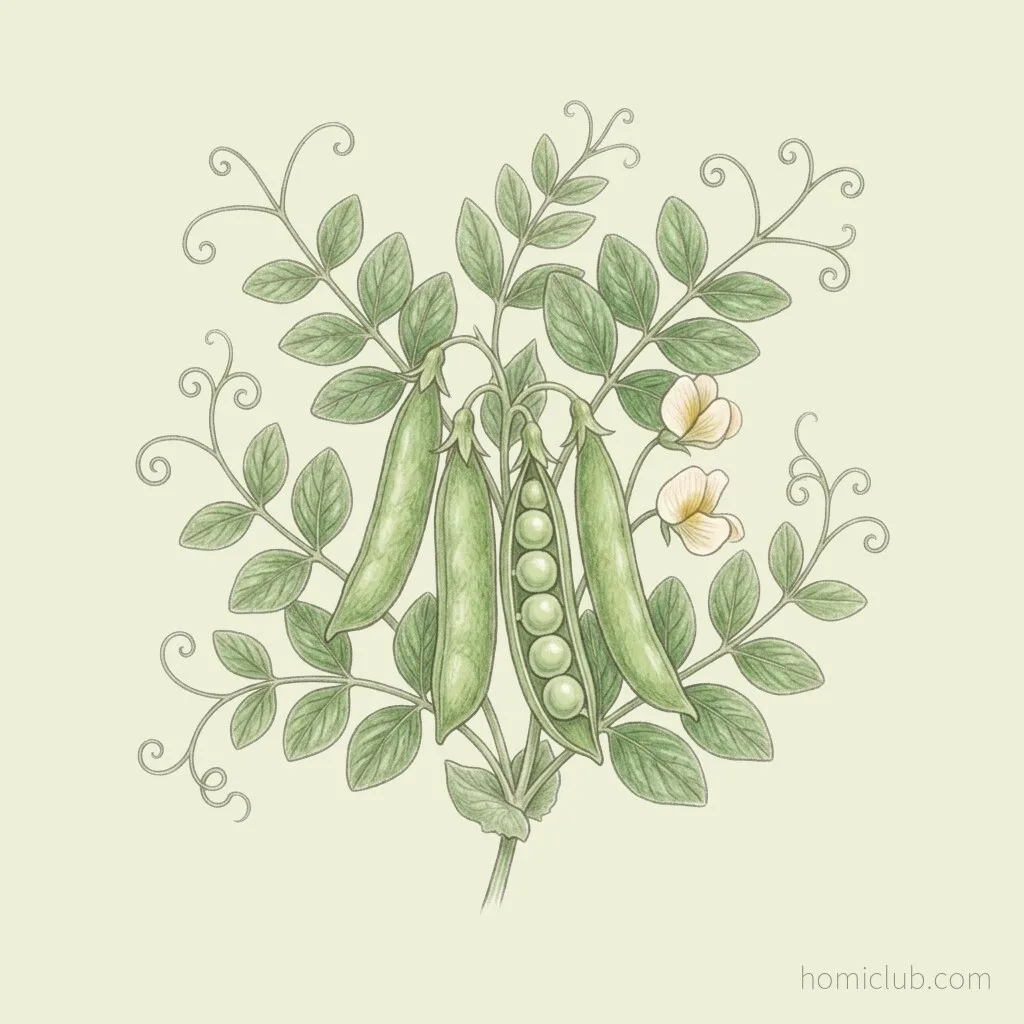
## Peas (Wandukong, 豌豆)
Nature and flavor: Neutral and sweet, with no toxicity. In Korean traditional medicine, every food is classified by its thermal "nature" (hot, warm, neutral, cool, cold) and its flavor, which together describe how it acts on the body. A "neutral" food neither warms nor cools — it is safe for almost any constitution. Sweet foods are understood to nourish and harmonize. Peas, then, are one of the gentlest of all restorative grain-vegetables.
Organs it acts on (meridian tropism): The spleen and stomach. Korean medicine maps each food to specific organ networks, called meridians, through which its effects travel. Peas are said to enter the digestive system, supporting the body's central engine of nourishment.
Main effects:
- Strengthens the spleen and stomach, replenishes qi. A mild, building food for those recovering from illness, and for the elderly or frail.
- Eases thirst and the "wasting-thirst" disorder (sogal, 消渴). Dongui Bogam recommends peas for what was historically called sogal — a condition of unquenchable thirst now recognized as diabetes. Modern nutrition supports the traditional view: the fiber and protein in peas help blunt sharp rises in blood sugar.
- Calms vomiting and nausea, including morning sickness in pregnancy and queasiness from a sensitive stomach.
- Nutritional recovery. Peas are rich in protein, fiber, and minerals.
How to use: Cooked into rice, made into pea porridge or soup, pan-fried into savory cakes (jeon), or eaten raw as pea-shoot salad.
Cautions: Eaten in large amounts, peas can cause bloating and abdominal distension. People with gout are generally advised to moderate their intake of legumes, though peas are relatively low in purines compared with other beans.
Related Crop
Pea →
Readings are Homiclub’s own. Consult a professional for medical decisions. · 동의보감(자체 풀이)