- Type
- Gourds & Squash
- Difficulty
- Easy
- Season
- Summer
- Sowing
- Transplant
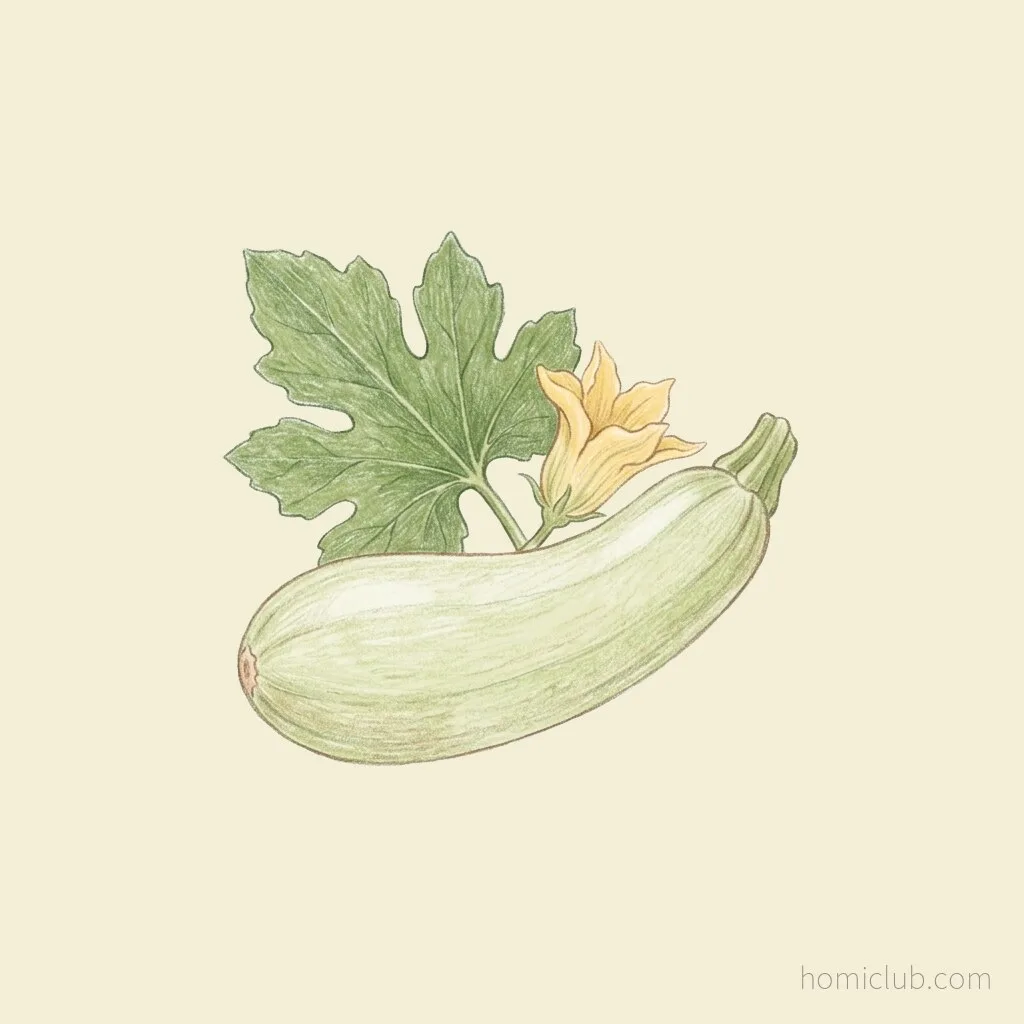
Korean Zucchini (Aehobak)
Cucurbita moschata
Tender summer squash, rich in beta-carotene and water
Aehobak is a distinctly Korean summer vegetable: a pumpkin (squash) harvested young and immature, so unlike the firm, mature winter pumpkin it stays high in moisture and tender. That softness makes it a kitchen workhorse, equally at home in jeon (pan-fried fritters), stews, and namul (seasoned vegetable sides). It carries beta-carotene and vitamin C while staying low in calories, so it's easy on the diet. For the deeper beta-carotene content and medicinal qualities of the fully mature pumpkin, see the pumpkin entry.
Year-Round Calendar
- 1
- 2
- 3
- 4
- 5
- 6
- 7
- 8
- 9
- 10
- 11
- 12
- 4
- 5
- 6
- 7
- 8
Health Benefits
A squash variety — shared evidence base. Aehobak is the young, immature fruit of the pumpkin/squash plant (Cucurbita), so it shares its nutritional profile and health evidence with mature pumpkin. For detailed components, benefits, and the academic research behind them, see the pumpkin entry.
Nutrition
- Beta-carotene (Provitamin A) — Antioxidant; eye health
- Water and dietary fiber (Immature fruit) — Low-calorie; aids digestion
Pairings
○ Salted shrimp (aehobak-bokkeum) — Stir-fried aehobak seasoned with saeujeot (salted fermented shrimp) is a classic side dish, with the shrimp bringing out its savory depth.
○ Doenjang (doenjang-jjigae) — Added to doenjang-jjigae, a fermented soybean-paste stew, the squash releases a gentle, subtle sweetness.
○ Pan-fried (hobak-jeon) — Sliced thin and pan-fried into hobak-jeon, it becomes a soft, lightly sweet fritter.
Source: Rural Development Administration (Nongsaro)