- Type
- Leafy Greens
- Difficulty
- Easy
- Season
- Spring·Fall
- Sowing
- From seed
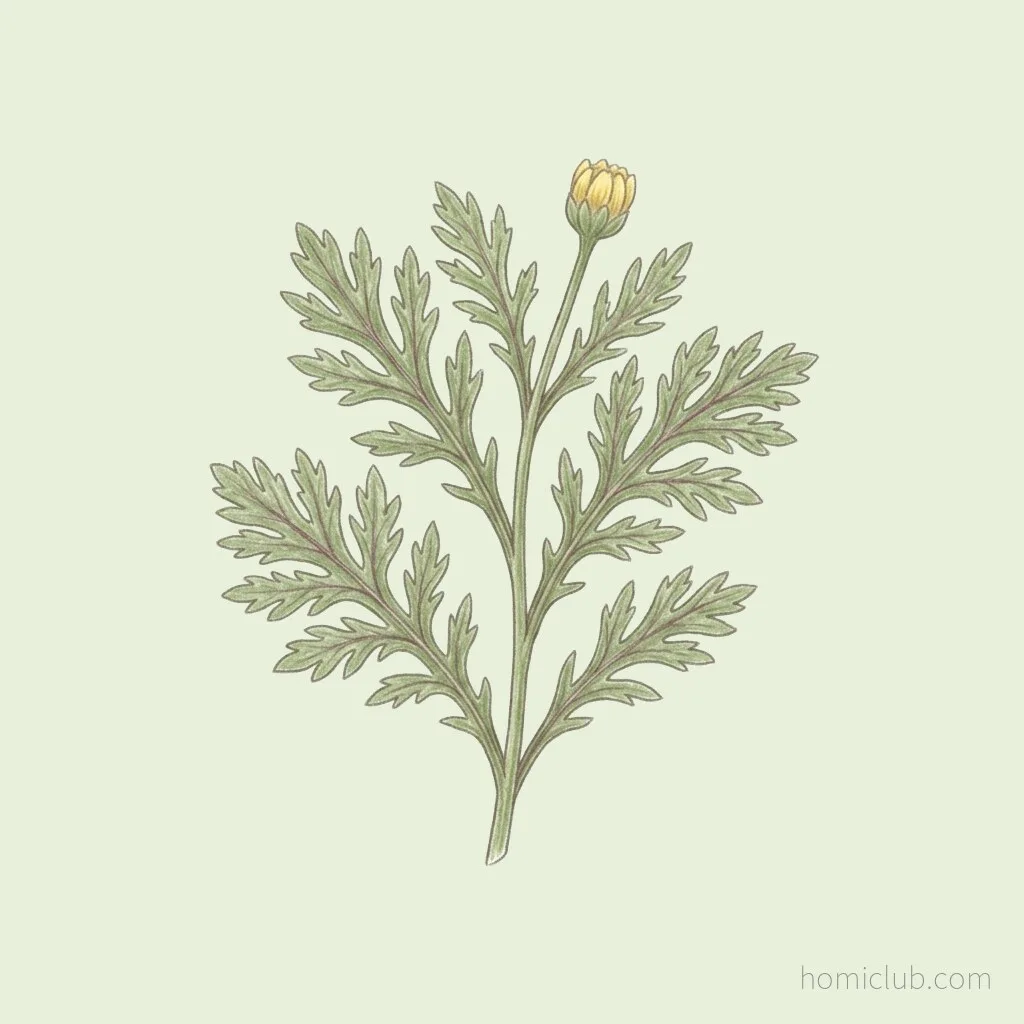
Crown Daisy (Ssukgat)
Glebionis coronaria
Beta-carotene and aroma in an appetite-rousing leafy green
Crown daisy (ssukgat), the edible chrysanthemum green, owes its distinctive fragrance to essential oils that aid digestion, perk up the appetite, and have a mild calming effect. It's rich in beta-carotene, which supports antioxidant activity along with eye and skin health. Add it to hot pots and soups, where its scent comes alive, or blanch it briefly and dress it as a namul side dish. Because it favors cool weather, it grows best in spring and fall.
Year-Round Calendar
- 1
- 2
- 3
- 4
- 5
- 6
- 7
- 8
- 9
- 10
- 11
- 12
- 3
- 4
- 9
- 5
- 10
- 11
Health Benefits
No standalone human meta-analysis. No randomized controlled human trials or meta-analyses on crown daisy (Glebionis coronaria, formerly Chrysanthemum coronarium) appear in PubMed. With no human academic evidence at the single-crop level, formal efficacy claims at the regulatory (food-and-drug authority) level remain difficult to support.
Preclinical and mechanistic research. Reports have accumulated showing that the flavonoids, phenolic acids, and terpenoids in crown daisy exhibit antioxidant, anti-inflammatory, antimicrobial, and anticancer activity in vitro. However, these findings are limited to animal and cell models and remain preliminary data that have not been translated into measured effects in humans.
Nutritional profile. Per 100 g of the edible portion, crown daisy provides roughly 610 mg of potassium and is rich in beta-carotene, with iron, calcium, and dietary fiber content above the average for leafy greens. Nutritional databases rate it as a good source of micronutrients, though this does not translate into clinical efficacy data.
Traditional medicinal records. In the traditional dietary medicine of Korea, China, and Japan, crown daisy is noted in places for promoting digestion and for calming and fever-reducing uses. It has no separate entry in the classic Korean Donguibogam or the Chinese Bencao Gangmu, however, suggesting it was introduced as a vegetable in the late Joseon period and took root mainly as a culinary green rather than a true medicinal.
More research needed. No standalone randomized controlled trial of crown daisy has yet been identified in international academic databases. As a leafy green that has been consumed continuously across Korean, Japanese, and Southeast Asian diets, it represents an area where single-crop clinical trial designs are academically warranted going forward.
Nutrition
- Beta-carotene (Abundant) — Antioxidant, eyes, skin
- Essential oils (aroma compounds) (Present) — Aids digestion, stimulates appetite, calming
- Potassium and calcium (Present) — Blood pressure, bones
Pairings
○ Jeongol, maeuntang, and haemultang (hot pots and spicy stews) — Dropping a handful of crown daisy in to finish a jeongol (Korean hot pot), maeuntang (spicy fish stew), or haemultang (spicy seafood stew) is a classic move on the Korean table. Its aroma lifts the flavor of the broth and cuts through richness, giving even the same broth a cleaner impression.
○ Grilled and braised fish — Crown daisy is often used to mask the fishy smell of seafood and round out its flavor. The most natural ways to use it are as a side to grilled fish or laid in a handful over a braise.
○ Tofu — Crown daisy tossed together with tofu makes a single-dish side with a good balance of plant protein, carotene, and minerals. The soft texture of the tofu carries the green's aroma, making it approachable even for people who aren't used to it.
○ Sesame oil and perilla oil — The fat in sesame oil and perilla oil boosts the absorption of crown daisy's fat-soluble vitamins, including beta-carotene. Using these two oils in a Korean-style muchim (seasoned toss) or blanched namul makes good nutritional sense.
○ Garlic and soy sauce — Tossing blanched crown daisy with garlic and soy sauce is the most basic Korean seasoning combination. The allicin in garlic and the savory depth of soy sauce blend with the green's flavor to make a side dish that holds its own at a meal.
△ Prolonged high-heat cooking — Crown daisy's aroma comes from its essential oils, so extended cooking drives off the fragrance and degrades the nutrients too. The accepted technique is to add it briefly at the very end of cooking to preserve its aroma.
△ Asteraceae (daisy family) allergy — Crown daisy belongs to the Asteraceae (daisy) family, so people allergic to related plants such as ragweed or chrysanthemums may experience cross-reactions. If you notice any suspicious symptoms, avoid it.
Source: Food and Nutrition Information