- Type
- Leafy Greens
- Difficulty
- Easy
- Season
- Spring·Fall
- Sowing
- From seed
Chard (Geundae)
Beta vulgaris
Vitamin K and magnesium - a leafy green for every season
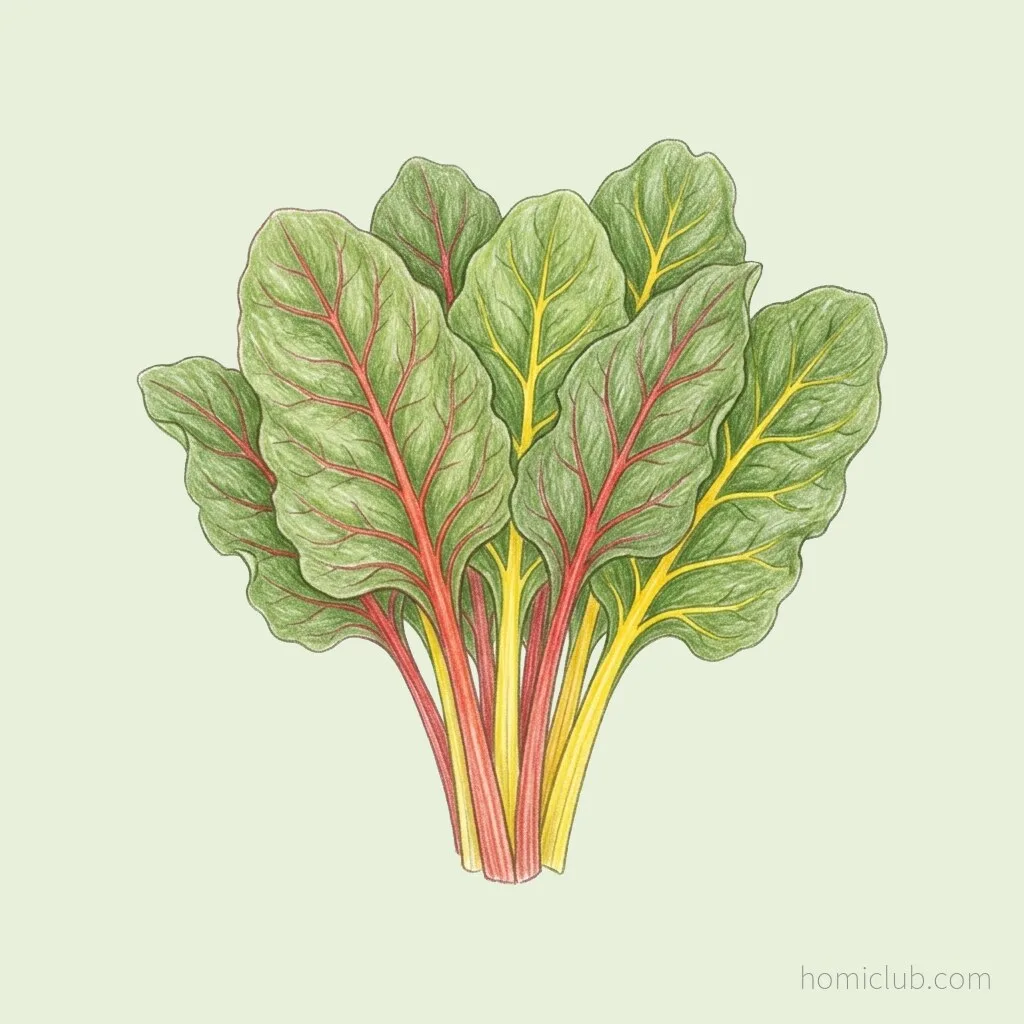
Chard, known in Korea as geundae, is a leafy green loaded with vitamin K, magnesium, and iron, making it a friend to your bones, blood, muscles, and nerves. It tastes a lot like spinach but stands up to heat far better, so it keeps producing right through the summer. The stalks come in a range of colors that make it as pretty in the garden as it is on the plate. Blanch it or drop it into a doenjang (fermented soybean paste) soup and the leaves turn tender and mild.
Year-Round Calendar
- 1
- 2
- 3
- 4
- 5
- 6
- 7
- 8
- 9
- 10
- 11
- 12
- 3
- 4
- 8
- 6
- 7
- 10
- 11
Health Benefits
Antioxidant and anti-inflammatory (betalain research shared with beets and chard). The betalains in beets (Beta vulgaris) have been shown in numerous studies to have strong antioxidant and anti-inflammatory activity. Because chard is the same species and carries betalains in its leaves and stalks, the same benefits are expected at dietary intake levels.
Blood pressure and cardiovascular health (the nitrate pathway). Nitrate-rich vegetables such as spinach, beets, and chard have been consistently shown across multiple meta-analyses to lower blood pressure by way of the nitric oxide pathway. See the spinach entry for more detailed RCT evidence.
Eye health. Chard leaves are rich in beta-carotene, lutein, and zeaxanthin, which help reduce the risk of age-related eye conditions such as macular degeneration and cataracts. It is one of the nutrient profiles that best illustrates the broad benefits of leafy greens.
Dietary nitrate for blood pressure and vascular health (dose-response meta-analysis). A 2025 GRADE-rated meta-analysis pooling 75 RCTs (1,823 participants total) found that intake of nitrate-rich vegetables and supplements such as chard, spinach, and beets lowered both systolic and diastolic blood pressure in a dose-dependent manner, while also improving vascular health markers including pulse wave velocity and endothelium-dependent vasodilation. The effect was especially pronounced in people with hypertension.
Nutrition
- Vitamin K (Very high) — Bone health and blood clotting
- Magnesium and iron (High) — Muscle, nerve, and blood formation
- Beta-carotene (Present) — Eye health and antioxidant activity
Pairings
○ Doenjang (fermented soybean paste) — Geundae-guk, chard simmered in doenjang, is a fixture on the Korean home table. The fermented, savory depth of the paste softens chard's earthy note, bringing the minerals of fermented soybeans and the vitamins of a leafy green together in one bowl.
○ Sesame oil and perilla oil — The fat in sesame and perilla oil boosts the absorption of fat-soluble vitamins like K, A, and E along with carotenoids. Using these oils in Korean-style seasoned greens (namul) or stir-fries makes good nutritional sense.
○ Garlic and ginger — Adding the warming seasonings of garlic and ginger balances the cooling character traditionally attributed to leafy greens. You also get the antibacterial and digestive support of allicin and gingerol from the pairing.
○ Dried shrimp and anchovies — Simmering chard with calcium-rich ingredients such as dried shrimp and anchovies delivers a mineral synergy. The tender leaves and the savory depth of small shellfish and fish round out the flavor.
○ Olive oil and balsamic — In Western cooking, chard is lightly sauteed in olive oil or served as a salad or side with a balsamic dressing. The monounsaturated fat in olive oil helps with the absorption of carotenoids and betalains.
△ History of kidney stones — Chard is fairly high in oxalates, so anyone with a history of calcium-oxalate kidney stones should avoid eating it in large amounts. Cooking it, or pairing it with calcium-rich foods, can reduce crystal formation to some extent.
△ Anticoagulants — Chard's vitamin K content is very high, so for people on anticoagulants like warfarin, a sudden increase or decrease in intake can destabilize the medication's effect. Keep your intake consistent and monitor your INR with your healthcare provider.
Source: Food and Nutrition Information