
- Type
- Berries
- Difficulty
- Moderate
- Season
- Spring
- Sowing
- Transplant
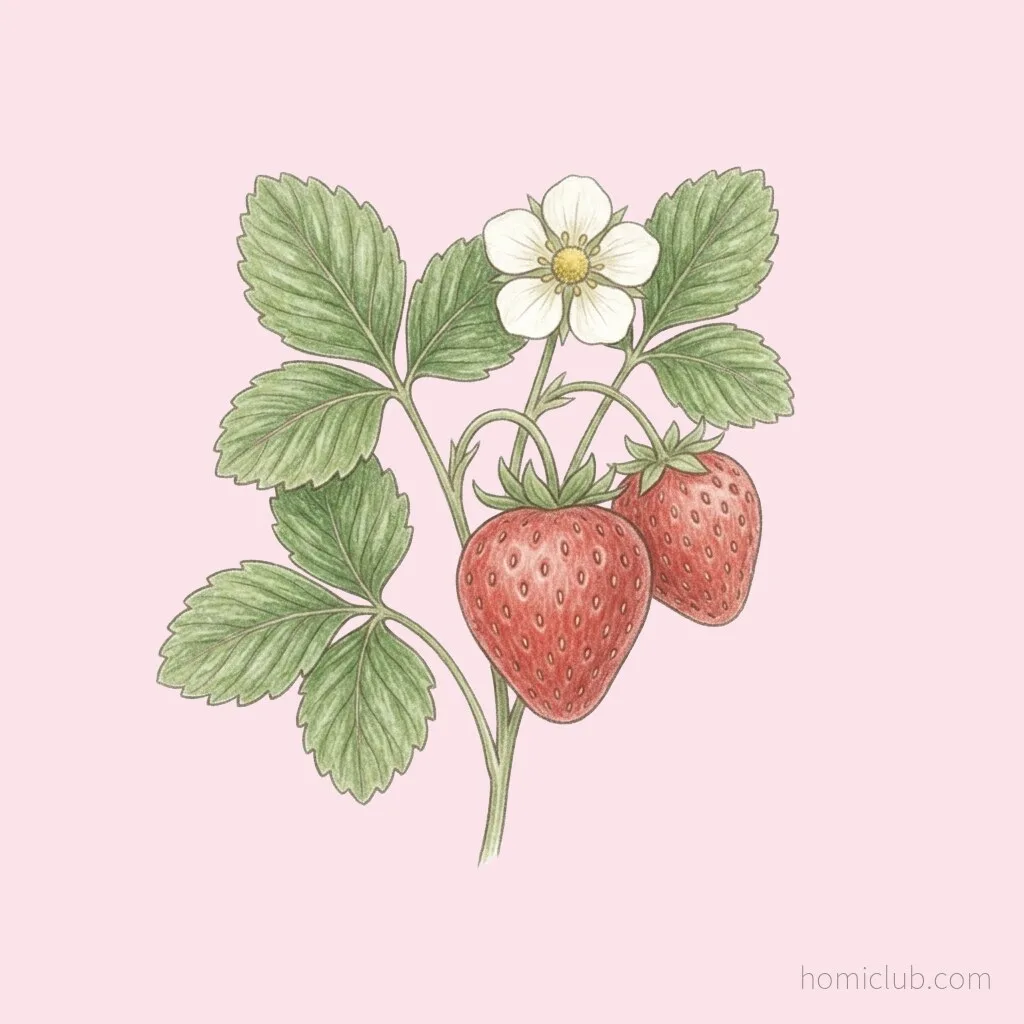
Strawberry
Loaded with vitamin C, an antioxidant-rich berry
Strawberries are one of the richest fruit sources of vitamin C, with just 5 to 6 berries enough to meet the daily recommended intake, making them a friend to both immunity and skin health. Their red pigments, anthocyanins, along with ellagic acid, deliver antioxidant and anti-inflammatory benefits, and their folate content makes them a good choice for expectant mothers. They grow happily in pots and on balconies, and once established they spread by runners, so you can enjoy a fresh crop again the following year.
Year-Round Calendar
- 1
- 2
- 3
- 4
- 5
- 6
- 7
- 8
- 9
- 10
- 11
- 12
- 9
- 10
- 5
- 6
Health Benefits
Heart health and CRP. A 2020 meta-analysis of 11 randomized controlled trials found that strawberry interventions significantly lowered C-reactive protein (CRP), a marker of inflammation. In people whose baseline total cholesterol exceeded 5 mmol/L and LDL exceeded 3 mmol/L, a cholesterol-lowering effect was also reported, positioning strawberries as a promising dietary aid for high cholesterol.
Obesity and insulin resistance. A 2021 crossover RCT in adults with obesity and elevated LDL found that supplementing with 32 g of strawberry powder per day (roughly 2.5 cups' worth) for 4 weeks significantly lowered fasting insulin and HOMA-IR and reduced the number of small LDL particles. The anthocyanins and ellagic acid are proposed to improve insulin sensitivity.
Cognition and aging. A 2021 RCT in adults aged 60 to 75 found that 90 days of supplementation with strawberry powder (26 g/day, freeze-dried) significantly improved working memory and verbal learning scores. Anthocyanins and phenolic acids are thought to support hippocampal neuroplasticity and ease oxidative stress, and the mechanistic evidence continues to accumulate.
Oxidative stress and LDL oxidation. A pooled analysis of strawberry supplementation RCTs reported significant reductions in oxidized LDL and malondialdehyde (MDA) levels. Beyond the direct antioxidant action of the polyphenols, activation of the body's own antioxidant enzymes appears to play a role.
Blood pressure and endothelial function. Some meta-analytic signals suggest strawberry supplementation significantly lowers diastolic blood pressure, but a GRADE assessment found no significant effect on systolic blood pressure. The conclusion remains tentative, with the possibility that the benefit is more pronounced in people who start with higher blood pressure.
Nutrition
- Vitamin C (Among the highest of any fruit) — Immunity, skin, antioxidant
- Anthocyanins and ellagic acid (Red pigments) — Antioxidant and anti-inflammatory
- Folate (Present) — Red blood cell formation, support for expectant mothers
Pairings
○ Yogurt and cream — Pairing strawberries with yogurt or cream brings together vitamin C with protein and calcium. Strawberry yogurt and strawberry cake are classic examples, letting you enjoy a dessert while still keeping a degree of nutritional balance.
○ Dark chocolate — When the anthocyanins in strawberries meet the cacao polyphenols in dark chocolate, the antioxidant synergy is maximized. Both foods are powerful polyphenol sources, so eating them together makes for richer flavor and greater health benefits alike.
○ Spinach and leafy salads — Adding strawberries to a leafy salad such as spinach helps the body absorb plant-based iron. The strawberries' abundant vitamin C markedly boosts the uptake of non-heme iron from the greens, a genuine nutritional synergy.
○ Lemon and lime — A squeeze of lemon or lime brightens the acidity of strawberries and adds extra vitamin C. When making jam or syrup, the higher acidity also improves keeping quality, a handy practical bonus.
○ Mint and basil — Garnishing strawberries with mint or basil creates an unexpected synergy. The cool, fresh aroma of the herbs lifts the berries' sweetness, and they double as an attractive garnish for desserts and drinks.
○ Honey — A drizzle of honey draws out the natural sweetness of strawberries. It is also the simplest way to turn tart, sharp berries into a well-balanced dessert.
△ Strawberry allergy — Anyone with a strawberry allergy should steer clear. It's one of the more common food allergies, often showing up as itching around the mouth or hives.
△ Pesticide concerns — Strawberries are known to carry relatively high pesticide residues compared with other crops. Washing them thoroughly under running water is the baseline, and choosing organic when possible is the safer bet.
△ Kidney failure — Strawberries are fairly rich in potassium, so people with kidney failure should limit their intake. When the kidneys can't excrete potassium properly, the buildup can lead to serious complications.
Source: Food and Nutrition Information