- Type
- Herbs
- Difficulty
- Easy
- Season
- Year-round
- Sowing
- Transplant
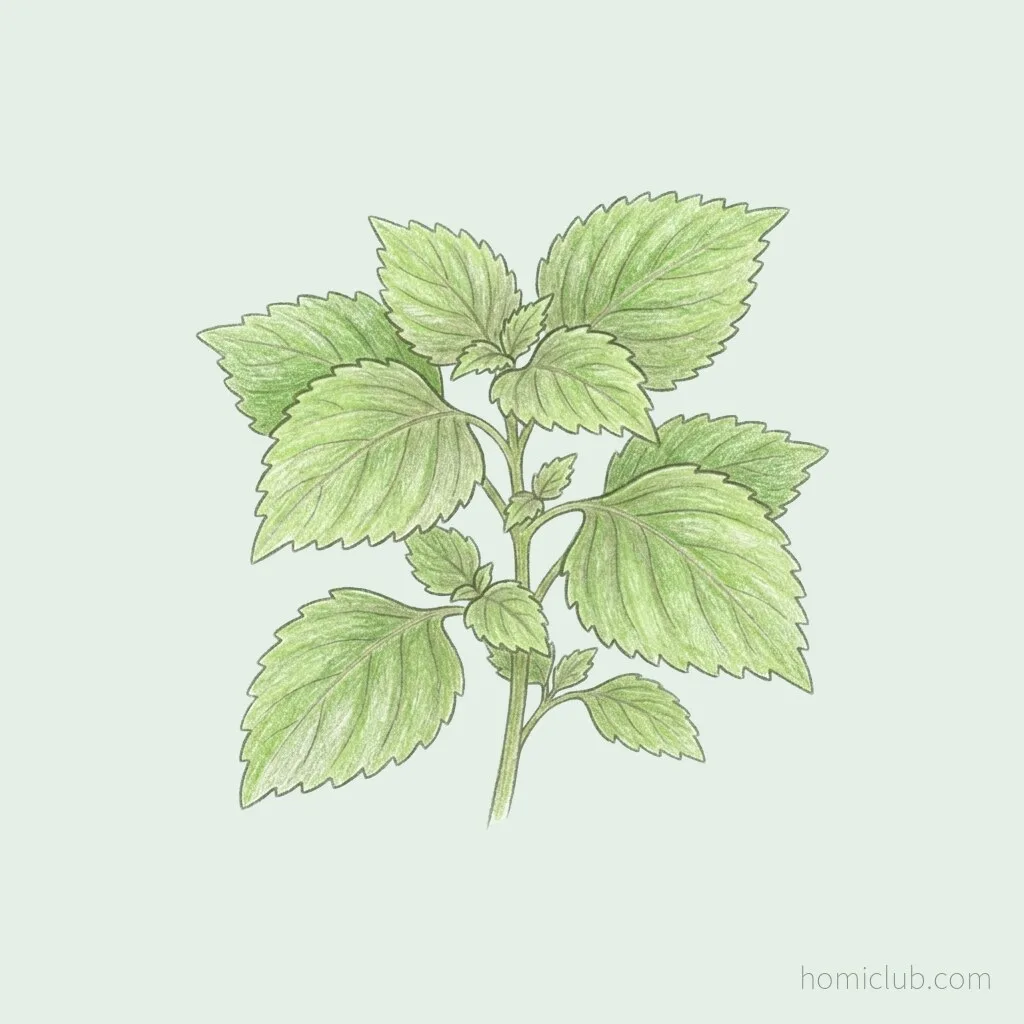
Mint
Menthol-rich herb for digestion and a cooling finish
Mint owes its signature cooling bite to menthol, a compound that helps stimulate digestion and settle nausea. Its essential oils add calming and antimicrobial properties, and a few leaves brighten everything from tea and desserts to chilled drinks. Mint is also famously easy to grow, thriving even in a container with very little fuss. The catch is that it spreads aggressively, so it's best given its own pot to keep it from taking over the garden.
Year-Round Calendar
- 1
- 2
- 3
- 4
- 5
- 6
- 7
- 8
- 9
- 10
- 11
- 12
- 5
- 6
- 7
- 8
- 9
- 10
Health Benefits
Irritable bowel syndrome (IBS) and digestion. An updated meta-analysis on the efficacy and safety of peppermint oil for irritable bowel syndrome found significant improvements in abdominal pain and overall symptoms. Menthol's relaxing effect on intestinal smooth muscle is considered the key mechanism, and enteric-coated capsules are the recommended form.
Pain relief and topical use. A combination of lanolin, aloe, and peppermint has been reported to ease nipple pain and trauma during breastfeeding. It's an example of mint's local pain-relieving effect working in synergy with other moisturizing ingredients.
Traditional and modern agreement. The headache, congestion, and mouth-sore remedies described in the Dongui Bogam, a classic Korean medical text, are partly explained in modern pharmacology by menthol's pain-relieving, antimicrobial, and cooling effects. It's a case where Eastern and Western traditions independently recognized mint's benefits, now backed by modern scientific evidence.
Nutrition
- Menthol (Cooling compound) — Aids digestion, eases nausea, and delivers a cooling sensation
- Essential oils and antioxidants (Present) — Calming and antimicrobial
Pairings
○ Watermelon and strawberries — Adding mint to a watermelon salad or a strawberry mojito lets the aroma and cooling sensation play off each other. The sweetness of summer fruit meets mint's fresh scent to leave the palate clean and bright.
○ Lamb — British-style mint sauce is the classic pairing of mint with lamb. Mint's aroma cuts through the fattiness and gaminess of the meat while supporting digestion, giving a lighter finish to a heavy dish.
○ Tea (green and black) — Moroccan mint tea and Turkish mint tea have become the established way to combine mint with tea. The cooling note of mint folded into a warm cup aids after-meal digestion and freshens the mouth at the same time.
○ Yogurt — India's raita and Turkey's cacik are traditional dishes that fold mint into yogurt. Protein meets a cooling freshness, smoothing out the heat of spicy food.
○ Dark chocolate — Menthol and cacao are a classic dessert pairing. The deep flavor of cacao contrasts with mint's coolness to create a layered taste in the mouth.
△ Acid reflux (GERD) — Mint relaxes the lower esophageal sphincter, so people with acid reflux should skip the after-dinner mint tea. It can make reflux symptoms worse—swapping in a different herbal tea is the safer choice.
△ Gallstones — Mint essential oil stimulates bile flow, so people with gallstones should avoid it. It can set stones in motion and trigger pain, so steer clear of essential oil supplements without medical guidance.
△ Never on or near an infant's nose — Never apply mint essential oil in or around an infant's nostrils. Menthol can cause respiratory suppression and laryngeal spasm, and it's classified as contraindicated for children under age 2.
Source: Food and Nutrition Information