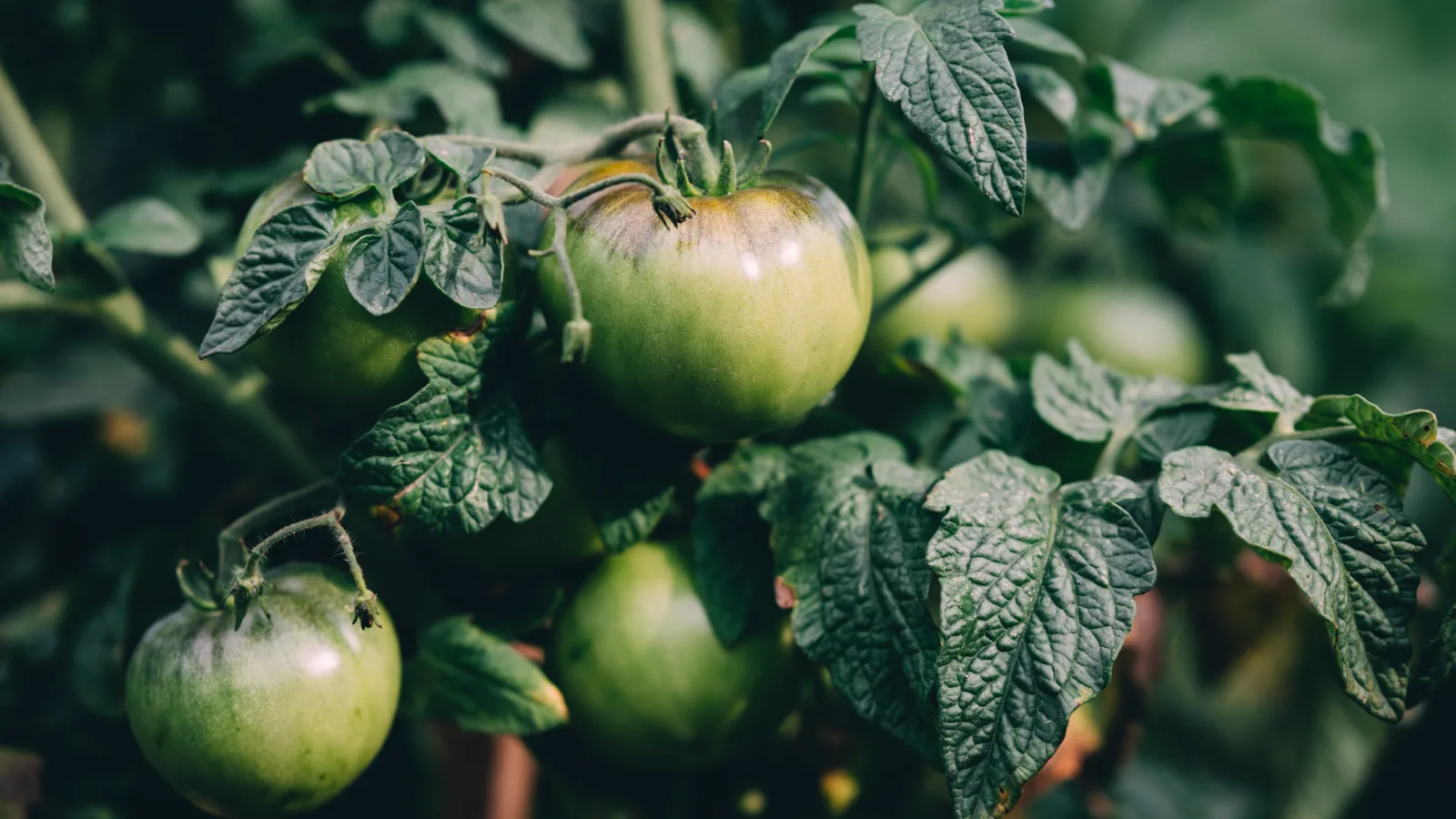
When Tomato Leaves Turn Yellow, Check the Soil for Salt
When tomato leaves yellow from the bottom up and a chalky white film appears on the potting soil, built-up salt is often the culprit. Here's how salt stresses tomatoes, how the plants defend themselves, and a few simple ways to keep your summer pots healthy.
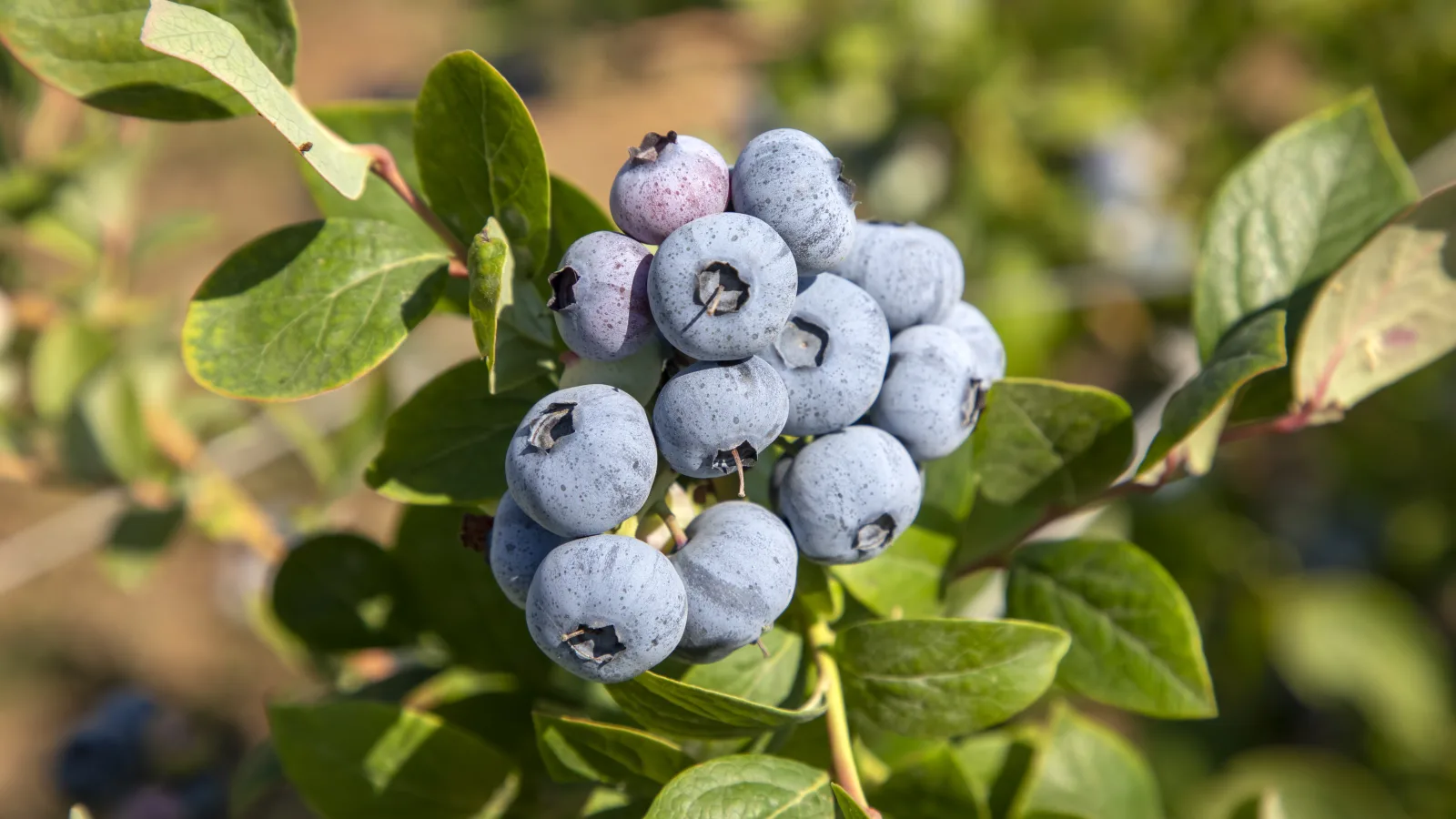
Myricetin in Blueberries — and How to Help Your Body Actually Use It
Myricetin, the antioxidant in blueberries and grape skins, is notoriously hard for the body to absorb because it won't dissolve in water. Researchers used machine learning to find molecular partners that fix that — and the resulting material kept tomatoes fresh longer, too.
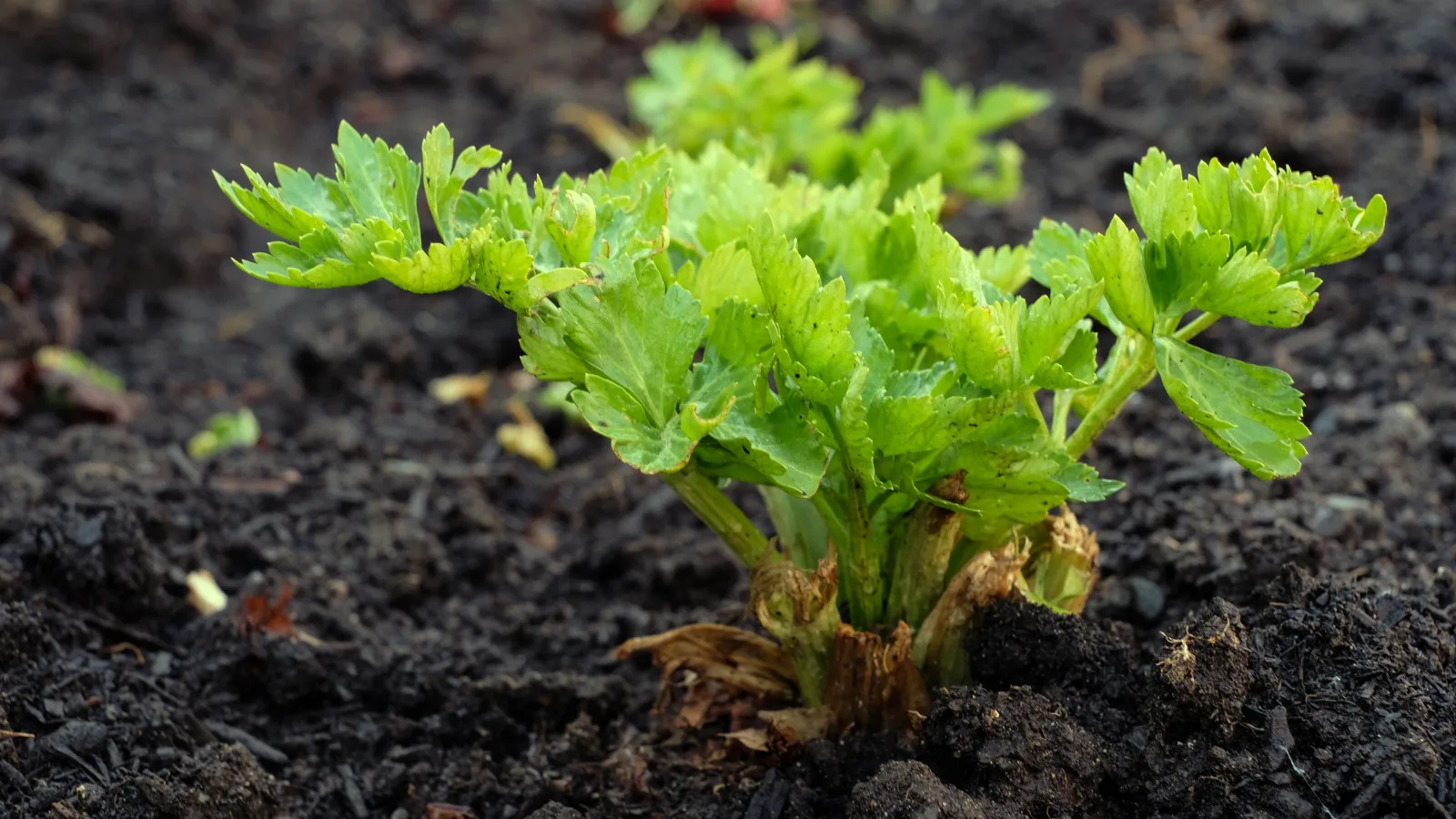
When Your Celery Fades Year After Year, Try a Season of Green Onions
Celery grown in the same bed for years leaves the soil depleted and the plants weak. A simple crop rotation—slipping in a single season of green onions—can revive tired soil, cutting disease by 64% and boosting the next celery harvest by more than 30%.
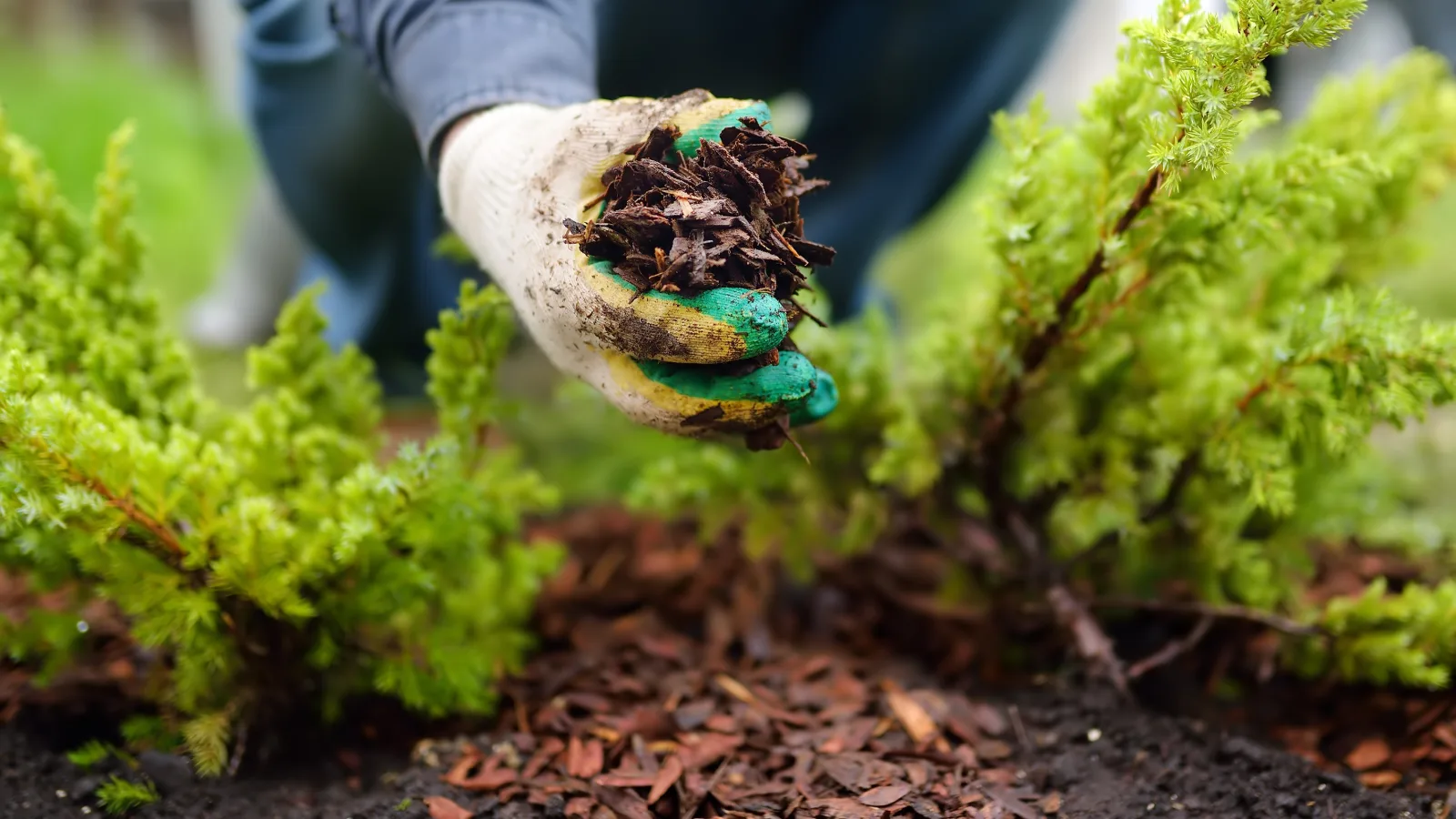
What Happens to the Soil When You Lay Biodegradable Mulch on a Cabbage Bed?
A 2026 field study laid five kinds of biodegradable mulch on cabbage beds and found that, over a single season, the soil held steady, yields rose slightly, and bacteria and fungi responded in different directions.
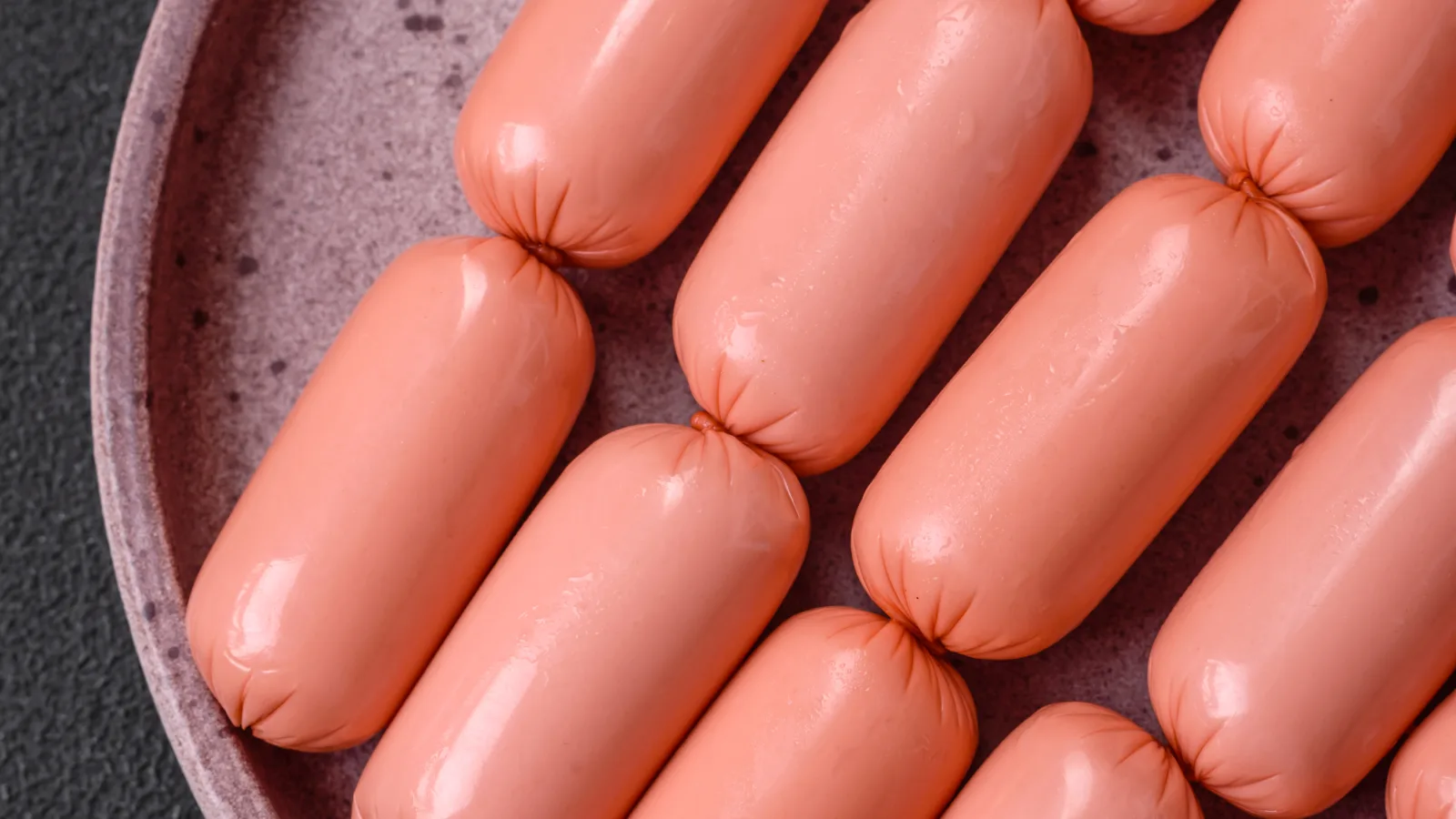
How Much Do Preservatives in Processed Food Raise Your Blood Pressure?
An eight-year study following more than 112,000 people found that diets high in certain food preservatives were linked to higher rates of high blood pressure, heart attack, and stroke. Here's where those additives hide — and why garden vegetables sidestep them entirely.
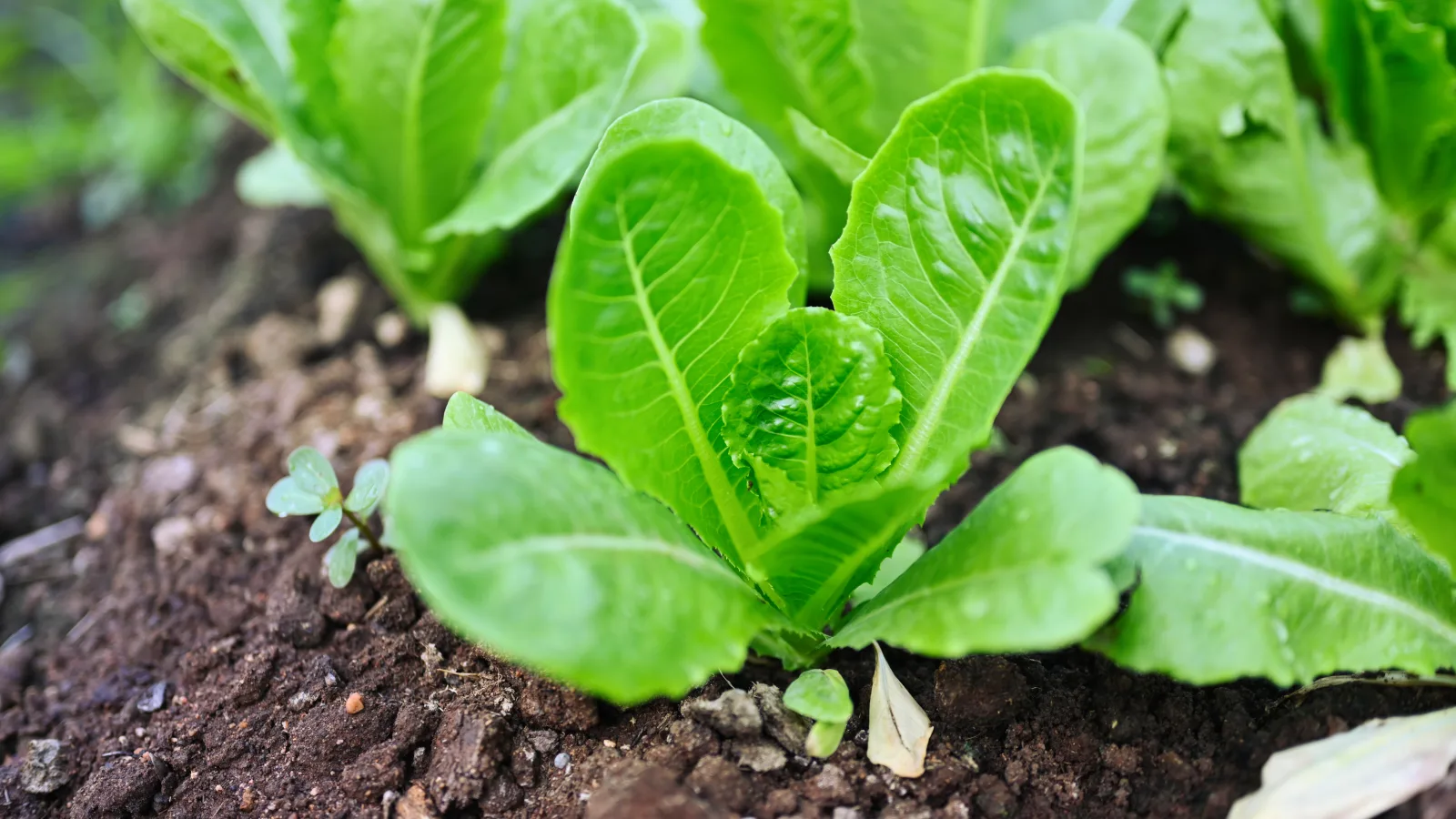
I Gave My Discarded Vegetables Back to the Soil, and My Lettuce Was Never the Same
A 2026 study found that a soil amendment made from vegetable trimmings helped baby lettuce grow as well as chemical fertilizer did, while holding onto far more water. Here's what it means for your own garden.
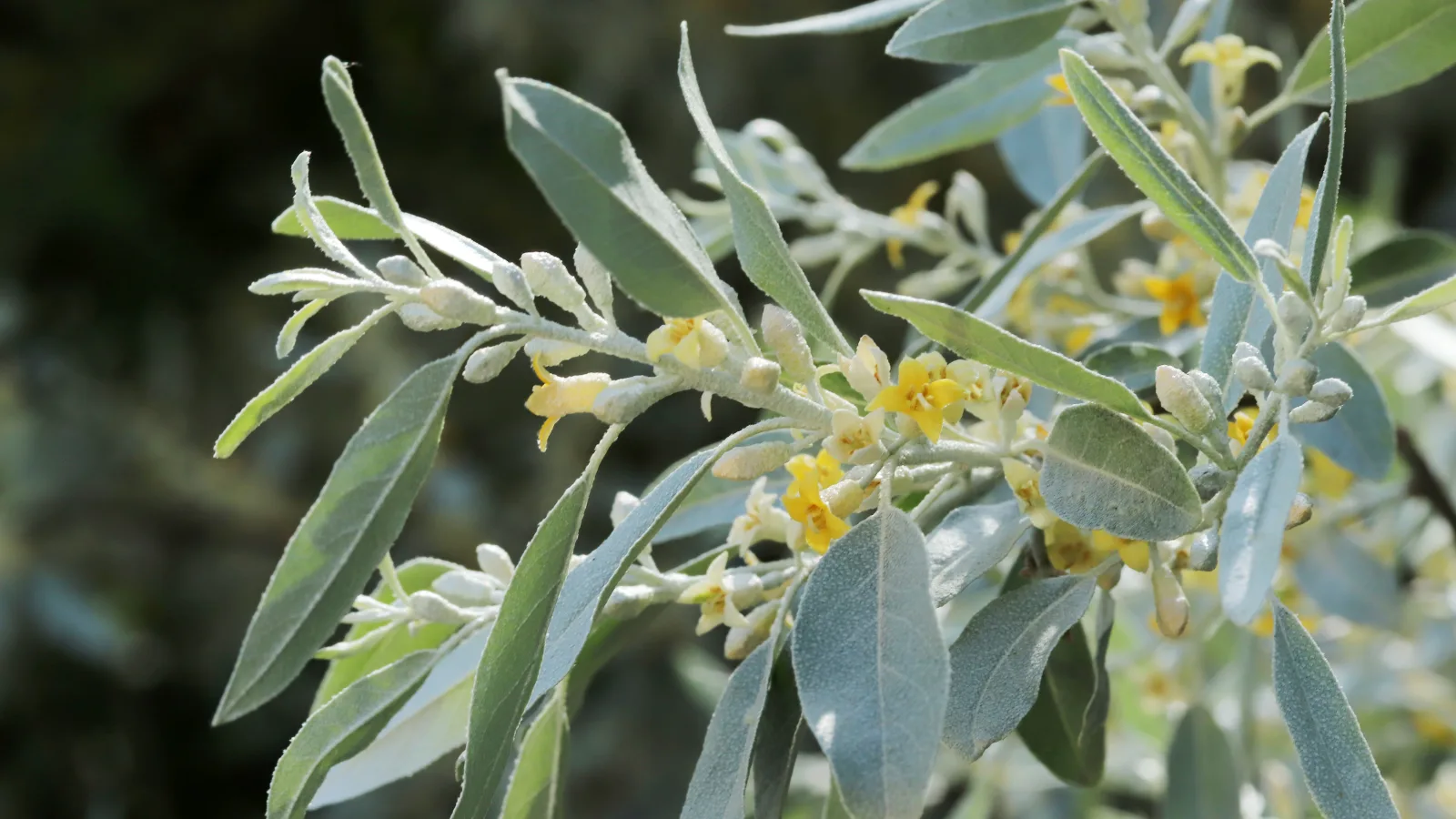
Your Garden's Russian Olive Blossoms Could Become Raw Material for Antimicrobial Nanoparticles
An Iranian research team used extract from Russian olive flower buds to create silver nanoparticles, then confirmed their antimicrobial, antioxidant, and anticancer potential in the lab. It's a striking case of a traditional medicinal plant meeting modern nanomedicine.
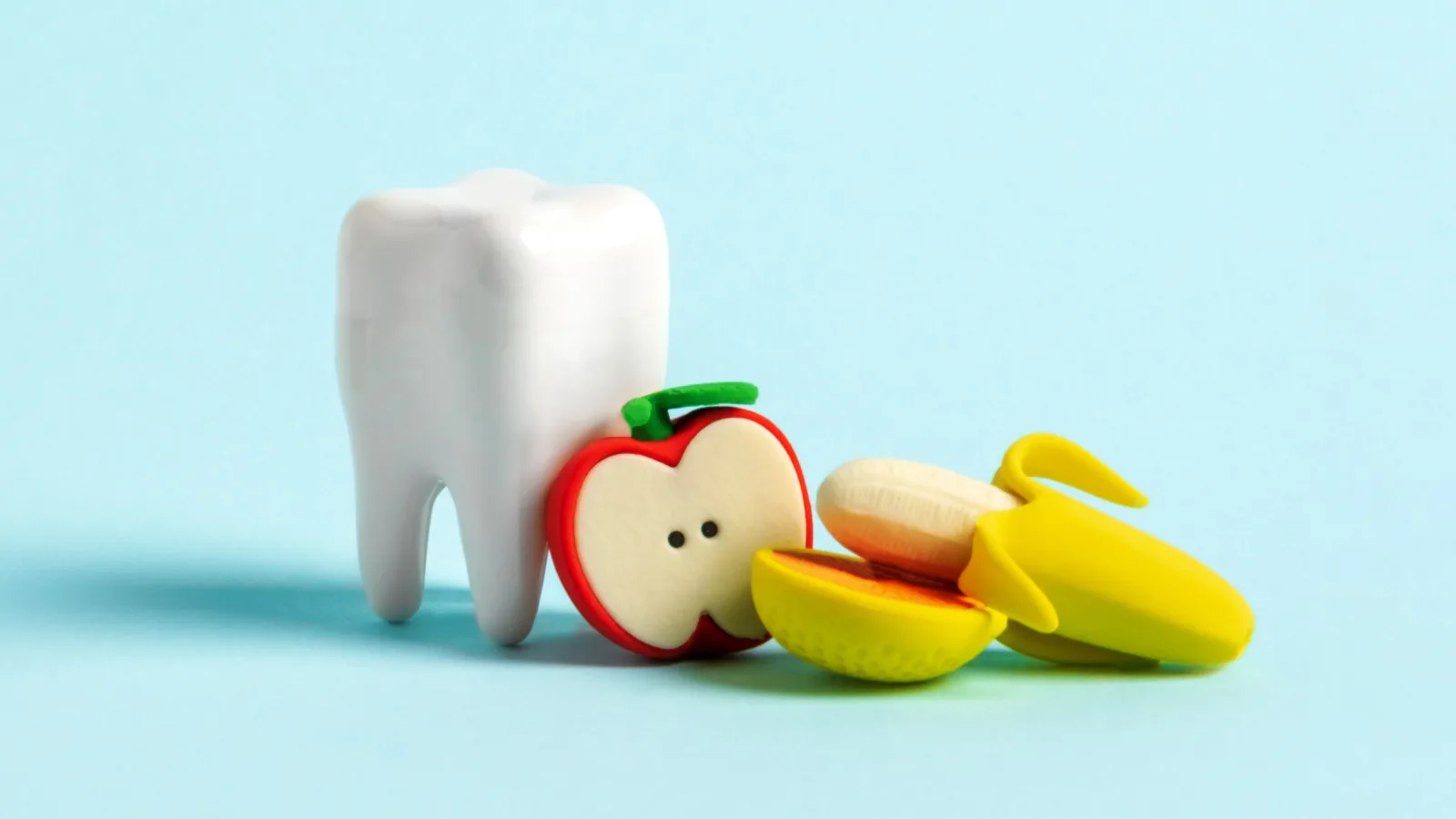
Eat a Little Less, and Your Gums May Change Too
Brushing and flossing aren't the whole story when it comes to gum health. New clinical research suggests that what you eat—and how much—can lower gum inflammation, which is good news for anyone who loves fresh vegetables from the garden.
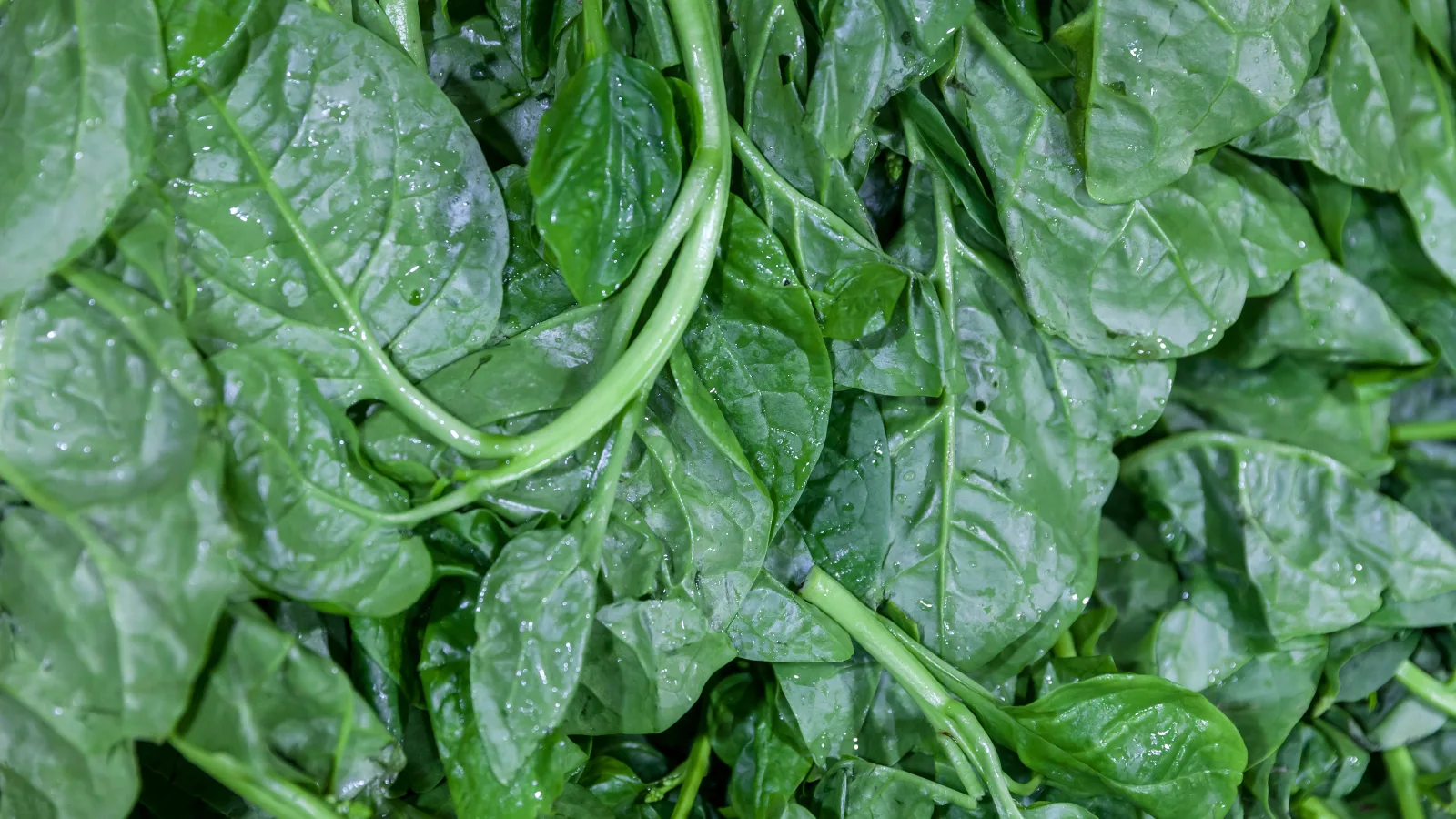
The Benefits of Malabar Spinach
Malabar spinach is a heat-loving vine that keeps your summer garden in greens. A recent study analyzed its leaves, berries, and stems separately—and found that each part has its own strengths.
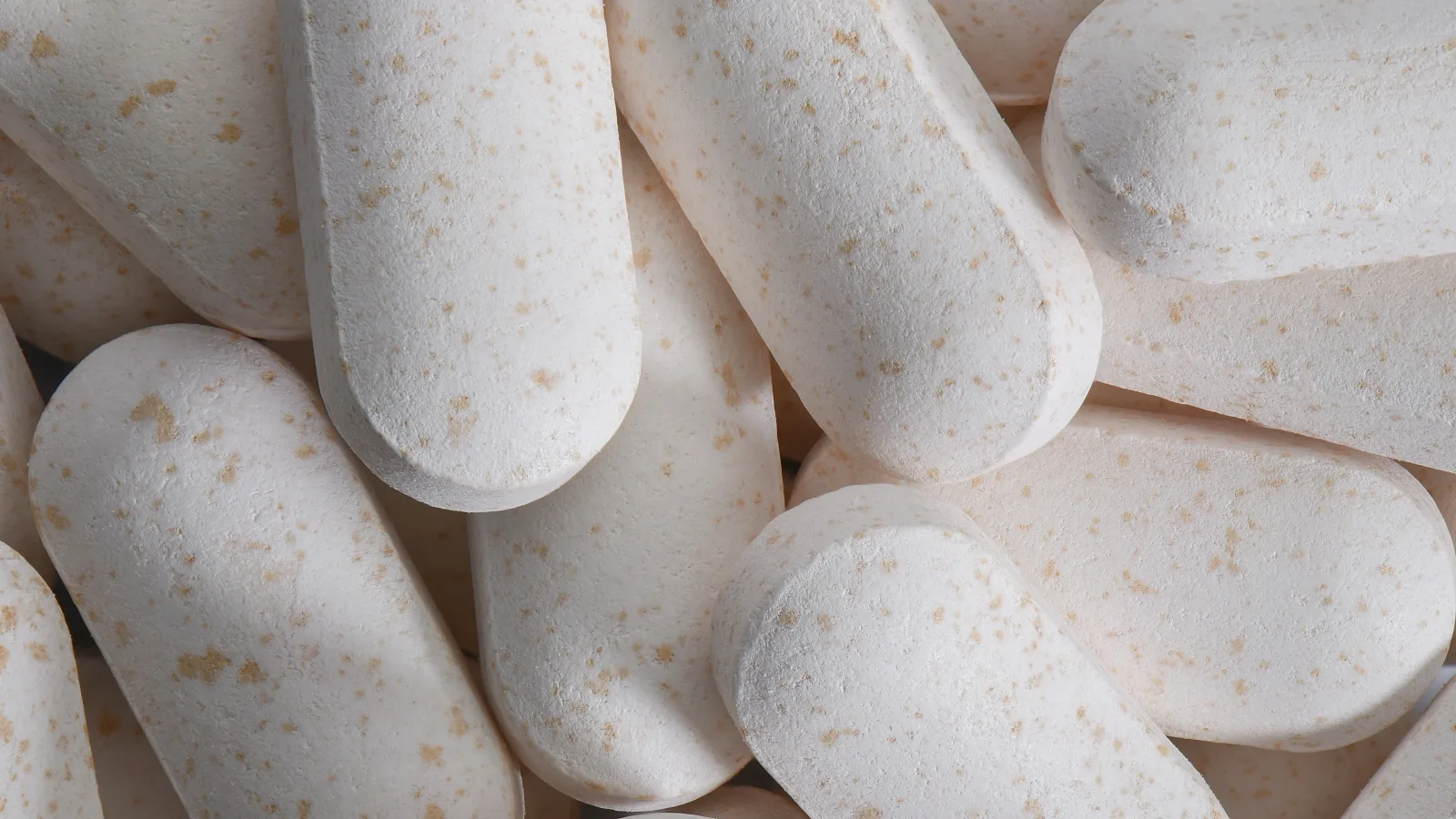
Does a Calcium Pill Really Protect Your Bones?
A study of more than 150,000 people found that calcium and vitamin D supplements did little to prevent fractures or falls in healthy older adults. The most reliable path to strong bones runs through calcium-rich garden vegetables, a little sunshine, and the weight-bearing work of tending the soil.
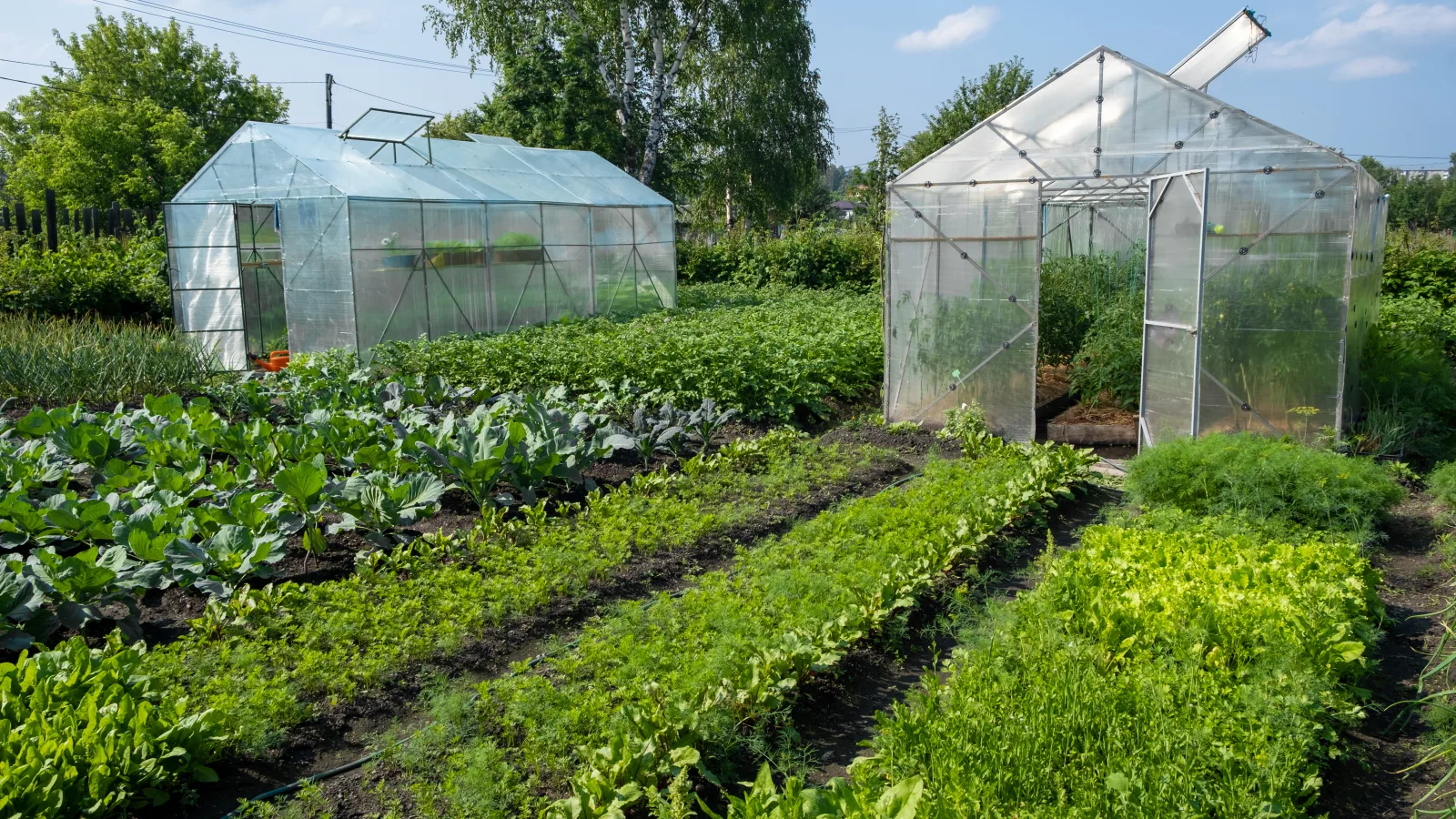
What the Label Leaves Out
Scientists have identified more than 26,000 chemicals in our food, yet nutrition labels track only a few dozen. Growing a variety of vegetables at home may be the simplest way to take in the many compounds science hasn't even named yet.
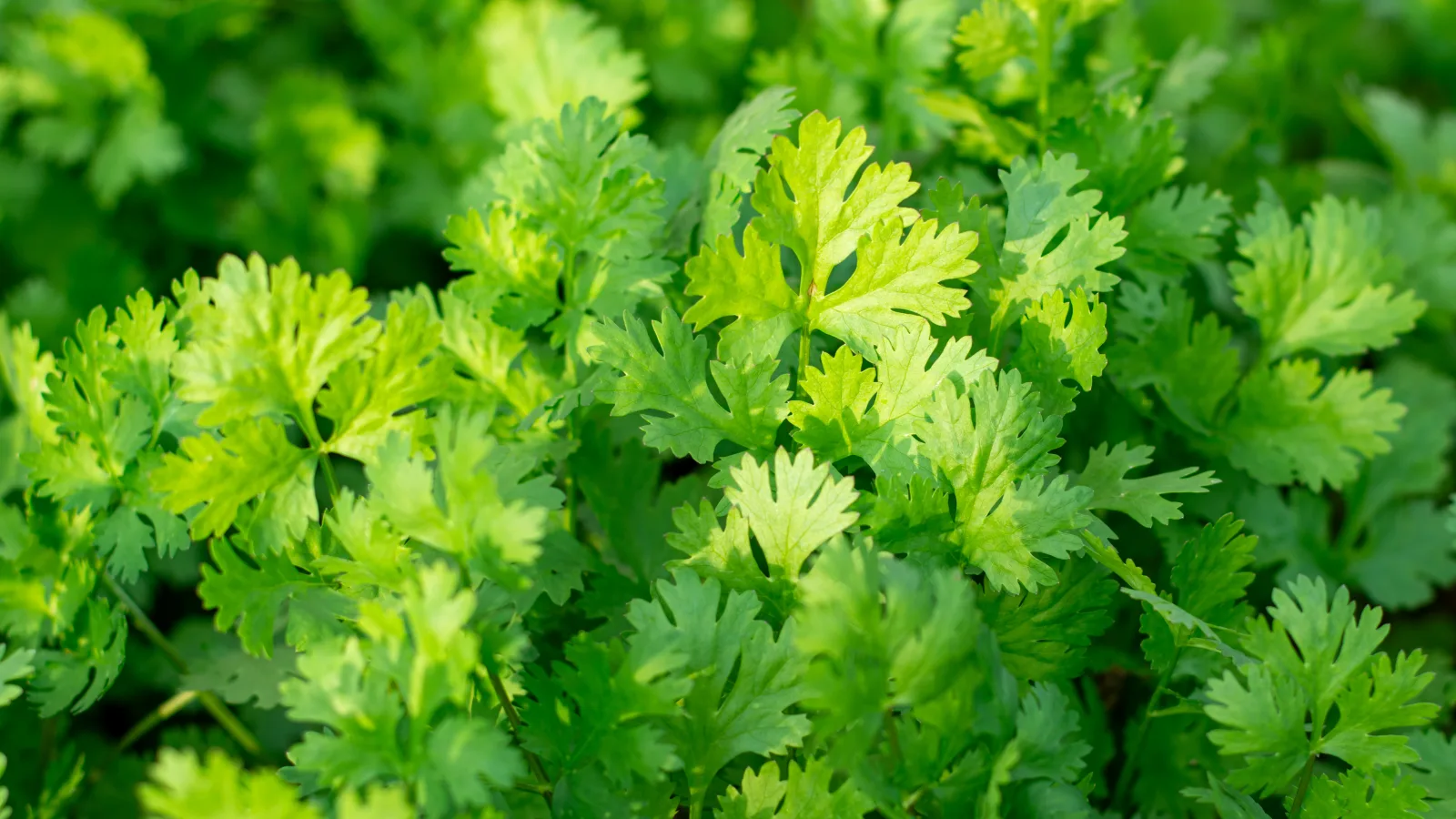
A Handful of Rice Husk Ash Can Transform Your Cilantro
Thin stems and pale, flavorless leaves are a common frustration for cilantro growers — and the culprit is often a hidden silicon shortage. A simple handful of rice husk ash, especially paired with a beneficial soil microbe, can restore vigor, yield, and even nutritional density.
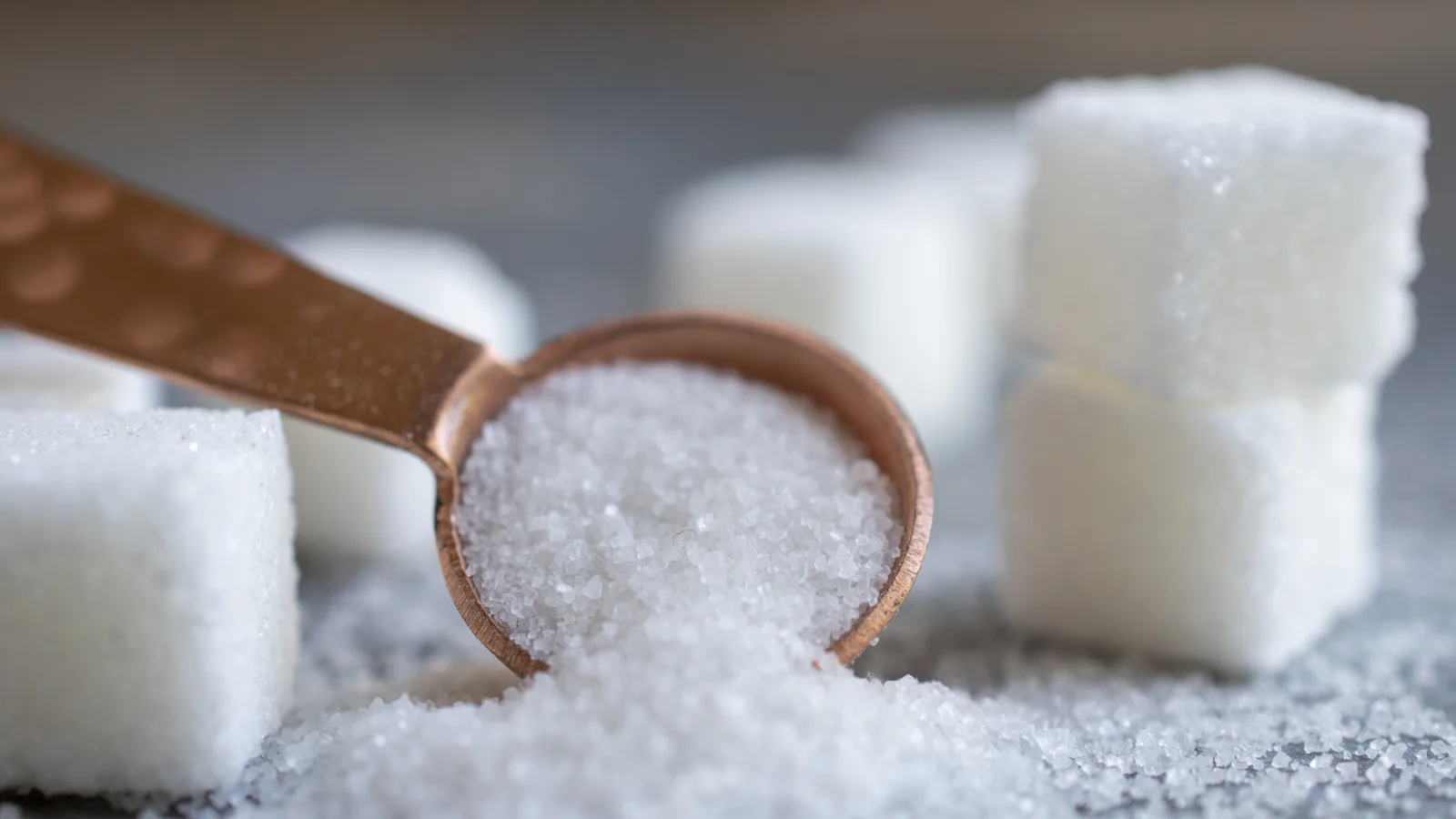
Cutting Out Sugar Completely Can Actually Worsen Your Blood Sugar
A recent animal study found that removing sugar entirely from a low-fat diet left blood sugar control worse, not better—and shifted the balance of gut bacteria along with it. The takeaway leans toward balance over total elimination.
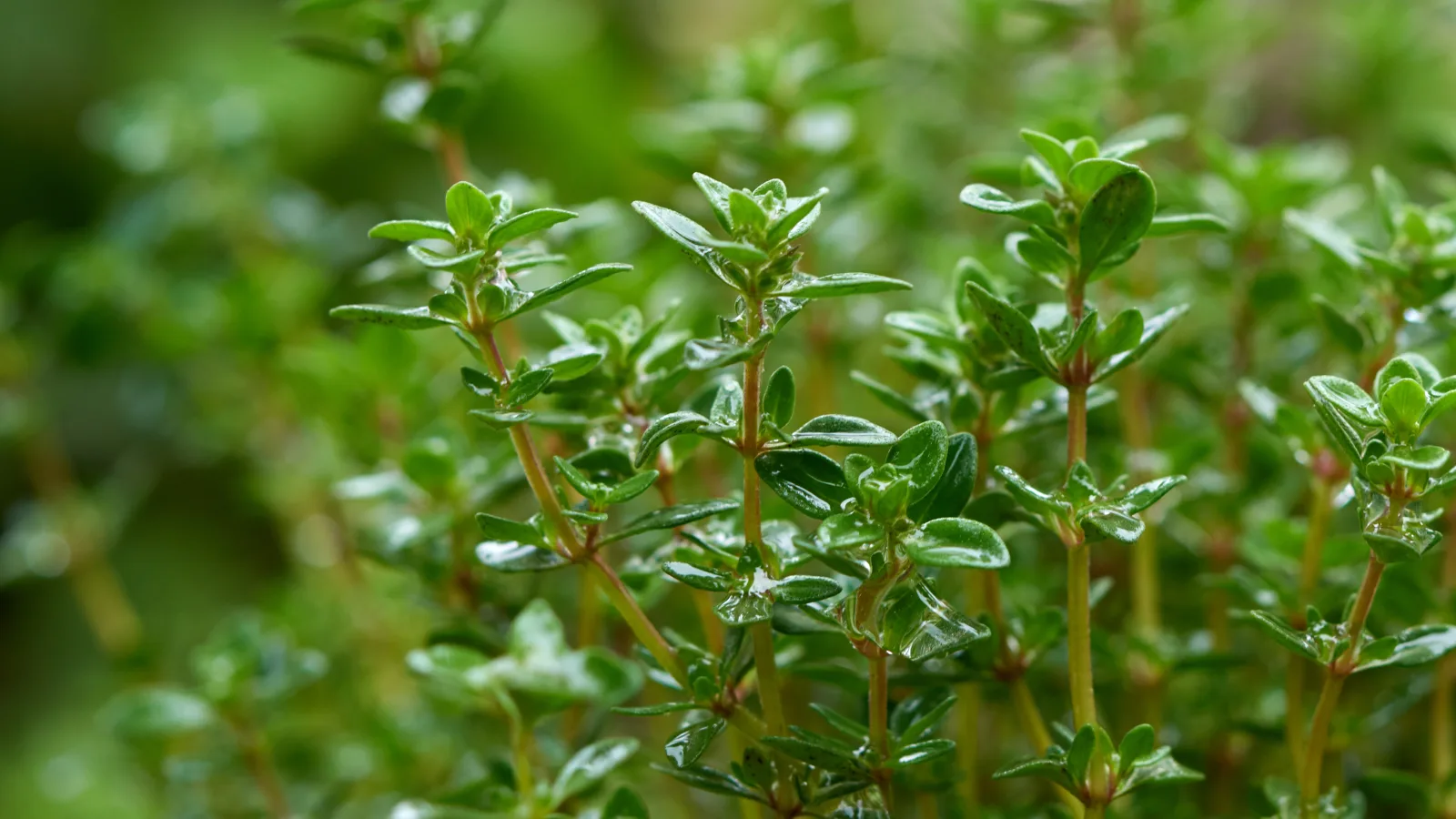
Thyme Slows the Spoilage of Meat
A sprig of garden thyme tucked between cuts of pork keeps the meat fresher overnight—and there's real science behind it. Here's how plant compounds slow the oxidation that turns meat off, and how to put that to work at home.
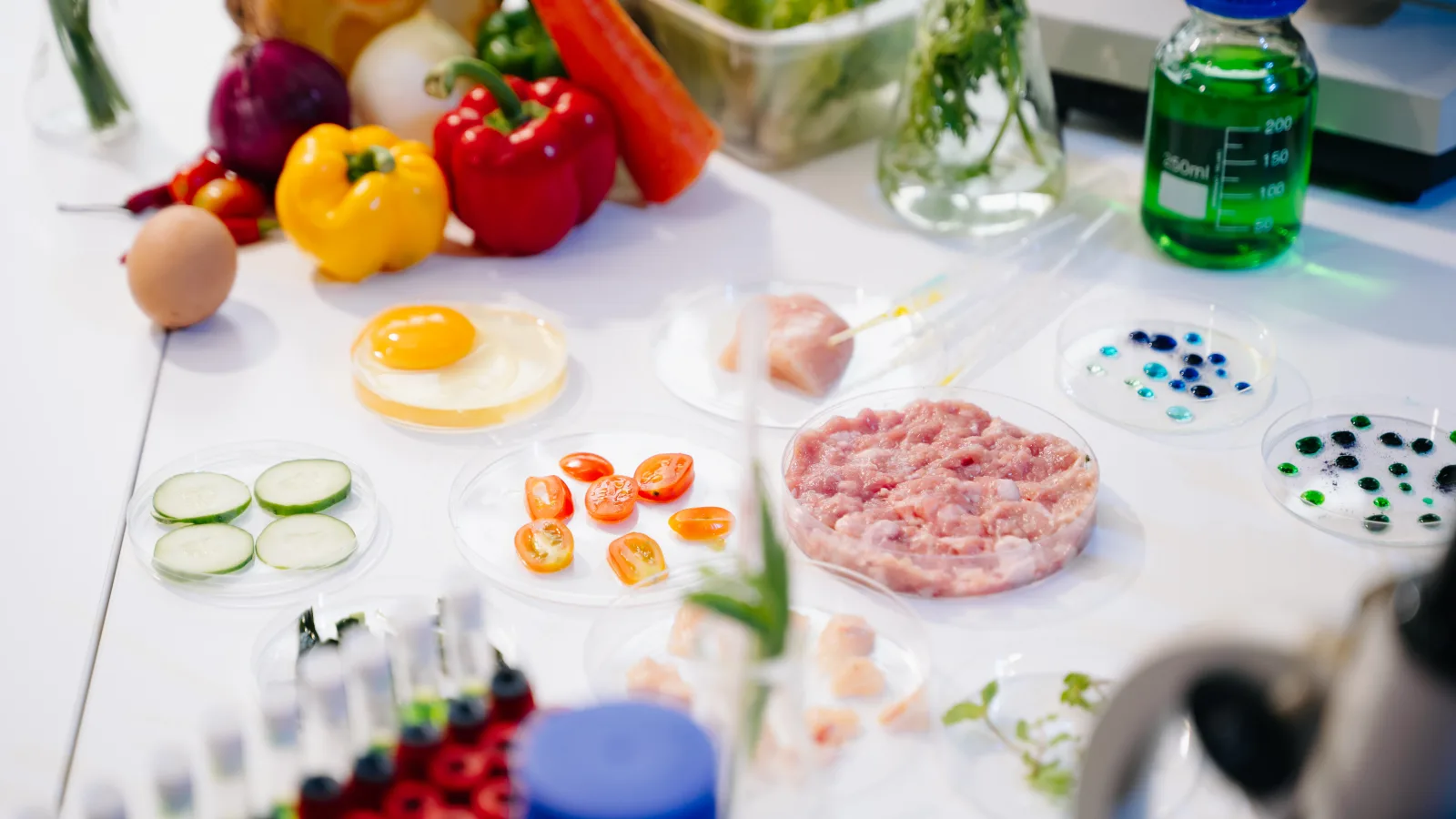
Eating Well but Still Losing Focus?
You're loading up on vegetables, yet every afternoon your concentration slips and your thinking goes foggy. Research suggests the ultra-processed foods sharing your table may be quietly undermining the benefits — and swapping even one snack for something garden-fresh can start to shift the balance.
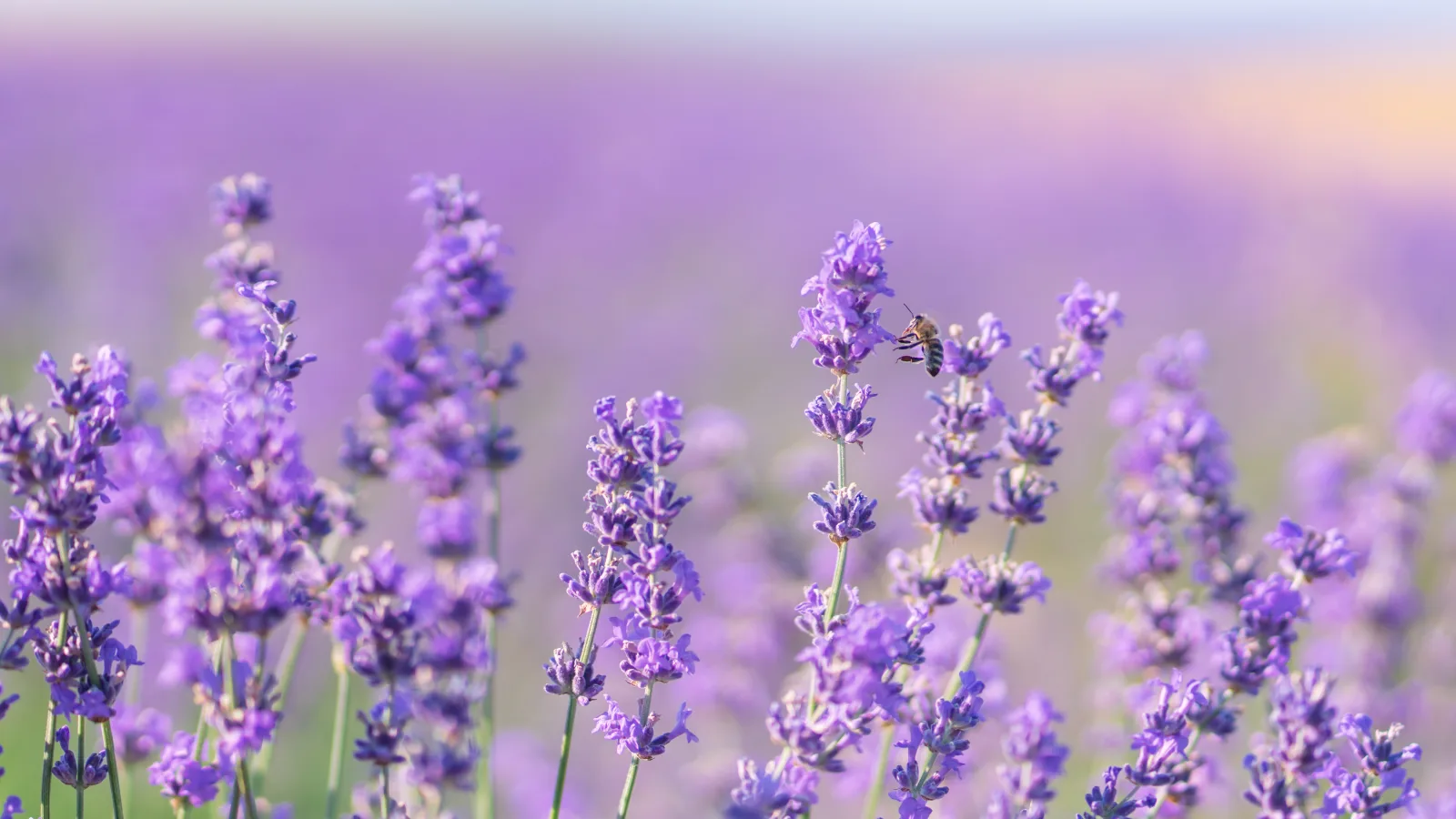
Lavender Gets Richer Every Year You Leave It in Place
Conventional wisdom says rotating crops prevents soil fatigue — but a six-year study from China's premier lavender-growing region found the opposite: lavender left in the same bed year after year produced significantly more essential oil without any loss of fragrance quality.
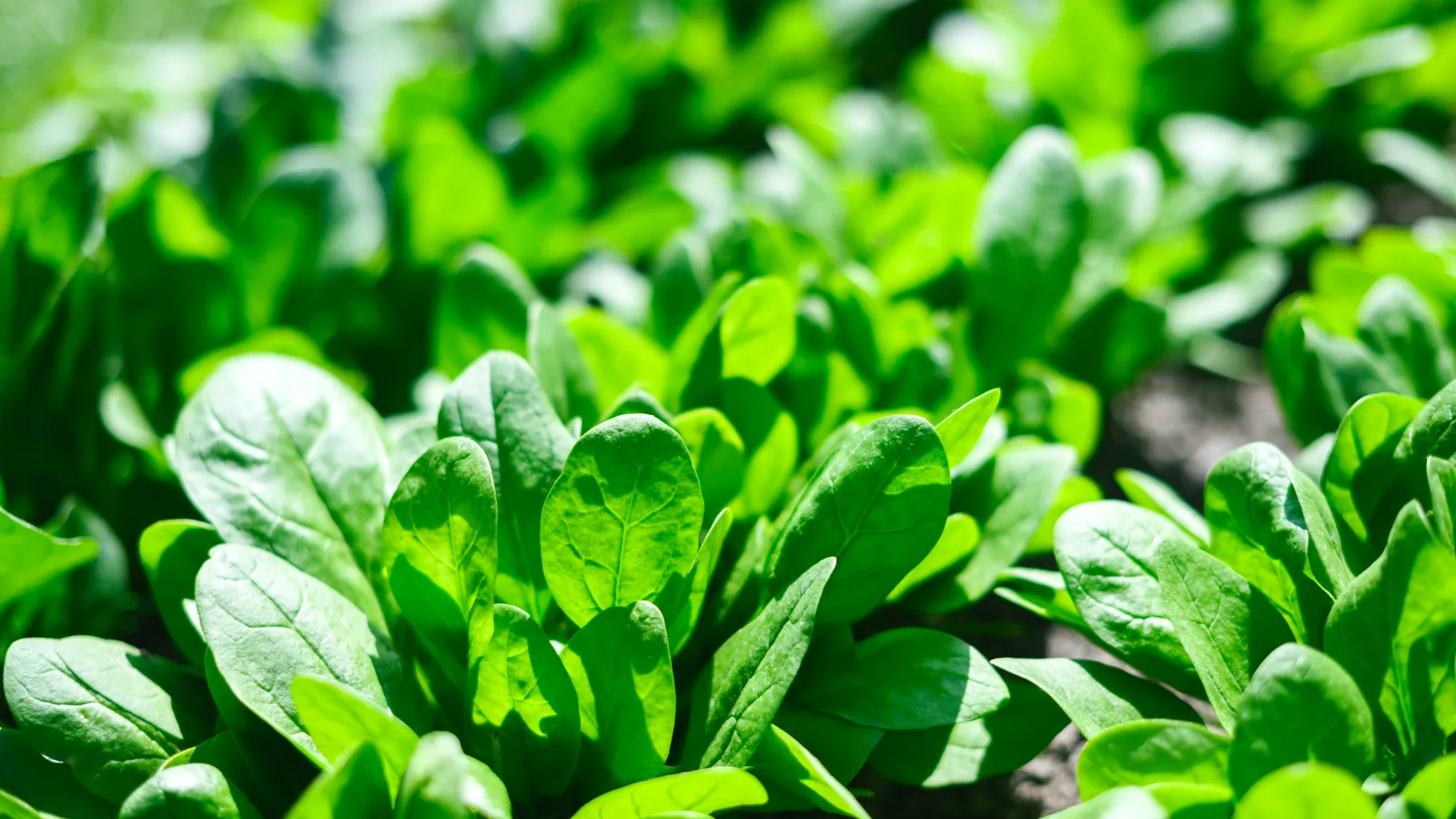
Spinach Holds Its Own in Salty Soil
Salt crust forming on your container soil is a warning sign — but spinach is tougher than it looks. A 2026 study finds that even in high-salinity conditions, spraying selenium directly on the leaves can maintain yields and actually increase the plant's antioxidant content.
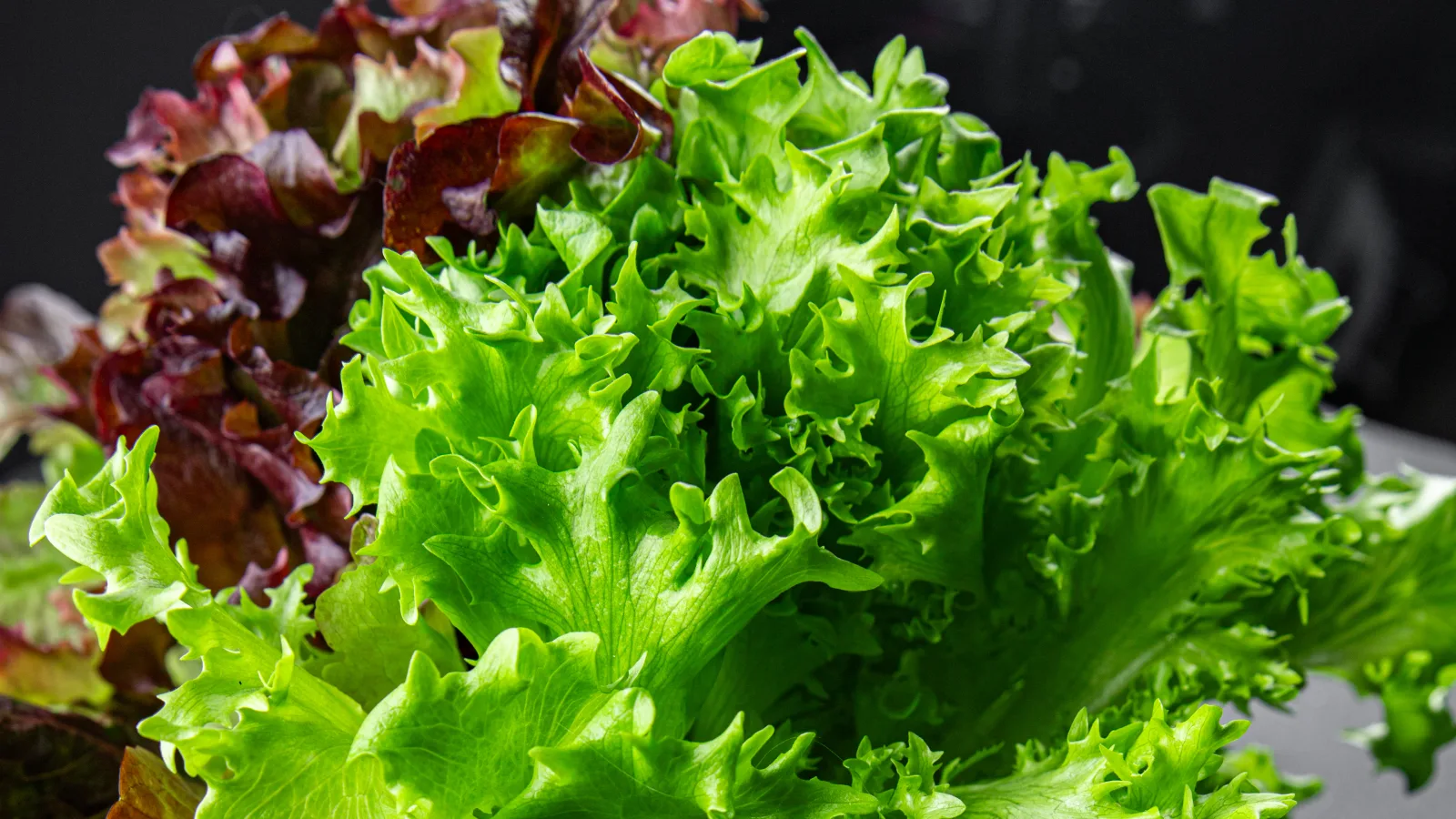
If Your Lettuce Is Growing Slowly, Check Phosphorus Uptake First
Slow growth and pale leaves a month after transplanting may not mean your lettuce needs more fertilizer — the soil could have plenty of phosphorus that the roots simply can't reach. Here's how leonardite humic substances help unlock what's already there.
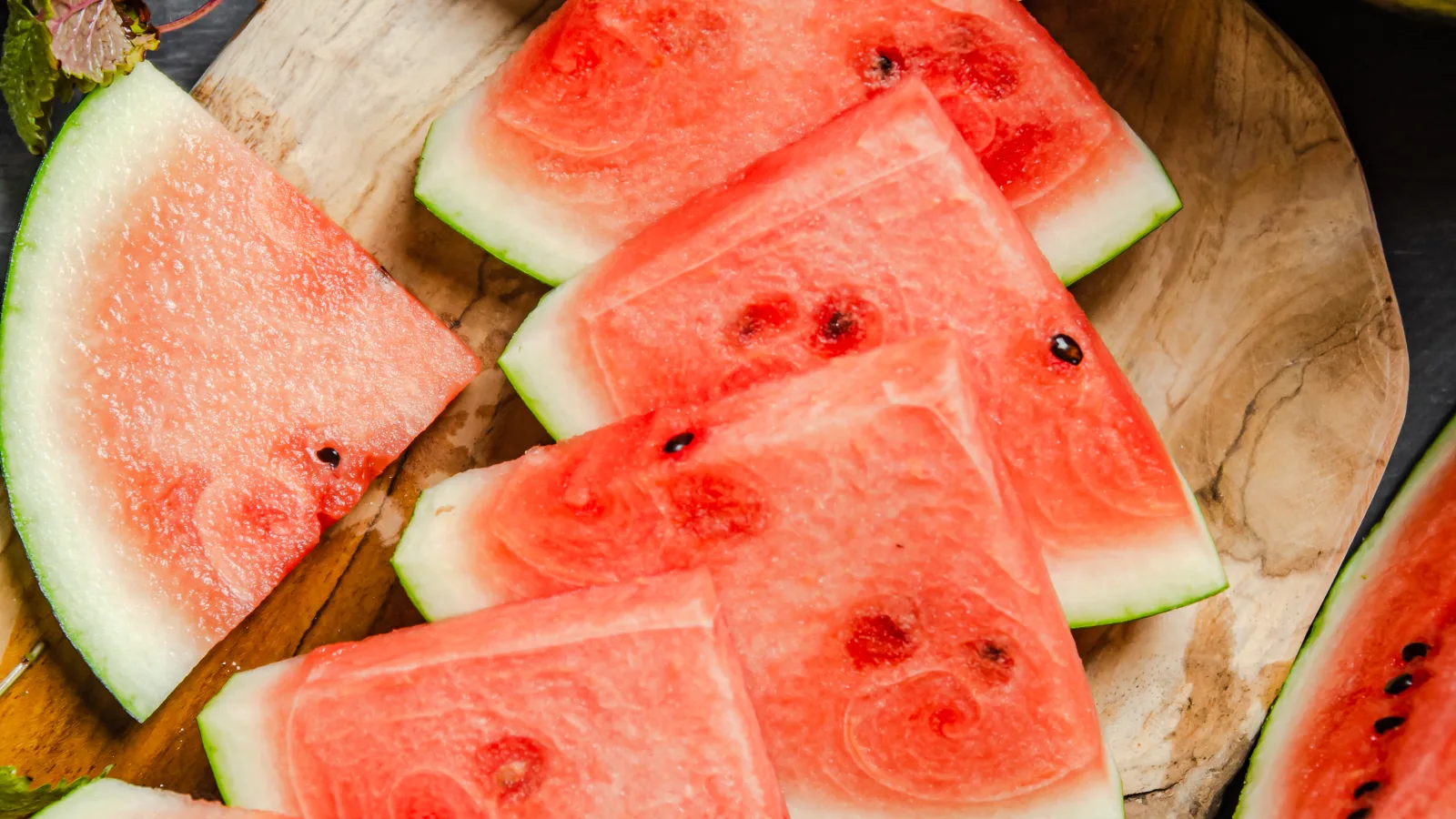
Don't Toss the Watermelon Rind—Turn It Into a Side Dish
The pale layer between a watermelon's red flesh and green skin holds more blood-vessel-friendly citrulline than the fruit itself. Here's how to clean it up and cook it into easy summer side dishes.
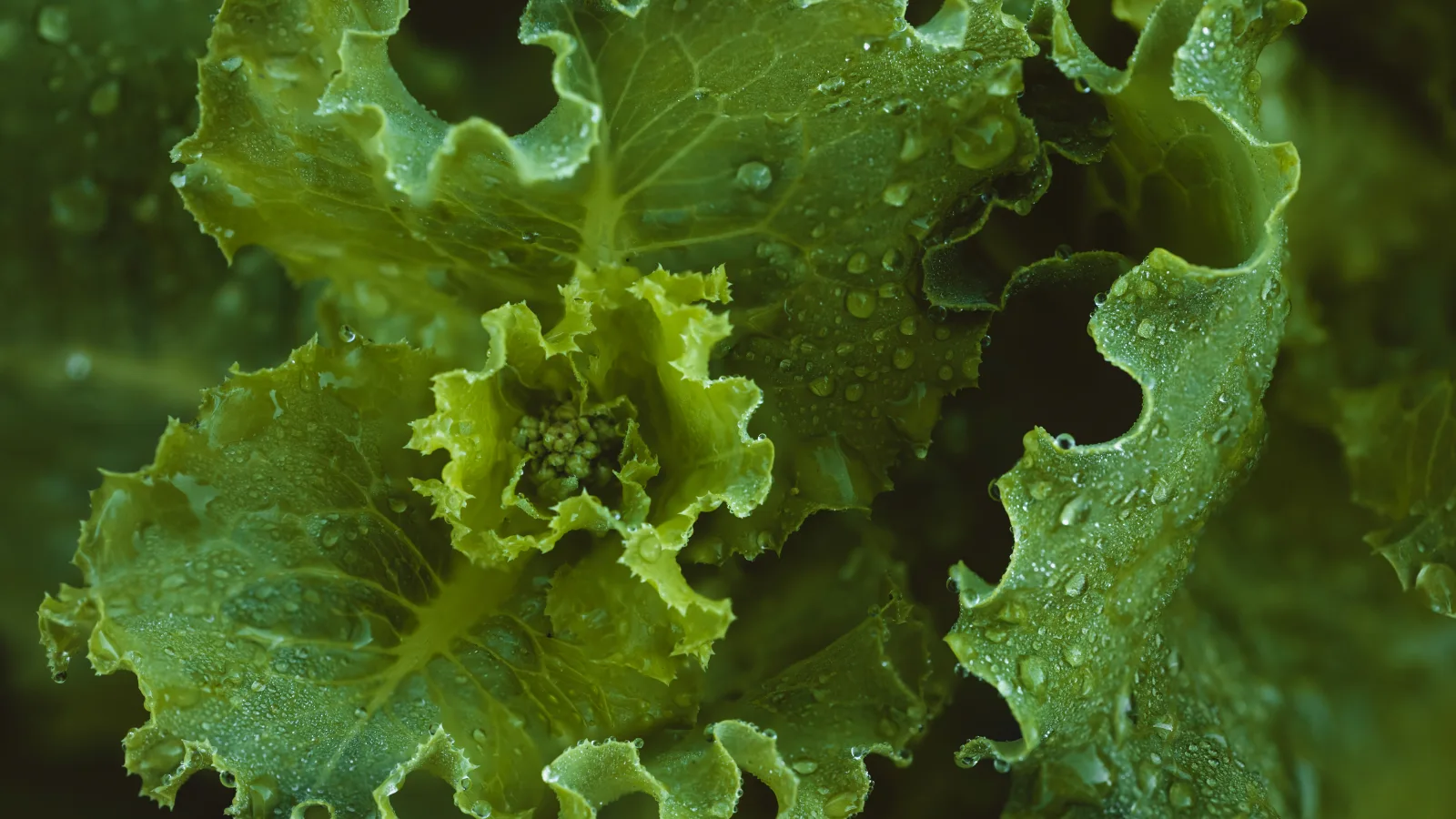
Can a Plate of Lettuce Really Help You Sleep? Here's What the Science Says
The old saying that lettuce helps you sleep turns out to have real clinical research behind it — but not every claimed benefit is equally well supported. We sort lettuce's health effects honestly, from solid evidence to educated guesswork.
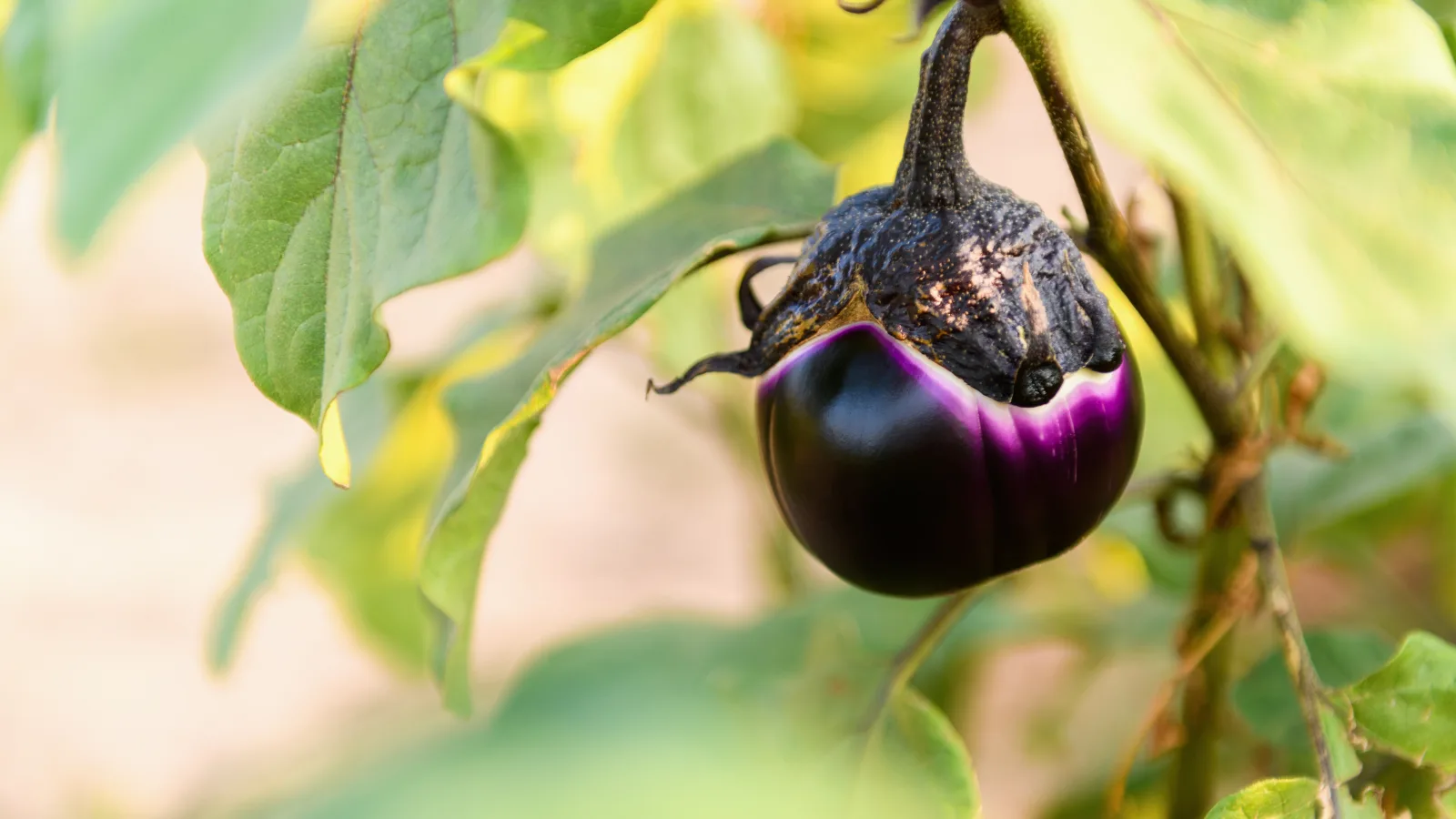
From the Purple of an Eggplant's Skin to Your Bloodstream
The deep purple of an eggplant's skin isn't just color—it's a protective anthocyanin pigment called nasunin that supports our blood vessels too. This piece follows that pigment from the garden bed to the dinner plate, with tips on choosing, cooking, and pairing eggplant to keep its goodness intact.
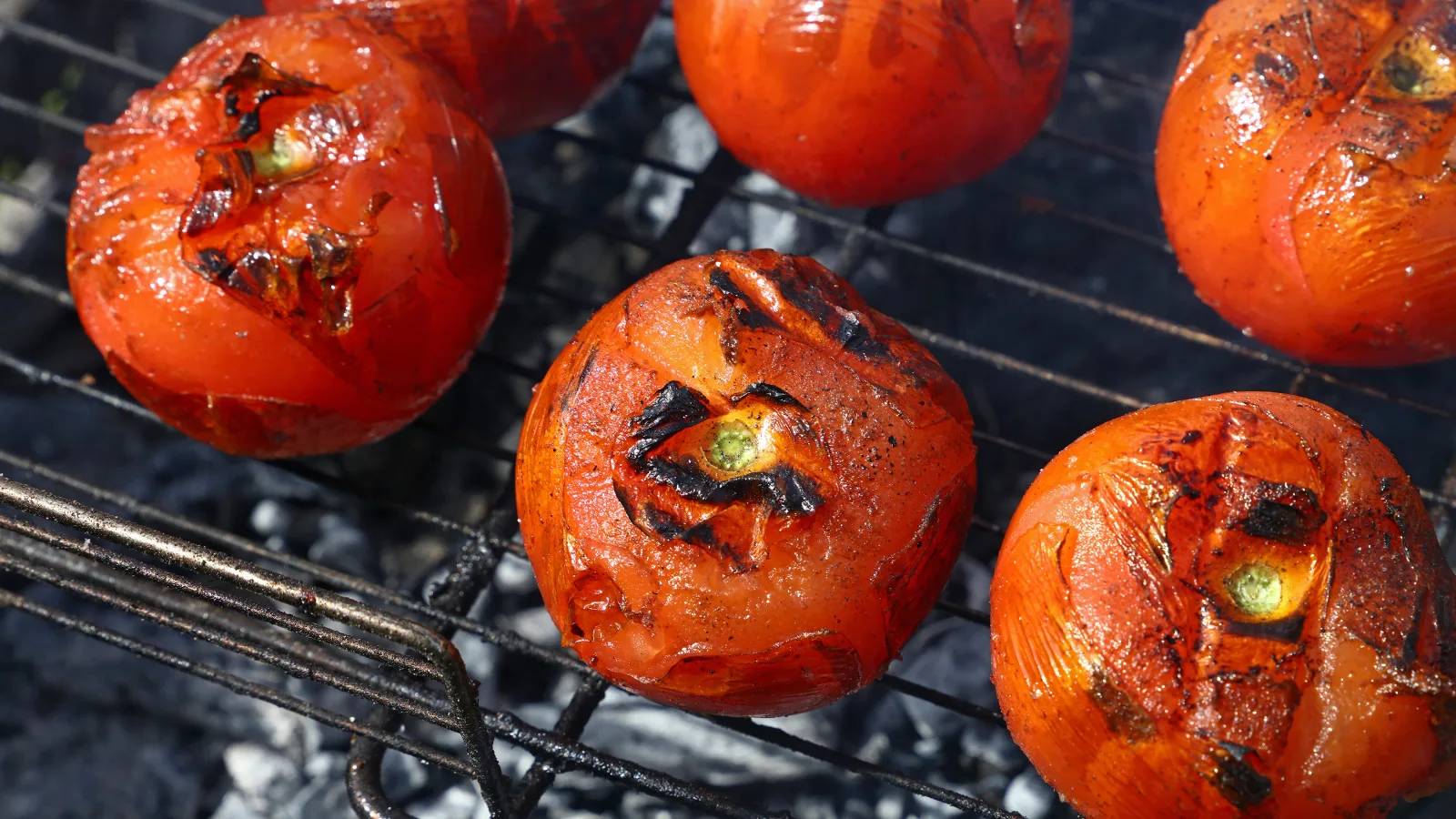
Cook Your Garden Tomatoes — You'll Get Twice the Lycopene
Lycopene, the pigment that turns garden tomatoes red, is linked to lower cancer risk and modest drops in blood pressure and LDL cholesterol. The catch: your body absorbs far more of it when the tomatoes are cooked with a little oil.
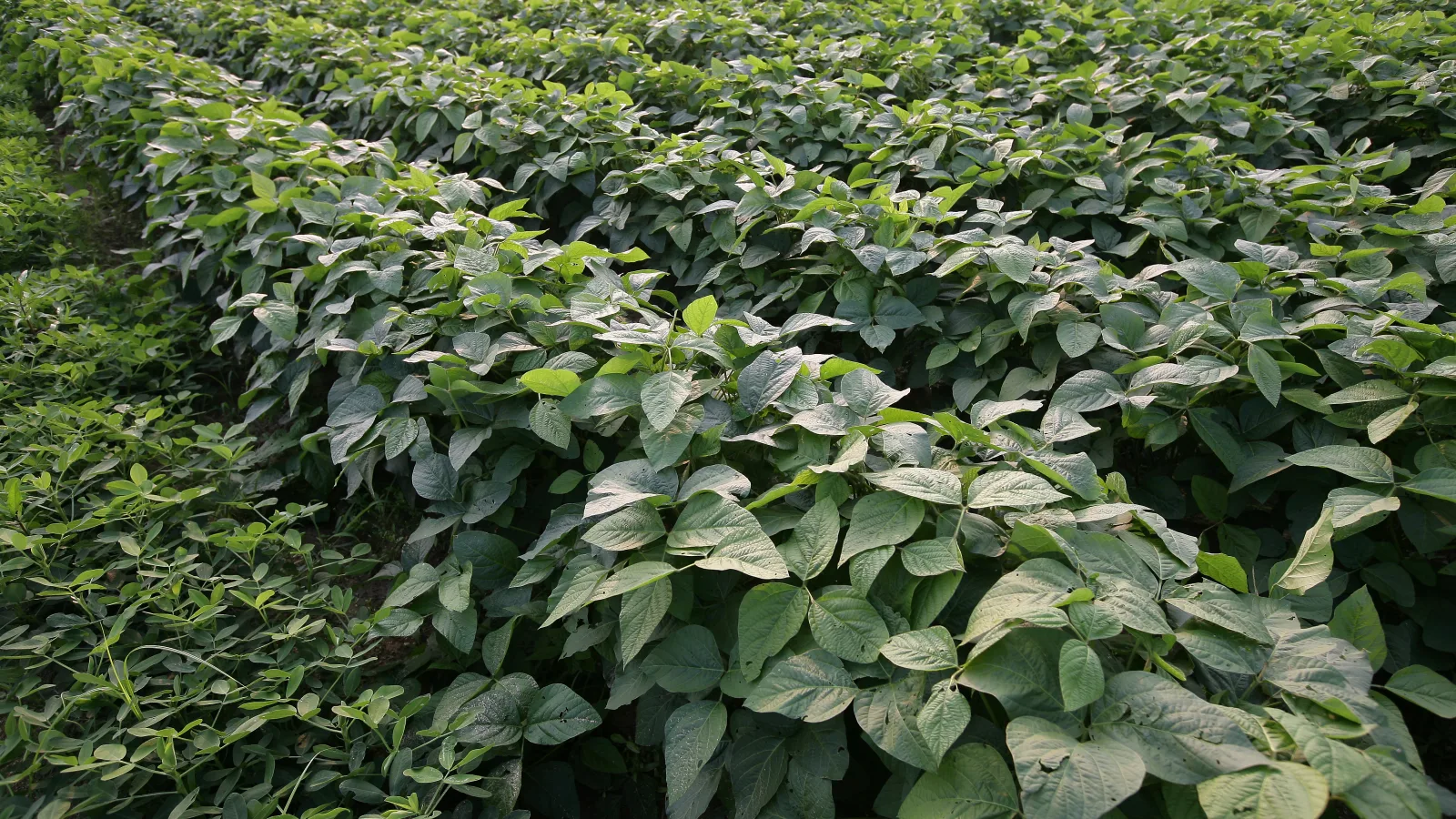
A Handful of Garden Perilla, a Spoonful of Perilla Oil
As summer deepens, perilla spreads through one corner of the garden. We pick its broad leaves for lettuce wraps and press the ripe autumn seeds into fragrant perilla oil. This everyday plant carries something few other vegetable oils can match: an exceptionally rich supply of omega-3.
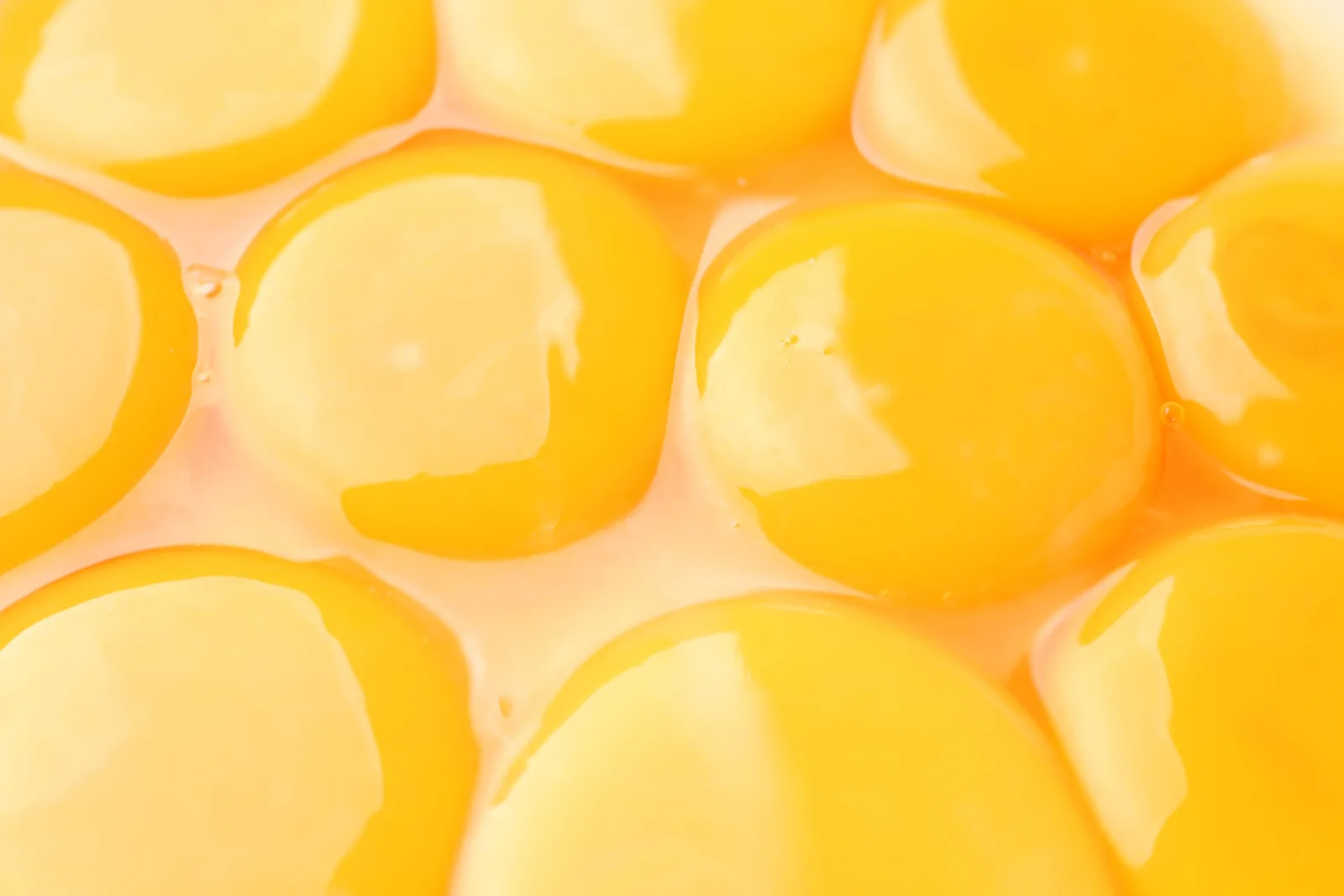
Beating Aphids Without Pesticides
When aphids move onto your balcony lettuce in early summer, you don't want to spray pesticides on greens you'll eat raw. Here's how a simple egg-yolk oil spray keeps them in check, the natural way.
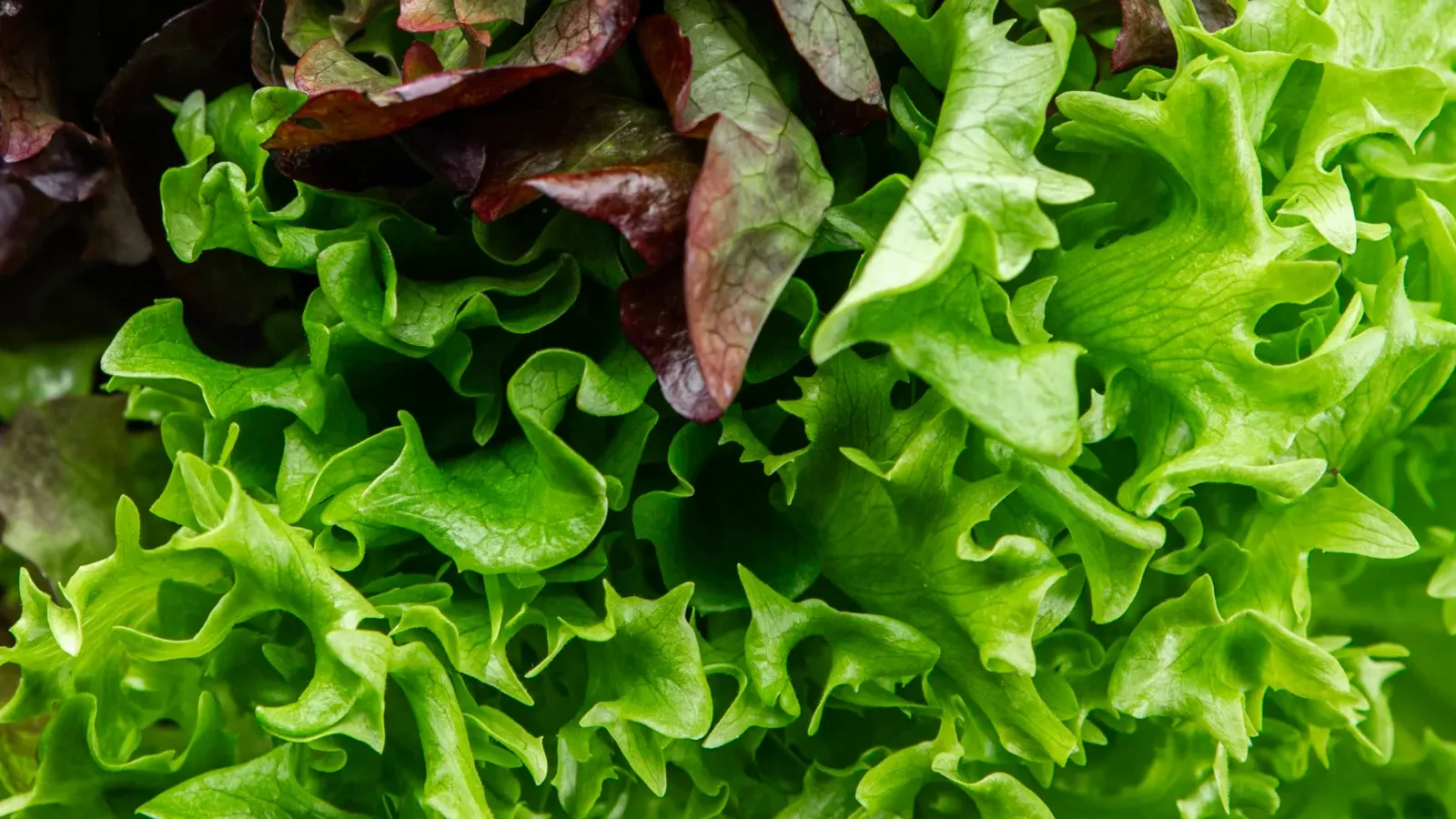
One Lettuce Leaf, a Surprising Dose of Vitamin K
Lettuce is one of the easiest greens to grow on a balcony, and the leaves you pick each evening do more than fill out a salad. The darker the leaf, the more vitamin K it carries, a nutrient that helps keep calcium in your bones.