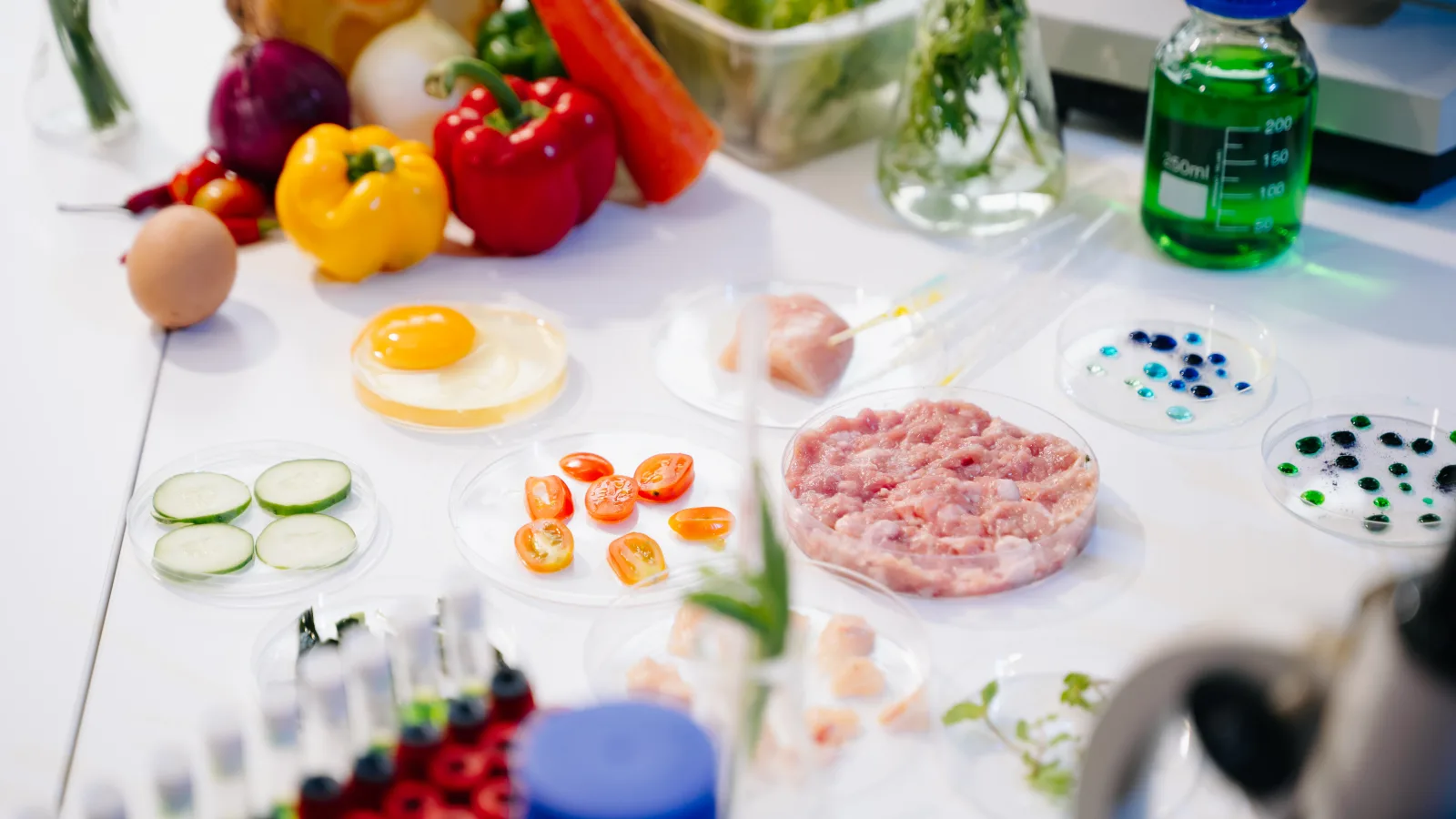
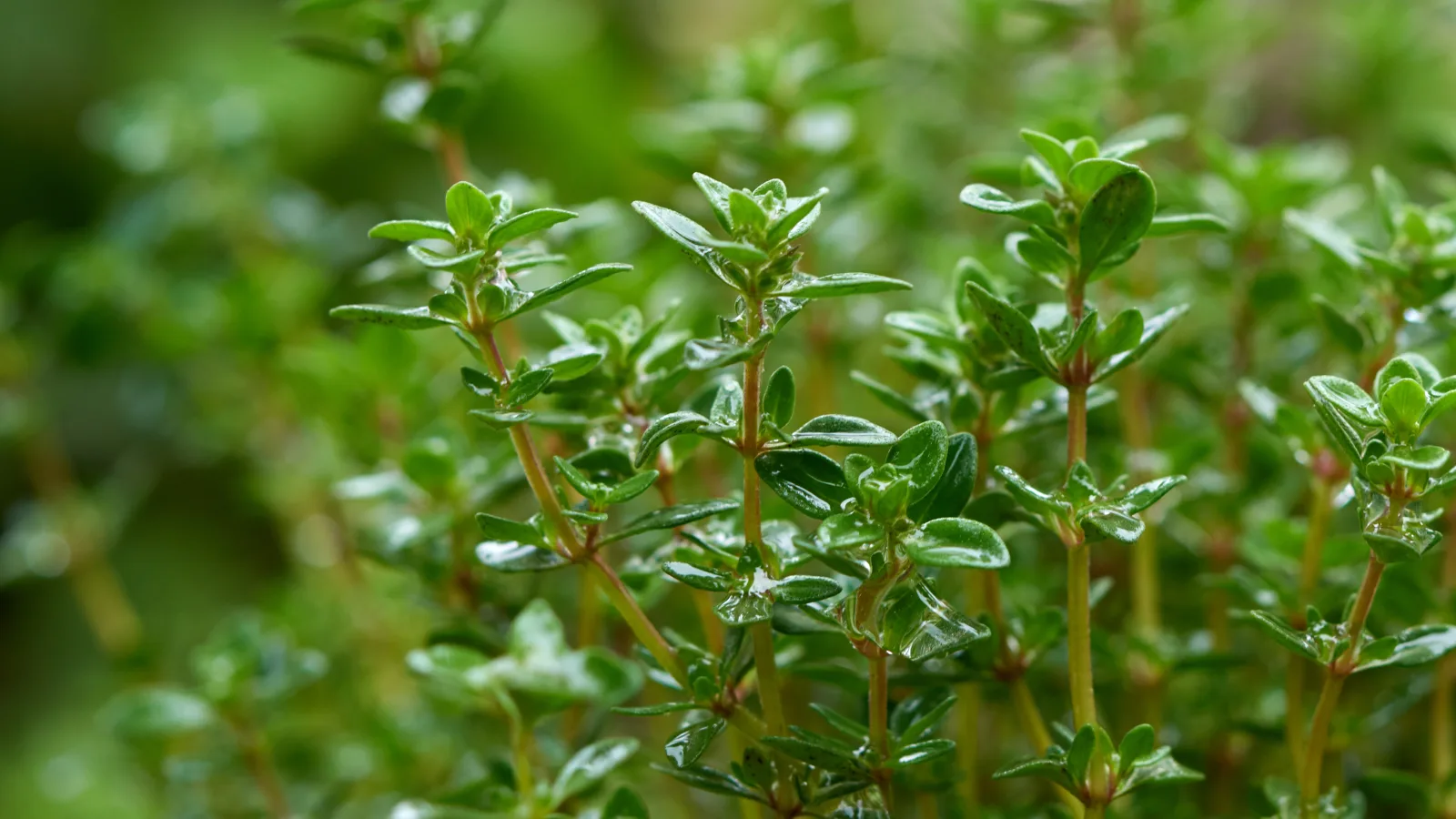
Tuck a single sprig of thyme—picked from the summer garden—between slices of pork, leave it in the fridge, and by the next day the meat smells different. Even after a longer stretch, it stays fresher. Behind that small kitchen observation is a real principle: plants can slow the oxidation of meat.
How fat oxidation changes meat
After a few days in the refrigerator, meat starts to look duller and smell off. When the unsaturated fatty acids in meat meet oxygen in the air, they set off a chain reaction. As peroxides and breakdown compounds build up, the meat's flavor, aroma, and color all decline together. Food scientists track this change with two measures: peroxide value (PV) and TBARS.
How fast oxidation runs depends on temperature, light, and oxygen exposure. The food industry has long relied on synthetic antioxidants, but as shoppers have grown more interested in plant-based alternatives, research into essential oils and plant extracts has taken off.
What plant extracts do
The essential oils drawn from thyme, cinnamon, chili seeds, and the like contain polyphenols, flavonoids, and terpene-family compounds. These scavenge free radicals and slow the oxidation reaction. Applied to the surface of meat, they slow how fast oxidation sets in.
Using natural extracts straight, though, has its limits. Heat and light break the compounds down easily, and the oily components don't spread evenly into the meat. The aroma can also be so strong that it changes the meat's natural flavor.
What nano-formulations add
To ease those limits, researchers are studying ways to pack extracts inside very small particles. The main forms are nanoemulsions, nanocapsules, nanoliposomes, and nanocoatings. Each wraps the active compounds to make them more stable, and is designed to release them slowly within the food.
Across 62 related studies, treating meat with a chili-seed-oil nanoemulsion brought the TBARS value down from 2.42 mg per kilogram to 0.42 mg. Thyme-oil nanocapsules and cinnamon nanoemulsions cut peroxide values by 20 to 70 percent, and in some cases extended shelf life from 3 days to as long as 60. Taste and appearance scores also came out better than for untreated meat. The safety of the nanoparticles themselves is still under study, so for now the discussion centers mainly on use within commercial food-processing.
What you can use in the garden kitchen right now
Nano-formulations are an industrial-scale technology, but the underlying principle—that plant extracts slow the oxidation of meat—applies to home cooking too. A marinade that combines thyme, rosemary, and cinnamon not only adds flavor but also helps slow surface oxidation to a degree.
If you're growing thyme or rosemary in the garden, use the fresh leaves generously when you marinate meat. The stronger a leaf's aroma, the higher its content of active compounds. Marinate with olive oil and the compounds reach the meat's surface more evenly. Storing it in an airtight container reduces air exposure and slows oxidation further still.
Reference: Food Chemistry: X (2026), Mitigating lipid oxidation in meat products using nano-formulated essential oils and plant extracts: a systematic review