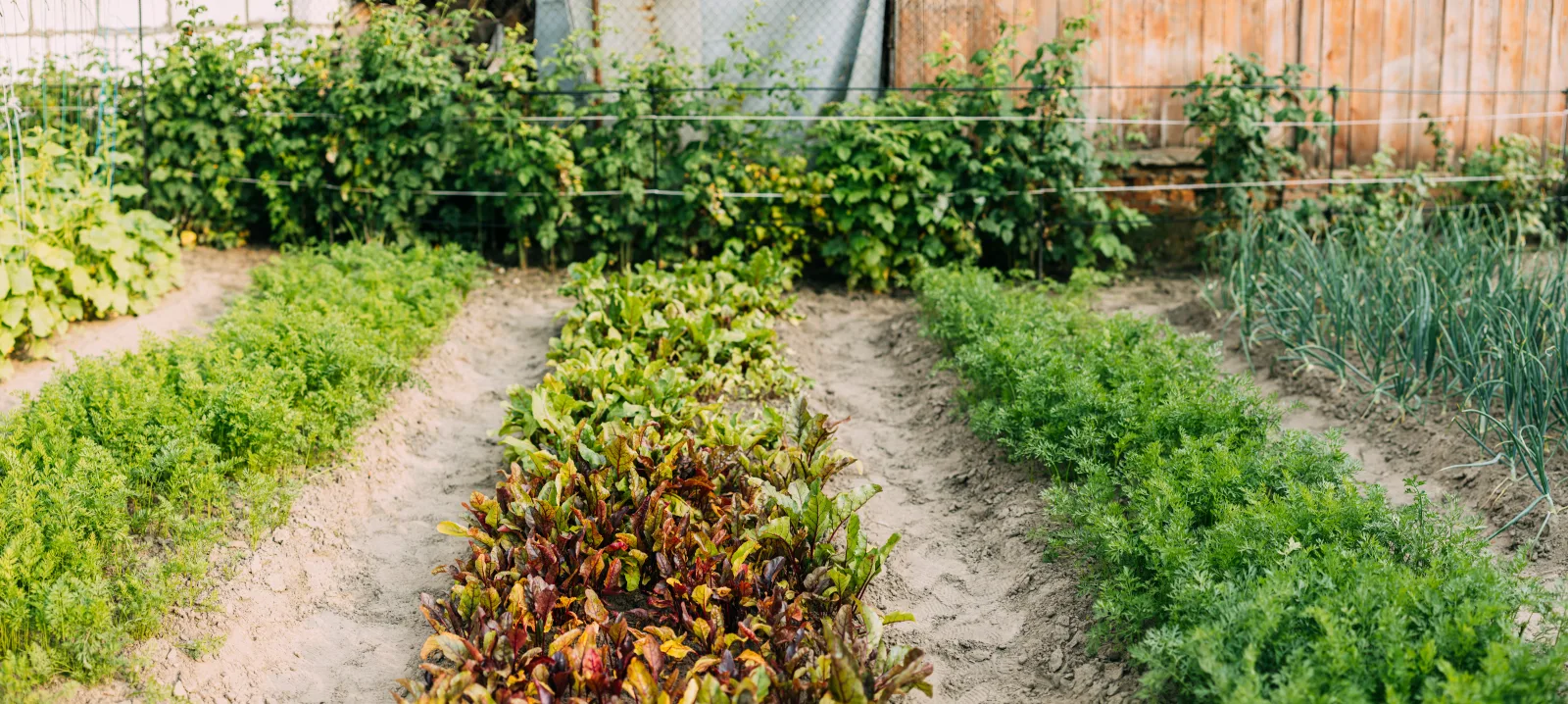

A July garden keeps you busy. You tie up cucumber vines, thin out the lettuce that has shot up too fast, pick the cherry tomatoes that have turned bright red — and before you know it, there's sweat on your forehead. If you're pregnant and starting to show, you might wonder whether this kind of work helps the baby, or whether it's simply too much. There's a study that looked at movement during pregnancy alongside what women were eating and when they gave birth, and it's worth a closer look.
Why activity alone doesn't tell the story
Researchers at a large maternity hospital in Romania followed 1,048 women who had just given birth. They sorted the women into four levels based on how much they moved during the final three months of pregnancy, and also surveyed what they typically ate. Garden work, housework, walking — all the ordinary ways a body gets used during the day counted here.
The more active a woman was, the more generously she ate fruits and vegetables. Measured against individual recommended intakes, women in the most active group were roughly twice as likely as those in the least active group to be getting enough produce. So far, so expected.
More vegetables, but more sweets too
Here's the twist: the same women also ate more fast food, candy, chocolate, and sugary drinks — foods heavy on calories and light on nutrition. Highly active pregnant women were good about vegetables, but they were also adding more sugar and fried food to the plate. Being more active didn't tilt the whole diet in a healthier direction.
The likely explanation is simple: moving more makes you hungrier, and it's easy to reach for whatever snack is within arm's length. Activity level alone isn't enough to reassure you about what's on the table.
Not the most — the right amount
Among the women surveyed, 118 — a little more than one in ten — delivered before 37 weeks. But the lowest rate of early delivery didn't belong to the most active group. It belonged to the third level, just above the middle. Women in that range had fewer early deliveries than those who moved the least.
The takeaway isn't that more movement is always better, but that there's a right amount. That said, this study captured a single point in time, so it can't establish that movement directly changed when these women delivered. Still, the general direction — steady and moderate suits a pregnant body well — comes through clearly enough.
Gardening while pregnant, in practice
Garden work moves your body at a reasonable pitch and hands you fresh vegetables in return. Just keep two things in mind. Go out briefly and often rather than pushing through everything in one long session, and when you come in sweating, reach for a cucumber or cherry tomato you just picked instead of a sweet snack. Start with something simple: put a handful of today's harvest straight onto the dinner table.
Source: a study on physical activity, diet, and preterm birth during pregnancy, published in the international journal Nutrients.