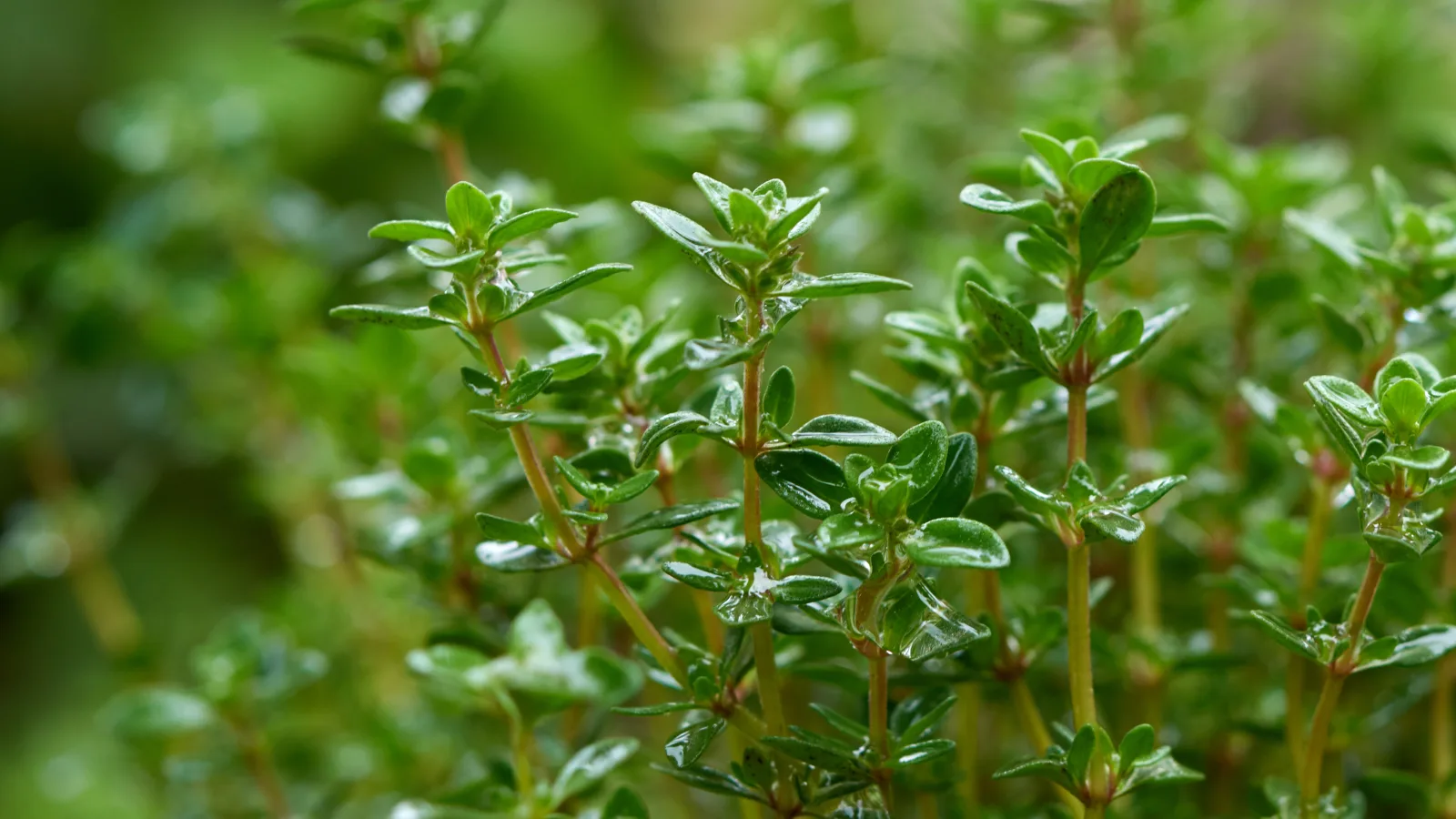
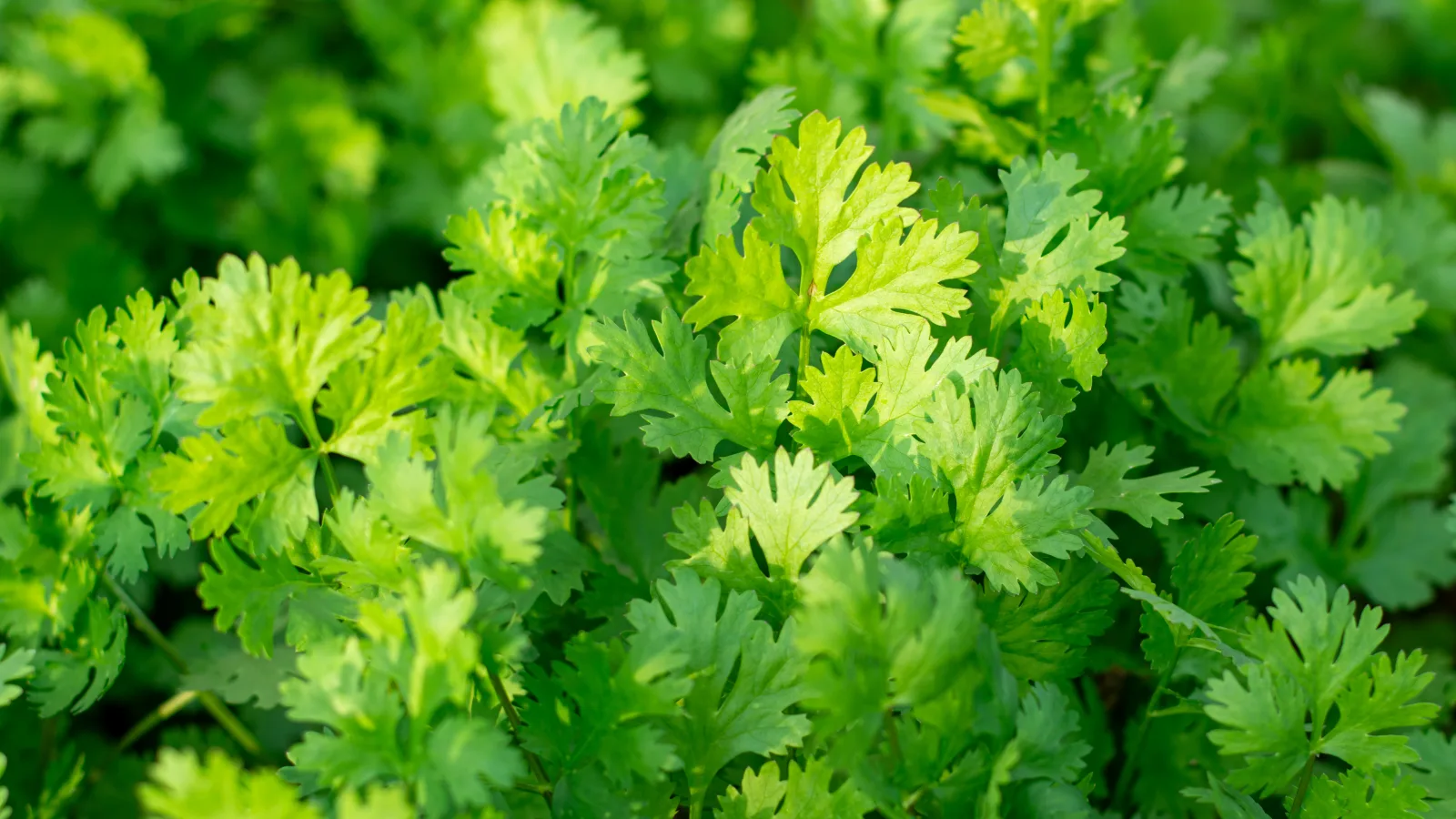
If you've grown cilantro for a season or two, this scene will feel familiar. The seeds sprout just fine, but the stems come in thin, the leaves yellow quickly, and the fragrance turns faint. You watered it, you fed it, and still you end up blaming the variety. One overlooked cause is a shortage of silicon.
Why cilantro and silicon are connected
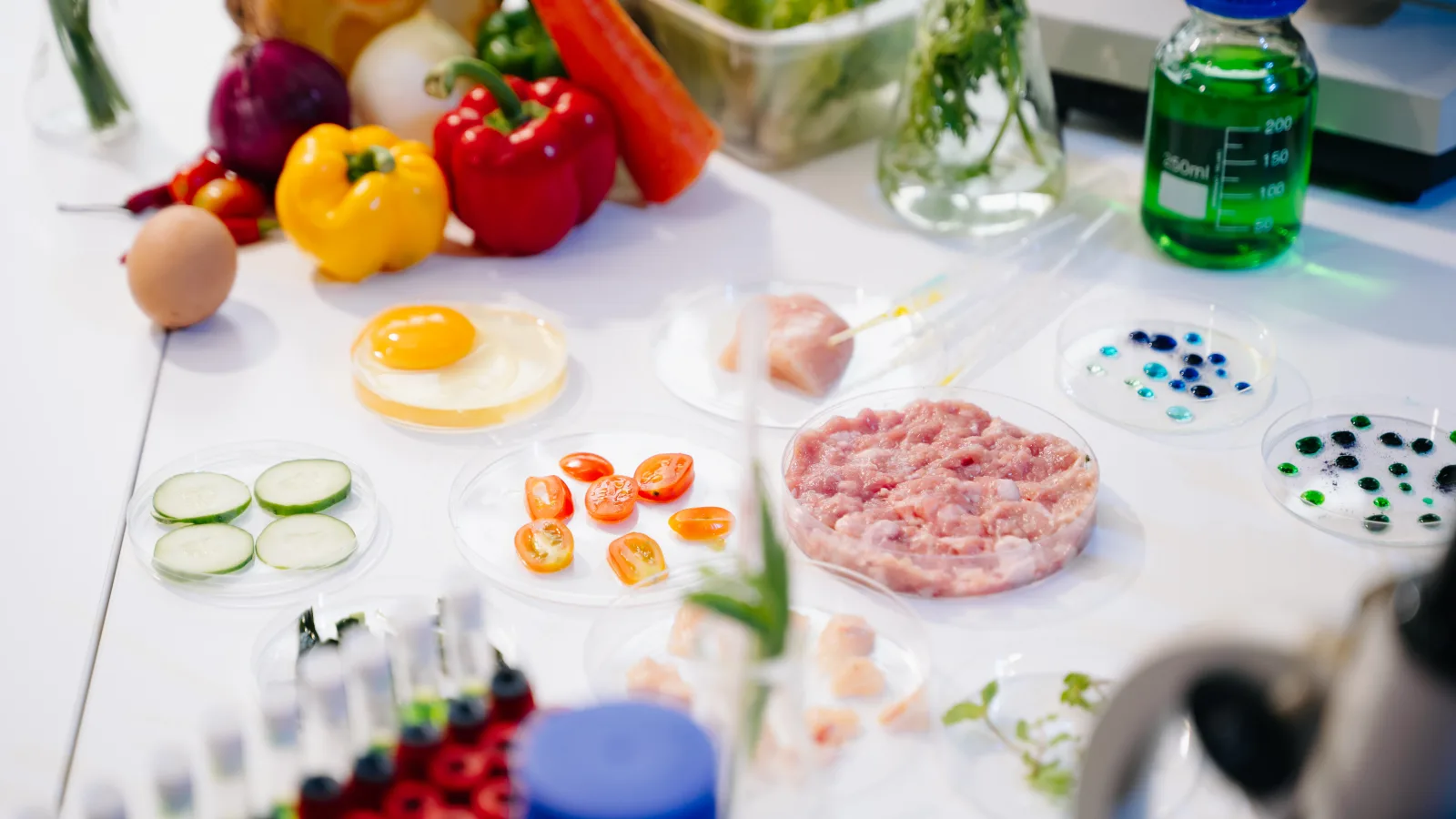
It's not that soil contains no silicon at all. The problem is that the form of silicon plants can actually absorb is often scarcer than you'd expect. At an agricultural research institute in Coimbatore, India, scientists grew cilantro (coriander, Coriandrum sativum) in silicon-deficient soil and tracked the results. Plants given supplemental silicon grew up to about 60% taller than those that weren't. The silicon that accumulated in their leaves was 84 to 88% higher than in the untreated control plants.
Silicon stiffens cell walls and boosts the activity of antioxidant enzymes such as catalase, peroxidase, and superoxide dismutase. When those enzymes are working hard, the plant suffers less oxidative damage from outside stress, and its leaves stay fresh longer. The same pattern showed up in cilantro.
Working rice husk ash into the soil
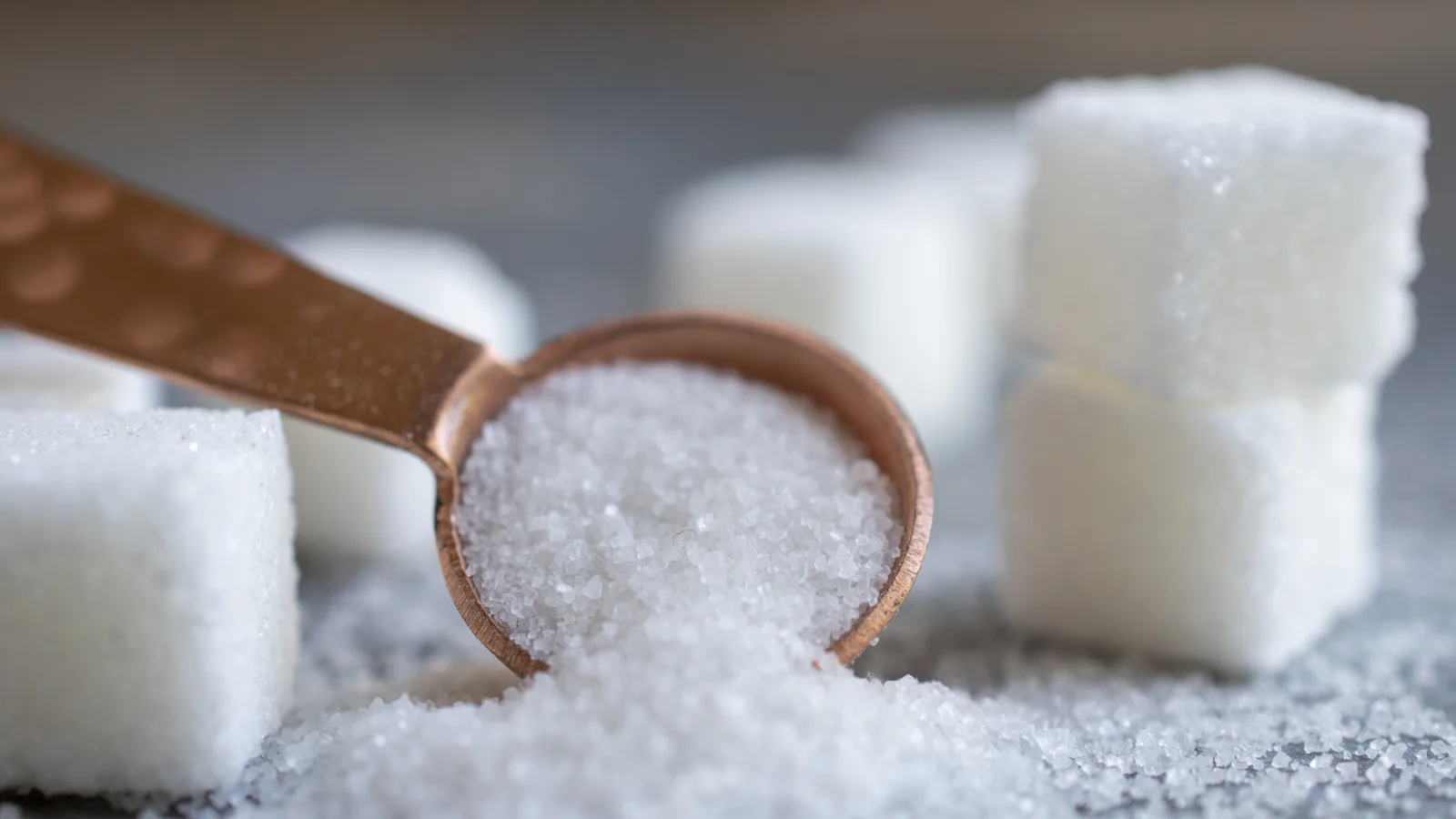
There are manufactured options for supplying silicon, like calcium silicate (CaSiO₃), but rice husk ash is far easier to get your hands on. The ash left behind from burning rice husks contains silicon in a form plants readily take up.
In this study, a generous dose of rice husk ash raised cilantro leaf yield by 53.8% over the control — practically the same as using the same amount of calcium silicate (52.1%). For a home garden where calcium silicate is hard to find, rice husk ash makes a perfectly good substitute.
Scaled down to garden proportions, the amount used in the study works out to roughly 27 to 30 grams of rice husk ash per square meter. Mix it evenly into the soil two to three weeks before sowing.
What changes when you add soil bacteria
The biggest shift in this study came not from rice husk ash alone, but from pairing it with the soil bacterium Bacillus altitudinis SSB4. Total soluble protein in the leaves jumped 194.8% above the control. Levels of total phenolics and ascorbic acid (vitamin C) rose right along with it.
Total soluble protein is a measure of how actively a plant's metabolism is running. If you're growing garden greens to eat well, it's worth knowing that silicon and beneficial microbes can affect the nutritional density of the leaves, too. That said, these figures come from a field trial using one specific bacterial strain, so treat them as a sign of the direction to expect rather than numbers you'll match in your own plot.
Bacillus-type strains are sold commercially as agricultural microbial inoculants. The simplest way to use one is to mix it into the soil along with the rice husk ash, just before sowing.
You can pick up rice husks from a rice mill or a local farm, and you can burn them down to ash yourself. Buying a small amount of calcium silicate is fine too. If you're planting cilantro again this spring, work this into your soil prep just once and see what happens.
Reference: BMC Plant Biology, 2026 · Morpho-physiological and biochemical response of coriander to silicon with bacterial inoculants in silicon-deficient soil