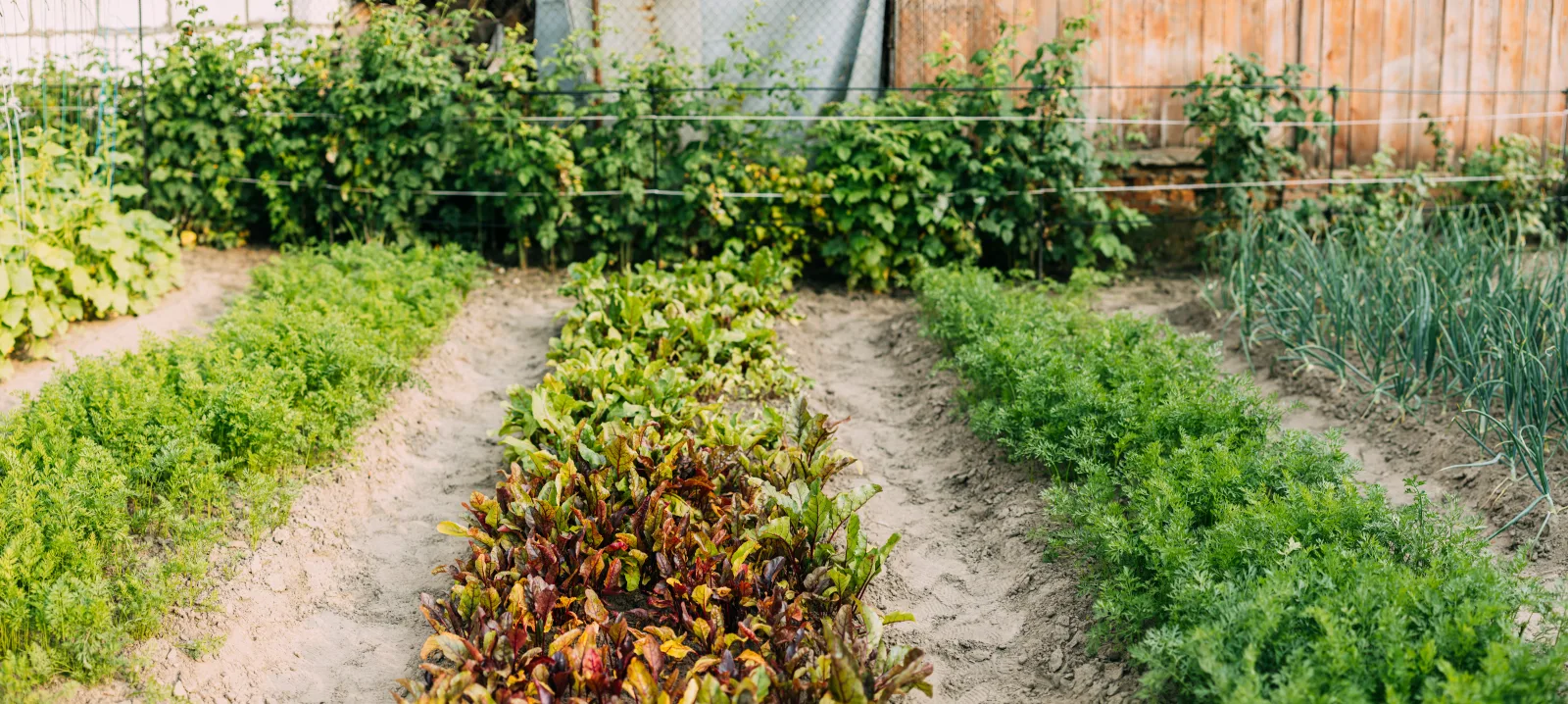
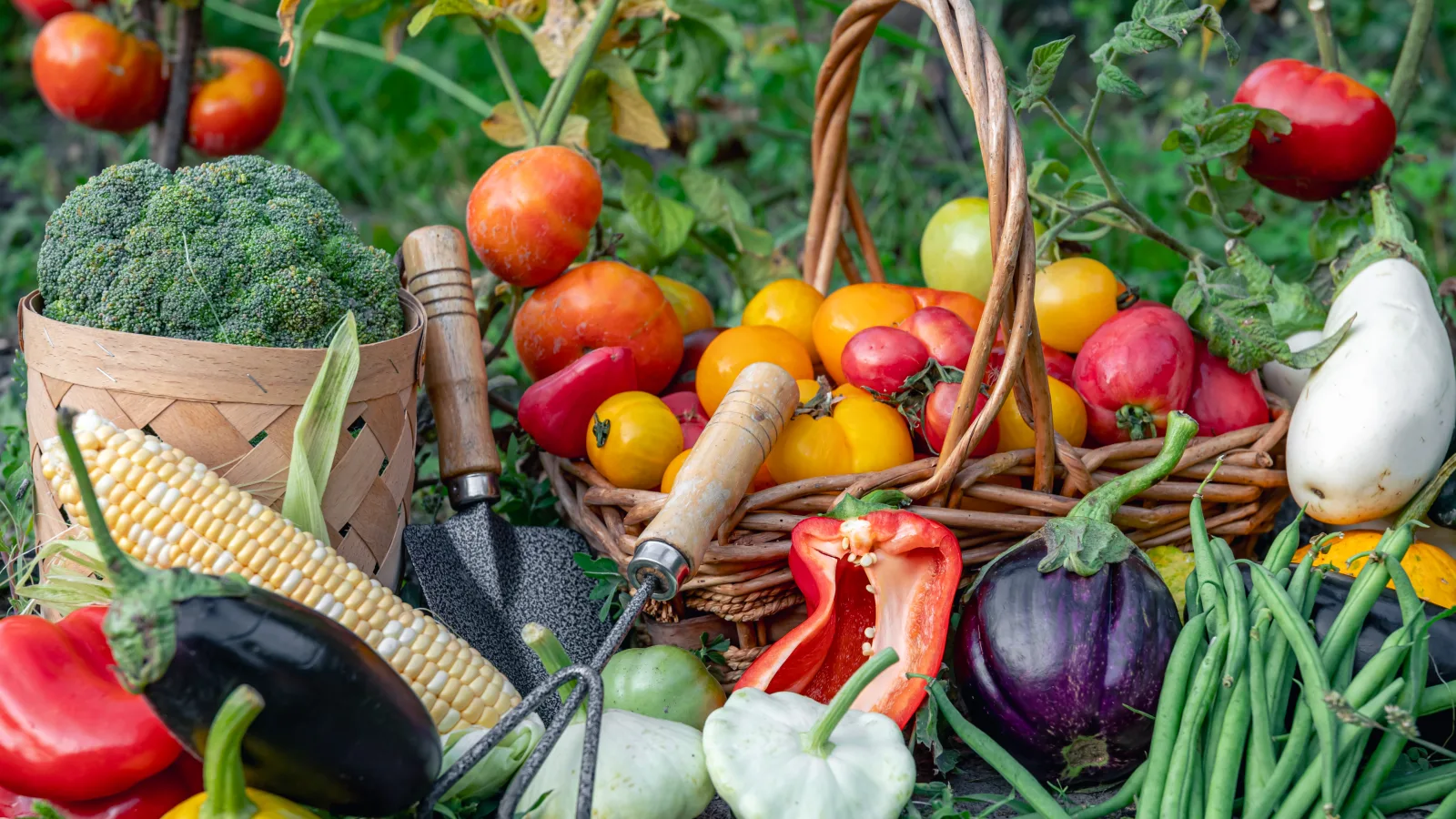
A July garden asks for your hands morning and night. Tomatoes turn soft if you're a single day late, and peppers and eggplants thicken up in two. The lettuce bolted in the heat and has already been pulled, but the perilla and garlic chives keep pushing out new leaves. In the evening I rinse whatever I've picked and put it straight on the table.
Could a meal like that have anything to do with your memory decades from now? A study published this year followed 1,865 Swedes aged 60 and older for as long as 15 years. What stood out was a finding among people whose brains had already begun showing Alzheimer's-related changes.
A Table That Stirs Up Less Inflammation
The researchers surveyed participants' diets repeatedly over six years and scored them three ways: adherence to a Mediterranean diet, a healthy eating index developed in the United States, and an anti-inflammatory diet score. That last score rises when a diet contains fewer foods that drive up the body's inflammatory response and more foods that tamp it down.
On the point-raising side: leafy greens, deeply colored vegetables, yellow vegetables, tomatoes, whole grains, coffee, and tea. On the point-lowering side: processed and red meat, refined grains, fried food, and sugary drinks. A good share of what a garden produces in summer lands on the first list.
When low-grade inflammation runs long enough, blood vessels and brain cells both take the strain. The share of people whose inflammatory response never quite settles down grows with age — and diet is one of the few conditions you can change every single day.
Even After the Brain Has Started to Change
At the outset, participants gave blood samples measured for protein markers associated with Alzheimer's changes, along with markers of nerve cell damage and glial cell activity. Over an average of 8.4 years of follow-up, 240 people were diagnosed with dementia.
Higher Mediterranean and healthy eating index scores were linked to lower dementia risk — but mainly among people whose biomarkers were low. The anti-inflammatory diet, by contrast, was linked to lower risk even among people whose markers had already risen. Each one-point increase in that score came with a dementia risk roughly 30% lower. In other words, there may still be room for diet to matter after changes in the brain have begun.
That said, this was an observational study following people's eating habits over time, so it's too early to say that diet prevents dementia. People who eat well also tend to move more and sleep on a regular schedule, and those effects are tangled up in the results. The researchers themselves put it no more strongly than a possible role in prevention.
What to Reach for in a Summer Garden
Most of the point-raising ingredients are already out there in the garden. There isn't much you'd need to go buy.
- Put out a plate a day of the greens that keep leafing through the heat — perilla, garlic chives, Swiss chard.
- Cook tomatoes with a little oil; you'll absorb more of their lycopene that way.
- Grill or steam eggplant and summer squash instead of frying them. Fried food sits on the point-lowering side.
- Mix barley or brown rice into your white rice, and cut back on the processed meat that so often shows up as a side dish.
Tonight, rinse the perilla and tomatoes you picked and set out one more plate.
Reference — Swedish National Study on Aging and Care in Kungsholmen (SNAC-K), published in JAMA Network Open, 2026