When you're out in the summer garden filling a bag with lettuce and perilla leaves, it's hard not to wonder whose dinner they'll end up on tonight. At my parents' house, a medication schedule is taped to the refrigerator door, and the drawer beside the table keeps collecting pill packets. Something for diabetes, something for blood pressure, something for cholesterol, an antiplatelet drug on top of that. They promised to take every last one when they were discharged from the hospital. About six months in, a dose here and there quietly starts going missing.
Six Months After Discharge, the Pills Start Dropping Off
A clinical study at a hospital in Qinhuangdao, China, followed 200 older adults for a year after they went home. All of them were living with type 2 diabetes plus either coronary artery disease or a past stroke. Half received nothing more than the standard discharge instructions. The other half went through individualized health education while they were still admitted, then kept regular appointments at a neighborhood clinic afterward, with ongoing coaching on food and movement.
A year later, the two groups had pulled apart. Among those who got instructions only, adherence slipped across the board. Among those who stayed in the program, it held right where it started — diabetes drugs, statins, blood pressure medication, all of it. The share who quit smoking rose noticeably in the managed group alone.
The more telling finding involved the kidneys. Both groups brought down their A1C and their LDL, the so-called bad cholesterol. But creatinine improved only in the group that stayed in the program. In the instructions-only group, kidney function actually got worse. Which is to say: whether someone keeps taking their medicine is not a question that ends with a single blood sugar number.
What Actually Changed at the Table
Here is how the plates shifted for the people in the study who got dietary coaching. Nuts, dairy, vegetables, and seafood went up. Refined carbohydrates like white rice and white flour went down, along with meat and salt. No exotic superfood makes an appearance anywhere in that list. It is what grows in a garden and what you can buy at the market, and nothing else.
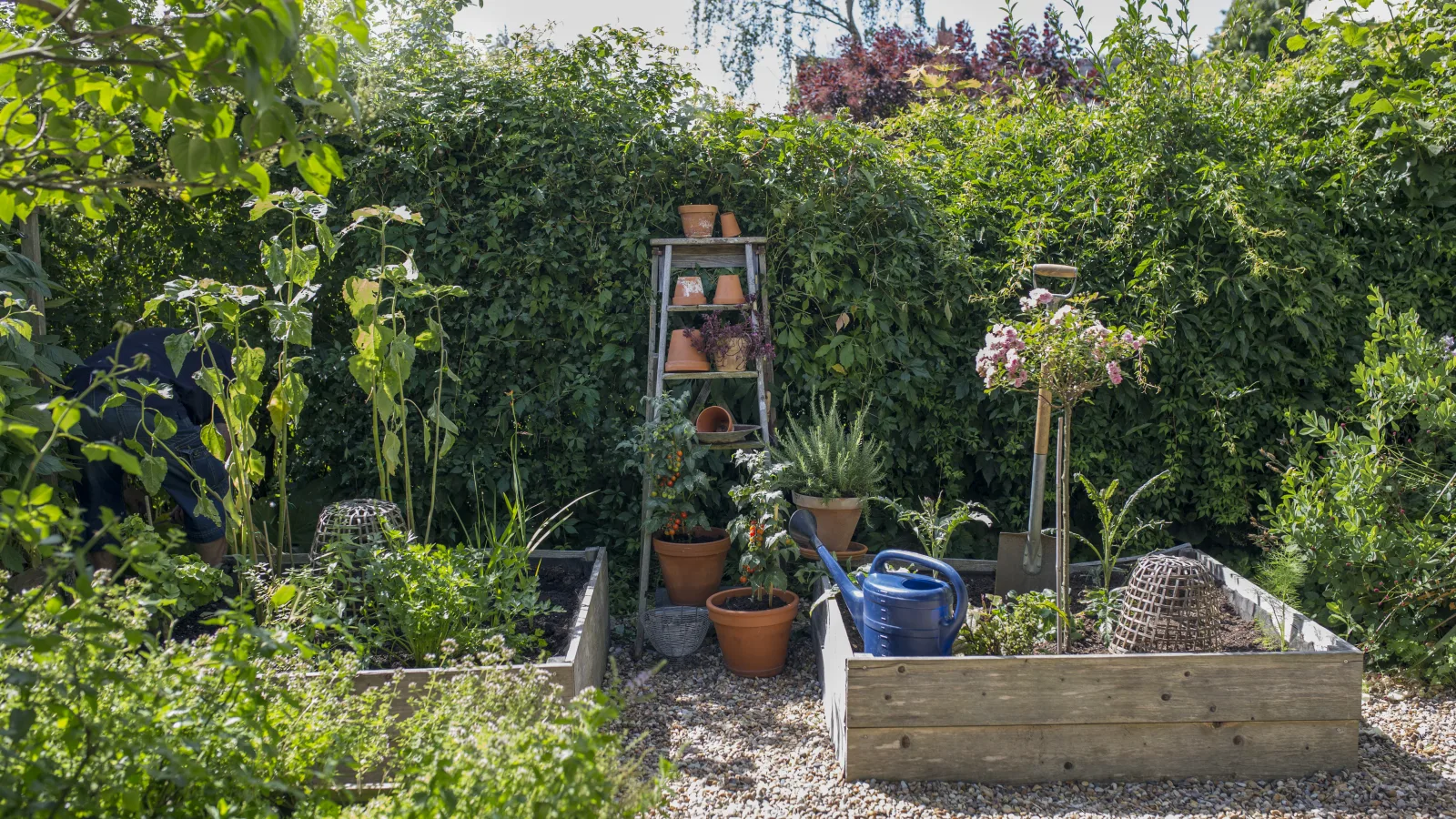
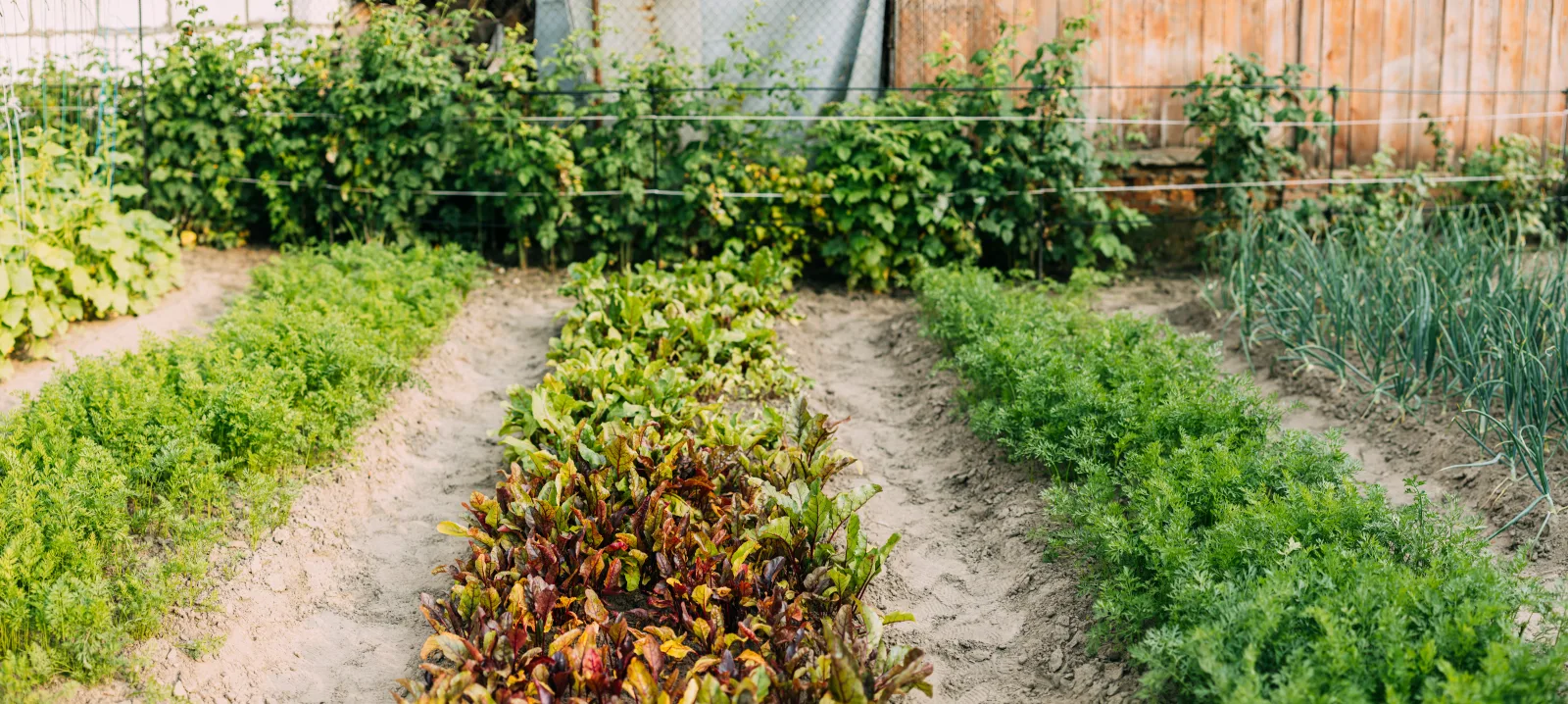
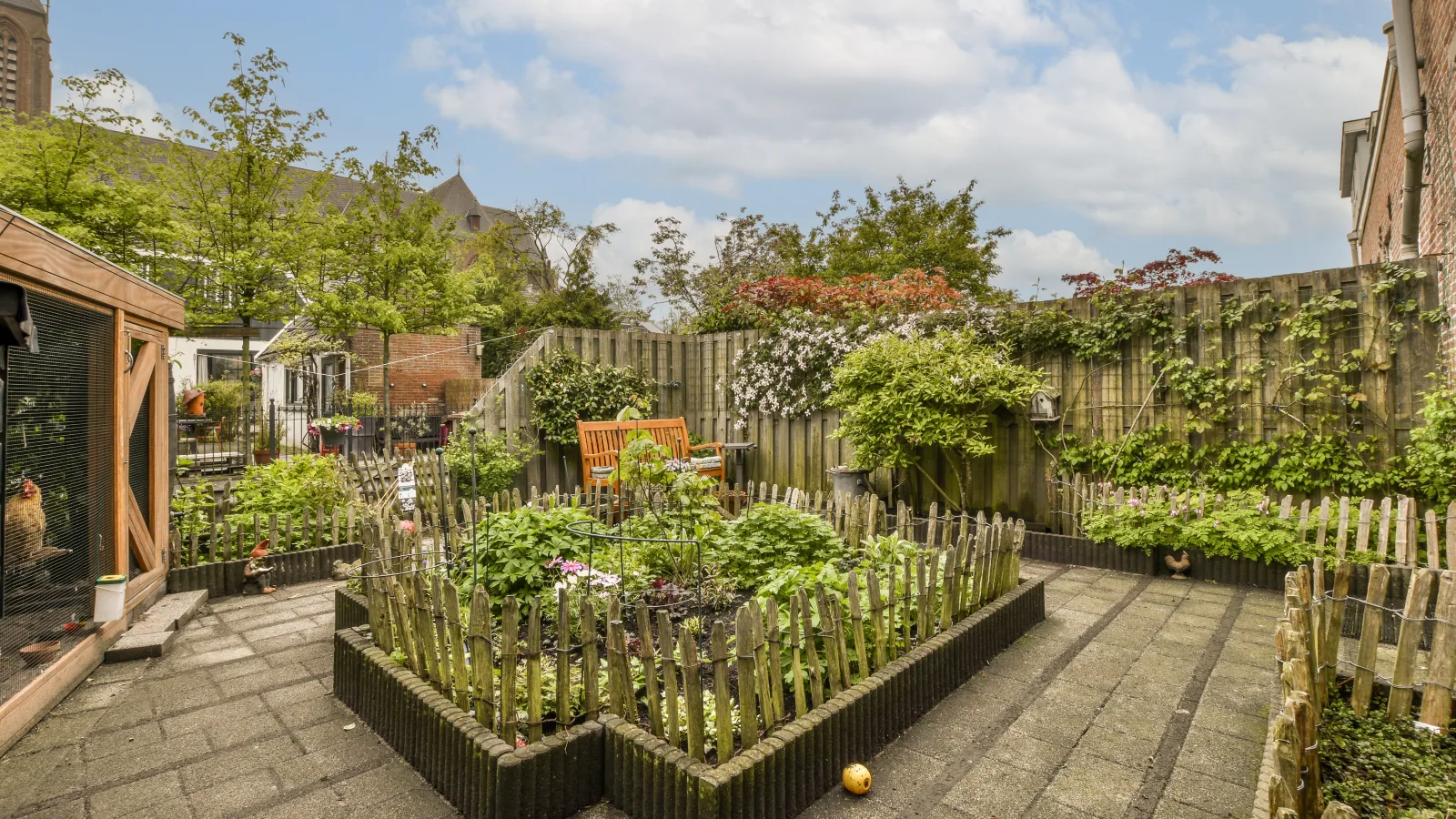
What a summer garden hands you lines up with it almost exactly. Cucumbers, lettuce, perilla leaves, young zucchini, eggplant, cherry tomatoes. They're low in calories and heavy with water and fiber, so they take up the room a second bowl of rice would have. Fiber also slows how quickly food leaves the stomach, which keeps blood sugar from spiking after a meal.
Cutting salt is the hardest part. A garden gives you a way in, though. Cucumbers and cherry tomatoes picked that morning hold enough sweetness and tartness that they barely need seasoning at all. Perilla leaves and garlic chives are fragrant enough to do the work salt would have done. Trade a salty soup for a raw salad or a lightly dressed namul, and the sodium comes down with it.
What to Pick Today
If you're planning to send vegetables to your parents, try dividing them into single-meal portions instead of handing over one big bag. Two cucumbers, a handful of lettuce, ten cherry tomatoes to a bag — packed that way, less of it wilts in the back of the refrigerator.
Work some movement in while you're at it. In this study, the group whose physical activity scores rose was the group that stayed in the program. It doesn't have to be real exercise. Get them out to water the garden, hand them the job of picking lettuce, and that's thirty minutes of activity for the day. You could also set aside one row of the bed and call it theirs.
- Pick summer vegetables in the morning and have them eaten the same day. They're at their most tender before the water leaves them.
- Mix in one strongly aromatic leafy green — perilla, garlic chives, crown daisy — and you'll reach for the salt less.
- Nuts, one handful a day. They don't come from the garden, but they're one of the things that went up in this study.
One thing worth saying plainly: vegetables do not replace medication. The people whose kidney numbers improved here were the ones who kept taking their pills and changed how they ate. Garden vegetables handle the eating half. Let the medicine be the medicine, and send the vegetables as vegetables.
When you head out to water today, set two cucumbers aside. Take them with you when you stop by your parents' place tonight.
Source: PLoS One, a study on primary care management of cardiovascular and metabolic disease in older adults at the First Hospital of Qinhuangdao