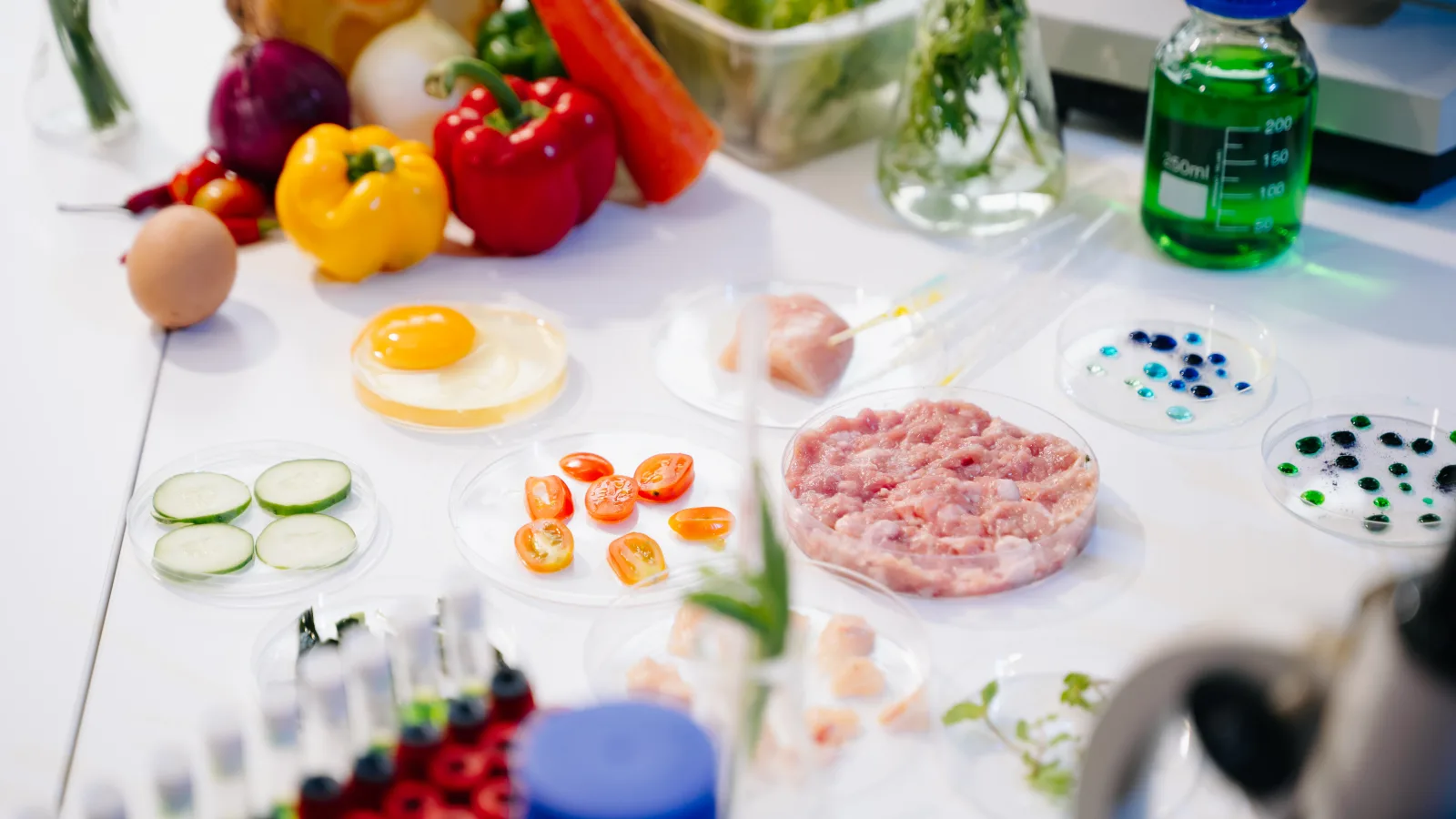
When you pick a handful of cherry tomatoes from the garden, you're harvesting something far more complex than the figures on a nutrition label. Scientists have so far catalogued more than 26,000 chemicals in our food. Yet the items listed on a nutrition label number only a few dozen.
What the Label Can't Capture
Carbohydrates, protein, fat, vitamins, minerals. These are the things we usually look at when we judge a food. But nutrition scientists are paying attention to compounds that never make it onto the label at all. These are the secondary metabolites that plants produce on their own, forming broad families like polyphenols, flavonoids, and carotenoids.
A research team at The Scripps Research Institute has estimated that more than half of the chemicals in our food have functions that remain unidentified. How these unknown compounds interact with the gut microbiome, and what effect they have on inflammation-related pathways, is still an open question under active study.
What Vegetables Make
Garden vegetables produce a wide range of compounds as they respond to the stresses of sunlight, temperature, soil, and pests. The allicin in garlic, the sulforaphane in broccoli, and the lycopene in tomatoes are among the better-known ones. Researchers find that these compounds tend to behave differently when mixed together than they do in isolation.
Observational studies have long pointed to the heart-health benefits of the Mediterranean diet. Yet when researchers isolate just the oleic acid in olive oil or the fiber in vegetables and test it on its own, the effect often fails to reproduce in full. The explanation appears to lie in the interactions that emerge only when the compounds are present together.
What Disappears in Processing
Over the past few decades, as ultra-processed foods have proliferated, food scientists have confirmed that processing sharply reduces or strips out polyphenols and other plant-based secondary metabolites. In the course of removing or adding specific ingredients for flavor, color, and shelf life, the original blend of compounds a food once carried gets rearranged.
Even with the same tomato, there's a difference in composition—beyond lycopene—between one you grow yourself and eat that day and one that's been heat-treated and packaged. Some compounds become concentrated by heat; others vanish. Once you factor in the compounds whose functions are still unknown, science can't yet say with any precision just how wide that gap really is.
What a Garden Can Add
Of the unknown compounds in our food, researchers say: "We know they're there, but we don't know what they do." Eating a wider variety of foods, and choosing foods that go through fewer processing steps, raises the odds of taking in more of these unknown compounds.
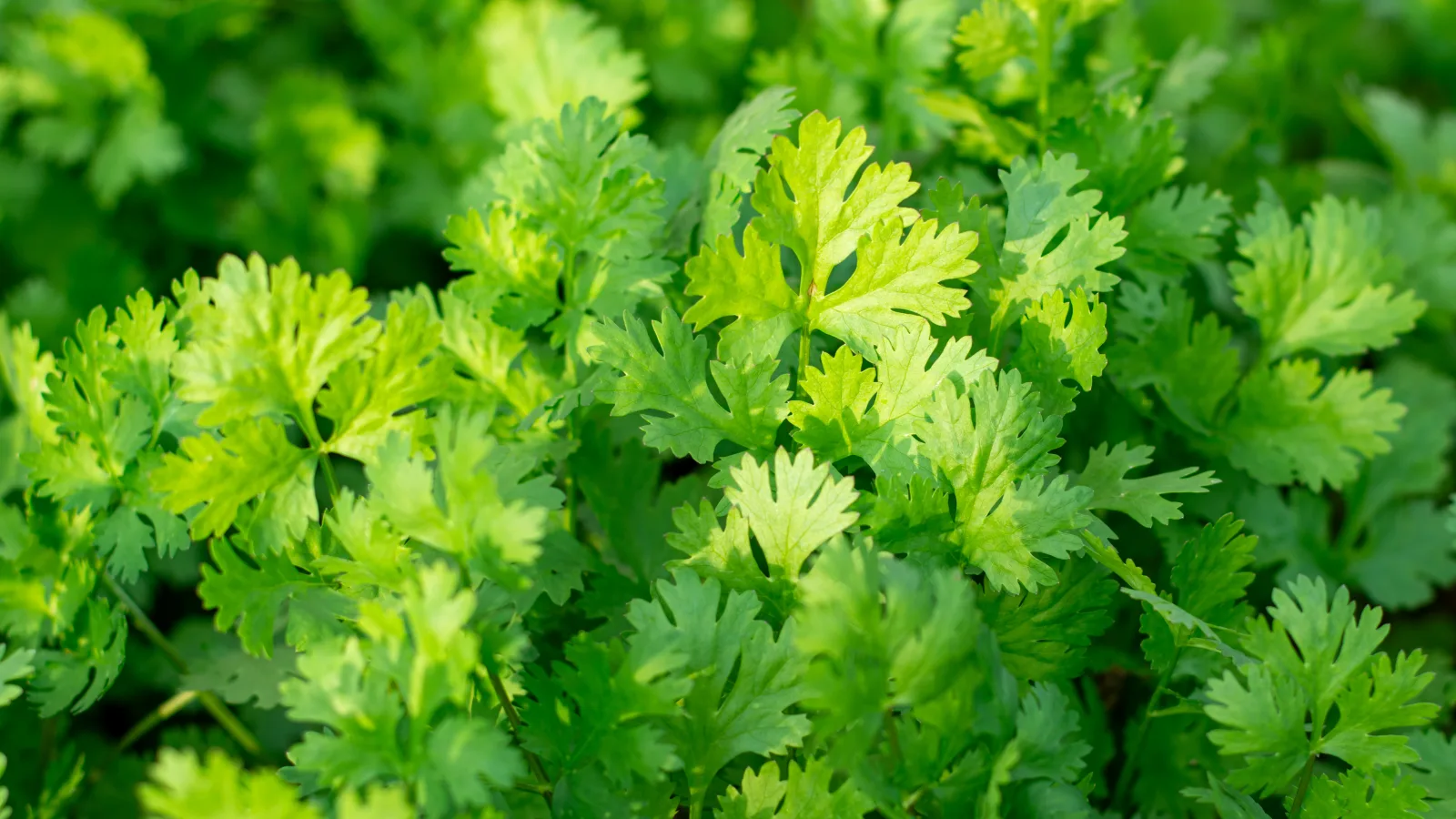
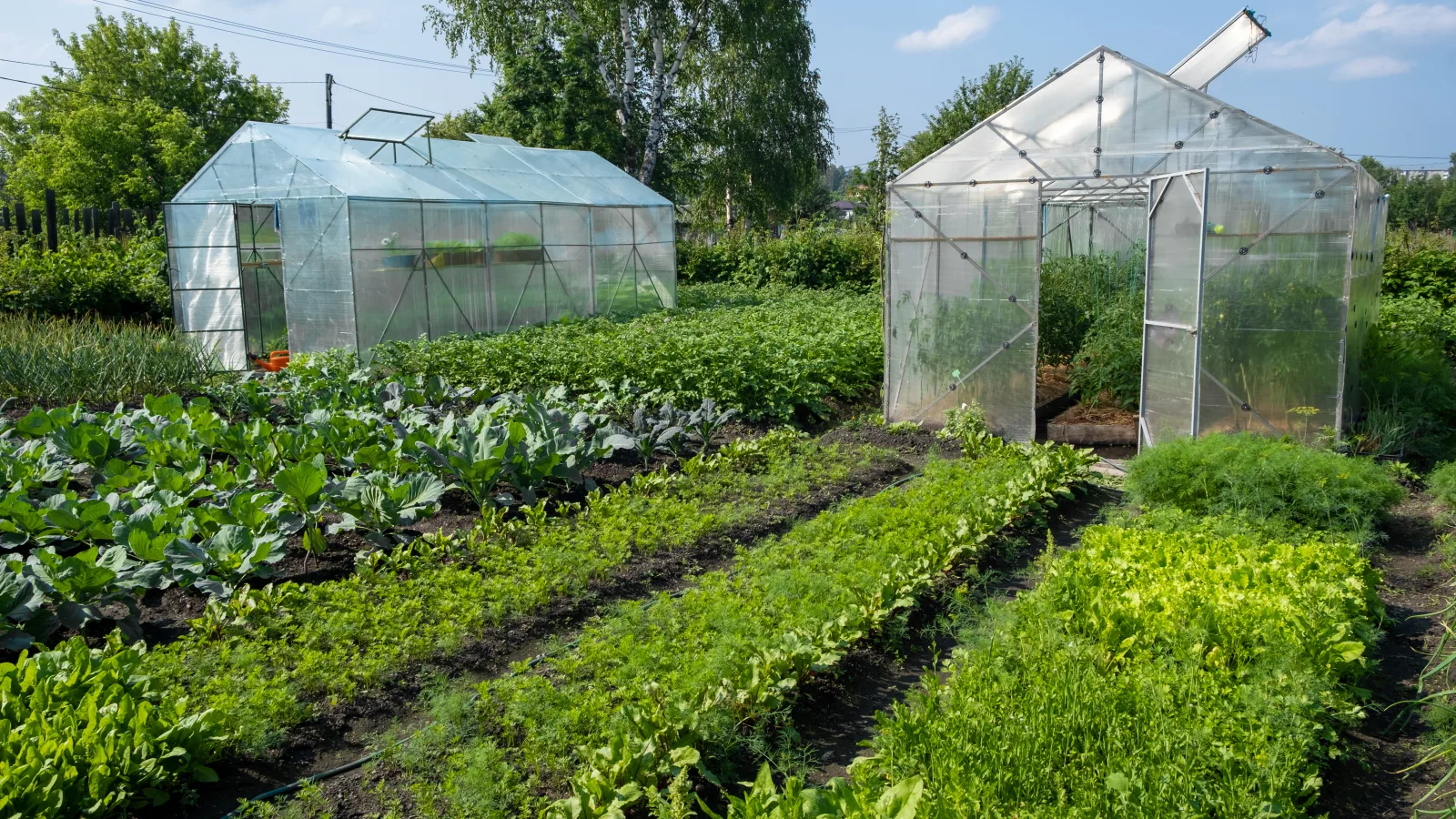
This is where tending a garden takes on meaning. Planting basil next to your cherry tomatoes and adding a sprig of cilantro is the most direct way to diversify the mix of compounds on your table. Choosing several varieties over one, and a mix of vegetables over a single crop, is the practice that comes closest to what the research so far suggests.
So plant one more row in the garden today. For the sake of everything that isn't on the label, but is surely there.
Sources: The Scripps Research Institute food chemical database research / U.S. Department of Agriculture (USDA) food composition database / International Journal of Epidemiology study on the Mediterranean diet