Set a bowl of cherry tomatoes from the summer garden on the counter and within a few days they start to go soft. Pop a blueberry from the same plate into your mouth and you may have wondered: why can't our bodies take in all the good things plants make? A recent study offers something close to an answer.
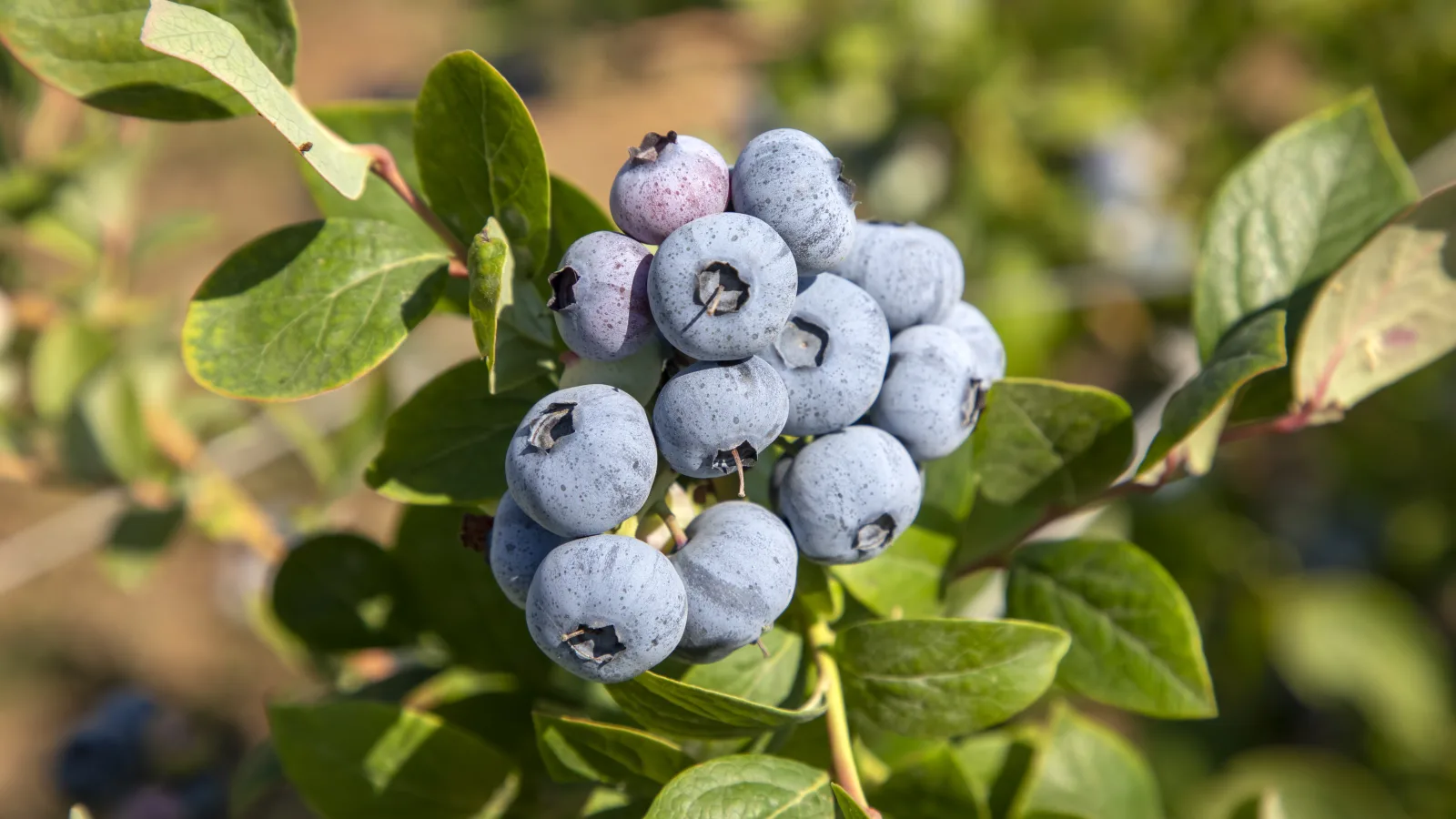
Myricetin, found in blueberries and grape skins
Myricetin is a flavonoid — one of the pigment compounds plants produce. You'll find it in foods like these:
- Berries such as blueberries and cranberries
- Grapes, especially in the skin
- Walnuts, onions, and parsley
- Green tea
In the body, myricetin works as an antioxidant, slowing oxidation, and it also holds bacterial growth in check. There's one catch, though. Myricetin barely dissolves in water. However good a compound may be, if it won't dissolve, the body has a hard time absorbing and using it.
AI as matchmaker
The research team went looking for a way to make myricetin dissolve better. Myricetin clumps into hard crystals that don't mix well with water — but attach the right partner molecule and those crystals loosen up, and it dissolves far more readily. The two compounds are combined into a new, non-crystalline material.
The trouble is that testing candidate molecules one at a time, in the lab, takes forever. So the team built a method that uses machine learning and large language models to screen for the pairings most likely to work before any bench work begins. Following that approach, they produced three new myricetin-based materials — and analysis confirmed that all three had lost their crystalline structure.
Stronger antioxidant power, longer-lasting tomatoes
The paired materials sharply increased how well myricetin wetted in water and how much of it was released during digestion. Antioxidant capacity rose along with it, and the compound's ability to suppress bacteria grew stronger. Against E. coli in particular, that suppressing power was two to three times greater than myricetin used on its own.
The part gardeners will like best is the tomato storage test. Tomatoes treated with the material softened more slowly than untreated ones and stayed fresh longer. These are still lab results, so nothing here is headed to your dinner table tomorrow. Still, it's a study that points toward getting more out of what plants already contain.
What you can do at today's table
You can't make the material at home, but you can put myricetin-rich foods on the table today. Drop a pack of blueberries or a bunch of grapes in your cart. If they're the kind you eat skin and all, leave the skins on — that's where more of the myricetin is. And if you've just harvested cherry tomatoes from the garden, eat the ripest ones first rather than leaving them out at room temperature.
Source: a study on a screening platform for food-derived bioactive compound materials, published in the international journal Food Chemistry.