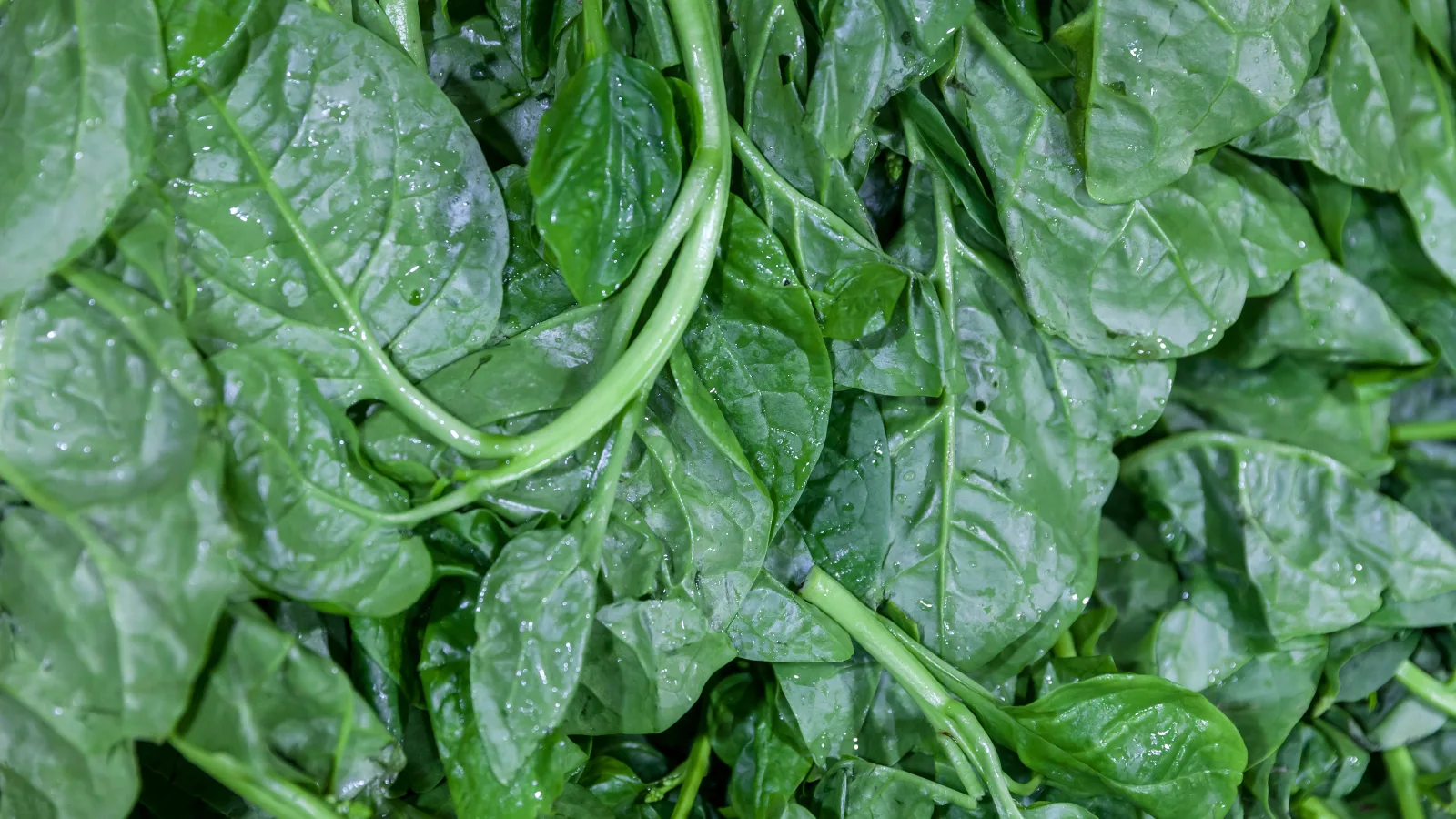
Once you've tucked your lettuce seedlings into the ground, the condition of the soil does most of the deciding. You can add all the fertilizer you like, but if the soil itself can't hold water, the roots never get to drink in enough of those nutrients. Meanwhile, out on working farms, harvesting crops like spinach, radicchio (red chicory), and endive leaves behind mountains of leftover leaves and stems every single day. A study published in a 2026 international environmental journal takes on both of these problems at once.
Hydrothermal Carbonization: Turning Vegetable Scraps Into a Soil Amendment
Hydrothermal carbonization (HTC) is a process that transforms plant waste into a carbon-rich solid inside hot, high-pressure water. Unlike incineration, nothing is burned, and it produces a stable material far faster than ordinary composting does. The research team treated spinach, radicchio, and endive scraps under two sets of conditions: one at 180°C and 10 atmospheres of pressure (HC180), and another at 215°C and 20 atmospheres (HC215). The more intense the treatment, the denser the carbon became — but the amount of nitrogen and nutrients the plants could take up right away dropped off.
The Pot Trial: HC180 Takes the Lead on Lettuce Growth
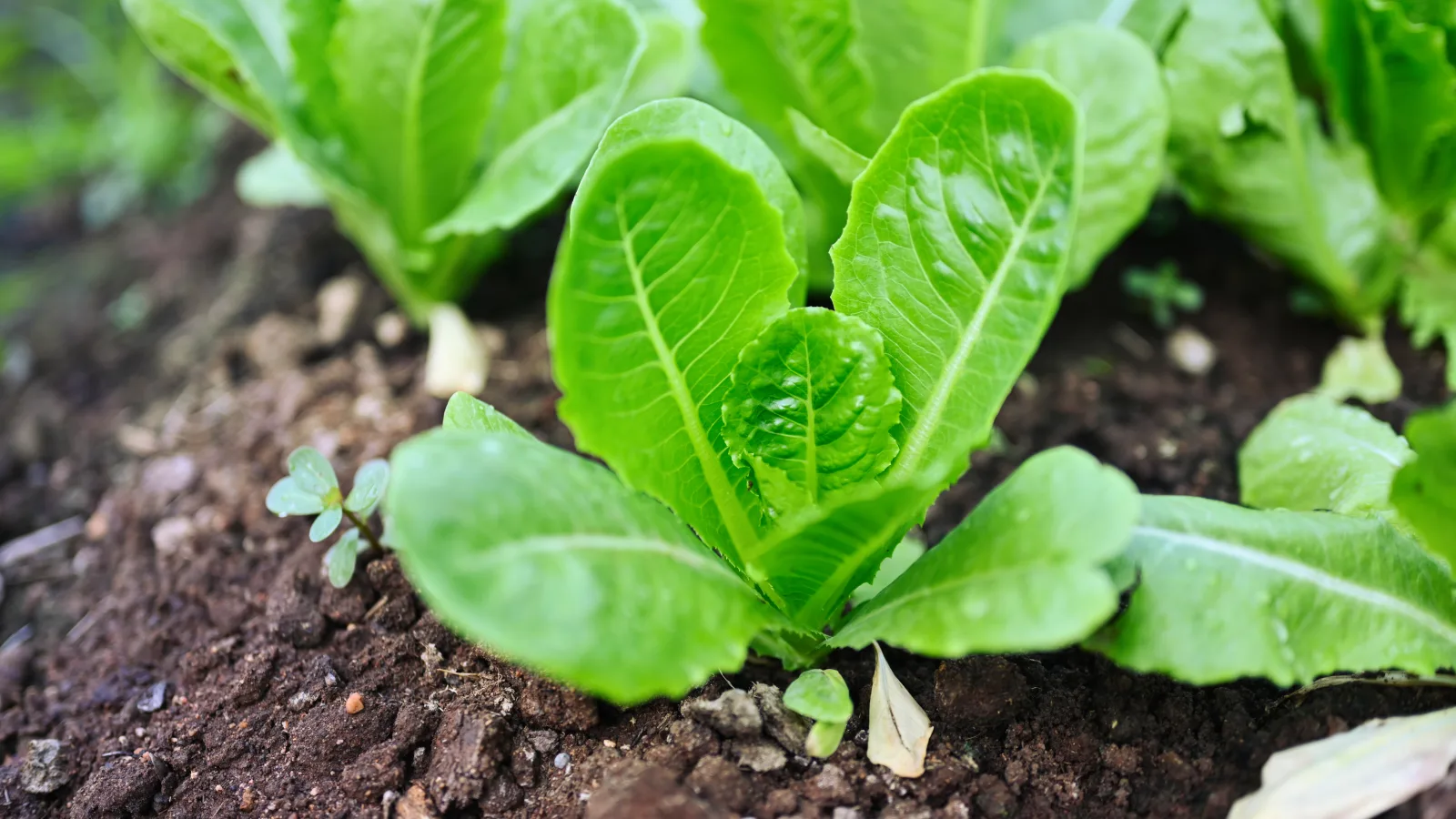
When the two hydrochars were blended into the soil and used to grow baby-leaf lettuce in greenhouse pots, the HC180 batch produced clear, visible growth in both the leaves above ground and the roots below. It kept pace with the control group grown on chemical fertilizer. The HC215 batch, on the other hand, showed no such benefit. The researchers suspect that HC180 stirred up microbial activity in the soil, which in turn helped the plants take up nutrients. HC180 also proved to be a sponge for moisture, holding as much as 2.82 grams of water per gram of material — a real help in keeping soil damp through dry spells.
What Changed Inside the Lettuce: Sugars and Amino Acids
Nuclear magnetic resonance (NMR) analysis confirmed that lettuce grown in HC180-amended soil carried higher levels of sugars and amino acids in its leaves. These are the compounds a plant leans on to make energy and to cope with environmental stress. The team describes HC180 as acting like a biostimulant, with both the nutrients it supplied and its interaction with soil microbes playing a part. That said, this trial took place in greenhouse pots, so whether the same results hold up in an open garden bed still needs further testing.
Something to Keep in Mind in Your Own Garden
Setting up hydrothermal carbonization equipment in a home garden simply isn't realistic. But the underlying idea — returning vegetable scraps to the soil — is no different from composting. After you harvest lettuce, spinach, or chicory, take the outer leaves and root ends you'd normally toss, chop them up small, and work them into your potting soil. As the microbes break them down, the soil slowly gets better at holding water and feeding your plants. So the next handful of lettuce leaves left over from today's harvest? Try laying it right on the surface of the pot.
Source: Environmental Research, 2026