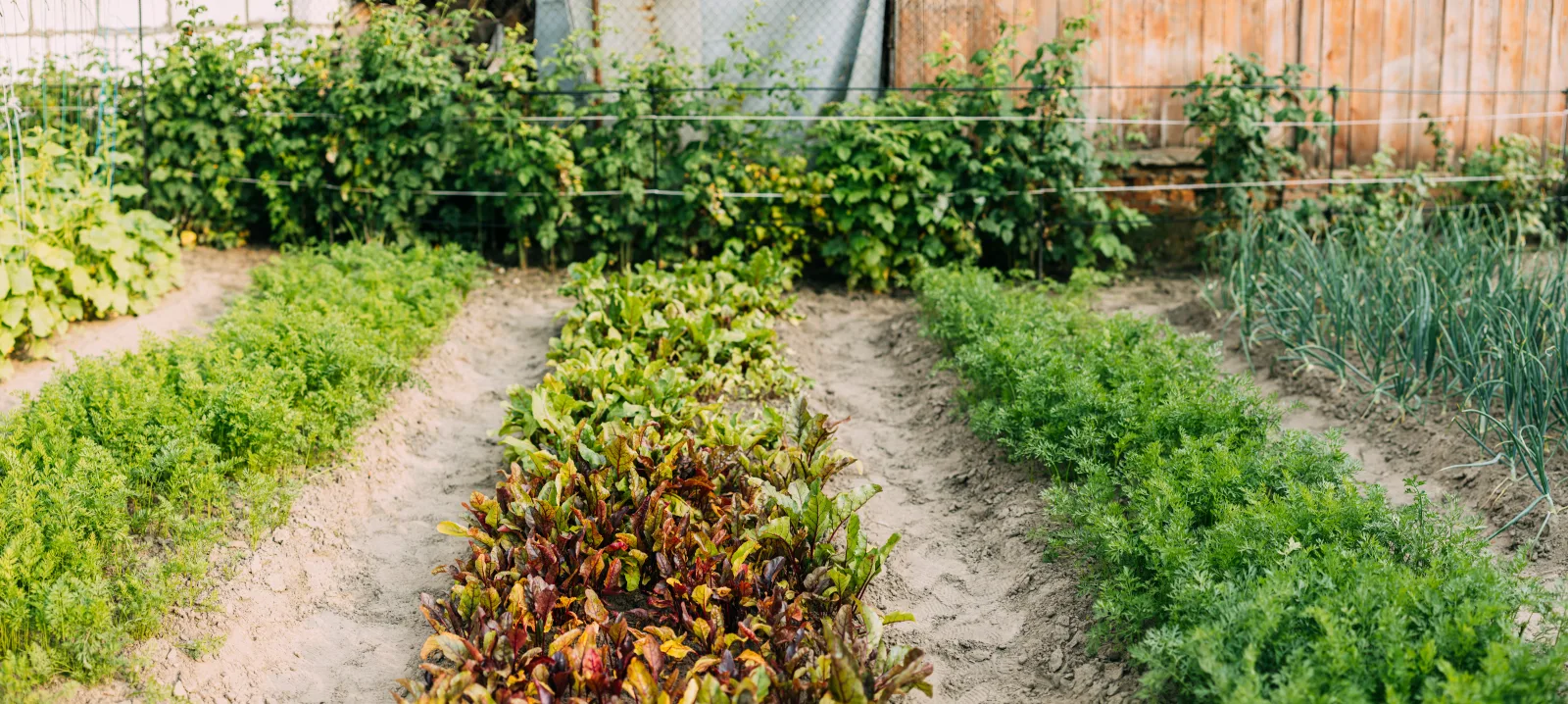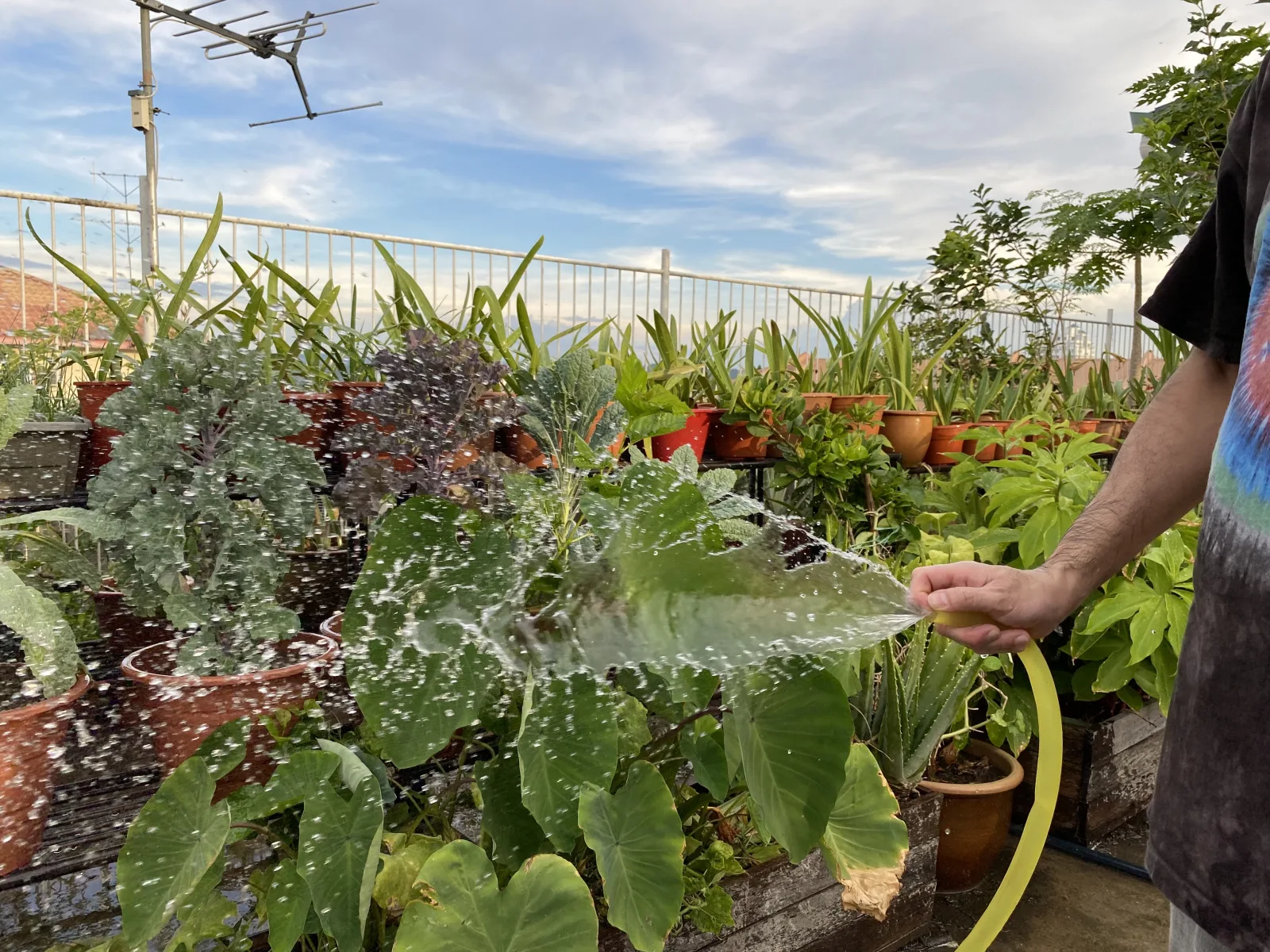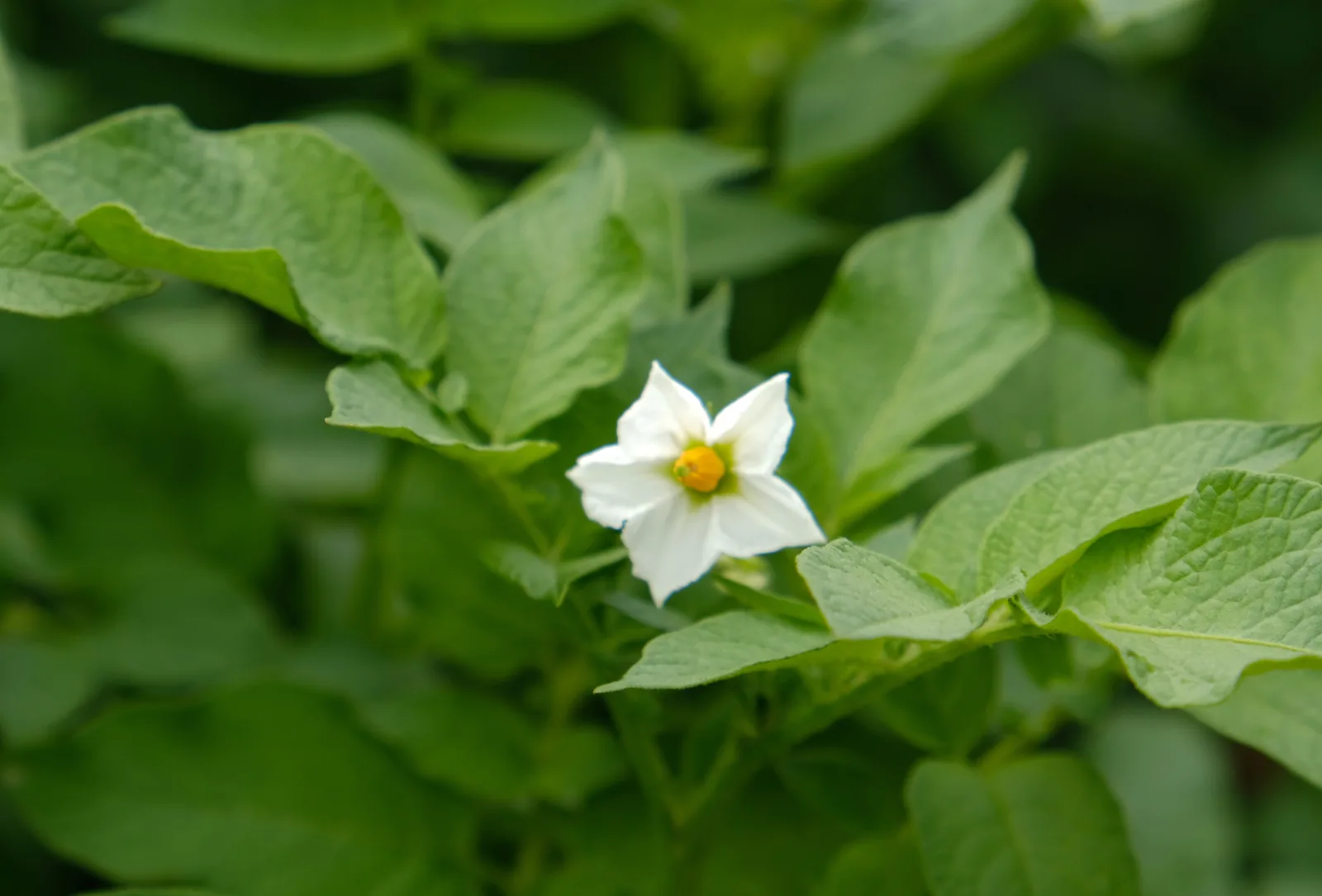
Spend a weekend turning over the beds in the garden, and the next morning your thighs and shoulders are stiff and sore. Garden work is exercise, after all. As it happens, over in the corner of the plot, the turmeric is letting its leaves droop while its roots fatten up. Dig it before the first frost, and as you clean the roots, your cutting board and fingertips turn yellow—the compound behind that color is curcumin.
Curcumin: The Compound That Turns Turmeric Root Yellow
Curcumin is the yellow pigment in turmeric root and its signature compound. In India and Southeast Asia it has long been used as a curry spice, and on the Korean table it shows up as turmeric powder or turmeric tea. What draws attention to curcumin in sports nutrition is how it works: an antioxidant action that lowers the surplus of free radicals in the body, and an action that calms the inflammatory response in muscle. Hard exercise causes tiny amounts of muscle damage and a rise in free radicals and inflammation, and the hope that curcumin might aid this recovery process has kept the research going.
Does It Really Help You Recover After a Workout?
In 2026, an international nutrition journal published a review that gathered and examined fifteen clinical studies on curcumin and exercise recovery. The most consistent signal, it found, was in oxidative stress caused by free radicals. In six of the seven studies that looked at it, the people taking curcumin showed improved oxidative markers. Markers of muscle damage improved too, in four of six studies.
Inflammation and exercise capacity, by contrast, were a mixed bag. A benefit turned up for inflammatory markers in only three of eight studies, for subjective recovery—things like soreness and fatigue—in three of seven, and for actual exercise performance in four of eight.
Still Reason for Caution
The researchers added, though, that these findings should be taken with caution. The studies they pooled generally had few participants, and the type of exercise, the timing of the dose, and the form of the turmeric product all varied from one study to the next. When they graded the certainty of the evidence, oxidative stress rated "low" and everything else rated "very low." So it's too early to say turmeric reliably delivers on recovery. What we know so far is that it showed promise on the oxidative-stress side, and that we need more rigorous studies in well-trained athletes.
A Few Ways to Enjoy Your Homegrown Turmeric
Health benefits aside, turmeric is a root vegetable worth keeping on the table. Here are a few ways to enjoy the turmeric you've dug up.
- Slice fresh turmeric thin, steep it in honey, then stir a spoonful into warm water for tea.
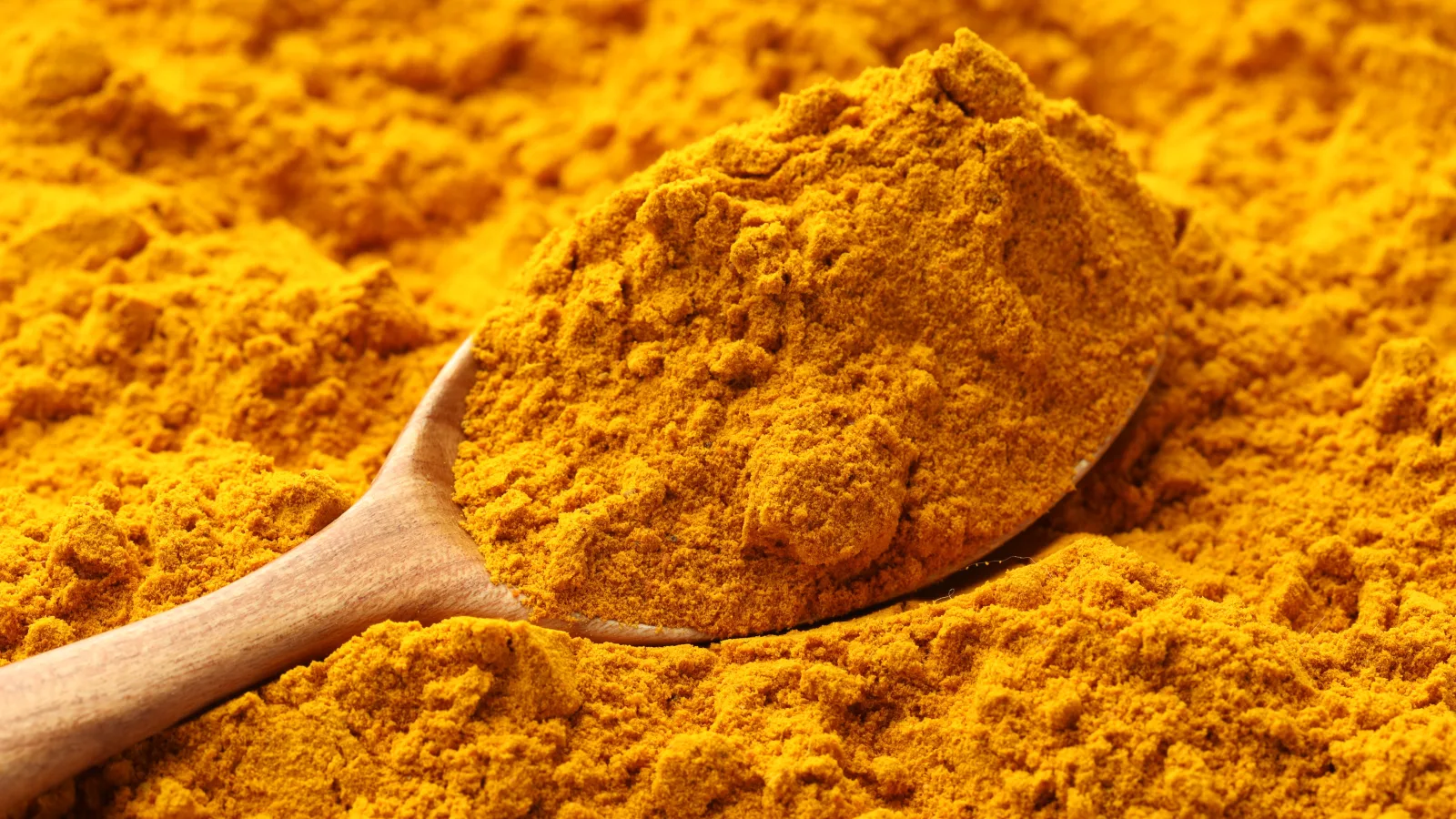
- Dry it in the sun and grind it into powder, and you can add a pinch to curries, fried rice, and seasoned vegetable sides (namul).
- Curcumin is absorbed better when eaten with fat and with piperine, the compound in black pepper, so it pairs well with dishes cooked in oil.
Keep it to a spoonful or two a day, though, and if you have gallstones or take medication regularly, check with a professional before loading up on large amounts. On any evening you've worked your body—in the garden or at the gym—pour yourself a cup of turmeric tea. It's no guaranteed cure for sore muscles, but as a warm, fragrant way to end the day, it's more than enough.
Reference: Nutrients, a systematic review of curcumin supplementation and exercise recovery.