A Patch of Green Onions in the Garden
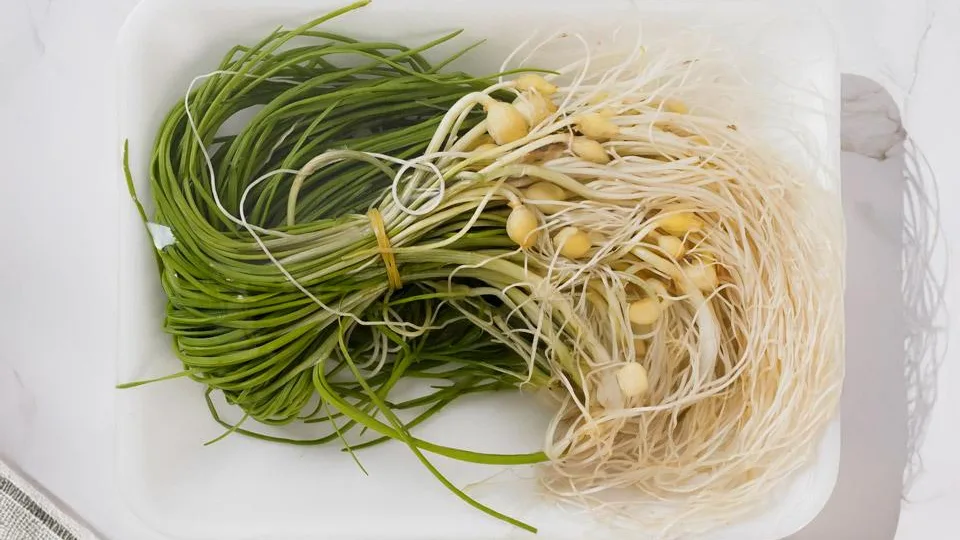
Few kitchen gardens in the Homiclub community are without at least a row of green onions — daepa, the large bunching variety common throughout East Asia. Once planted, they keep coming back: cut the stalks, and up they spring again. Slice a handful into kimchi stew or a simmering broth, and the whole pot wakes with fragrance. They're unfussy enough about soil that even first-time gardeners tend to bring in a good harvest.
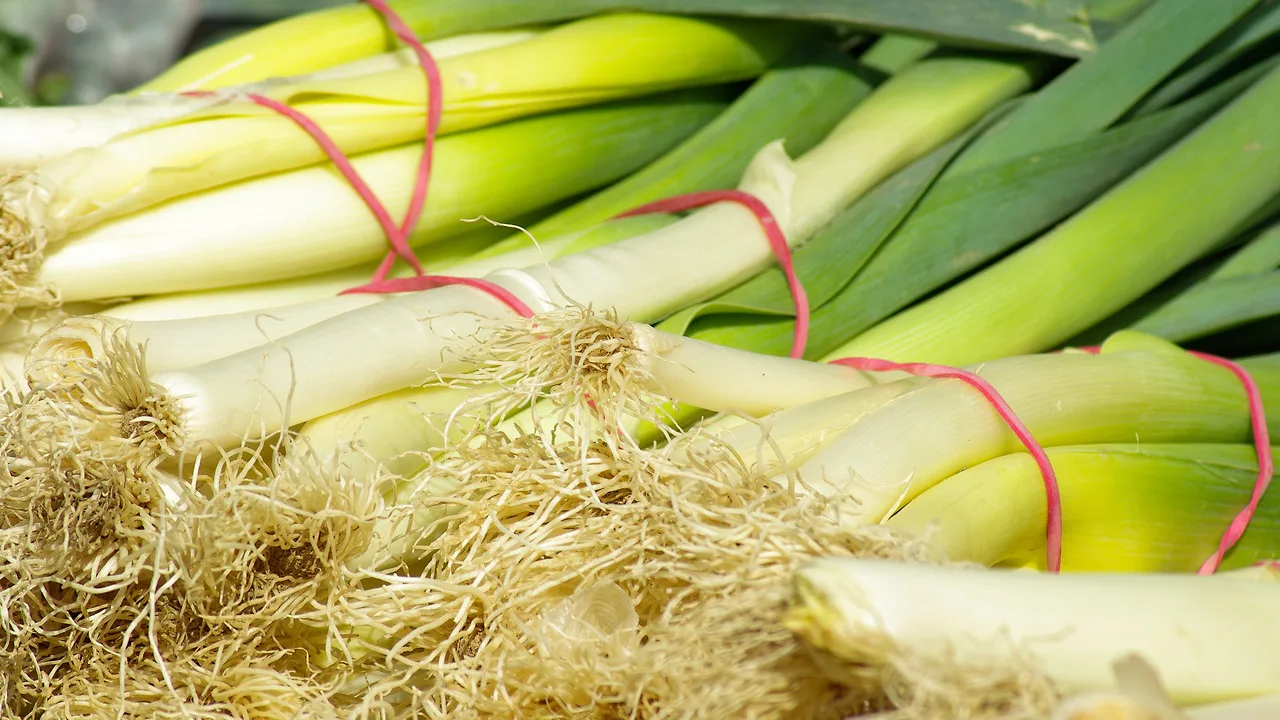
And yet this ordinary garden staple held genuine esteem in Korea's old medical texts. The part we so often trim away or drop into stock without a second thought — the thick white base — was the real star. Once you know the name those earlier writers gave it, and the ideas they wove around it, you'll find your hand pausing just a moment the next time you pick up a knife. That's the story for today.
What Dongui Bogam Saw
Dongui Bogam — Korea's great 17th-century encyclopedia of medicine — gave the white base of the green onion its own dedicated name: chongbaek (蔥白, the white part of the plant). The text describes its taste as pungent, its nature as cool — or neutral, depending on the passage — and notes that it carries no toxicity. The pairing of pungent with cool is worth a second look: most of us think of onions simply as heating foods.
Its central use was scattering cold. Dongui Bogam classified chongbaek as both a diaphoretic and a yang-warming herb, indicated for what the text called punghan (風寒) — the chills and fever that arise from exposure to cold wind. Diaphoretic simply means it encourages sweating to release what is pent up inside; yang-warming (通陽) is the classical expression for reopening the body's blocked pathways of warmth. That made chongbaek the natural choice at the very onset of a wind-cold — roughly, a cold caught in cold weather — kept close by when the first shiver set in. Anyone who has reached for a hot bowl of green onion soup at the first sign of a cold will find that ancient record not so distant.
The text goes further still. Chongbaek was also said to ease blockage in the throat, support the free circulation of the five organs, and neutralize the toxicity of various medicinal substances — a remedy for opening what is closed and setting stagnant energy in motion. The classic preparation was a decoction called Chongbaek-san, simmered together with ginger: two ingredients that still sit in nearly every Korean kitchen.
In short, the green onion in Dongui Bogam scattered cold with its pungency, encouraged perspiration to release built-up tension, and reopened blocked passages. For households of that era, it was the nearest thing to a medicine cabinet — growing right there in the yard.
Through a Modern Nutritional Lens
What does that old record look like through a contemporary lens? The sharp, eye-watering fragrance of green onions comes from sulfur compounds. When you slice through a stalk and your eyes sting and your sinuses prickle, those compounds are making themselves known. They come up regularly in discussions of antimicrobial properties and blood circulation — and there is something almost uncanny about the parallel with scattering cold and unblocking passages, as the old text put it, two descriptions pointing in roughly the same direction from very different starting points.
That said, a step back is warranted. Clinical evidence in humans for the specific health effects of green onion's sulfur compounds remains limited. The fact that an ancient account and a modern one seem to rhyme does not mean green onions cure colds or treat any particular condition. Dongui Bogam reflects the accumulated experience and conceptual framework of its era; modern nutrition operates by its own standards of evidence. Both perspectives are worth knowing — but hold the resonance lightly, and take neither as a firm promise.
From Garden to Table
Putting this into practice couldn't be simpler. Since Dongui Bogam prized the white base, try adding it to your broth rather than discarding it. On a cold day when you feel the first hint of a chill, slice the white part into generous lengths, simmer it with a few slices of fresh ginger, and drink the warm broth — you'll be following the spirit of that old decoction using nothing more than what's already on your counter.
The green tops are best used differently: scatter them fresh over the finished dish right before serving. Long cooking drives off their delicate fragrance, so add the greens at the last moment. Thinly sliced raw, they also bring a bright, pungent lift to dressed vegetable sides or marinades. Since the white base and the green tops have such different characters — one suited to long, slow simmering, the other to a last-minute flourish — using them separately lets you get the most from a single stalk.
One practical note: the pungency of raw green onion can be hard on a sensitive stomach. Rather than eating large amounts raw all at once, cooking them through and keeping portions moderate tends to be more comfortable. With a stalk fresh from the garden on your cutting board, knowing a little of its history might just make the meal feel all the richer.