You pull together a lunch of lettuce and cherry tomatoes straight from the garden. You've been faithful about eating your vegetables — and yet every afternoon your concentration drifts and your thinking feels cloudy. If that feeling persists despite a solid intake of produce, it may be time to look at what else is sharing the table.
Ultra-Processed Is a Category of Its Own
Unlike minimally handled ingredients — fresh vegetables, fruit, whole grains — ultra-processed foods (UPFs) go through multiple manufacturing stages where colorings, flavorings, stabilizers, and emulsifiers are layered in at every step. Think grab-and-go rice balls, instant ramen, chips and crackers, processed sausage links, soda, and heavily sweetened cereal. Even people who cook at home regularly tend to reach for these foods as snacks or quick sides without a second thought.
Vegetables Alone May Not Be Enough
A large study of more than 2,100 American adults found that higher ultra-processed food consumption was associated with lower attention scores and slower information-processing speed. Notably, the pattern held even among participants who otherwise maintained healthy diets — plenty of vegetables and fruit included. Regardless of how many vegetables they ate, those who also consumed the most UPFs consistently scored lower on cognitive function tests.
The same research found elevated dementia risk factors among the heaviest UPF consumers. Establishing a direct causal link is still premature. That said, ongoing studies are testing the hypothesis that the refined sugars, high-fructose syrups, and food additives concentrated in these products disrupt the gut microbiome — and that those microbial shifts, in turn, affect brain function.
What Your Garden Can Do
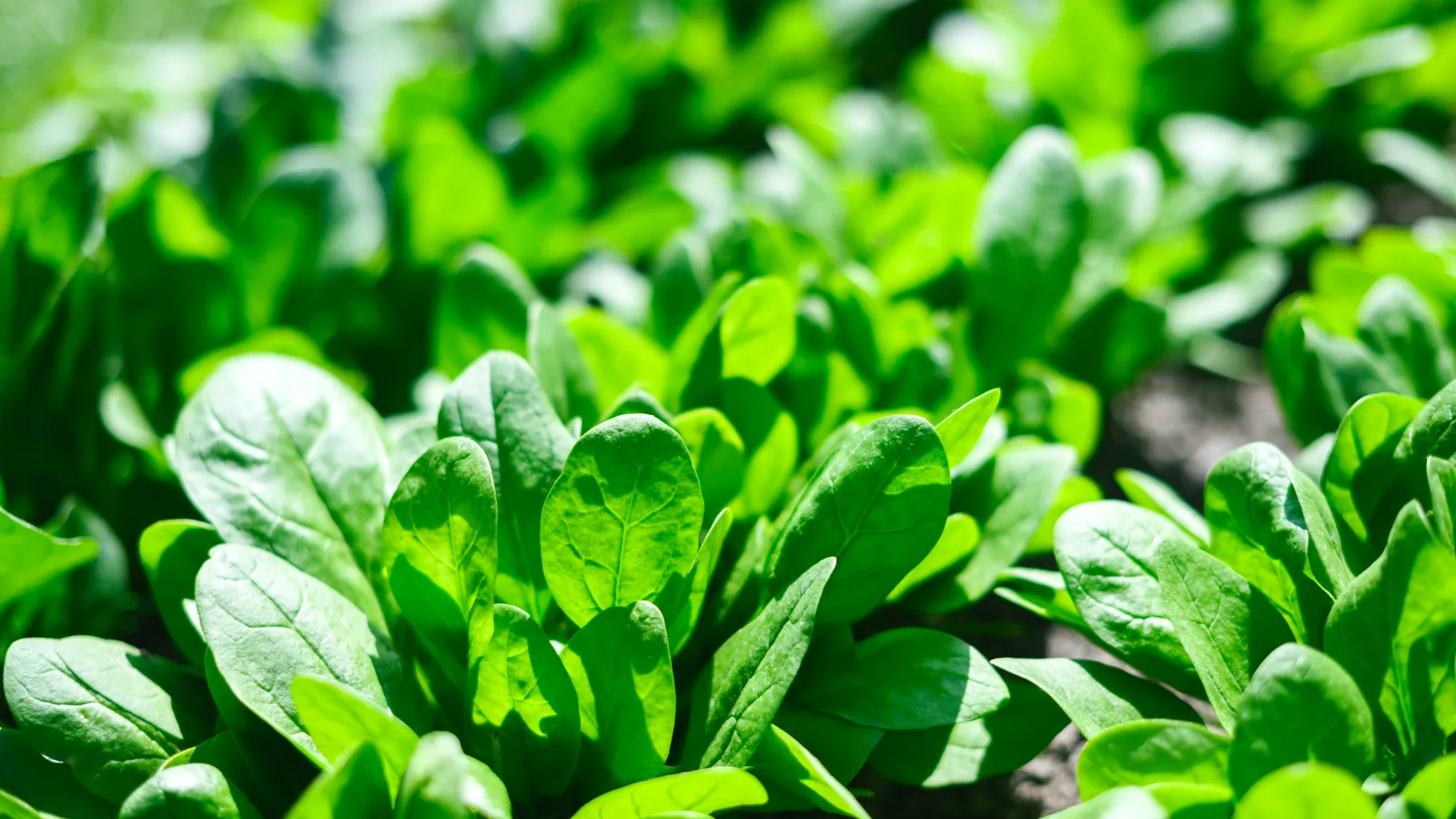
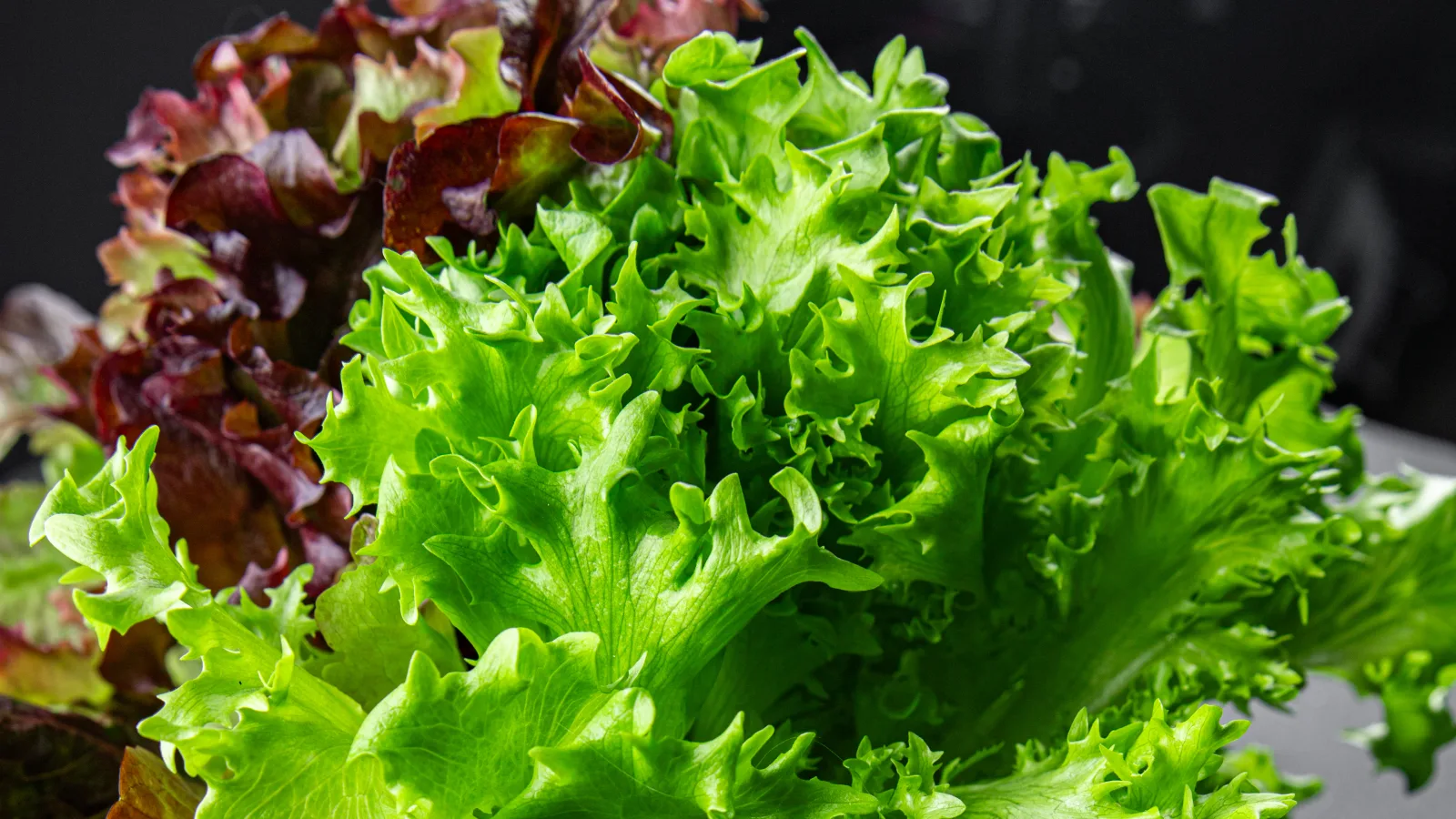
Broad-leafed vegetables like lettuce, bok choy, and spinach are solid sources of folate and magnesium. Folate is a building block for serotonin and dopamine synthesis; magnesium plays a role in nerve-cell signaling. Deeply colored produce — tomatoes, bell peppers — is rich in antioxidants. Eating garden vegetables won't sharpen your focus overnight. But the more often they crowd out ultra-processed options at your table, the more naturally your intake of refined sugar and additives comes down.
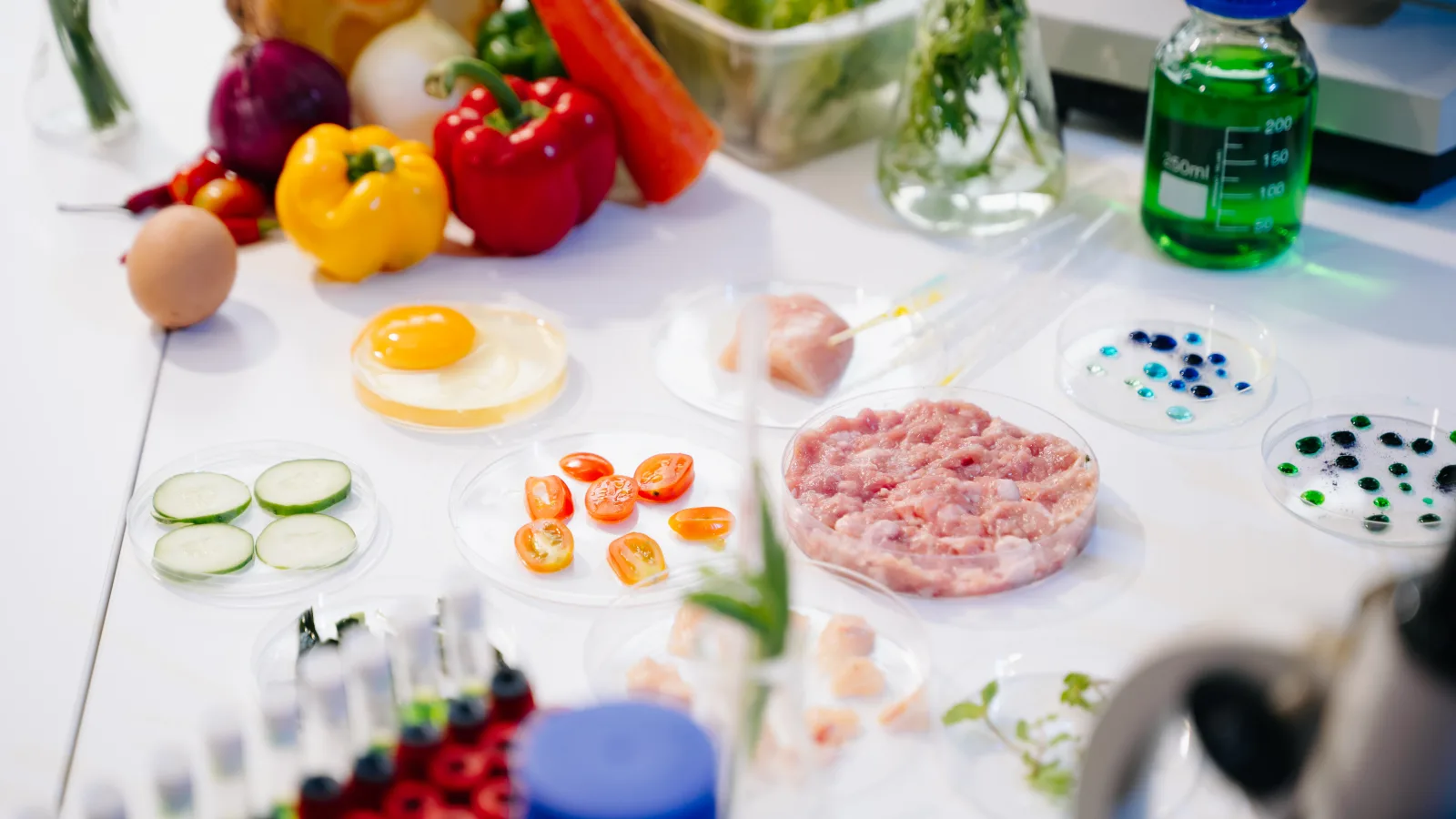
If eliminating all processed foods at once feels unrealistic, try swapping just one afternoon snack for a handful of cherry tomatoes or cucumber slices from the garden. A single small change is enough to quietly shift the day's overall balance.
Today's practice: Instead of the bag of chips you habitually reach for in the afternoon, wash a handful of fresh vegetables from the garden and set them out within easy reach.
Source: U.S. adult cohort study on ultra-processed food consumption and cognitive function