Pick a cucumber during that stretch of heat right before the summer rains, and rinsing it is all it needs. A pinch of salt, and you're done. The back of a packaged sandwich from a convenience store lists more than ten ingredients you'd struggle to pronounce. A study of 110,000 people has now put numbers on what that difference does to your body.
What Eight Years of Data Showed
In a study that followed more than 112,000 people for up to eight years, the group eating the most food containing certain preservatives developed high blood pressure at a higher rate than those who ate the least. Their risk of heart attack and stroke rose alongside it. Researchers zeroed in on eight additives, among them sodium nitrite in cured meats, sodium benzoate in drinks and sauces, phosphates in frozen foods, and sulfites in dried fruit and wine.
These compounds are there to hold color and stretch shelf life. Evidence suggests they may affect the lining of your blood vessels and shift the balance of bacteria in your gut. This was an observational study, so it's too early to call the additives a direct cause — but the pattern was clear: the more people ate, the higher the risk climbed.
Where You Run Into Them
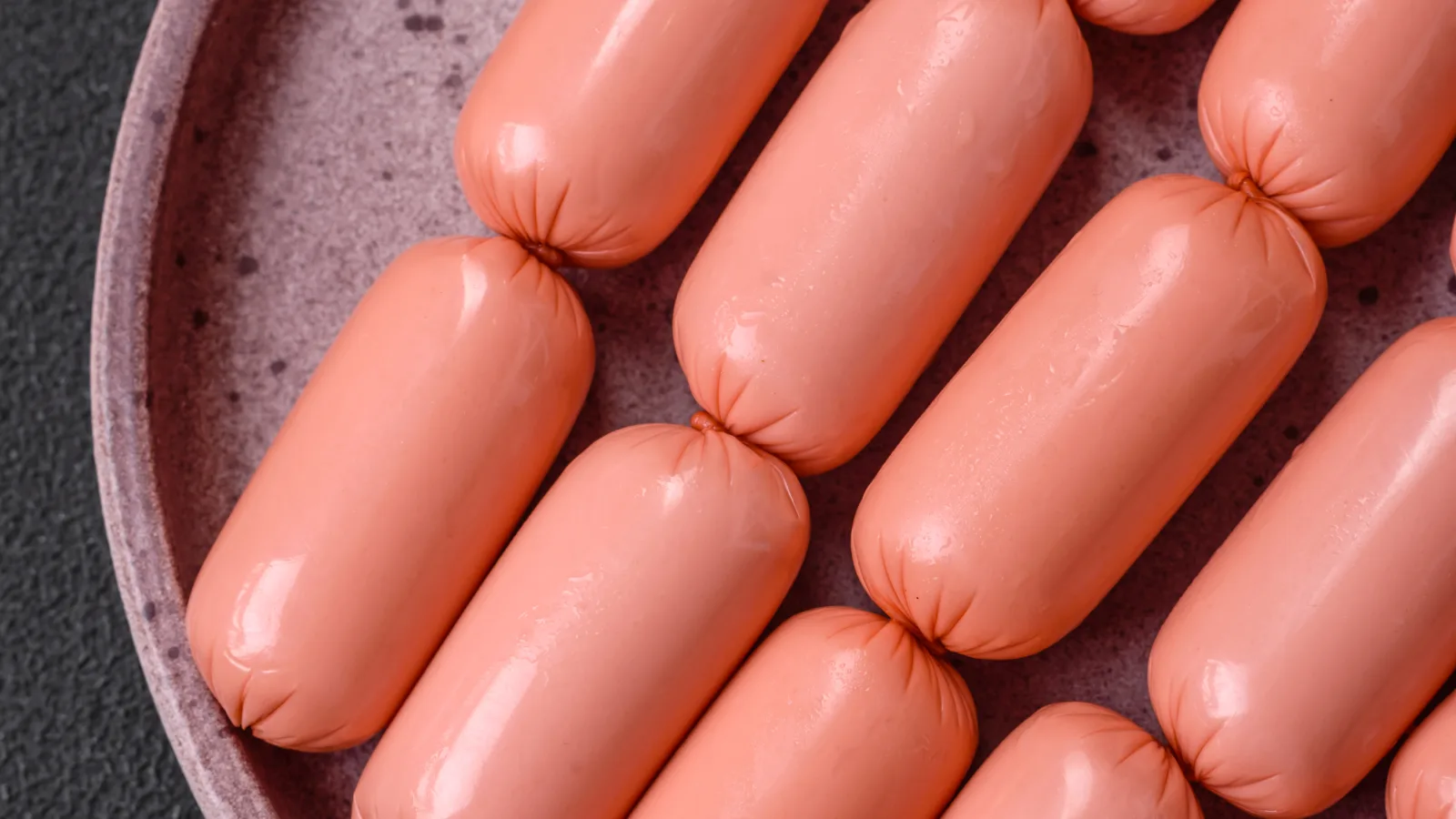
Sodium nitrite shows up most heavily in ham, sausage, and bacon, where it keeps meat pink and holds bacteria in check. Sodium benzoate is common in sodas and fruit drinks; phosphates turn up in frozen entrées and instant noodles. Sulfites appear in wine and in dried fruit like raisins and apricots.
If you scan the bottom of an ingredient list and spot several items with "sodium" in the name, there's a good chance they belong to this family of preservatives. Sodium content on its own also affects blood pressure, so it's worth reading both lines together.
Why Garden Vegetables Are Different
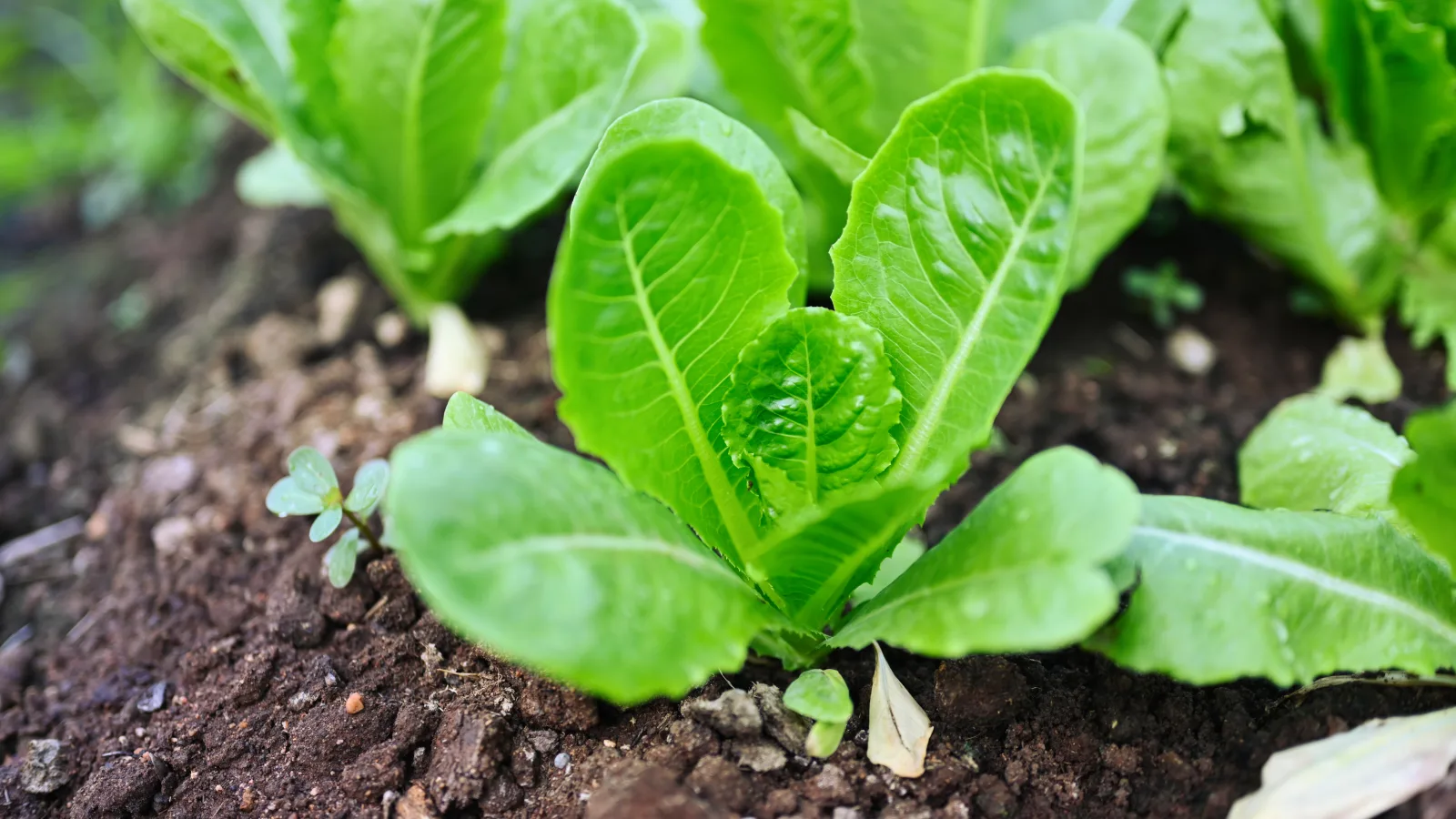
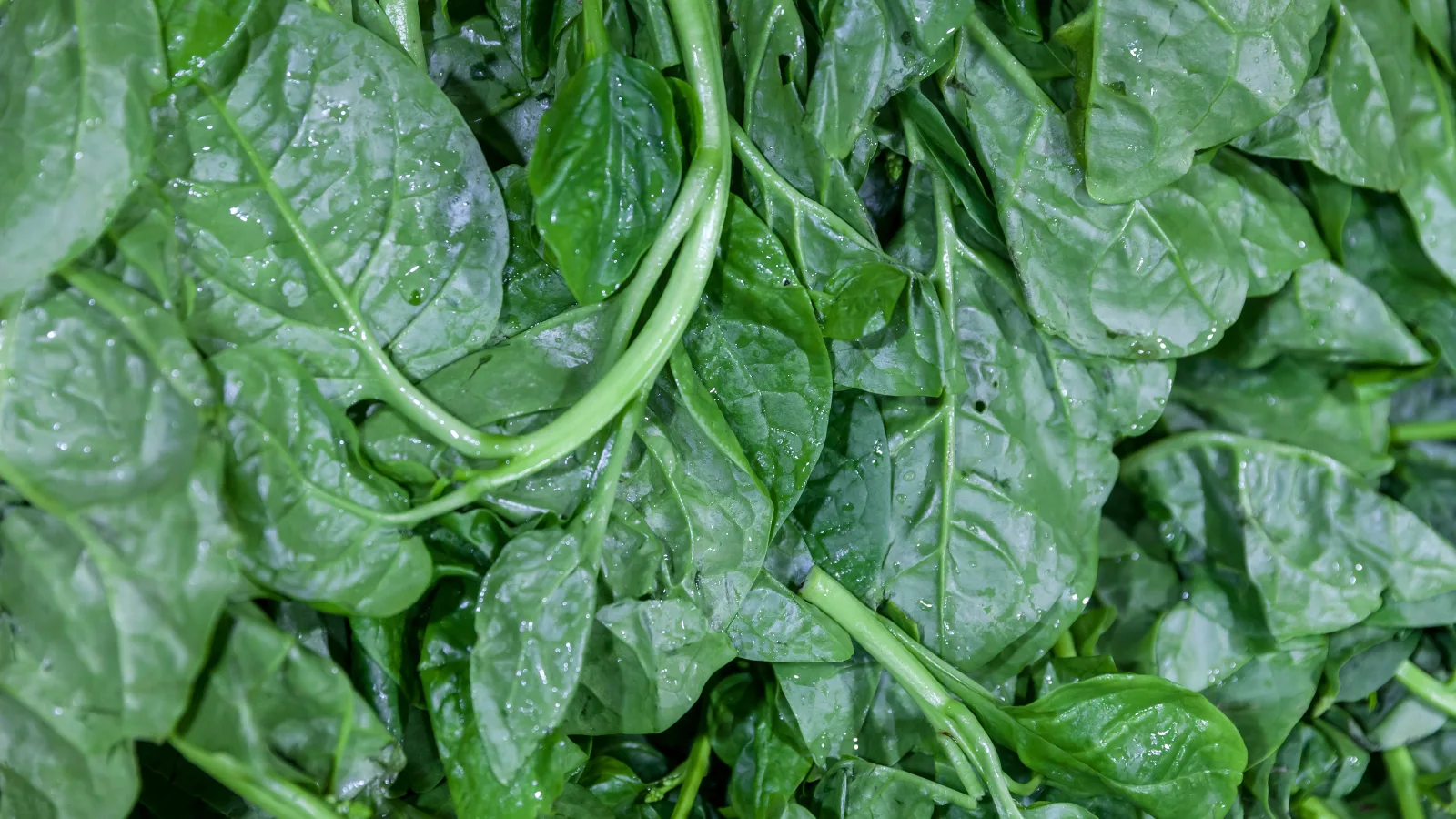
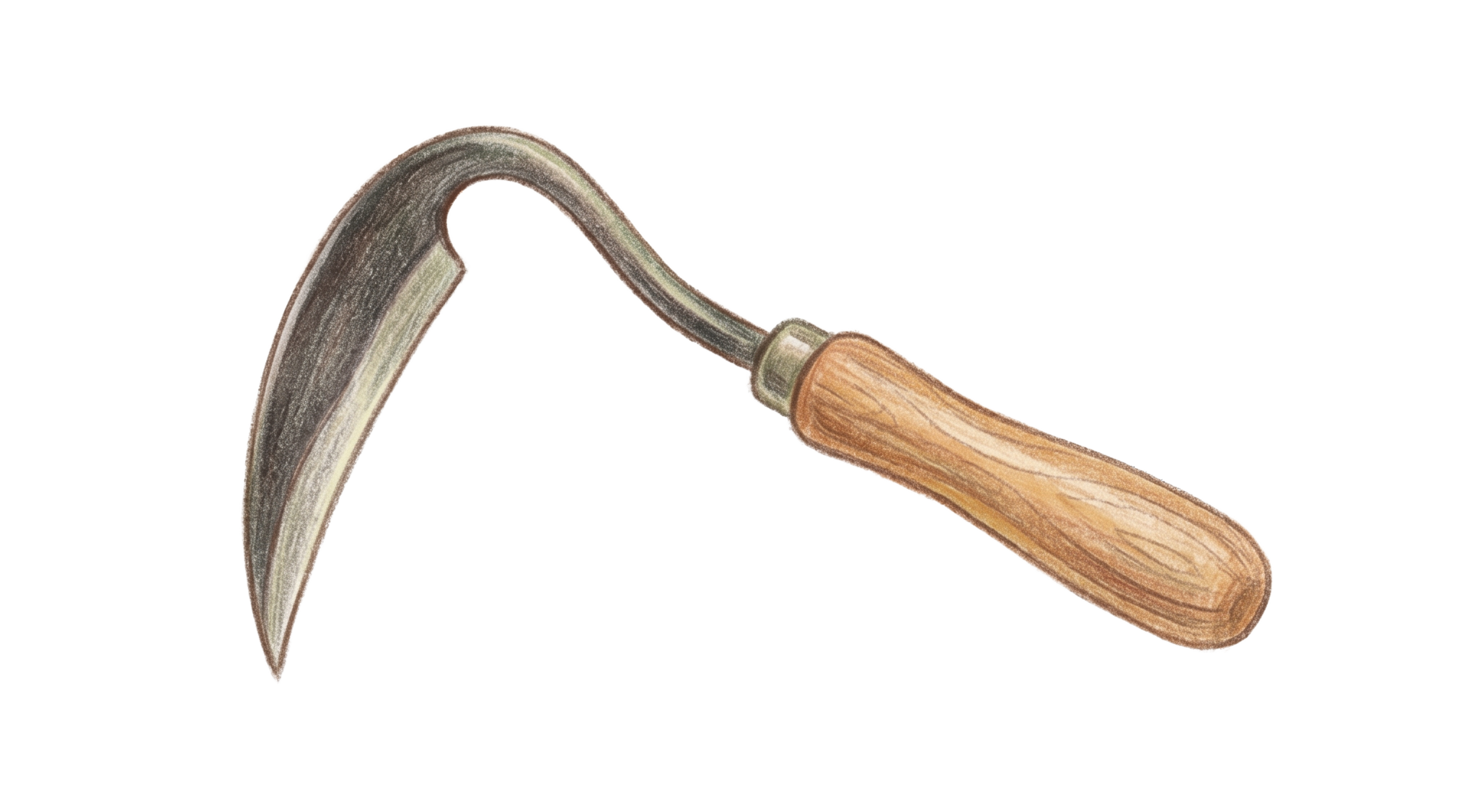
Vegetables you grow yourself reach the table the day they're picked, which means nothing gets added along the way in packaging or transit. Fast growers like lettuce, spinach, cucumbers, and tomatoes are forgiving for beginners, and the contrast with processed food is stark. Add homemade doenjang (fermented soybean paste) or soy sauce and you'll still have sodium — but no synthetic preservatives.
No garden? Start by cutting back on how often you reach for cured meat and soda.
Tonight, pull the package of cured meat out of your refrigerator and read the ingredient list all the way to the bottom.
Sources: the European NutriNet-Santé cohort study and international nutrition and cardiovascular follow-up research.