Flip over the lettuce leaves in a balcony pot in early summer and you'll sometimes find tiny aphids clinging to the underside of the tender new leaves and along the stems. Lettuce is the first crop most urban gardeners grow because it's almost impossible to fail with, but once the weather warms and new leaves come on fast from June, aphids tend to multiply. Since these are leaves you pick and eat raw in ssam (lettuce wraps), reaching for a pesticide feels wrong. Here, step by step, is how to cut down aphids without any chemicals.
Why aphids take over
Aphids suck the sap from a plant, yellowing the leaves and slowing its growth. They spread fastest when leaves are soft and tender from heavy nitrogen feeding, and in crowded pots with poor air flow. Lettuce is sown in March and April and again in September, then harvested in May and June and again in October and November. The early summer window, when the first harvest begins, is also when fresh leaves keep pushing out, putting more of the aphids' favorite food on the table.
That's why catching them the moment you spot them matters. Check the undersides of leaves and the new shoots two or three times a week. When there are only a few, simply rinsing them off with a jet of water makes a real difference. Once their numbers grow and a sticky residue starts coating the leaves, it's time for the egg-yolk oil described below.
Egg-yolk oil: the idea behind a single spoonful
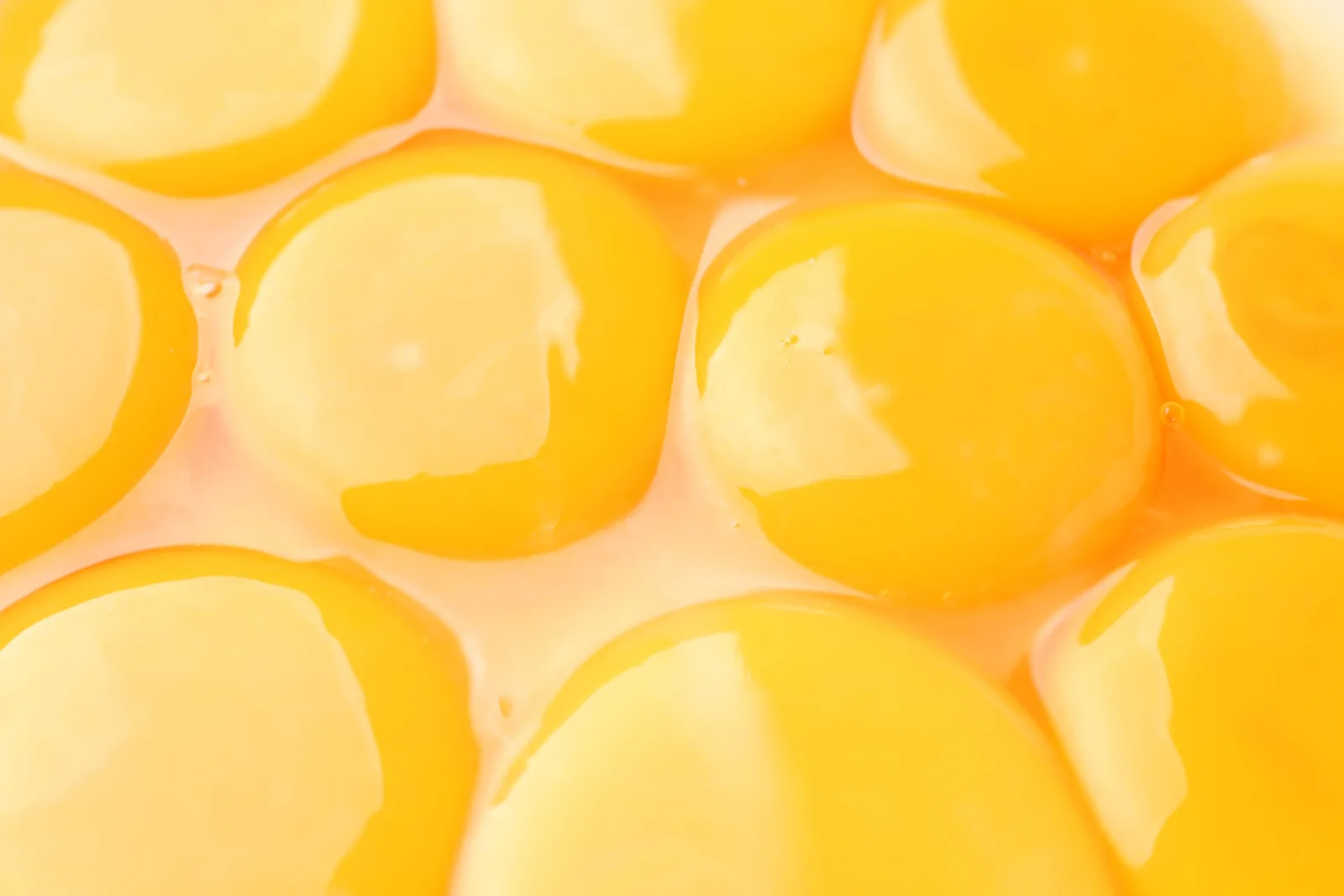
Egg-yolk oil is an eco-friendly pest control made by emulsifying cooking oil into water with egg yolk. The lecithin in the yolk acts as an emulsifier, binding oil and water so the oil droplets disperse evenly through the water. The dispersed oil then coats the bodies of aphids and mites in a thin film and blocks their breathing pores. Because it works physically, by smothering the insects rather than killing them with chemicals, it's far less of a concern on salad greens you'll be picking and eating.
The ratio is simple. To 1 liter of water, add 10 milliliters of cooking oil (about two spoonfuls) and a quarter of an egg yolk, then blend thoroughly so the yolk dissolves completely. For preventive spraying, you can dilute the same amounts into 2 liters of water for a thinner mix. Whatever you make, it's best to use it all the same day.
How and when to spray
Egg-yolk oil only works once its oil film covers the aphids, so it's important to wet the undersides of the leaves where the insects sit, thoroughly. Use a spray bottle and coat the leaves evenly, top and bottom. One pass won't do it: to catch the aphids hatching from eggs as well, repeat two or three times at intervals of 5 to 7 days.
The time of day you spray changes how well it works. If strong midday sun hits oil-coated leaves, they can scorch and yellow. So it's safest to spray in the early morning or at dusk, when the sun is weak, or on an overcast day. Rain washes the oil film away, so pick a day with no rain in the forecast. If an oily residue is still on the leaves a few days after spraying, just rinse them well under running water before you eat them.
Pesticide-free lettuce, on your plate
Lettuce grown and picked this way is safe to eat raw in wraps. The lactucin in the stem's milky sap has a mild calming effect, which is why lettuce has long been known as a sleep-friendly vegetable, and its folate, 49 micrograms per 100 grams, supports the formation of new cells. The leaf pigments anthocyanin and beta-carotene add antioxidant benefits.
It has its rightful place at the table, too. Wrap pork belly or beef in a lettuce leaf and the fat and protein of the meat meet the fiber and water of the lettuce, finishing a heavy meal on a lighter note. Add a dab of ssamjang, a dipping paste of garlic, chili, and doenjang (fermented soybean paste), and it balances the soft leaf. Eat some lettuce at the end of a late dinner and the calming action of lactucin is said to help you sleep. Tonight, start by flipping over a lettuce leaf and taking a look at the underside.
Sources: Rural Development Administration (Nongsaro and agri-food information).