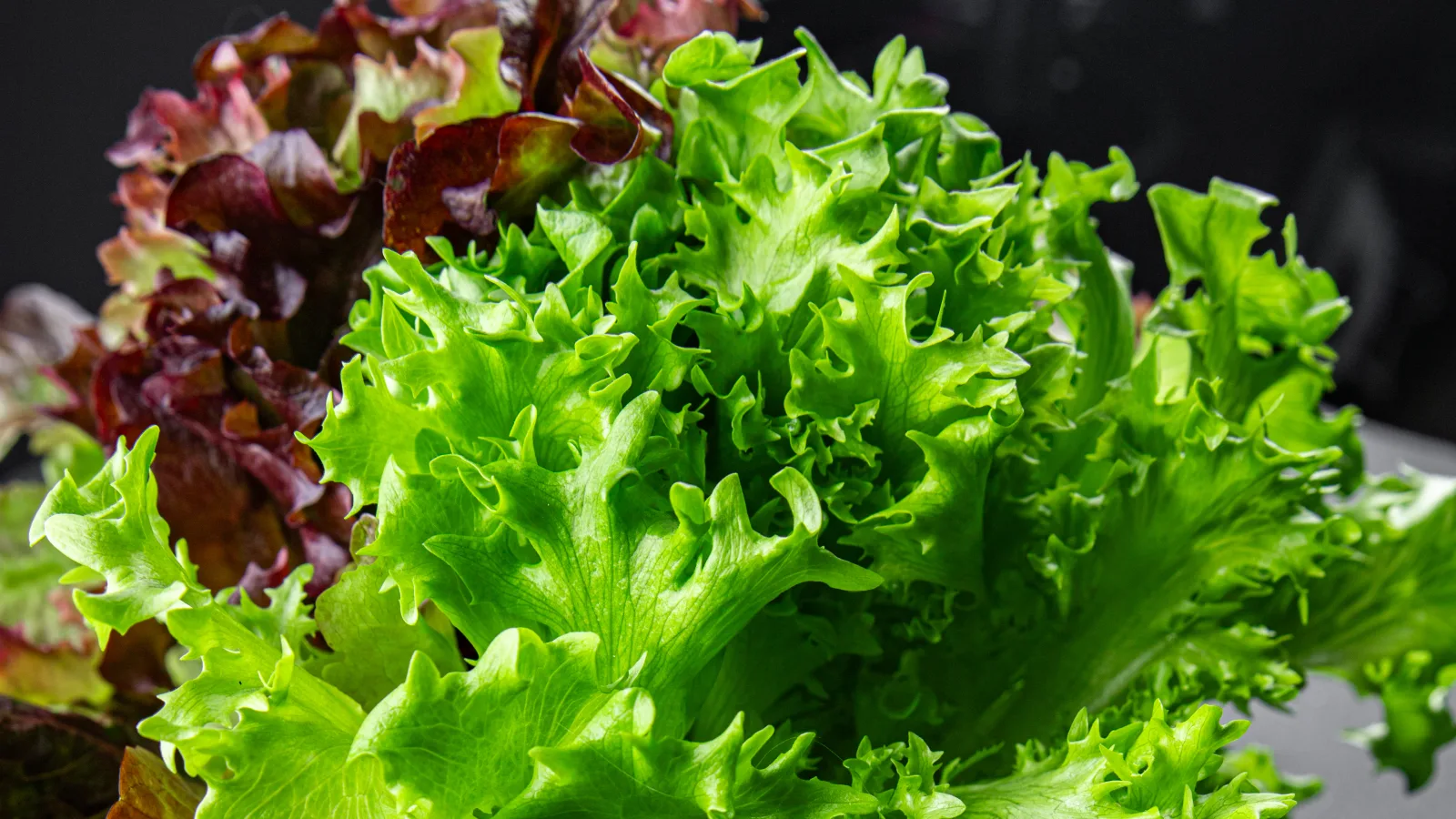
If it's been a month since you transplanted your lettuce seedlings and the leaves are still growing slowly with a washed-out color, resist the urge to add more compost right away. Instead, take a closer look at the phosphorus situation in your soil. In container gardens and small raised planters — the kind typical of urban growing — phosphorus is often present in adequate amounts but stubbornly unavailable to roots.
What Happens to Lettuce When Phosphorus Is Scarce
Phosphorus is essential for cell division and energy metabolism. When soil phosphorus drops too low, lettuce loses above-ground mass and its leaves produce less chlorophyll, leaving them pale and limp. At the same time, roots stretch longer in search of more phosphorus. Smaller leaves, longer roots — this pattern is the plant reshuffling its resources, not a sign of outright failure.
In container mixes and urban garden soil, phosphorus tends to bind with calcium and iron ions, locking itself into forms roots can't use. That's one reason adding phosphorus fertilizer doesn't always deliver the leaf growth you were hoping for.
What Humic Substances Do for Roots and Leaves
Leonardite is a lignite-based mineral packed with humic substances. In a 2026 study published in Frontiers in Plant Science, lettuce treated with leonardite-derived humic substances put on more above-ground mass and grew longer roots even under phosphorus-deficient conditions.
In the roots, the activity of acid phosphatase increased significantly. This enzyme converts organic phosphorus in the soil into the inorganic form that roots can actually absorb. Across every metric researchers used to gauge phosphorus uptake and utilization, the numbers went up.
In the leaves, total phenolic content and antioxidant activity both rose. Phenolic compounds are defense substances that accumulate when lettuce is under stress; they also contribute to the pleasantly bitter edge in fresh lettuce. Alongside them, glycine betaine and chlorophyll levels climbed as well. Glycine betaine regulates osmotic pressure inside cells, giving the plant a buffer against difficult conditions.
Root drenches and foliar sprays — applying the solution directly to leaves — worked through different pathways. Foliar application was more closely tied to shifts in leaf phenolic composition, while root treatment had the stronger effect on phosphorus uptake capacity.
Practical Notes for Your Garden
This research was conducted under hydroponic conditions, so identical results in container soil or in-ground beds aren't guaranteed. Even so, soil amendments containing humic substances are widely available at garden centers and farm-supply stores, and they're worth trying if your container mix runs alkaline — a common culprit behind poor phosphorus uptake.
- Root drenches and foliar sprays act on different parts of the plant, so follow the dilution ratios and application directions on the product label rather than combining them freely.
- Because lettuce grows quickly and has a short season, a single soil application near the roots at planting time is more practical than repeated foliar spraying throughout the season.
- When shopping for humic substance products, look for a label that clearly states the leonardite content or percentage of humic substances — it's the easiest way to compare quality.
Press a finger into the soil of your lettuce container right now. If it feels hard and dense, the mix may be low in organic matter. A humic substance amendment is a good place to start.
Reference: Frontiers in Plant Science 2026, Leonardite-derived humic substances enhance phosphorus use efficiency in lettuce